
 Save Pin
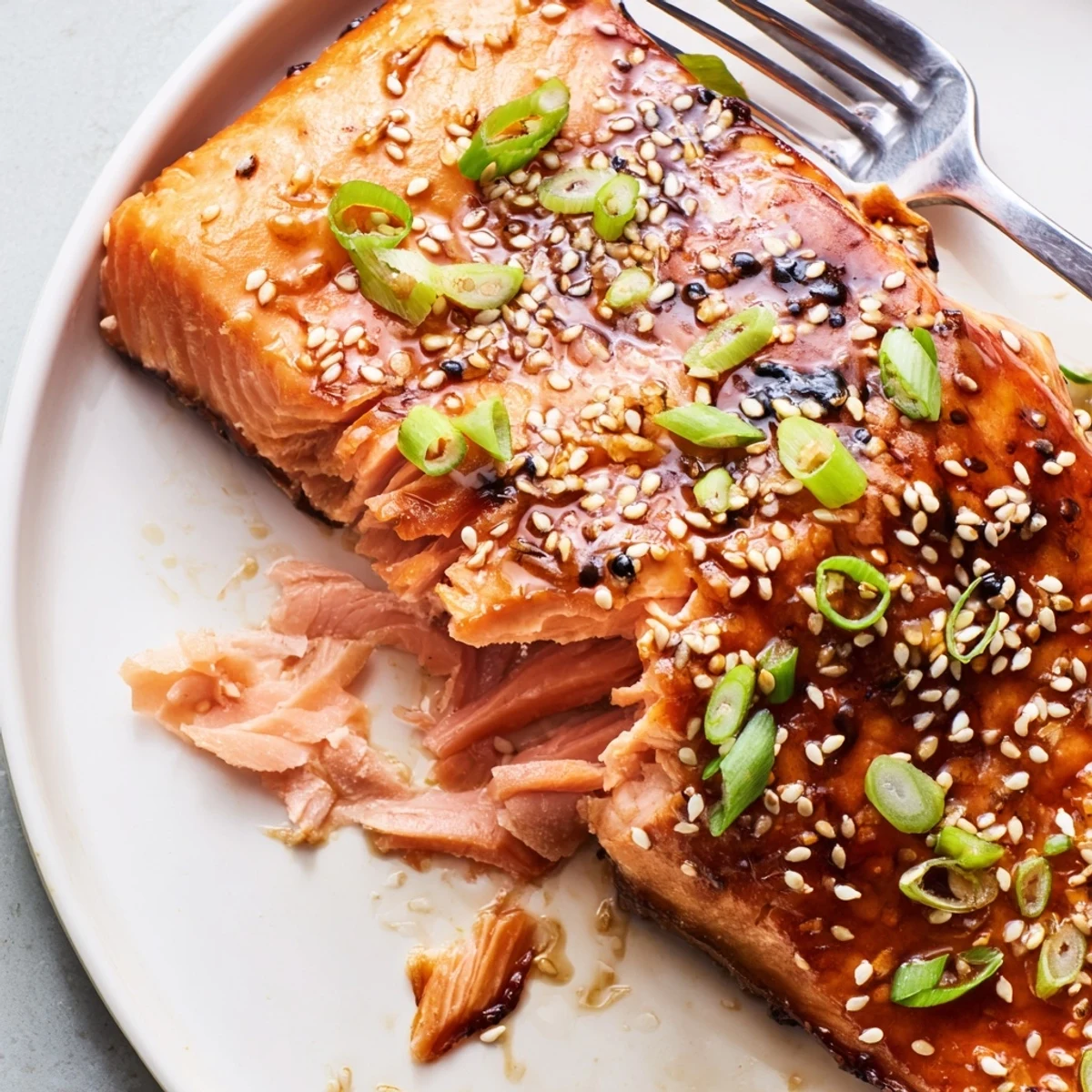
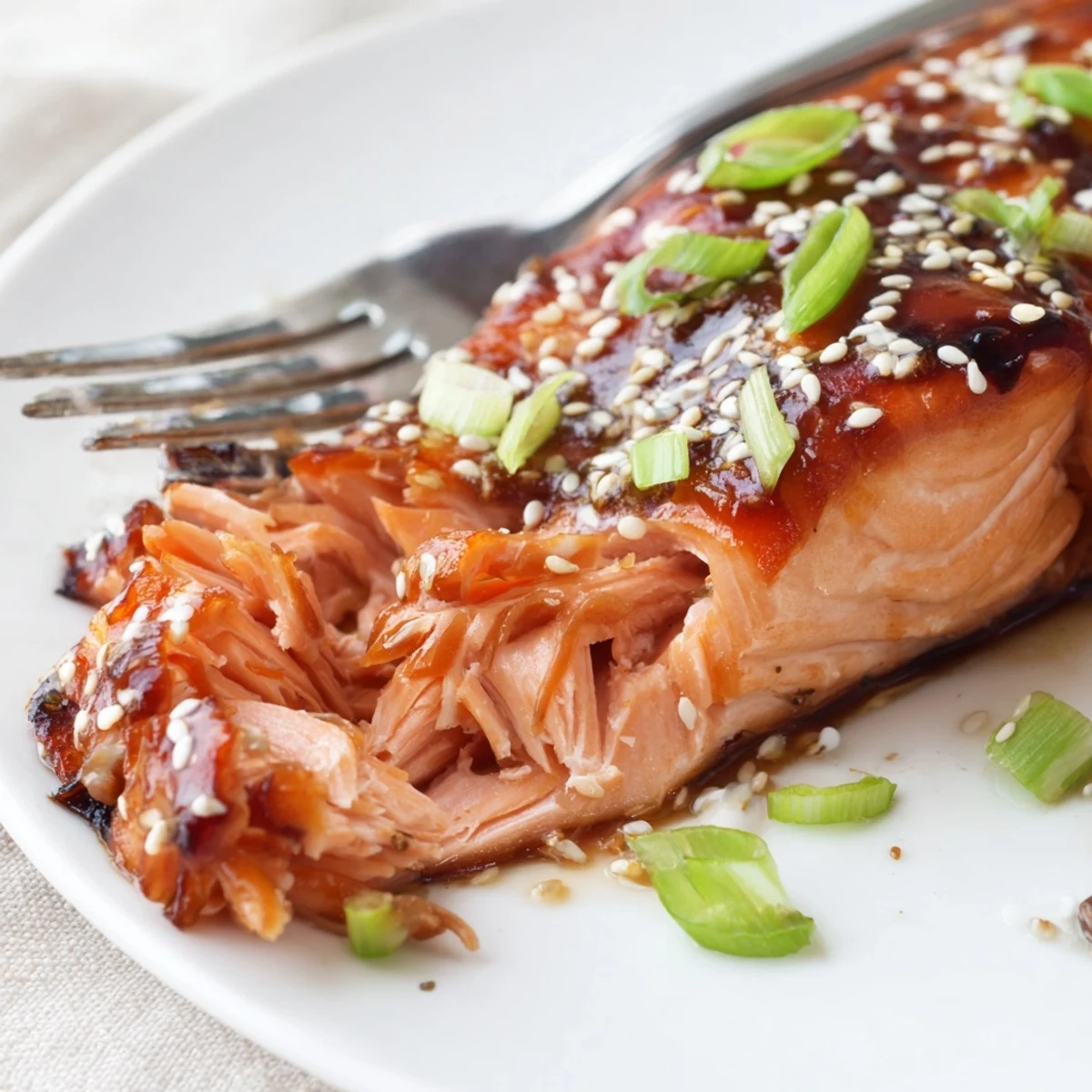
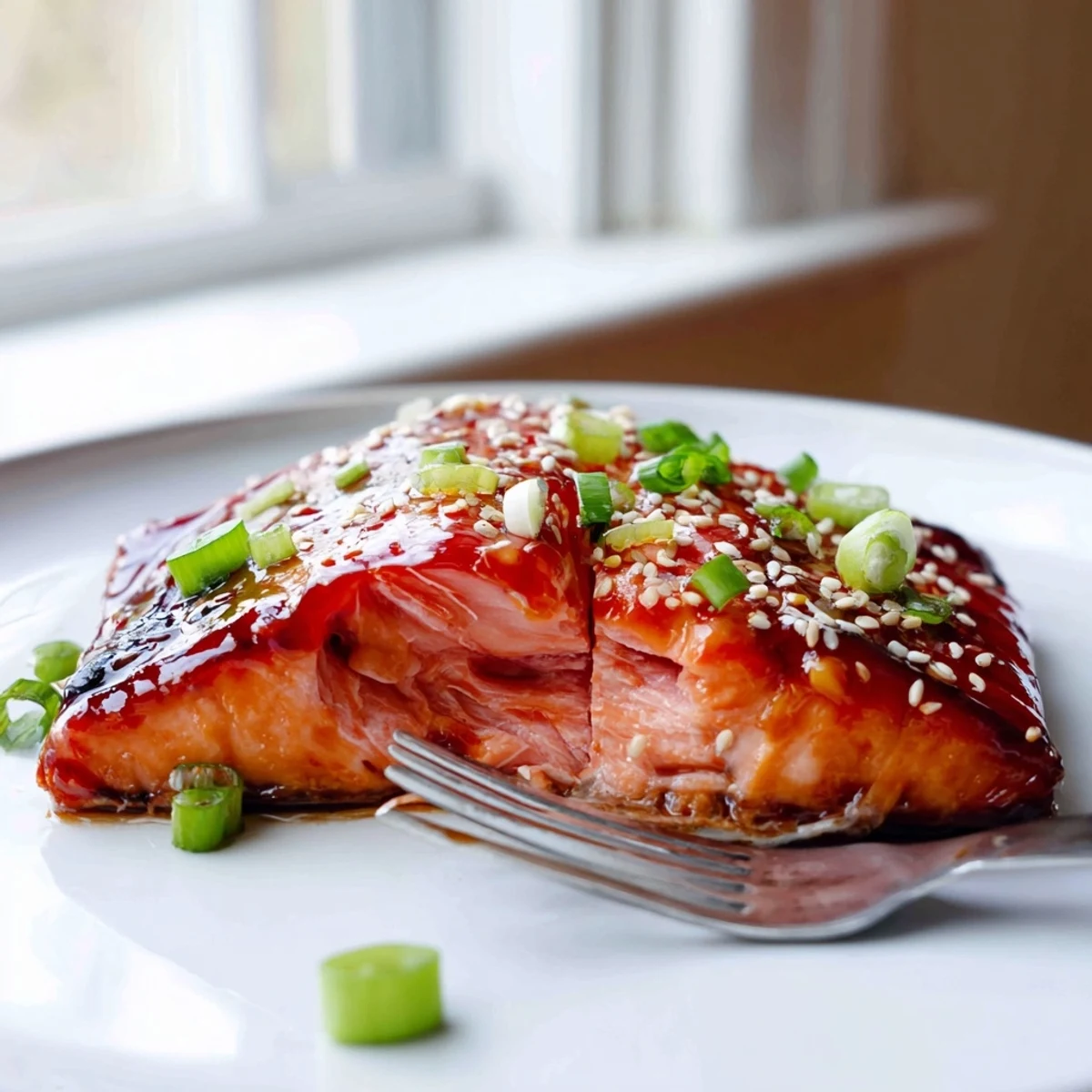
 This baked Asian salmon features succulent fillets marinated in a rich blend of soy sauce, honey, sesame oil, fresh ginger, and garlic. The glaze caramelizes beautifully in the oven, creating a tender, flaky texture with layers of umami and subtle sweetness.
Ready in just 28 minutes, it's an ideal weeknight dinner that pairs wonderfully with steamed jasmine rice and sautéed vegetables. Adjust the sriracha to control the heat level to your preference.
My apartment smelled like a street market in Seoul the evening I threw together soy sauce, honey, and ginger on a whim and slid salmon into the oven. That glaze caramelized into something dark and lacquered, and my roommate walked in asking what restaurant I had ordered from. We ate standing at the counter, forkfuls of flaky fish, barely stopping to plate it. That random Tuesday dinner became the most requested recipe in our household.
I made this for my sister the night she moved into her first apartment, carrying a baking tray wrapped in foil across the hallway while she unpacked boxes. She sat on the kitchen floor with a paper plate balanced on her lap, eating salmon and rice between thanking me and complaining about her landlord. Something about that scene, new keys still shiny on the counter, the oven warmth still clinging to my sleeves, made the meal feel like a proper beginning for her.
Ingredients
- 4 salmon fillets (about 170 g each), skin-on or skinless: Skin-on holds together beautifully during baking and gets lightly crisp underneath, but skinless works just fine if that is what you have.
- 60 ml (1/4 cup) soy sauce (gluten-free if needed): This is the salty backbone of the entire glaze, so use one you actually enjoy tasting on its own.
- 2 tbsp honey or maple syrup: Honey gives a floral sweetness and deeper caramelization, while maple syrup adds an earthier note that pairs surprisingly well with ginger.
- 1 tbsp sesame oil: Just a small amount carries the dish with its nutty, toasted aroma, so do not be tempted to add more.
- 2 tbsp rice vinegar or lime juice: The acid cuts through the richness of the salmon and brightens every bite.
- 1 tbsp fresh ginger, grated: Fresh ginger is nonnegotiable here, since the powdered version cannot replicate that warm, slightly spicy zing.
- 2 cloves garlic, finely minced: Smash them before mincing to release the most flavor into the marinade.
- 1 tbsp sriracha or chili paste (optional): Adds a gentle hum of heat in the background without overwhelming the sweet and salty balance.
- 1 tsp toasted sesame seeds: Mostly for looks and a little crunch, but they also reinforce the sesame flavor.
- 2 tbsp green onions, finely sliced: Scatter these on at the very end for a fresh, oniony bite that wakes up the whole plate.
Instructions
- Get the oven hot:
- Preheat your oven to 200 degrees C (400 degrees F) and line a baking tray with parchment paper or foil so nothing sticks and cleanup is effortless.
- Build the glaze:
- In a mixing bowl, whisk the soy sauce, honey, sesame oil, rice vinegar, grated ginger, minced garlic, and sriracha until completely smooth and fragrant.
- Dress the fish:
- Lay the salmon fillets on your prepared tray and spoon the marinade generously over each one, saving a small amount to drizzle on after baking if you like extra sauciness.
- Let it rest briefly:
- Give the salmon about 10 minutes at room temperature to soak up the glaze while the oven finishes reaching full temperature.
- Bake until flaky:
- Slide the tray into the oven and bake for 15 to 18 minutes, watching for the edges to darken and the fish to flake apart easily when you twist a fork in the thickest part.
- Finish and serve:
- Pull the salmon out, drizzle with any reserved marinade, scatter sesame seeds and green onions across the top, and serve right away with steamed rice or sauteed vegetables.
 Save Pin
 One Friday I brought leftovers to work and ate them cold at my desk, and two coworkers leaned over to ask what smelled so good that they ended up asking for the recipe on the spot.
Picking the Right Salmon
Wild caught salmon tends to be leaner and cooks a few minutes faster, while farm raised stays plumper and more forgiving if you accidentally leave it in the oven a minute too long. I have used both with this glaze and never been disappointed, so go with whatever fits your budget and your values. The fillets should smell clean, like the ocean, and feel firm when you press them gently through the packaging. If the edges look browned or dry before you even start, pick a different piece.
Pairings Worth Trying
Jasmine rice is my default because it soaks up the extra glaze like a sponge, but a pile of sauteed bok choy with a splash of soy sauce turns this into a full, vibrant meal. A quick Asian slaw with cabbage, carrot, and a sesame dressing adds crunch and freshness that balances the richness of the fish perfectly. I have also served it over cold soba noodles on warm nights when turning on the stove for anything beyond the oven felt like too much effort.
Storing and Reheating Leftovers
Leftover salmon keeps well in an airtight container in the fridge for up to two days, though honestly it rarely lasts that long in my kitchen. Reheat it gently in a low oven around 150 degrees C so the fish does not dry out and the glaze stays silky rather than turning sticky.
- Flake cold leftover salmon over a salad with a sesame ginger dressing for an effortless next day lunch.
- Do not microwave it on high power unless you enjoy the texture of shoe leather, since low power in short bursts is far gentler.
- Always store the salmon separately from any rice or vegetables so nothing gets soggy overnight.
 Save Pin
 This is the kind of recipe that makes you feel like a confident cook, even if you only started using your oven last month. Share it with someone who thinks fish is complicated, and watch them change their mind in under thirty minutes.
Recipe FAQs
- → Can I use frozen salmon fillets?
-
Yes, but thaw them completely in the refrigerator overnight before marinating and baking. Pat the fillets dry with paper towels to ensure the glaze adheres properly and the fish cooks evenly.
- → What internal temperature should the salmon reach?
-
For perfectly cooked salmon, aim for an internal temperature of 63°C (145°F) at the thickest part. The flesh should flake easily with a fork and appear slightly translucent in the center for moist results.
- → Can I prepare the marinade ahead of time?
-
Absolutely. Whisk together the soy sauce, honey, sesame oil, rice vinegar, ginger, garlic, and sriracha up to 3 days in advance. Store it in an airtight container in the refrigerator until ready to use.
- → What sides go well with this dish?
-
Steamed jasmine rice, sautéed bok choy, stir-fried snap peas, or an Asian-inspired slaw all complement the flavors beautifully. For a lighter option, serve alongside cauliflower rice or a fresh cucumber salad.
- → How do I get a crispier top on the salmon?
-
After baking, switch your oven to broil for an additional 1 to 2 minutes. Watch carefully to avoid burning. This creates a lovely caramelized crust on the glaze while keeping the interior moist and tender.
- → Is there a soy sauce substitute for allergies?
-
Coconut aminos work as an excellent soy-free alternative with a similar savory-sweet profile. Use the same quantity called for in the marinade. Tamari is another option if you only need to avoid gluten but not soy.