
 Save Pin
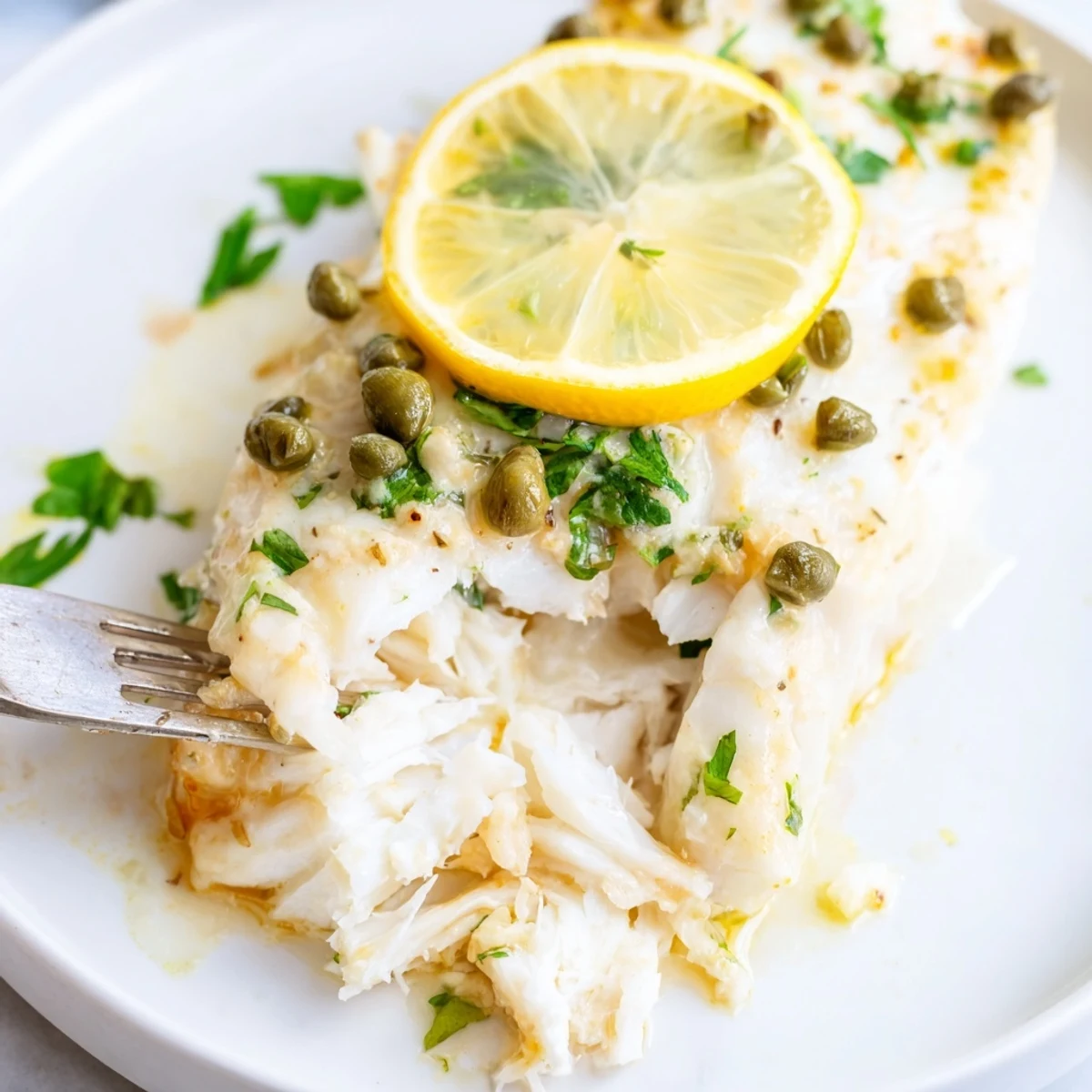
 Enjoy a simple yet elegant main course featuring tender halibut fillets baked gently to retain moisture. A lively sauce made from lemon juice, zest, capers, and fresh herbs adds a bright and zesty finish. This dish pairs perfectly with roasted vegetables or a crisp salad, delivering a light and flavorful meal that’s quick to prepare and pleasing to the palate.
There's something almost magical about the first time halibut hits a hot pan, but I discovered the real magic happens in the oven. A friend from Seattle brought halibut fillets to a dinner I was hosting, and instead of the usual stovetop method, she casually suggested baking it with nothing but lemon and capers. Fifteen minutes later, the fish emerged impossibly tender, with a delicate sweetness I'd never quite captured before.
I made this for my neighbor Sarah one Tuesday night when she mentioned she'd been craving something light and elegant but didn't know where to start. Watching her fork through that first flaky bite, then reaching for her water glass because the brightness of the lemon caught her off guard, I realized this wasn't just dinner—it was the kind of meal that makes someone feel truly cared for.
Ingredients
- Halibut fillets: The star deserves quality; look for bright white flesh without any brown spots or dullness, and don't skip patting them dry—this one step stops them from steaming instead of gently baking.
- Olive oil: Use something you'd taste on its own, since you're not cooking it long enough to mellow it out.
- Lemon zest and juice: Fresh is non-negotiable; bottled lemon juice turns sharp and metallic here.
- Salt and black pepper: Season generously on the fish itself, not just sprinkled over at the end.
- Unsalted butter: Melted warm into the caper sauce, it carries all those tiny briny gems straight into every bite.
- Capers: Rinse them thoroughly to dial back the salt, then pat them dry so they don't release water into your sauce.
- Fresh parsley and garlic: Both go into the sauce raw, so use the freshest you have and mince the garlic fine so it dissolves into flavor rather than sitting as chunks.
Instructions
- Set your oven stage:
- Preheat to 400°F and lightly grease your baking dish—I use a brush and just enough oil to prevent sticking, since the fish will release its own moisture.
- Prepare your halibut:
- Pat the fillets bone-dry with paper towels, then lay them flat in the dish without overlapping. This small moment matters; wet fish doesn't season properly.
- Make the lemon oil:
- Whisk together olive oil, lemon zest, juice, salt, and pepper in a small bowl. The zest suspends in the oil and adds brightness that juice alone cannot.
- Bake gently:
- Pour the mixture over the fish and slide into the oven for 15 to 18 minutes. You'll know it's done when the flesh turns opaque and flakes easily at the thickest point—don't overcook, or you'll lose that tender magic.
- Build your sauce:
- While the fish bakes, melt butter over low heat in a small saucepan. Stir in minced garlic first, letting it warm and soften for about 30 seconds, then add capers, parsley, and mustard if using. The whole sauce takes just a minute or two.
- Finish and serve:
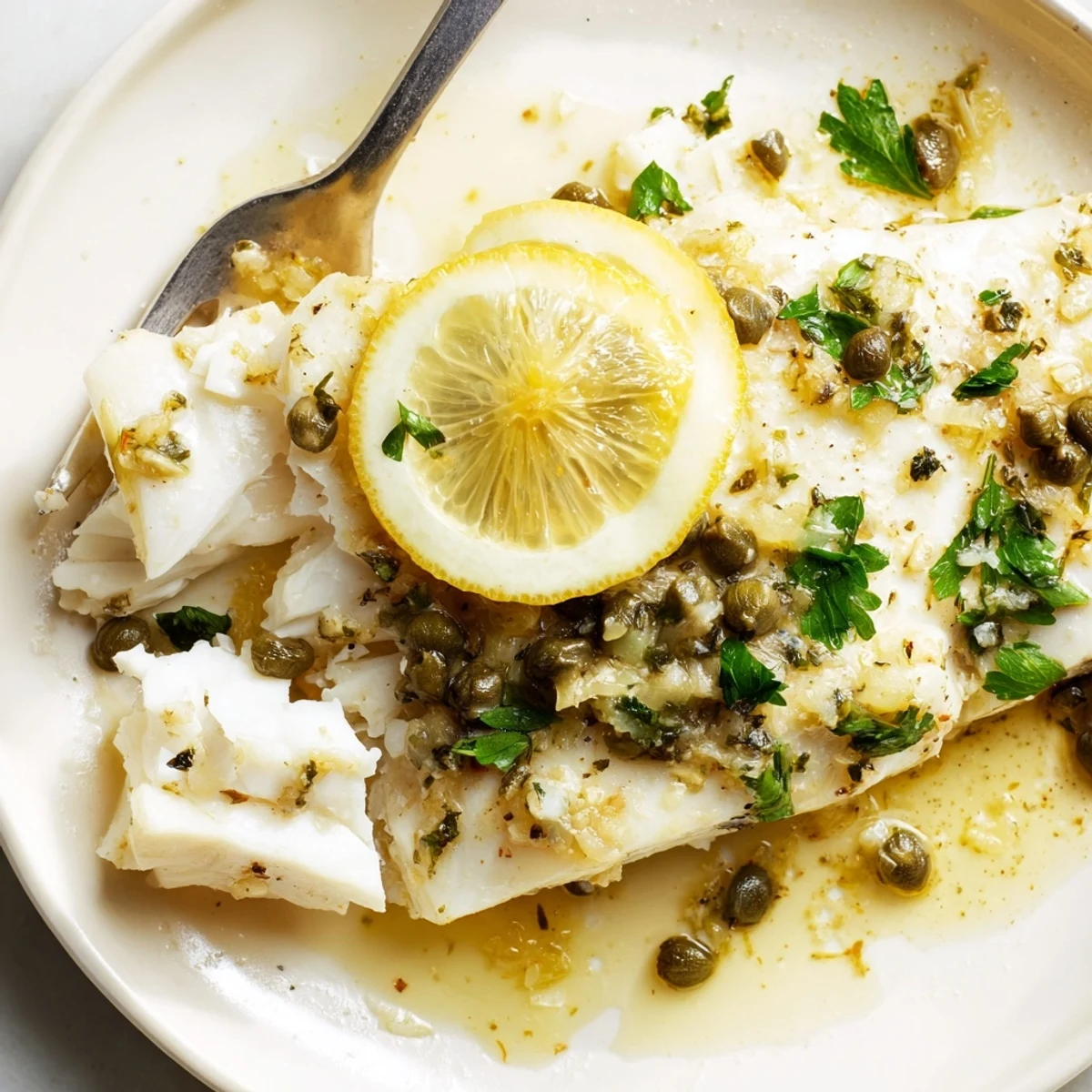
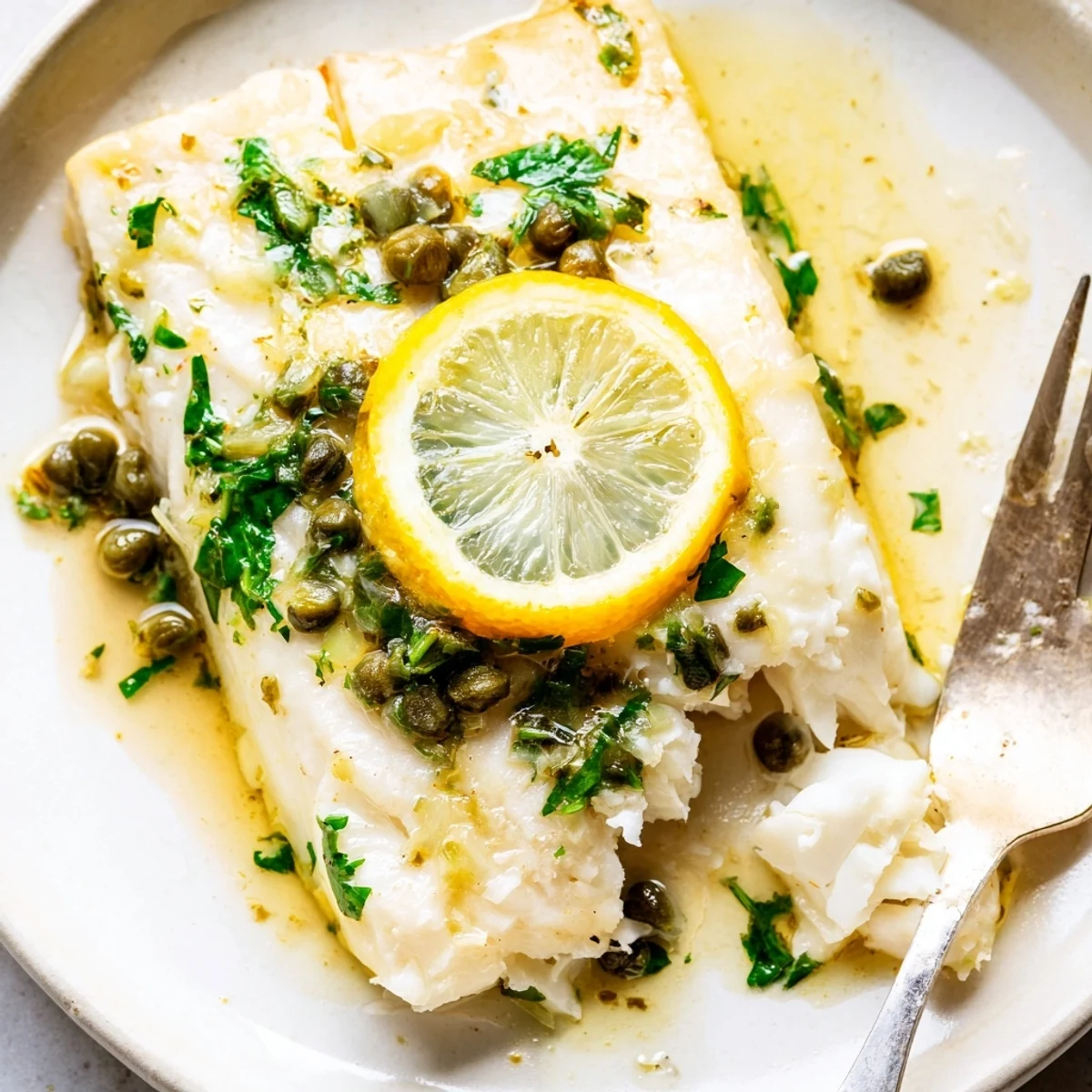
- Pull the halibut from the oven and spoon that warm, buttery caper sauce over each fillet. A few lemon slices on top add both flavor and a restaurant-quality flourish.
 Save Pin
 I served this to my mother on a quiet Sunday in spring, when the kitchen windows were finally open and the smell of baked fish with lemon actually felt like a celebration rather than Tuesday dinner. She asked for the recipe before she'd even finished, and that's when I knew I'd found something special.
Choosing and Storing Your Fish
The quality of your halibut matters more than any technique here. Shop at a market where the fish counter is clearly busy and the air smells like clean ocean, not fishy. Ask the fishmonger when the halibut came in and whether it's been previously frozen—honestly, previously frozen halibut often cooks more evenly than fresh, which sounds counterintuitive until you think about the ice crystals that break down cell walls.
Sides That Deserve a Moment
Steamed asparagus with a touch of garlic feels like the obvious pairing, but I've had luck with roasted potatoes tossed in the same lemon oil you use for the fish, or even a bright arugula salad that picks up the caper's brine. A simple grain like rice or farro soaks up any pan juices beautifully, turning an already elegant plate into something worth remembering.
Variations and Gentle Swaps
Cod and haddock work just as well if halibut isn't available or your budget doesn't allow. Any white fish with a similar thickness will bake in the same time frame. For dairy-free cooking, swap the butter in the sauce for good olive oil warmed gently with the garlic and capers.
- Substitute the Dijon mustard with a small pinch of smoked paprika for earthiness instead of sharpness.
- Add thin slices of fresh red chili to the sauce if you want a gentle heat that won't overwhelm the delicate fish.
- Keep the dish gluten-free by confirming your capers and mustard are labeled safe, then serve with any side you love.
 Save Pin
 This dish has quietly become my go-to when I want to feed people something that feels thoughtful without demanding hours in the kitchen. Once you've made it once, you'll make it again.
Recipe FAQs
- → What type of fish is best for baking?
-
Firm, flaky fish like halibut works wonderfully in baking as it holds its shape and cooks evenly without drying out.
- → How can I make the sauce without butter?
-
Substitute butter with olive oil to keep it dairy-free while maintaining richness and flavor.
- → What sides pair well with this dish?
-
Steamed asparagus, roasted potatoes, or a fresh green salad complement the zesty flavors beautifully.
- → Can I swap halibut for another fish?
-
Yes, cod or haddock are excellent alternatives that also bake well and absorb flavors nicely.
- → How to ensure even cooking of fillets?
-
Arrange fillets in a single layer and avoid overcrowding the baking dish to promote consistent heat distribution.