
 Save Pin
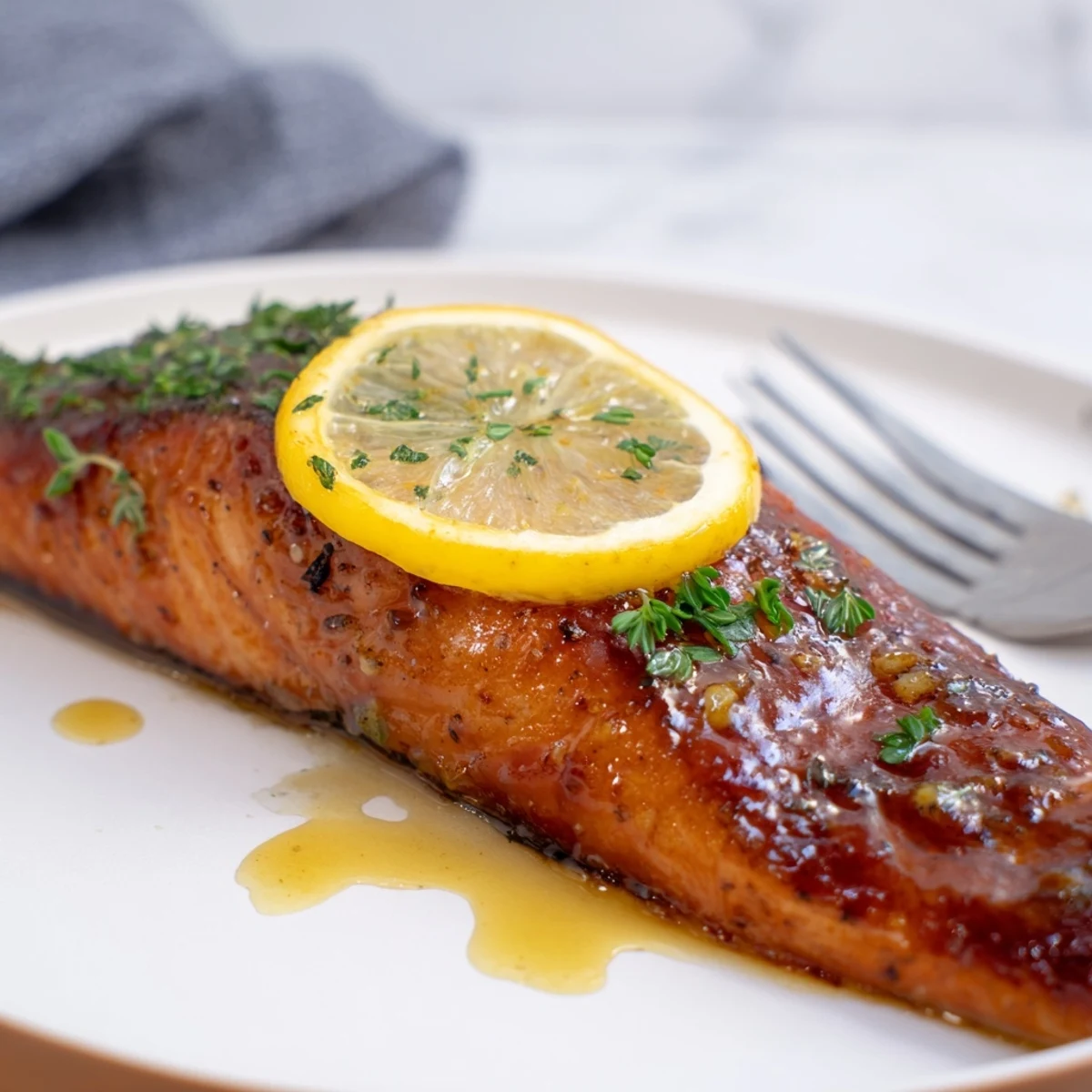
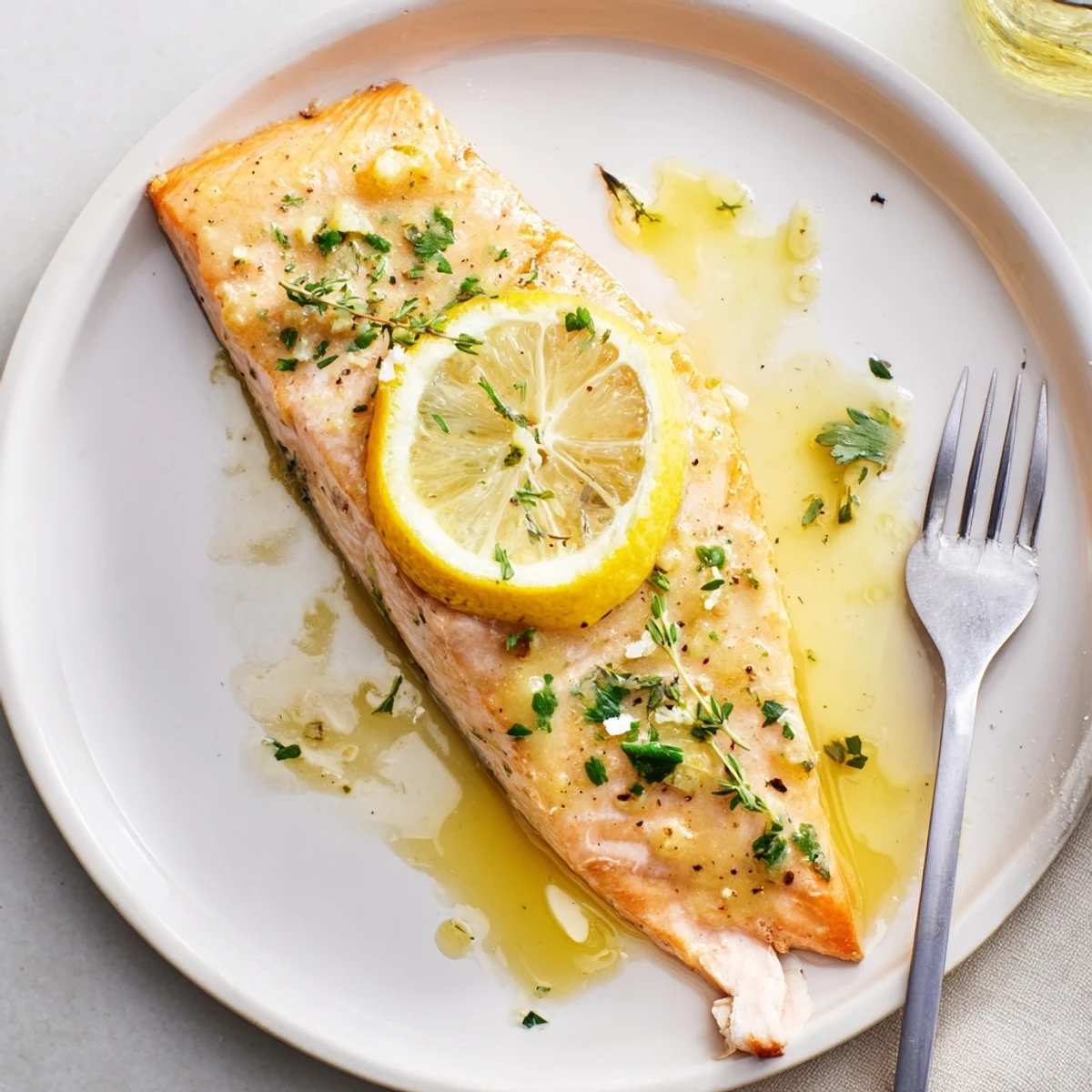
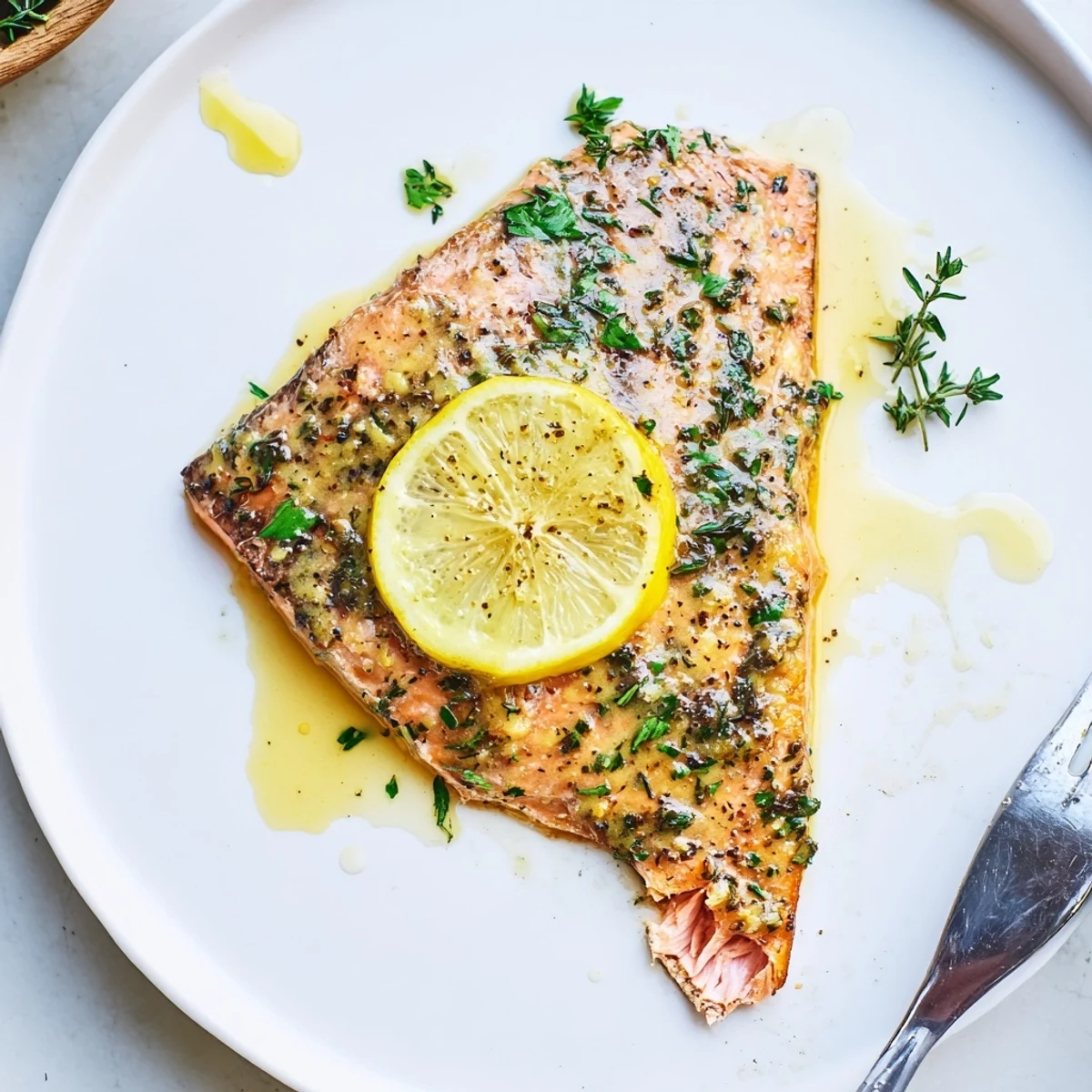
 Tender salmon fillets are brushed with a bright lemon-Dijon glaze studded with minced garlic and thyme, then baked at 200°C (400°F) for 15–18 minutes until flaky. Prep is about 10 minutes and total time is under 30 minutes, ideal for busy evenings.
For deeper flavor, marinate briefly before baking. Top with lemon slices and chopped parsley, and serve alongside steamed vegetables, rice, or a crisp salad. Suitable for gluten-free and pescatarian menus.
The fragrance of lemon and garlic wafting from my oven usually means only one thing: salmon night. It's amazing how quickly this dish comes together, but even better is the way the tangy Dijon and sweet honey cling to the fish, caramelizing just a bit as it bakes. The sound of my whisk scraping the bowl still reminds me of hurried weeknights when dinner needs to be easy yet feel a little special. I might have ended up with zesty dressing splatters on my sleeve more than once, but I'd call that a fair price for bright, tender salmon.
The first time I made this for friends, I remember everyone gathering around the counter, eager to see what was coming from the oven. My cousin tried to 'steal' a lemon slice before the platter even hit the table, claiming she could smell the thyme halfway down the hallway. It was gone before I'd even sat down, and I've been baking this version ever since. Every so often, someone still asks if I brought extra glaze for dipping.
Ingredients
- Salmon fillets: Choose center-cut pieces for even cooking; patting them dry helps the glaze stick and prevents steaming.
- Dijon mustard: Gives the sauce a tangy kick—grainy or smooth both work, but check for mustard allergies.
- Olive oil: Use a good extra-virgin kind, which helps the glaze hold and adds richness.
- Lemon juice & zest: Fresh makes all the difference here, and grating zest right into the bowl releases extra oil and aroma.
- Garlic: Three cloves will perfume the whole kitchen; mince it finely for even distribution.
- Honey: Optional but just a teaspoon transforms the glaze; maple syrup works in a pinch, or you can leave it out for sugar-free simplicity.
- Thyme: Fresh thyme leaves brighten everything, but dried is an easy backup; don't skip this if you can help it.
- Salt & pepper: Simple, but don't be shy—they're essential to bring every flavor into focus.
- Lemon slices & parsley: The slices bake into gentle garnish, and fresh parsley adds a pop of green for serving.
Instructions
- Prep your oven and tray:
- Heat your oven to 200°C (400°F) and line a baking sheet with parchment for the easiest cleanup.
- Make the lemon Dijon glaze:
- Whisk together Dijon mustard, olive oil, lemon juice and zest, minced garlic, honey, thyme, salt, and black pepper until glossy and aromatic.
- Arrange the salmon:
- Lay the salmon fillets skin-side down if using, pat them dry, and nestle them on the prepared tray spaced a little apart.
- Generously brush and top:
- Spoon or brush the glaze over each fillet, making sure to cover the sides, and place a lemon slice on top of each.
- Bake to perfection:
- Slide the tray into the oven and bake 15–18 minutes, until the salmon flakes easily and turns opaque, with golden edges on the glaze.
- Final touches:
- Scatter chopped parsley before serving if you like, and serve immediately while it's piping hot and fragrant.
 Save Pin
 One evening I cooked this after a long, rainy day, and just as I opened the oven, the whole kitchen felt lighter. The citrusy steam chased away any gloom, and my partner ended up eating straight off the tray before we could even plate up properly. It's funny how the right meal can turn a mood around faster than you'd expect. Every time I see a lemon now, I remember that cozy night in.
The Power of Prepping Ahead
Mixing the glaze in advance and letting the salmon marinate for even twenty minutes amplifies all the flavors. On particularly busy nights, I make the sauce during lunch and store it in the fridge, ready to go. The flavors seem to mingle and mellow in the best way. There's something deeply satisfying about having everything ready before the oven is even warm.
Choosing Your Salmon
I learned that picking skin-on fillets helps keep the salmon moist and makes it easier to serve, even if you don't eat the skin. Farmed or wild both work—whatever’s freshest. Thicker pieces cook more evenly, but watch the time if yours are thinner. If your fillets feel damp from packaging, a paper towel pat-down is well worth the extra moment.
Serving Suggestions and Pairings
This salmon loves to be the star, but round it out with fluffy rice or roasted vegetables for a fuller plate. A chilled glass of Chardonnay is never unwelcome here, but sparkling water with lemon feels just as refreshing. If you have leftovers, it's just as lovely over salad greens the next day.
- Don’t skip the fresh lemon slices—they bake into tangy little jewels.
- If you want bolder flavors, add more garlic or a pinch of chili flakes.
- Always let your salmon rest for a minute out of the oven so juices settle.
 Save Pin
 Even simple dinners can surprise you with just a few good ingredients and the right recipe. I hope this salmon earns a spot in your own kitchen lineup—it's one of those quiet triumphs you'll want to make again soon.
Recipe FAQs
- → How do I know when the salmon is done?
-
The fish is done when it flakes easily with a fork and reaches an internal temperature of about 63°C (145°F). Fillets will turn opaque and begin to separate into flakes.
- → Can I use skin-on fillets?
-
Yes. Bake skin-side down; the skin helps protect the flesh and can be removed after cooking if preferred. It also crisps nicely if exposed to higher heat briefly.
- → What's a good substitute for honey?
-
Use maple syrup or omit sweetener for a sugar-free finish. A touch of maple keeps the glaze glossy and balances the mustard and lemon.
- → Can I prepare the glaze ahead of time?
-
Yes. Whisk the lemon-Dijon mix up to a day ahead and refrigerate. Bring it to room temperature before brushing onto the fillets for even coating.
- → Any tips for more intense lemon flavor?
-
Grate extra lemon zest into the glaze or add a splash more lemon juice. Finishing with thin lemon slices on each fillet during baking concentrates citrus aroma.
- → What should I serve with this salmon?
-
Pair with steamed vegetables, herbed rice, or a light green salad. A chilled Chardonnay or Sauvignon Blanc complements the lemon and mustard notes well.