
 Save Pin
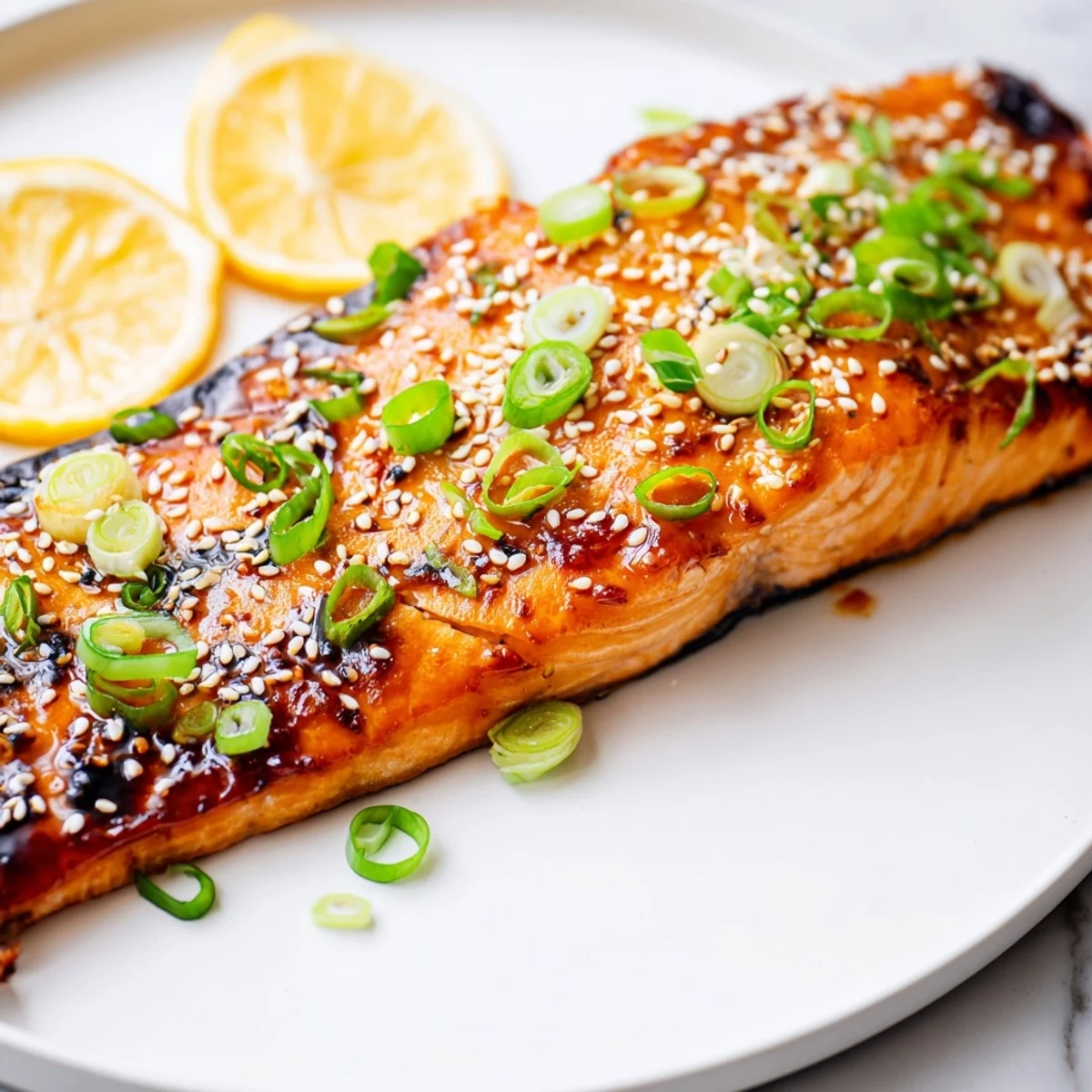
 This dish features tender salmon fillets oven-baked to perfection, dressed in a rich teriyaki glaze blending soy sauce, honey, garlic, and ginger. The glaze is simmered until thickened then brushed over the salmon before baking, imparting a sweet and savory flavor that complements the natural richness of the fish. Garnished with toasted sesame seeds, sliced green onions, and lemon wedges, it’s an easy yet elegant main course that can be served with steamed rice or sautéed veggies.
The cooking process takes about 20 minutes after a quick prep, making it ideal for weeknight meals. Adjust sweetness by swapping honey for maple syrup or add chili flakes for subtle heat. For gluten-free options, tamari replaces soy sauce. This dish offers balanced nutrition with lean protein and a delicious Asian-inspired palette in every bite.
I used to think teriyaki was something you could only get from a bottle until one rainy Tuesday when I had fresh salmon and a pantry full of basics. The glaze bubbled on the stove, filling the kitchen with garlic and ginger, and I realized I'd been missing out on something simple all along. That first bite, glossy and caramelized at the edges, changed weeknight dinners for good.
I made this for my neighbor who swore she didnt like fish, and she scraped her plate clean without a word. Later she texted asking for the recipe, and I knew I had something worth keeping. Its become my go-to when I want to impress without the stress, because the glaze does all the heavy lifting.
Ingredients
- Salmon fillets: I prefer skin-on because it crisps up nicely, but skinless works just as well if thats what you have, and either way the fish stays moist in the oven.
- Olive oil: Just enough to help the seasoning stick and keep the surface from drying out while it bakes.
- Salt and black pepper: A light hand here lets the glaze shine, but dont skip it or the fish tastes flat.
- Soy sauce: The backbone of the glaze, and low sodium gives you control over the saltiness without overpowering everything else.
- Honey: It caramelizes beautifully under the broiler, and the sweetness balances the salty soy in a way that feels just right.
- Brown sugar: Adds a deeper molasses note that makes the glaze taste richer and more complex than honey alone.
- Rice vinegar: A splash of brightness that cuts through the sweet and keeps the glaze from feeling heavy.
- Mirin: Optional but worth it for that subtle sake sweetness, though Ive skipped it plenty of times and no one noticed.
- Sesame oil: A little goes a long way, and it adds that toasted nutty aroma that smells like a restaurant kitchen.
- Garlic and ginger: Fresh is best here, the kind that sticks to your fingers and perfumes the whole sauce as it simmers.
- Cornstarch slurry: The trick to a glaze that clings instead of runs off, and it thickens in seconds once you stir it in.
- Sesame seeds and green onions: Not just pretty, they add crunch and a fresh bite that makes each forkful feel complete.
Instructions
- Prep the oven and salmon:
- Preheat to 400 degrees and line your baking sheet so cleanup is painless. Pat the fillets dry with paper towels, rub them with olive oil, and season both sides with salt and pepper before arranging them skin-side down.
- Simmer the glaze:
- Combine soy sauce, honey, brown sugar, rice vinegar, mirin, sesame oil, garlic, and ginger in a small saucepan over medium heat. Let it bubble gently, stirring occasionally, until the sugar dissolves and the kitchen smells incredible.
- Thicken it up:
- Mix the cornstarch with cold water until smooth, then stir it into the simmering sauce. Cook for two to three minutes, watching it turn glossy and thick enough to coat the back of a spoon, then remove from heat.
- Glaze the fillets:
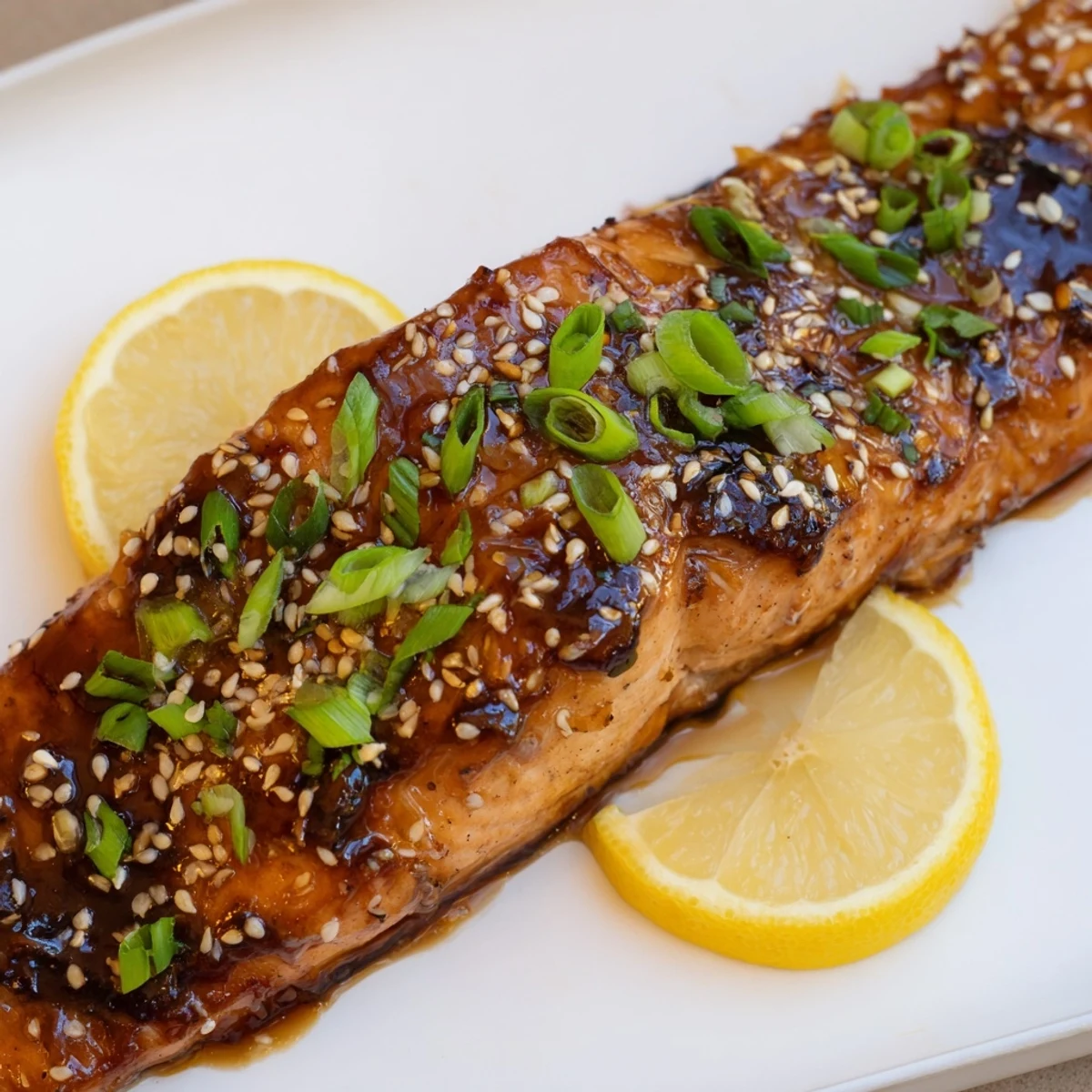
- Brush each piece of salmon generously with the teriyaki, saving some in the pan for later. The glaze should pool slightly around the edges and coat every surface.
- Bake and broil:
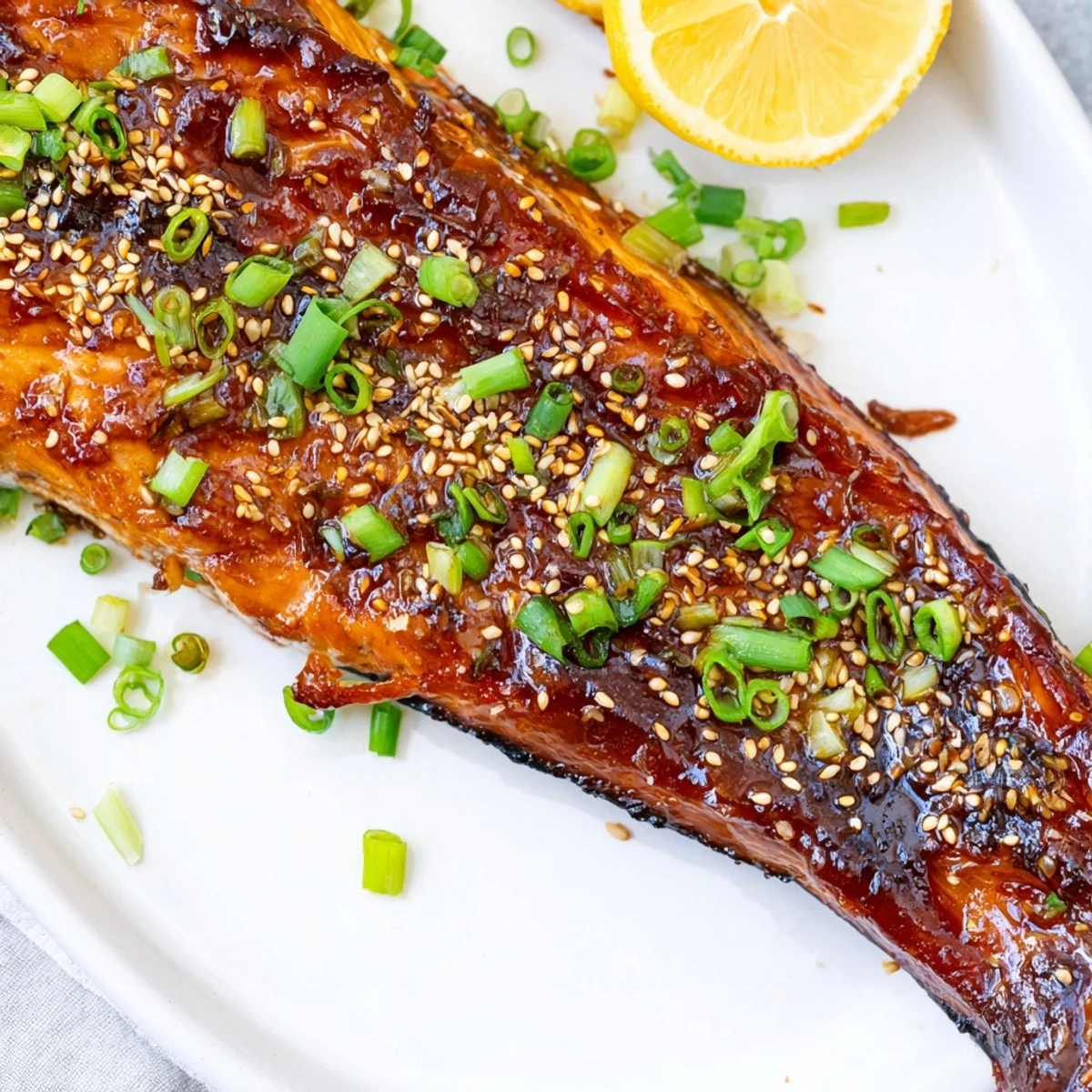
- Slide the baking sheet into the oven for twelve to fifteen minutes, until the salmon flakes easily with a fork. For caramelized edges, switch to broil for one to two minutes, but watch it closely so it doesnt burn.
- Finish and serve:
- Drizzle the reserved glaze over the top, scatter sesame seeds and green onions, and tuck lemon wedges on the side. Serve it hot while the glaze is still shiny.
 Save Pin
 The first time I served this with a big bowl of steamed rice and snap peas, my partner looked up mid-bite and said it tasted like the kind of dinner you plan for, not the kind you throw together on a Wednesday. I didnt have the heart to tell him how easy it was, so I just smiled and accepted the compliment.
Serving Suggestions
I love this with jasmine rice to soak up the extra glaze, or quinoa if Im pretending to be healthy. Sauteed bok choy or broccolini on the side adds color and crunch, and sometimes I just roast whatever vegetables are wilting in the cridge drawer. A crisp cucumber salad with rice vinegar keeps things light and refreshing.
Customizing the Glaze
Maple syrup swaps in perfectly for honey if thats what you have, and it gives the glaze a slightly earthier sweetness. For heat, a pinch of chili flakes or a drizzle of sriracha stirred into the sauce wakes everything up without overwhelming the fish. If youre avoiding gluten, tamari works just as well as soy sauce, and Ive never noticed a difference in flavor.
Storage and Reheating
Leftovers keep in an airtight container in the fridge for up to three days, and the glaze firms up when cold but melts again when you reheat it. I warm individual portions in a covered skillet over low heat with a splash of water, or sometimes I just eat it cold over salad greens and call it lunch. The flavors deepen overnight, so day-two salmon might actually be better than the first.
- Store extra glaze separately so you can brush it on when reheating for a fresh glossy finish.
- Frozen cooked salmon works in a pinch, just thaw it gently in the fridge overnight.
- If youre meal prepping, bake the salmon plain and add the glaze right before serving so it doesnt get soggy.
 Save Pin
 This recipe taught me that homemade doesnt have to mean complicated, and sometimes the simplest things become the ones you make over and over. I hope it becomes one of those for you too.
Recipe FAQs
- → What type of salmon works best for this dish?
-
Fresh or thawed skin-on or skinless salmon fillets both work well, providing tender, flaky results when baked evenly.
- → Can I prepare the teriyaki glaze ahead of time?
-
Yes, the glaze can be made in advance and refrigerated for up to 2 days; reheat gently before brushing over the salmon.
- → How do I get a caramelized finish on the salmon?
-
After baking, broil the salmon for 1-2 minutes to caramelize the glaze and add a rich, slightly crisp top.
- → What are suitable side dishes to serve alongside?
-
Steamed rice, sautéed vegetables, or crisp salads complement the flavors and add variety to the meal.
- → How can I make this dish gluten-free?
-
Substitute soy sauce with tamari and ensure other ingredients are free from gluten-containing additives.