
 Save Pin
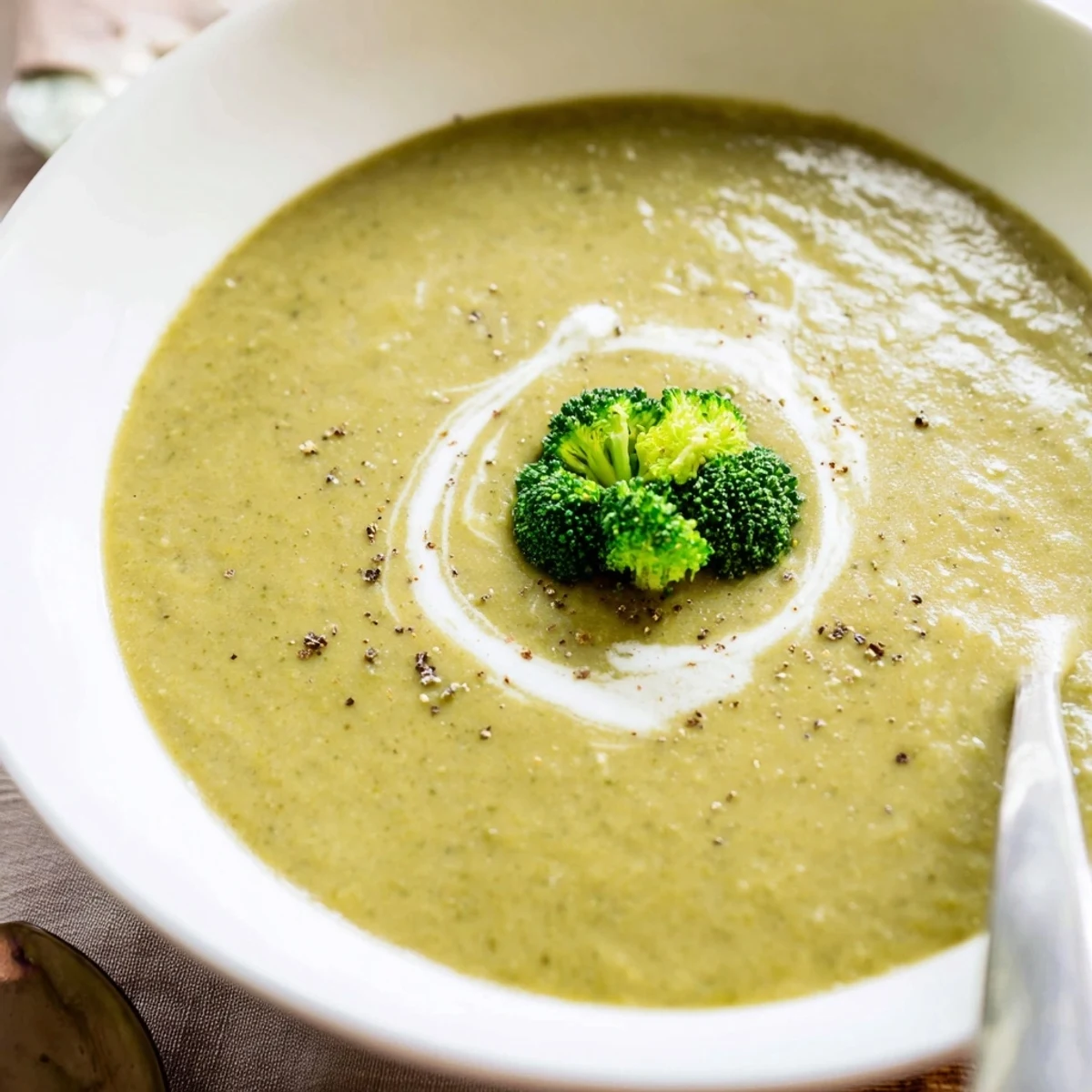
 This velvety broccoli and potato soup begins by sautéing onion and garlic in olive oil, then adding diced potato and broccoli to simmer in vegetable broth until very tender. Purée until silky, stir in cream or a plant-based alternative, season with salt, pepper and a touch of nutmeg, and heat gently. Ready in about 35 minutes; serve with crusty bread or toasted seeds.
The rain was hammering against the kitchen window so hard that Tuesday afternoon that even the dog refused to go outside, and somehow that weather made a pot of broccoli soup feel like the only reasonable response to the universe. I had a head of broccoli that had seen better days and exactly zero motivation to cook anything complicated. What started as a desperate fridge clearing turned into the silkiest, most comforting bowl of green I have ever made.
My friend Marta stopped by unexpectedly that evening, damp and grumbling about the weather, and she sat at the kitchen counter watching me blend the soup while steam fogged up the window behind me. She took one sip, closed her eyes, and said absolutely nothing for about ten seconds, which from Marta is the highest compliment physically possible.
Ingredients
- Broccoli florets 500 g: The star of the show and fresher is always better here since older broccoli can taste slightly bitter once blended.
- Onion 1 medium chopped: A quiet background sweetness that holds everything together without demanding attention.
- Potato 1 medium peeled and diced: This is the secret to that velvety texture without needing to load up on cream.
- Garlic 2 cloves minced: Just enough to give the soup a gentle warmth without overpowering the broccoli.
- Vegetable broth 800 ml: A good quality broth makes a huge difference so taste yours before adding it.
- Cream 150 ml: Adds a gentle richness at the end and you can absolutely swap this for coconut cream or oat cream if you prefer.
- Olive oil 1 tbsp: For sautéing the aromatics and building that first layer of flavor.
- Salt and black pepper: Season gradually and taste as you go because broths vary widely in saltiness.
- Nutmeg a pinch: Entirely optional but a tiny grating adds a warmth that makes people wonder what your secret is.
Instructions
- Wake up the aromatics:
- Warm the olive oil in a large saucepan over medium heat and add the onion and garlic, stirring until they soften and fill your kitchen with that unmistakable sweet savoury fragrance, about three minutes.
- Build the base:
- Toss in the diced potato and broccoli florets, stirring to coat them in the oil and letting them cook together for two minutes so the edges just begin to soften.
- Let everything simmer:
- Pour in the vegetable broth, bring it to a boil, then lower the heat, cover the pot, and let it all gently simmer for fifteen to eighteen minutes until the vegetables yield easily when pressed with a spoon.
- Blend until silky:
- Take the pot off the heat and use an immersion blender to puree everything until perfectly smooth, or work carefully in batches with a countertop blender if that is what you have.
- Finish with richness:
- Stir in the cream and that pinch of nutmeg if you are using it, warming everything through gently without letting it boil so the cream stays sweet and smooth.
- Season and serve:
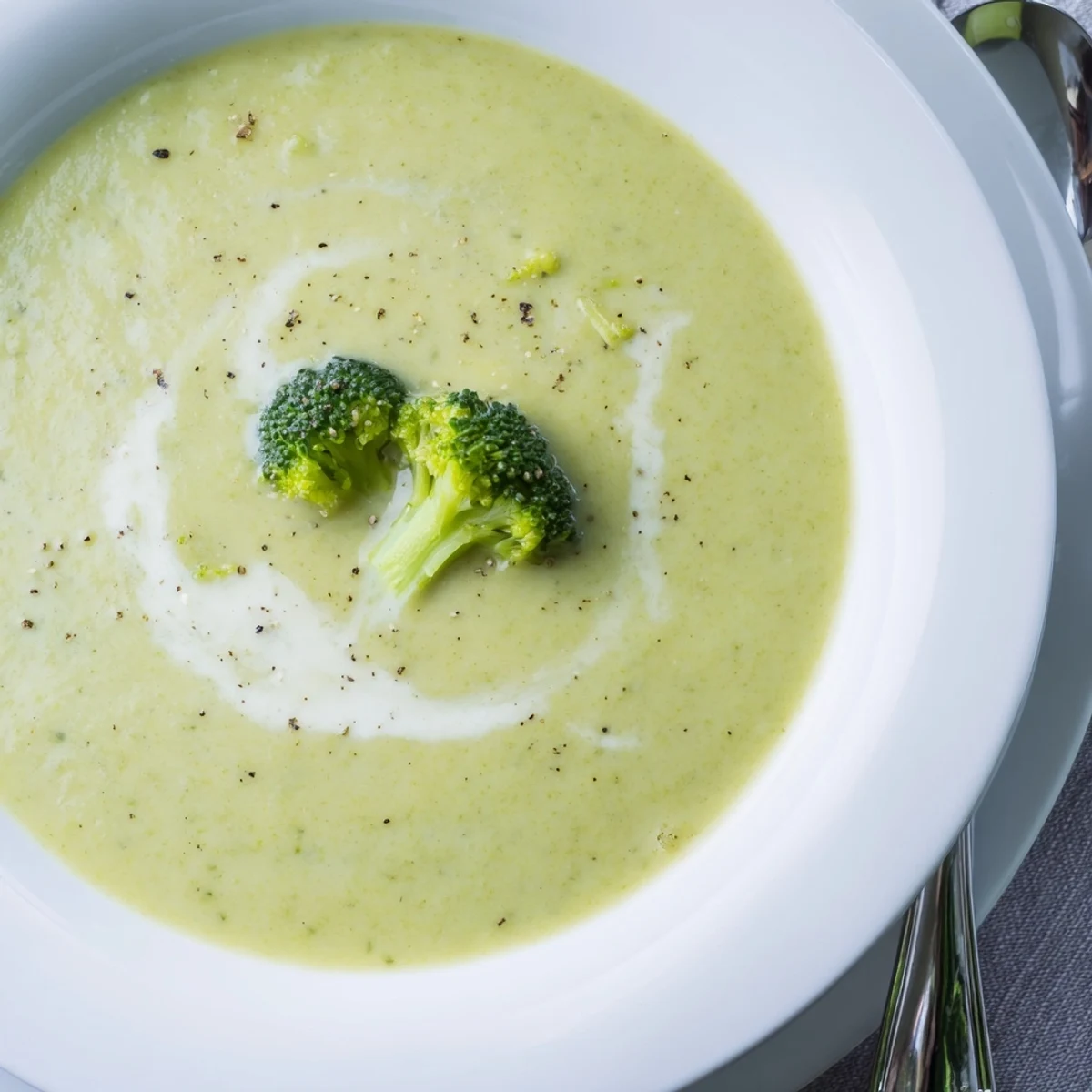
- Taste for salt and pepper, adjust as needed, then ladle into warm bowls and finish with a swirl of cream or a few reserved broccoli florets if you want to look fancy.
 Save Pin
 That evening with Marta turned into a standing Tuesday soup tradition that lasted through the entire winter, and this broccoli soup showed up more often than any other recipe in my rotation.
What to Serve Alongside
A thick slice of sourdough toasted with a little cheese on top turns this soup into a complete meal that feels far more indulgent than it actually is. Crumbled toasted seeds sprinkled over the surface add a nutty crunch that contrasts beautifully with the smooth texture.
Making It Your Own
Throwing in a handful of spinach right at the end of cooking boosts both the color and the nutrients without changing the flavor much at all. A squeeze of lemon juice stirred in at the very end can brighten everything up on days when the soup feels a little too heavy.
Storing and Reheating
This soup keeps beautifully in the fridge for up to three days and actually tastes better the next day when the flavors have had time to settle together. It freezes well too, though I recommend adding the cream only after thawing and reheating for the best texture.
- Let the soup cool completely before transferring to containers to prevent condensation from making it watery.
- Reheat gently on the stove over low heat rather than using a microwave for the smoothest result.
- Always taste and re season after reheating because salt and pepper can mellow considerably during storage.
 Save Pin
 Some recipes earn their place in your kitchen through grand occasions, but this one earned mine on a rainy Tuesday with nothing special happening at all. Sometimes the best dishes are the ones that find you when you are not even trying.
Recipe FAQs
- → How can I make this dairy-free?
-
Replace the cream with a plant-based cream or full-fat coconut milk. Add it at the end and heat gently to preserve a smooth mouthfeel without curdling.
- → What gives the soup a silky texture?
-
Cook the potato until very soft and blend thoroughly while the mixture is hot. Using an immersion blender or a high-speed countertop blender yields the smoothest result; a little fat (cream or oil) helps emulsify the puree.
- → How do I adjust thickness?
-
For a thicker finish, use a little more potato or simmer longer to reduce the broth. To thin, whisk in additional vegetable broth or milk until you reach the desired consistency.
- → What are the best reheating and storage methods?
-
Cool quickly and refrigerate in an airtight container for up to 3 days, or freeze for up to 3 months. Reheat gently over low heat, stirring and adding a splash of broth or water if it has thickened.
- → Can I add leafy greens?
-
Yes. Stir a handful of baby spinach in at the end of cooking and wilt briefly before blending, or add chopped kale earlier and cook until tender. Adjust seasoning as greens can alter the flavor.
- → What garnishes complement the flavors?
-
Try a swirl of cream or olive oil, toasted seeds, fresh chives, lemon zest, or crispy croutons to add texture and brightness.