
 Save Pin
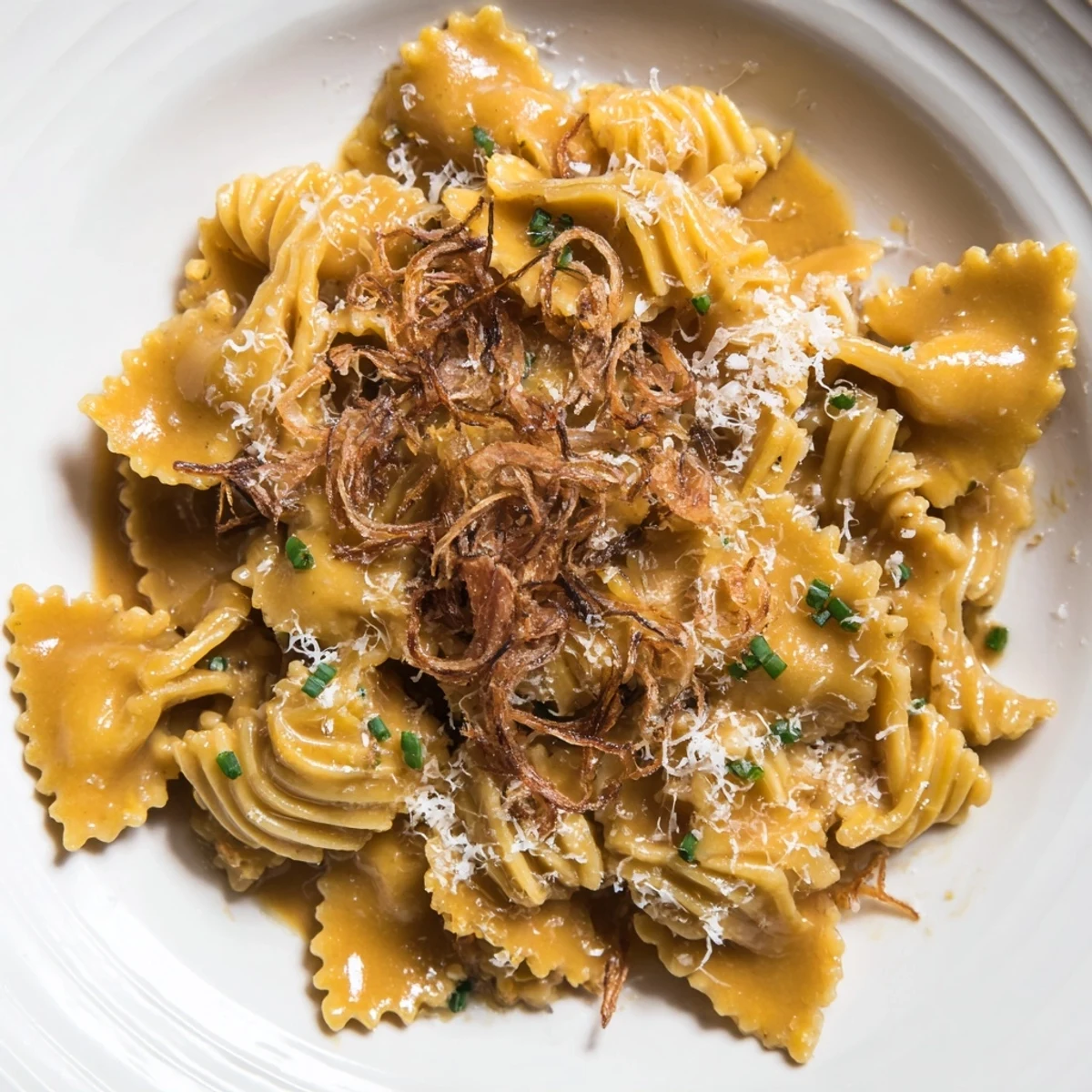
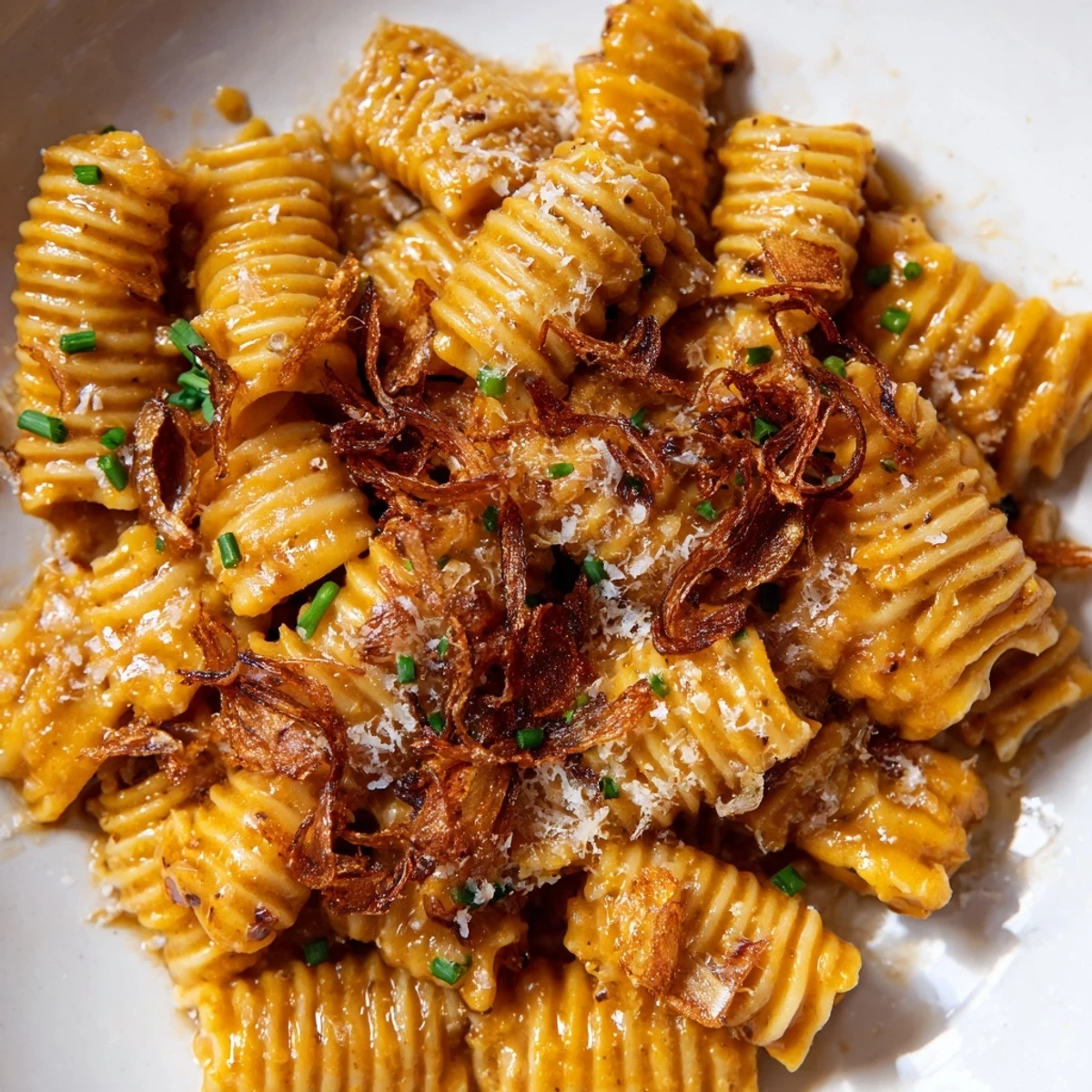
 This fusion pasta brings together Italian and Japanese flavors in one luxurious dish. Radiatori pasta gets coated in a glossy sauce made from nutty brown butter whisked with umami-packed miso paste and sweet roasted garlic.
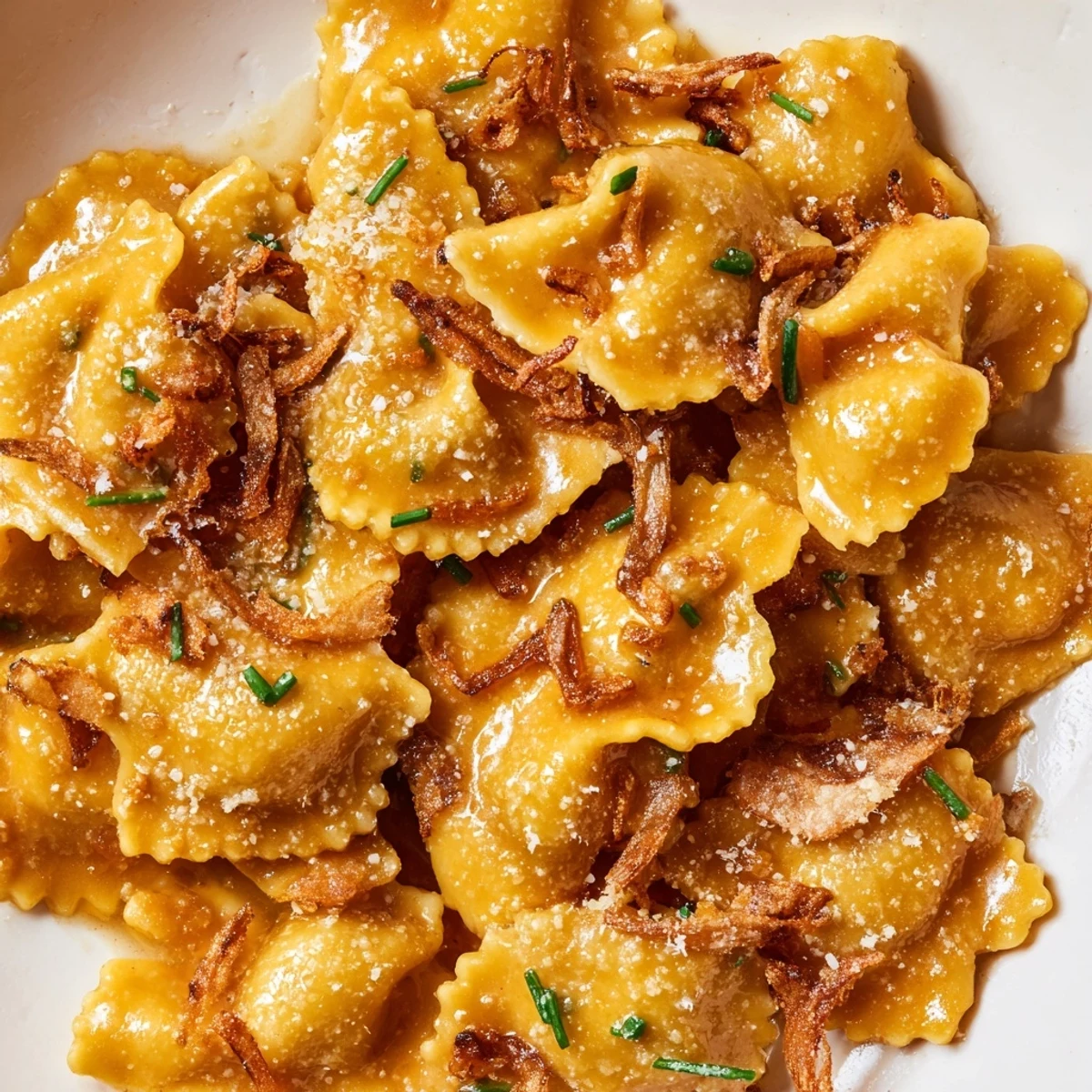
The crispy fried shallots on top add a satisfying crunch that contrasts beautifully with the silky sauce. A generous shower of Parmesan and optional fresh herbs complete the plate.
Ready in about an hour, it serves four and hits that sweet spot between weeknight comfort and dinner-party elegance. Pair it with a crisp Sauvignon Blanc for the full experience.
The smell of brown butter hitting miso is one of those kitchen moments that makes you stop whatever you are doing and just breathe. I stumbled onto this combination on a rainy Tuesday when the fridge was nearly empty and desperation led to genius. Roasted garlic and crispy shallots joined the party because, honestly, everything is better with both. This pasta has since become my unofficial dinner party secret weapon.
My friend David, who normally eats like a picky five year old, went back for thirds the night I served this. He kept asking what the secret ingredient was, and I just smiled and poured him more wine. Some kitchen tricks are better left unexplained.
Ingredients
- 400 g radiatori pasta: Those little ruffled shapes are not just pretty, they catch and hold sauce like nothing else.
- 1 large head garlic: Roasting transforms it from sharp and pungent into something deeply sweet and spreadable.
- 100 g unsalted butter: You need the full amount here because browning concentrates the flavor and you want enough sauce to coat every strand.
- 2 tbsp white or yellow miso paste: This is your umami bomb and it melts into the brown butter like a dream.
- 2 large shallots, thinly sliced: Fried until golden, they become the crunchy crown this dish deserves.
- 1/2 cup neutral oil: Canola or grapeseed work best for shallow frying the shallots without adding competing flavors.
- 1/4 cup grated Parmesan cheese, plus extra for serving: Freshly grated melts into the sauce beautifully and adds a salty, savory depth.
- 1 tbsp olive oil: Just enough to coat the garlic head before roasting.
- 1 tbsp lemon juice (optional): A squeeze at the end wakes up all the rich flavors and cuts through the butter.
- Freshly ground black pepper, to taste: Do not skip this, it adds a gentle heat that ties everything together.
- Chopped fresh parsley or chives (optional): A scatter of green on top makes it look as good as it tastes.
- Salt, for pasta water: Season the water well because this is your one chance to flavor the pasta itself.
Instructions
- Roast the garlic until soft and golden:
- Preheat your oven to 200 degrees C (400 degrees F). Slice the top off the garlic head, drizzle with olive oil and a pinch of salt, wrap it tightly in foil, and let it roast for 30 to 35 minutes until the cloves are soft and caramelized. Cool slightly, then squeeze the cloves out and mash them into a paste with the back of a fork.
- Fry the shallots until crispy:
- Heat the neutral oil in a small saucepan over medium heat. Add the sliced shallots in small batches and fry, stirring often, until they turn a deep golden brown, about 3 to 5 minutes per batch. Scoop them out with a slotted spoon onto paper towels and sprinkle immediately with salt while they are still hot.
- Cook the pasta to al dente perfection:
- Bring a large pot of generously salted water to a rolling boil and cook the radiatori according to the package directions. Before draining, scoop out a full cup of the starchy pasta water and set it aside, because you will need it to build the sauce.
- Brown the butter until nutty and fragrant:
- In a large skillet, melt the butter over medium heat and let it cook without rushing it. Stir gently as it foams and watch for the moment it turns a warm amber color and smells like toasted hazelnuts, about 3 to 4 minutes.
- Build the sauce with miso and garlic:
- Reduce the heat to low and add the miso paste and mashed roasted garlic to the brown butter. Whisk everything together vigorously until the miso dissolves and the garlic incorporates into a smooth, fragrant base.
- Toss and coat the pasta:
- Add the drained pasta directly to the skillet and toss it through the sauce with confidence. Sprinkle in the Parmesan and a splash of the reserved pasta water, stirring until a glossy, clinging sauce forms. Add the lemon juice if you are using it, finish with black pepper, and adjust the consistency with more pasta water as needed.
- Plate and finish with flair:
- Divide the pasta among warmed plates or shallow bowls. Pile the crispy shallots on top, shower with extra Parmesan, and scatter fresh herbs over everything if you have them handy.
 Save Pin
 I once packed the leftovers for lunch the next day and ate them cold at my desk, and honestly, it was still incredible. Some foods just have that kind of staying power.
Picking the Right Miso
White miso is milder and slightly sweeter, which lets the brown butter shine front and center. Yellow miso sits right in the middle and adds a bit more depth without overwhelming the dish. I would avoid red miso here because its intensity can bulldoze the delicate roasted garlic flavor you worked so hard to develop.
Making It Your Own
Sauteed mushrooms folded in at the end add an earthy dimension that pairs beautifully with the umami from the miso. A handful of wilted spinach or some blistered cherry tomatoes bring freshness and color without much extra effort. The recipe bends easily, so trust your instincts and use whatever needs using up in your fridge.
Serving and Pairing Thoughts
A glass of crisp Sauvignon Blanc alongside this pasta is honestly a match made in heaven because the acidity cuts right through the richness. If you are not a wine person, sparkling water with a squeeze of lemon does something surprisingly similar. Serve this with a simple green salad dressed in nothing more than olive oil and lemon, and you have a complete meal that feels far fancier than the effort required.
Warm plates make a real difference here because the sauce stays glossy and loose instead of seizing up as it cools.
Toss the pasta and sauce together off the heat if your skillet retains a lot of residual warmth, which prevents the butter from breaking.
Always make extra crispy shallots because people will snack on them before dinner even starts and you need enough left for the actual plating.
 Save Pin
 This is the kind of recipe that reminds you how a few humble ingredients, treated with a little care and attention, can become something truly memorable. Share it with someone you love, or keep it all to yourself.
Recipe FAQs
- → What type of miso paste works best for this pasta?
-
White or yellow miso paste is ideal here. They have a milder, slightly sweet flavor that blends seamlessly with the brown butter without overpowering the roasted garlic. Red miso can work too, but it will deliver a stronger, saltier punch.
- → Can I use a different pasta shape?
-
Absolutely. Fusilli, rigatoni, or cavatappi are excellent substitutes. The key is choosing a shape with ridges or curves that hold onto the sauce — that's what makes radiatori so perfect for this dish.
- → How do I know when the butter is properly browned?
-
Watch for the butter to foam up, then quiet down. You'll see small brown specks forming at the bottom of the pan and smell a distinct nutty, toasty aroma. This usually takes 3 to 4 minutes over medium heat. Remove it from heat immediately once it reaches this point to prevent burning.
- → Can I make the crispy shallots ahead of time?
-
Yes, crispy shallots can be prepared a day in advance. Store them in an airtight container at room temperature. If they lose their crunch, reheat them briefly in a dry skillet over low heat for a minute or two.
- → Is there a vegan version of this dish?
-
You can swap the butter for a high-quality vegan butter and use vegan Parmesan. Double-check that your miso paste is vegan-friendly, as some varieties contain dashi. The result will still be rich and deeply satisfying.
- → What wine pairs well with brown butter miso pasta?
-
A crisp, dry white wine like Sauvignon Blanc or Pinot Grigio cuts through the richness beautifully. The acidity balances the nutty butter and umami miso, cleansing the palate between bites.
- → Why reserve pasta water for the sauce?
-
Pasta water is full of starch, which helps the miso and butter emulsify into a smooth, glossy coating rather than a greasy pool. Add it in small splashes until the sauce reaches your desired consistency.