
 Save Pin
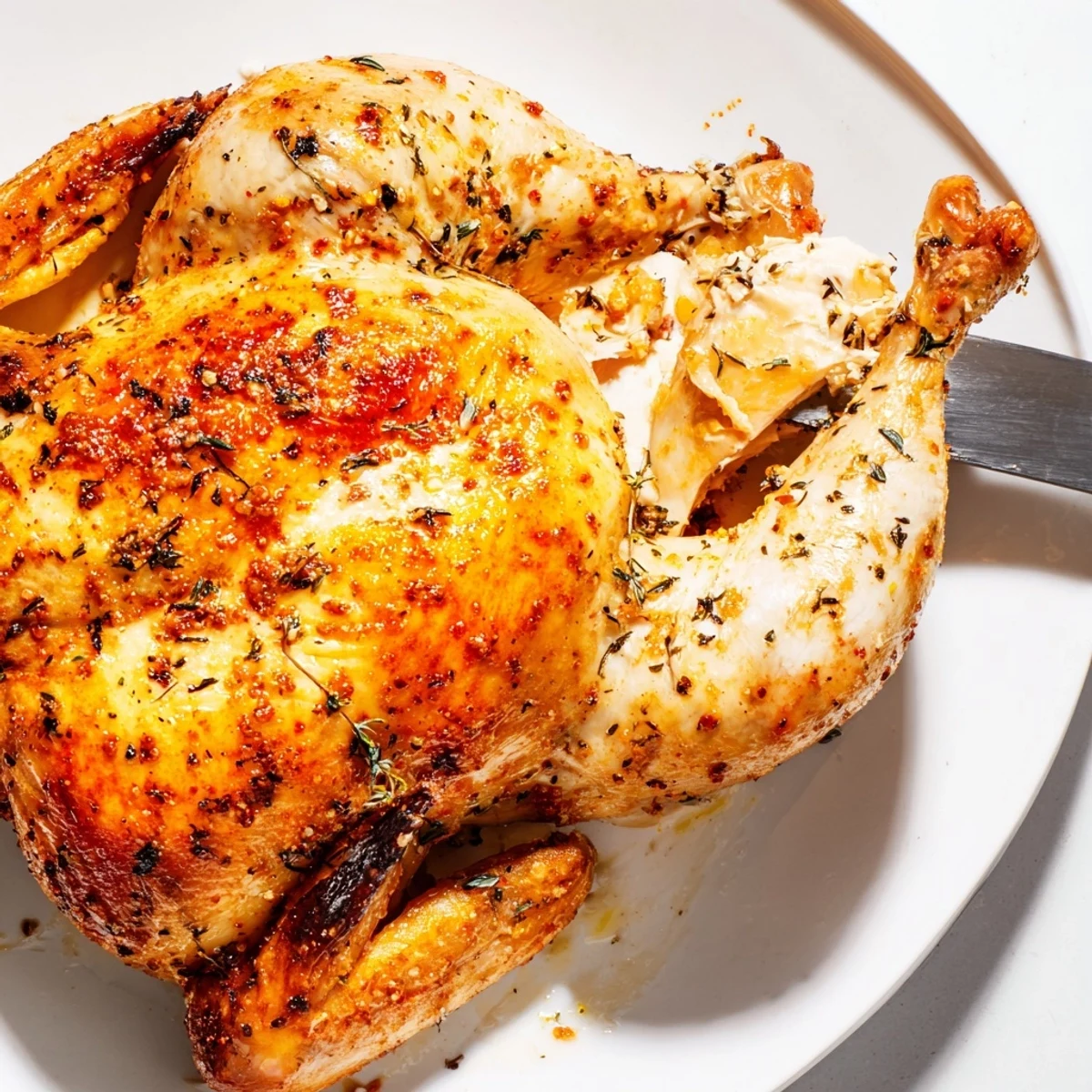
 Buttermilk soak tenderizes a spatchcocked or cut chicken overnight while garlic, paprika and thyme build flavor. Drain and pat dry, brush with olive oil and roast at 425°F (220°C) on a rack until skin is deep golden and the internal temperature reads 165°F (74°C). Let rest 10 minutes before carving and garnish with fresh herbs.
The sizzle of chicken hitting a hot pan on a Sunday afternoon is one of those sounds that instantly makes a kitchen feel like home. My neighbor Clara once brought over a jar of her homemade buttermilk, insisting I try roasting a whole bird in it, and I have never looked back since that experiment. The tang of the milk tenderizes every fiber while creating this unbelievable golden crust that crackles under your knife. It is the kind of dish that turns an ordinary weekend into something worth remembering.
I made this for a friend who claimed she did not like roast chicken, and she ate three helpings without coming up for air. There is something deeply satisfying about watching someone who was skeptical go back for seconds and thirds.
Ingredients
- Whole chicken, 3.5 to 4 lbs: Spatchcocking it flat means more surface area gets that gorgeous bronze color and it cooks faster and more evenly.
- Buttermilk, 2 cups: This is the magic ingredient, and its acidity works overnight to make the meat impossibly tender.
- Olive oil, 2 tbsp plus 1 for brushing: A good glug in the marinade carries flavor and the final brush helps the skin crisp up beautifully.
- Garlic, 4 cloves minced: Fresh garlic infuses the buttermilk with a warm, savory depth that powder simply cannot match.
- Kosher salt, 1 tbsp: Do not skimp here because the salt is what pulls all the flavor into the meat.
- Black pepper, 2 tsp: Freshly cracked makes a real difference, lending a gentle heat that balances the tang.
- Paprika, 1 tbsp: Smoked paprika adds a campfire note, while sweet paprika keeps it mellow and family friendly.
- Dried thyme, 2 tsp: An earthy, quiet herb that works behind the scenes to round everything out.
- Lemon zest and juice, 1 lemon: The zest perfumes the marinade and the juice brightens the whole dish.
- Fresh herbs for garnish: Totally optional but a scattering of thyme or parsley right before serving makes it look like a magazine cover.
Instructions
- Whisk the marinade together:
- Pour the buttermilk into a large bowl and add the olive oil, garlic, salt, pepper, paprika, thyme, lemon zest, and lemon juice, whisking until everything is blended into a creamy, fragrant bath.
- Submerge the chicken:
- Place the spatchcocked or cut chicken into a zip top bag or non reactive container, pour the marinade over it, and use your hands to massage every crevice so nothing is left uncovered.
- Let it rest overnight:
- Seal the bag, set it in the fridge, and let patience do its work for at least eight hours, flipping it once before you go to bed if you think of it.
- Prep for roasting:
- Take the chicken out of the marinade, let the excess drip off, discard the used marinade, and set the bird on a rack over a rimmed baking sheet before patting it lightly and brushing with olive oil.
- Roast at high heat:
- Preheat your oven to 425 degrees Fahrenheit and roast for 45 to 60 minutes until the skin is deeply golden and the internal temperature hits 165 degrees Fahrenheit in the thickest part.
- Rest and serve:
- Let the chicken sit for 10 minutes so the juices redistribute, then carve, garnish with fresh herbs if you like, and serve warm.
 Save Pin
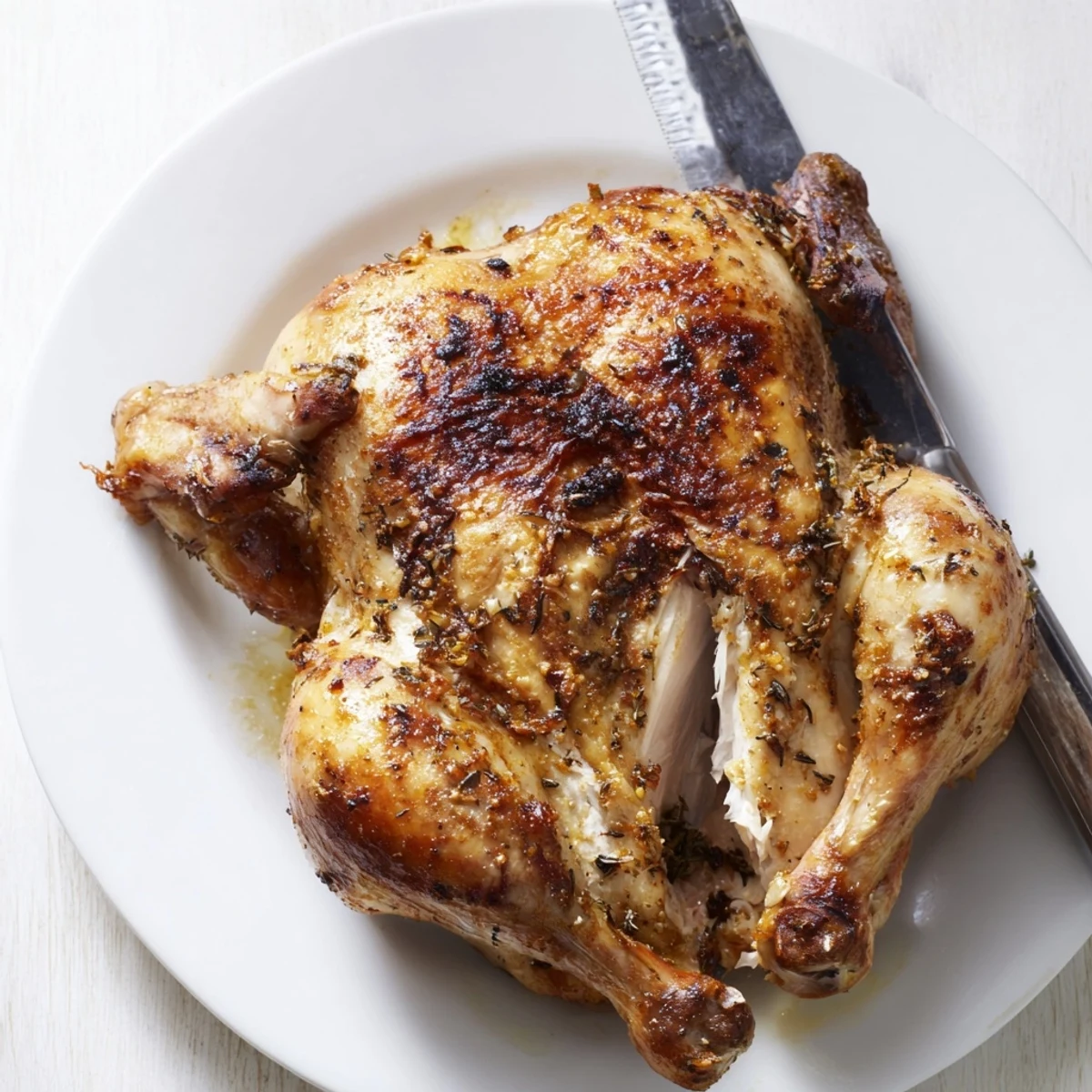
 One cold January evening I pulled this chicken from the oven during a power outage, carving it by candlelight while my family sat around the table laughing at the absurdity of it all. That bird tasted better than anything I had ever made in full lighting.
What to Serve Alongside It
Roasted root vegetables are the obvious companion, their caramelized edges mingling with the chicken juices on the plate. A sharp arugula salad with lemon vinaigrette cuts through the richness beautifully. If you want to keep it simple, crusty bread for soaking up the drippings is really all you need.
Getting the Skin Right Every Time
The single biggest factor in crispy skin is making sure the chicken surface is as dry as you can get it before it goes into the oven. Pat gently with paper towels after removing it from the marinade, but do not rinse it because that washes away flavor. That final brush of olive oil is the finishing touch that promotes browning.
Making It Your Own
This recipe is a framework that welcomes endless variation depending on your mood and what is in your pantry. Swap the thyme for rosemary when you want something more piney and robust, or add chili flakes if you crave a bit of fire. Try rubbing the chicken with a spoonful of Dijon mustard before the buttermilk for an extra layer of tang. The marinade formula is forgiving enough to handle almost any twist you throw at it.
- A pinch of brown sugar in the marinade helps the skin caramelize even deeper.
- Letting the chicken sit at room temperature for 20 minutes before roasting helps it cook more evenly.
- Always check the temperature in the thigh rather than the breast for the most accurate reading.
 Save Pin
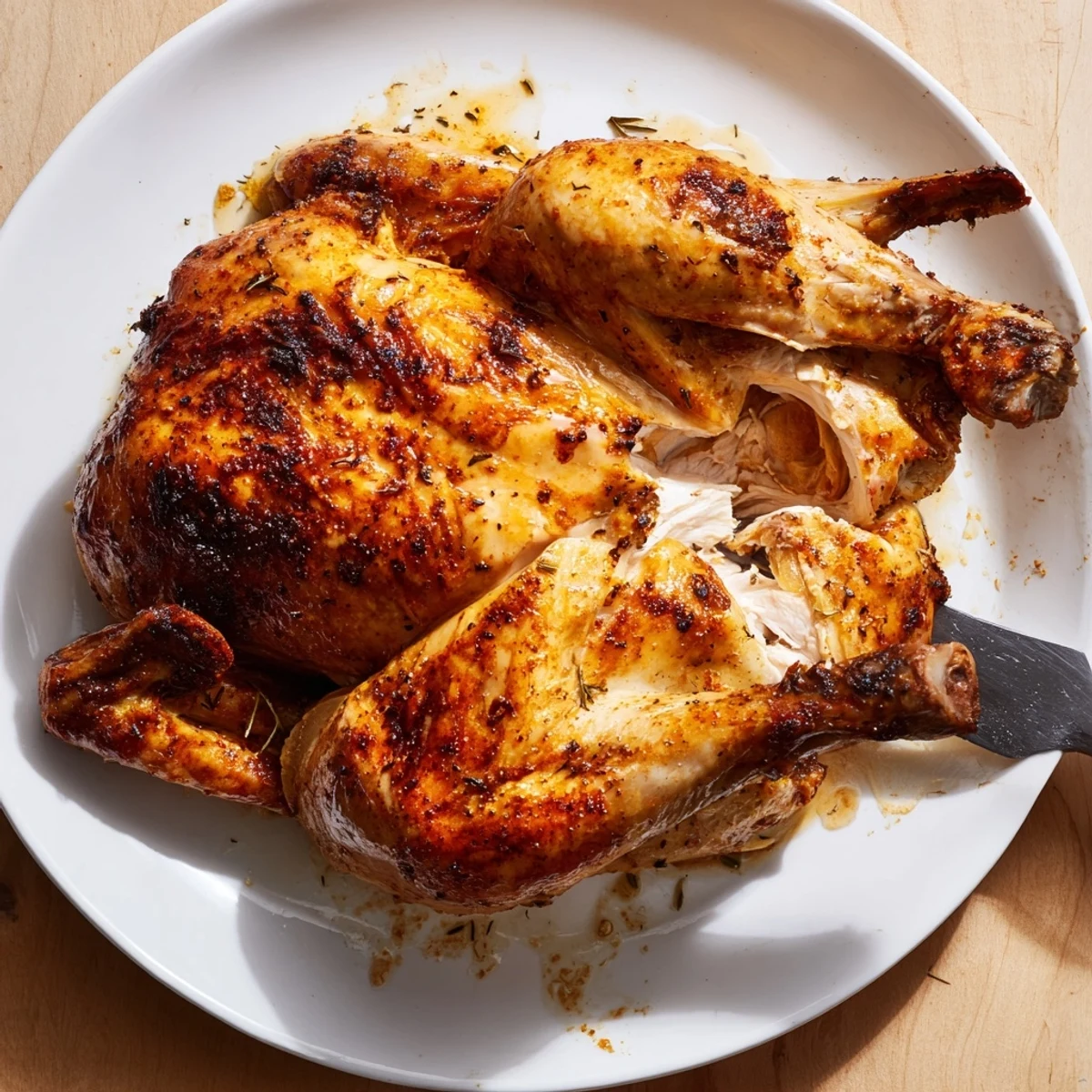
 Some recipes become staples because they ask so little and give so much back. This buttermilk roasted chicken is exactly that kind of reliable friend, ready to turn any evening into something a little more special.
Recipe FAQs
- → How long should the chicken marinate?
-
For best texture and flavor, marinate at least 8 hours or overnight. The buttermilk relaxes proteins for extra tenderness; shorter soaks (2–4 hours) still help but will be less pronounced.
- → What can I use instead of buttermilk?
-
Mix 2 cups of milk with 2 tablespoons lemon juice or white vinegar and let sit 5–10 minutes to thicken. This acidic milk substitute mimics buttermilk's tenderizing effect.
- → Is it better to spatchcock the bird or roast in pieces?
-
Spatchcocking yields more even cooking and crisp skin across the breast, while cutting into pieces reduces total roast time and can be easier to handle for smaller ovens. Both deliver tender results when marinated properly.
- → How do I get extra-crispy skin?
-
Drain the marinade well and pat the skin dry before roasting. Roast at a high temperature on a rack to allow air circulation, and brush a little olive oil on the skin just before roasting for deeper browning.
- → How can I tell when the chicken is done?
-
Use a meat thermometer in the thickest part of the thigh or breast; aim for 165°F (74°C). Clear juices and a deep golden skin are additional visual cues.
- → How should leftovers be stored and reheated?
-
Refrigerate cooled leftovers in an airtight container for up to 3–4 days. Reheat in a 350°F (175°C) oven, uncovered or lightly tented, to preserve crispness; avoid microwaving if you want to keep the skin crisp.