
 Save Pin
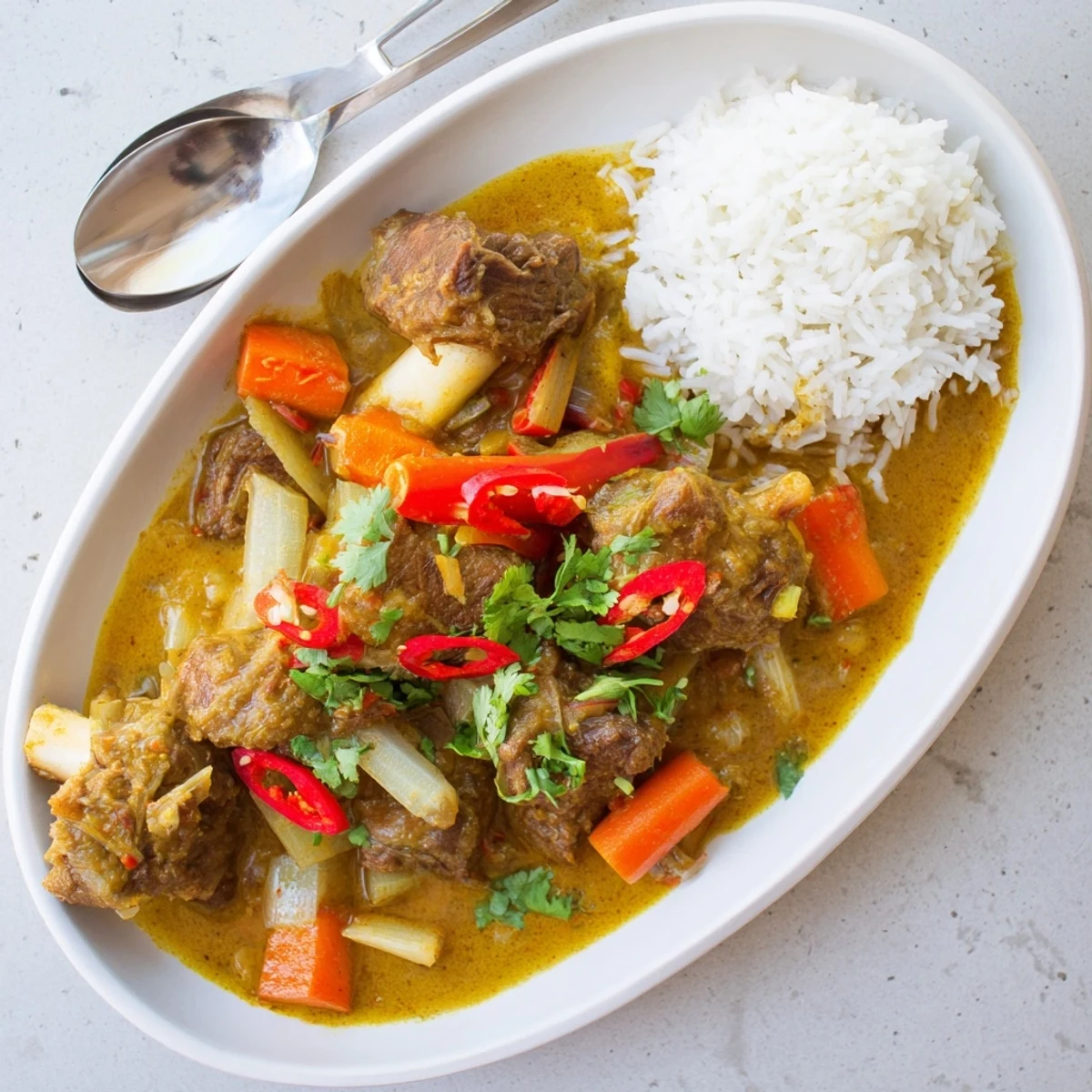
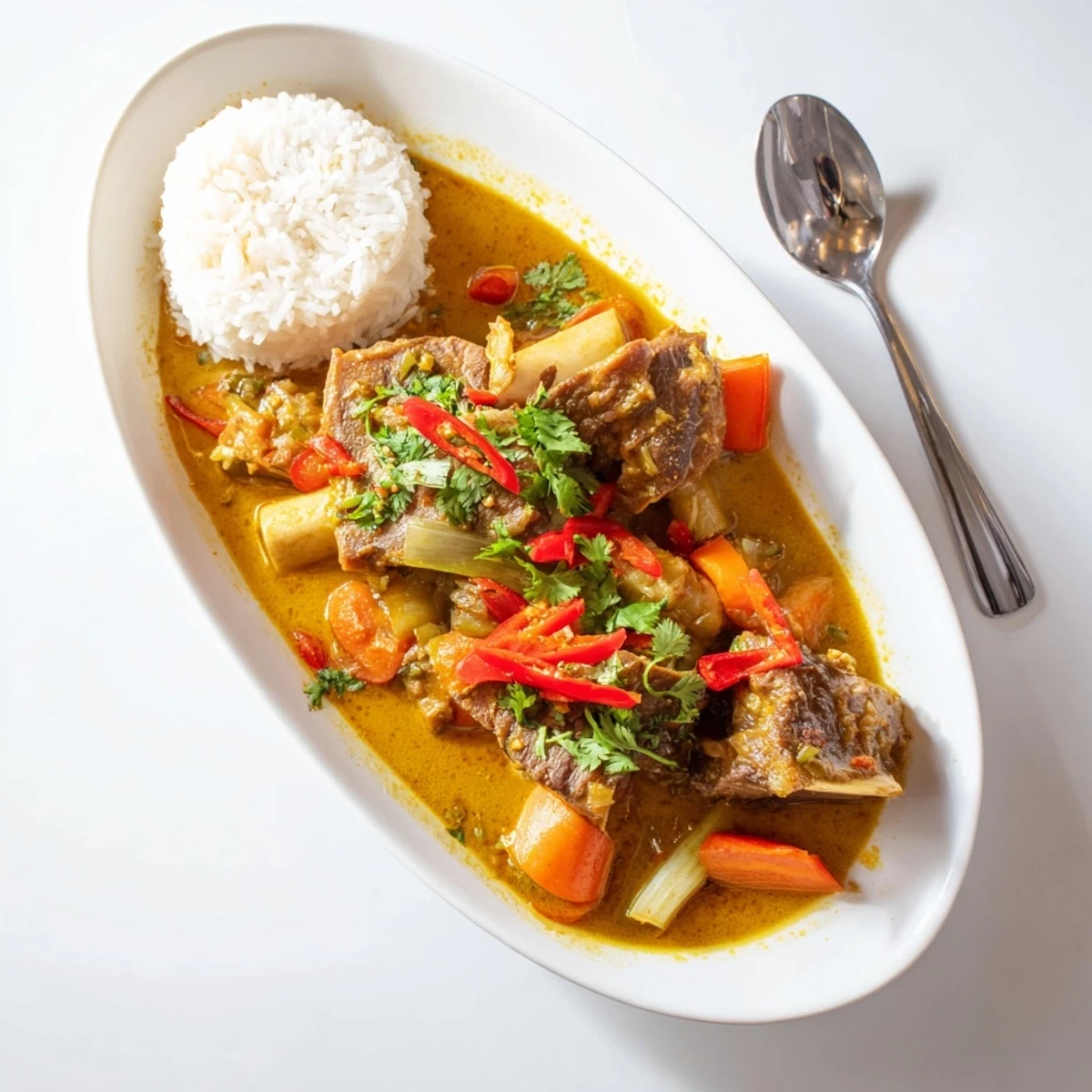
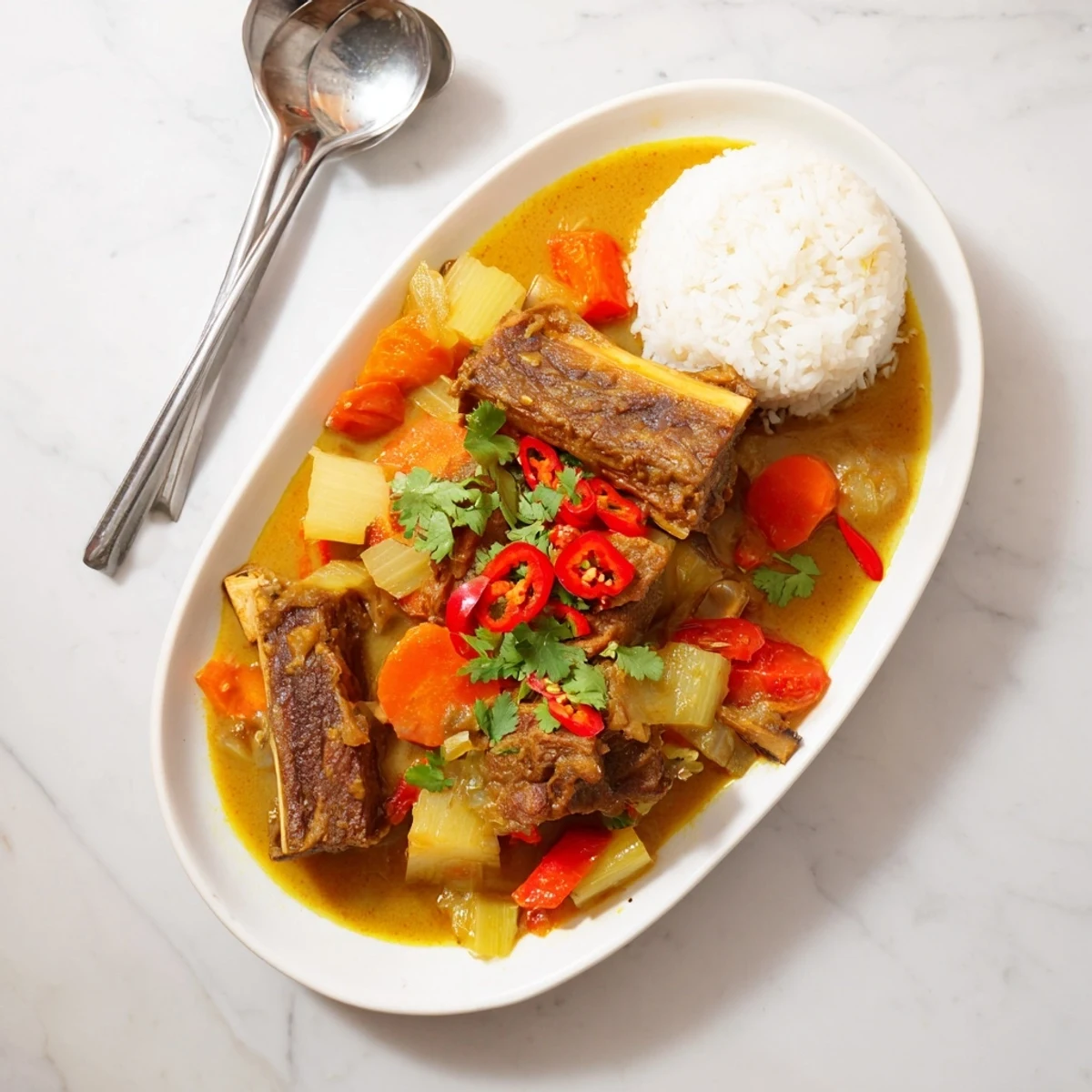
 This rich and hearty dish combines tender beef ribs with the aromatic flavors of Southeast Asian cuisine. The meat falls off the bone after nearly three hours of gentle simmering in a fragrant blend of coconut milk, lemongrass, ginger, turmeric, and coriander. Traditional mirepoix vegetables add depth, while fish sauce and palm sugar create that perfect balance of savory and sweet. The result is a luscious, golden sauce that clings beautifully to the succulent meat.
Serve over steamed jasmine rice to soak up every drop of the flavorful broth, or pair with crusty bread for a comforting meal. The ragu develops even deeper flavors when made ahead, making it ideal for meal prep or entertaining.
The first time I made this ragu, my tiny apartment smelled so incredible that my neighbor actually knocked on my door to ask what I was cooking. That aromatic blend of lemongrass, coconut, and slow-cooked beef filling every corner of the room sold me immediately. This dish has become my go-to when I want something that feels both comforting and exotic without spending hours standing at the stove.
I served this at a dinner party last winter when my friend Sarah was recovering from surgery, and she honestly told me it was the most comforting thing she'd eaten in months. There's something about the fall-off-the-bone beef combined with those warming Cambodian spices that just wraps around you like a blanket. Everyone went quiet for the first ten minutes of the meal.
Ingredients
- 1.2 kg beef short ribs, bone-in: Bone-in ribs give the sauce so much more depth and flavor, plus they stay incredibly tender through the long simmer
- 2 medium yellow onions, finely chopped: Don't rush the chop here, smaller pieces melt into the sauce and create that luscious base
- 4 cloves garlic, minced: Fresh garlic beats pre-minced every time, especially when it's going to cook for hours
- 2 medium carrots, sliced: These add natural sweetness and hold their shape beautifully through the long cooking time
- 2 celery stalks, sliced: The backbone of flavor that you don't necessarily notice but would miss if it weren't there
- 1 red bell pepper, diced: Adds this subtle sweetness and gorgeous color flecks throughout the ragu
- 1 large tomato, chopped: Fresh tomatoes break down beautifully and add acidity to balance the rich coconut
- 1 lemongrass stalk, trimmed and minced: The white part is where all that citrusy perfume lives, so don't be shy with it
- 3 cm fresh ginger, grated: Grating releases more of those spicy aromatic oils than chopping
- 1 tbsp fish sauce: Don't skip this, it's the secret ingredient that adds that incredible depth you can't quite put your finger on
- 2 tbsp soy sauce: Use tamari if you need it gluten-free, but the soy brings this beautiful umami richness
- 1 tbsp palm sugar or brown sugar: Just enough to balance the acidity and bring all the flavors together
- 1 tsp ground black pepper: Freshly ground makes such a difference in the final flavor
- 1/2 tsp ground turmeric: Adds that gorgeous golden color and earthy undertone
- 1/2 tsp ground coriander: Brings a citrusy warmth that complements the lemongrass perfectly
- 1/2 tsp chili flakes: Add more if you love heat, but this amount just gives a gentle background warmth
- 2 bay leaves: Classic herb that adds that slow-cooked flavor we all recognize and love
- 400 ml coconut milk: Full-fat is worth it here, it creates that luxurious velvety texture
- 400 ml beef stock: Homemade stock is ideal, but a good quality store-bought works perfectly fine
- 1 tbsp vegetable oil: A neutral oil with a high smoke point is best for searing
- Fresh cilantro or Thai basil: The finishing touch that brightens everything and makes it look stunning
Instructions
- Season and prep the ribs:
- Give those beef ribs a good pat with paper towels, then season them generously with salt and pepper on all sides.
- Sear the ribs to perfection:
- Heat your oil in a large Dutch oven over medium-high heat, then brown the ribs on all sides until they're gorgeous and golden, working in batches so you don't crowd the pot.
- Build the aromatic base:
- Turn down the heat to medium and add all your vegetables and aromatics, letting them soften and become fragrant for about 7 minutes while stirring occasionally.
- Wake up the spices:
- Stir in the turmeric, coriander, chili flakes, and bay leaves, cooking for just a minute until they're incredibly fragrant and toasty.
- Add the tomatoes and let them break down:
- Toss in the chopped tomato and cook for another couple of minutes until it starts releasing its juices and softening.
- Bring everything together:
- Return those beautiful seared ribs to the pot, then stir in the fish sauce, soy sauce, and palm sugar until everything's coated.
- Add the liquids and bring to a simmer:
- Pour in the coconut milk and beef stock, making sure the ribs are mostly submerged, then bring everything to a gentle simmer.
- Let it cook low and slow:
- Cover the pot and let it simmer over low heat for 2 to 2½ hours, skimming any fat that rises to the surface occasionally.
- Taste and adjust the seasoning:
- Give it a taste and add more salt, pepper, or fish sauce until it's exactly how you love it.
- Finish and serve:
- Fish out those bay leaves, then serve the ribs generously garnished with fresh herbs and sliced chili alongside fluffy jasmine rice or crusty bread.
 Save Pin
 This recipe has evolved from many Sunday afternoon experiments, and now it's the one my family requests for every special occasion. There's something about the combination of familiar ragu comfort with those bright Cambodian flavors that makes people feel both nostalgic and excited at the same time.
Getting That Perfect Sauce Consistency
If you want a thicker, more concentrated sauce, uncover the pot during the last 30 minutes of cooking and let it reduce. I've learned this the hard way after ending up with soup when I wanted a proper ragu, but now I know exactly when to uncover for that perfect coating consistency.
Make It Your Own
Sometimes I add diced potatoes or pumpkin during the last hour of cooking, especially when feeding a crowd or wanting something extra hearty. The vegetables absorb all those incredible flavors and become tender little surprises throughout the ragu.
Serving Suggestions
I love pairing this with a light aromatic white wine like Riesling, which cuts through the richness beautifully, or a cold lager for something more casual. The dish is substantial enough to stand on its own with just steamed jasmine rice, but crusty bread for soaking up that incredible sauce is never a bad idea.
- This ragu actually tastes even better the next day, so don't hesitate to make it ahead
- If you're serving a crowd, double the recipe because people always go back for seconds
- The leftovers freeze beautifully for up to three months
 Save Pin
 There's nothing quite like standing over the pot during that final hour of cooking, spoon in hand, knowing you're about to serve something that's going to make people genuinely happy. This is the kind of food that creates memories.
Recipe FAQs
- → What makes this Cambodian-style ragu different from Italian versions?
-
This ragu incorporates Southeast Asian flavors like lemongrass, ginger, turmeric, and coconut milk instead of the traditional wine, herbs, and dairy found in Italian ragù. The result is a fragrant, slightly sweet, and aromatic dish with a creamy golden broth rather than a tomato-based sauce.
- → Can I make this in a slow cooker?
-
Yes, after searing the ribs and sautéing the aromatics, transfer everything to your slow cooker. Cook on low for 6-8 hours or on high for 4-5 hours until the meat is tender. You may want to reduce the liquid slightly or finish on the stove to thicken the sauce.
- → What's the best cut of beef for this dish?
-
Beef short ribs with the bone-in are ideal because they become incredibly tender and impart rich flavor to the broth as they cook. Boneless beef chuck or brisket can work as alternatives, though they may require slightly less cooking time.
- → How long does this keep in the refrigerator?
-
The flavors actually improve after a day or two. Store in an airtight container in the refrigerator for up to 4 days. The fat will solidify on top—simply reheat gently to melt it back into the sauce. It also freezes well for up to 3 months.
- → Can I make this dish spicy?
-
Absolutely. Increase the chili flakes, add fresh Thai chilies during cooking, or serve with sliced bird's eye chilies as garnish. You can also incorporate a spoonful of chili paste or sambal oelek for extra heat without compromising the complex spice profile.