
 Save Pin
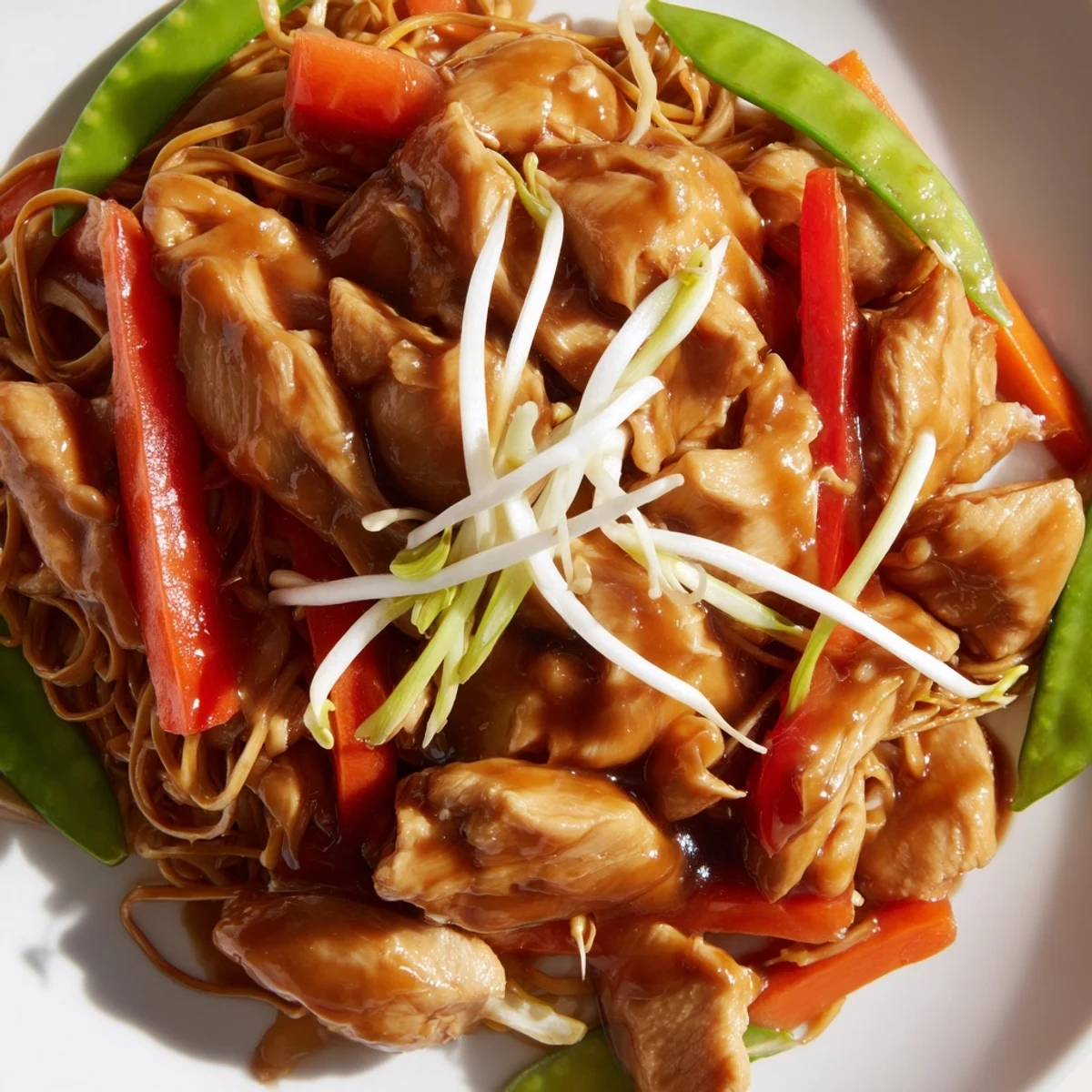
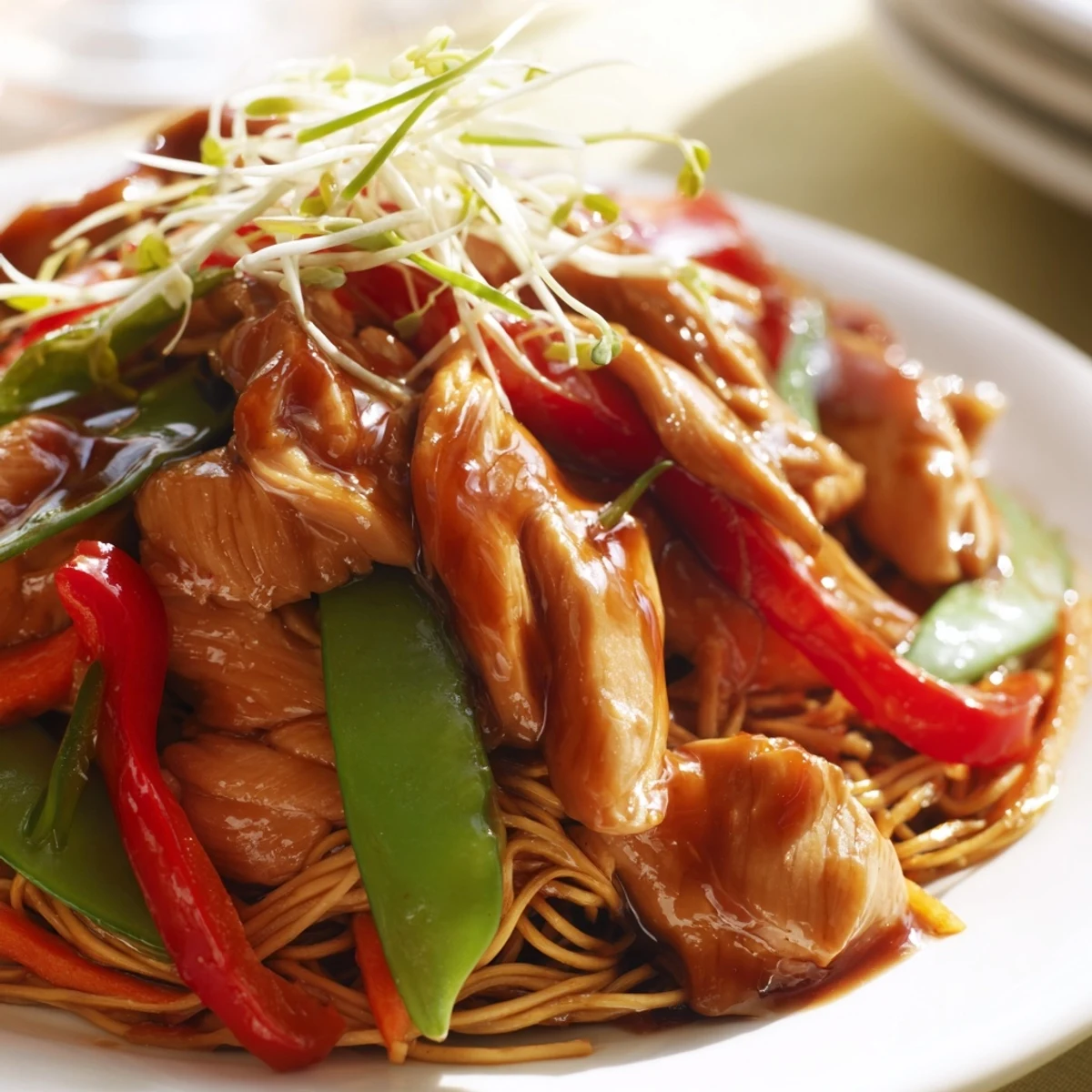
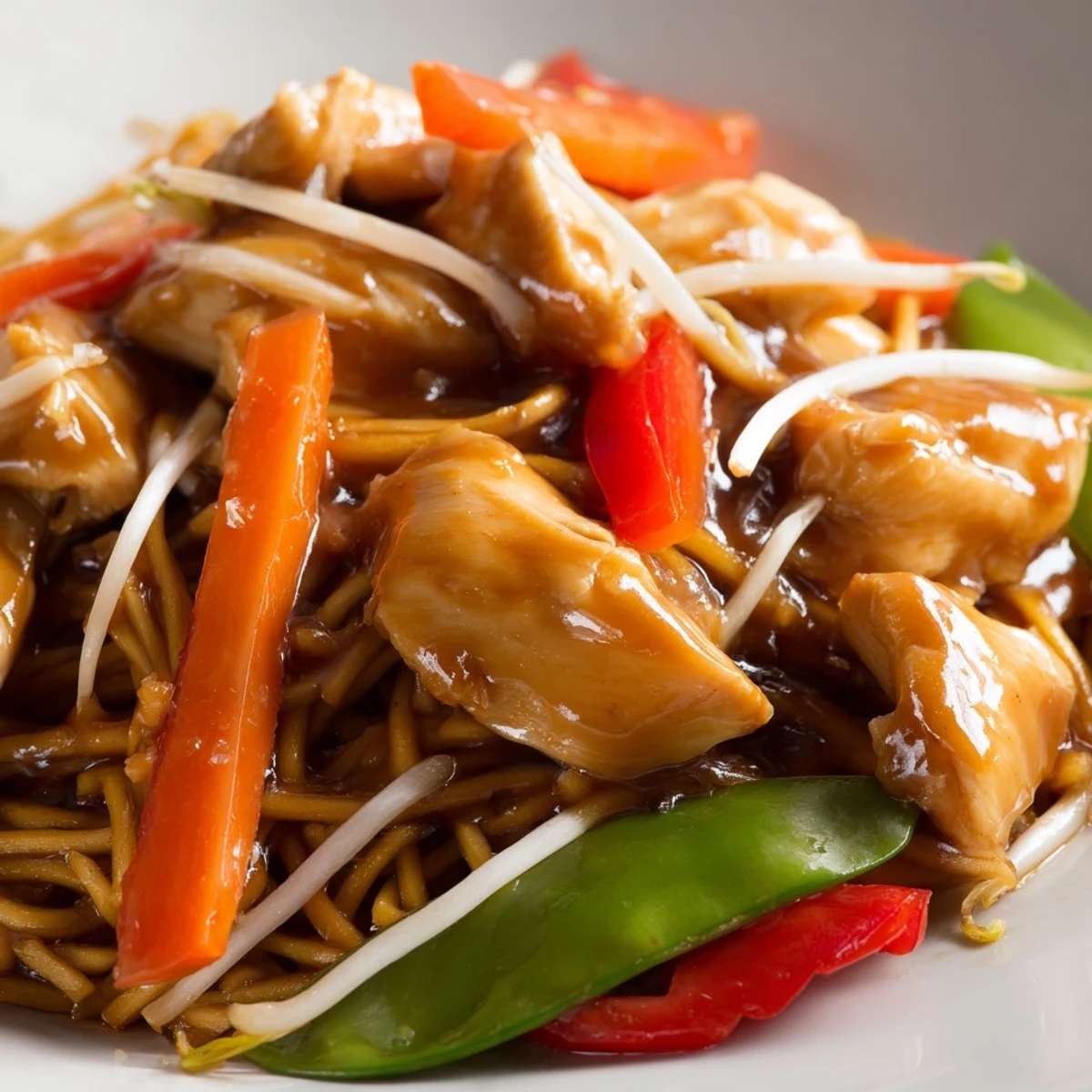
 This classic Chinese stir-fry features tender marinated chicken breast, crisp vegetables like bell peppers, carrots, and snow peas, all tossed with egg noodles in a rich umami sauce. The perfect balance of textures and flavors comes together in just 35 minutes, making it an ideal weeknight dinner that tastes like takeout but is made fresh in your kitchen.
The first time I attempted chow mein at home, I stood too far from the stove and my chicken came out gray and rubbery. My roommate laughed while rescue takeout was already on its way. Six months later, a friend showed me how to work with high heat and keep everything moving in the wok. Now this recipe lives in my weekly rotation, bringing back that kitchen lesson every single time.
Last winter, my sister came over exhausted from a brutal week at work. I put this together while she sat at the counter, complaining about everything. By the time the noodles hit the hot wok, the smell had already worked its magic. She went from ready to cry to asking for seconds before the first forkful even cooled down.
Ingredients
- 400 g boneless chicken breast, thinly sliced: Cutting against the grain and keeping pieces thin means tender chicken every time
- 1 tbsp soy sauce, 1 tsp cornstarch, 1 tsp sesame oil: This simple marinade transforms plain chicken into something that stays juicy even over high heat
- 3 tbsp soy sauce, 1 tbsp each oyster and hoisin sauce: The trio creates that restaurant quality depth without measuring out a dozen ingredients
- 1 tsp sugar and 1/2 tsp white pepper: Just enough sweetness and subtle heat to round out the sauce perfectly
- 250 g chow mein noodles: Fresh egg noodles work best but dried ones cooked properly are absolutely fine
- 2 tbsp vegetable oil, divided: High smoke point oil is nonnegotiable for proper stir frying technique
- Garlic, onion, carrot, bell pepper, snow peas: This vegetable mix gives you crunch, color, and texture in every bite
- Bean sprouts and spring onions: Added at the end to keep their fresh snap and bright flavor
Instructions
- Get the chicken ready:
- Toss sliced chicken with soy sauce, cornstarch and sesame oil in a bowl. Let it sit for 10 minutes while you prep everything else.
- Mix up the sauce:
- Whisk together all the sauce ingredients until smooth. Keep it nearby so you are not scrambling mid stir fry.
- Prep your noodles:
- Cook noodles according to package directions, then drain and rinse with cold water. Toss with a teaspoon of oil to stop sticking.
- Sear the chicken:
- Heat 1 tablespoon oil in your wok over high heat until smoking slightly. Add chicken and stir fry for 3 to 4 minutes until just cooked through.
- Cook the vegetables:
- Add remaining oil to the wok, then garlic and onion for 1 minute. Toss in carrot, bell pepper and snow peas for 2 to 3 minutes.
- Bring it all together:
- Return chicken to the wok with noodles, bean sprouts and spring onions. Pour in sauce and toss over high heat for 2 to 3 minutes.
 Save Pin
 My dad always ordered chow mein at Chinese restaurants but never attempted making it at home. When I finally nailed this version, I made it for him on a Sunday night. He took one bite and asked why we had been ordering delivery for thirty years when this was so achievable.
Getting Your Wok Temperature Right
Heat matters more than almost anything else in stir frying. You want the oil shimmering and just starting to smoke before ingredients hit the pan. Too cool and everything steams in its own moisture. Too hot and the garlic burns before you can blink.
Noodle Selection Made Simple
Fresh egg noodles from the refrigerated section will give you the best texture and closest takeout experience. Dried chow mein noodles work fine but need careful timing to avoid overcooking. Regular spaghetti makes a desperate substitute in a pinch.
Building Your Perfect Chow Mein
Some nights I throw in whatever vegetables are languishing in the crisper drawer. Bok choy, mushrooms, even sliced cabbage all work beautifully. The technique stays the same regardless of what you toss into the wok.
- Cut all your vegetables into similar sizes so they cook evenly
- Never overcrowd the wok or the temperature will drop too fast
- Everything keeps cooking slightly after you turn off the heat
 Save Pin
 This recipe has saved more weeknight dinners than I can count. Fast enough for a Tuesday, good enough for company, and always satisfying.
Recipe FAQs
- → What makes chow mein different from other noodle dishes?
-
Chow mein specifically uses egg noodles that are par-cooked then stir-fried until slightly crispy at the edges. The sauce is lighter than lo mein, coating rather than drowning the noodles, and the high-heat cooking method creates that characteristic smoky wok flavor.
- → Can I prepare the ingredients ahead of time?
-
Absolutely. You can slice the vegetables, marinate the chicken, and mix the sauce up to 24 hours in advance. Store everything separately in airtight containers in the refrigerator. Just cook the noodles fresh for the best texture.
- → What vegetables work best in chow mein?
-
Traditional options include bean sprouts, cabbage, carrots, bell peppers, onions, and snow peas. The key is cutting everything into uniform, thin pieces so they cook quickly and evenly. Feel free to use whatever crisp vegetables you have on hand.
- → How do I prevent the noodles from sticking together?
-
After boiling and draining, rinse the noodles thoroughly under cold water to stop the cooking process and remove excess starch. Toss them with a teaspoon of oil before setting aside. This keeps them separate until you're ready to stir-fry.
- → Can I make this without a wok?
-
Yes, a large skillet or frying pan works well too. The key is using high heat and cooking in batches if needed so the ingredients sear rather than steam. A cast iron skillet is particularly good at maintaining the high temperature needed for proper stir-frying.
- → What protein alternatives can I use?
-
Shrimp, beef strips, pork, or firm tofu all work beautifully with these flavors. Adjust cooking times accordingly—shrimp and tofu cook faster than chicken, while beef may need a bit longer. Vegetarians can also use mushrooms for a meaty texture.