
 Save Pin
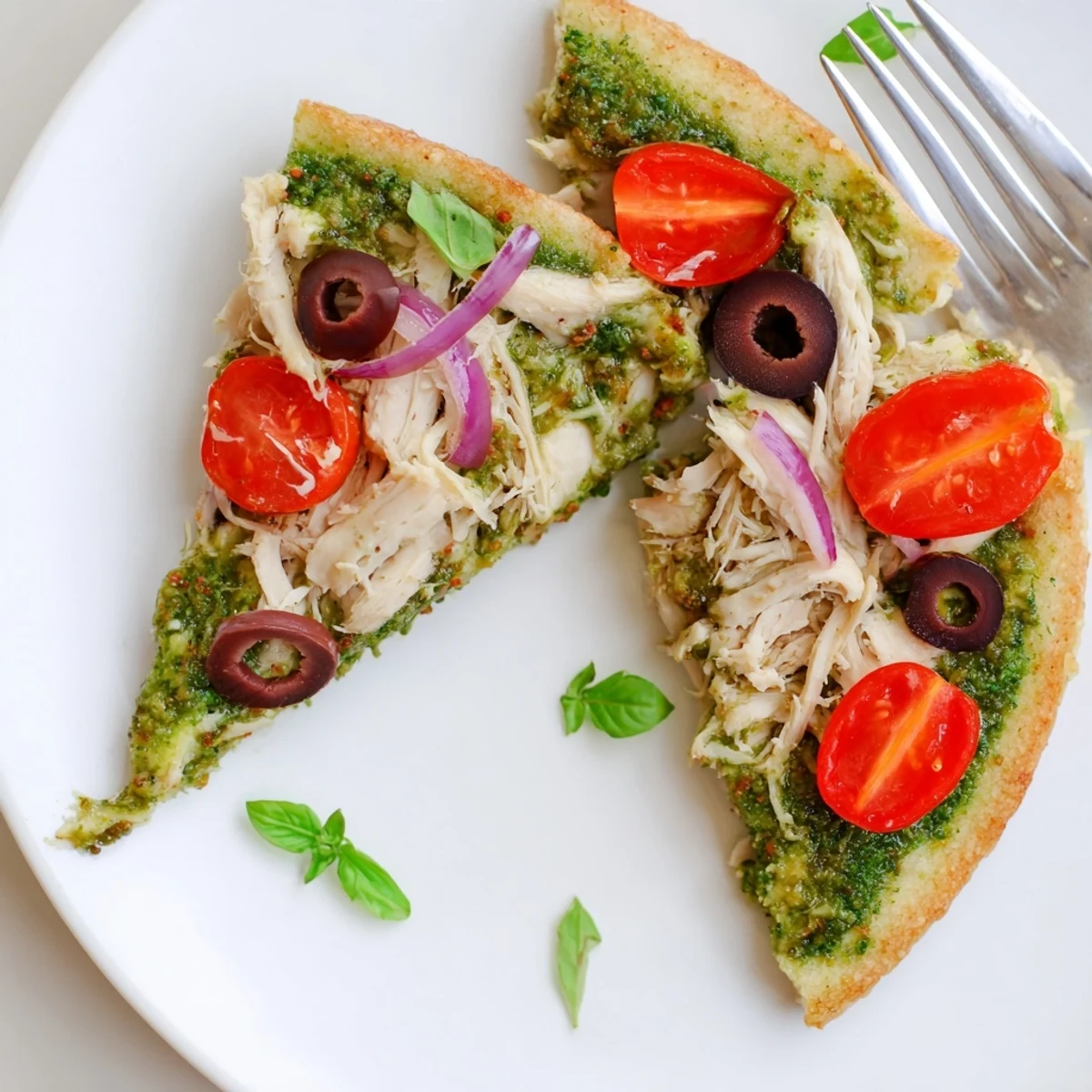
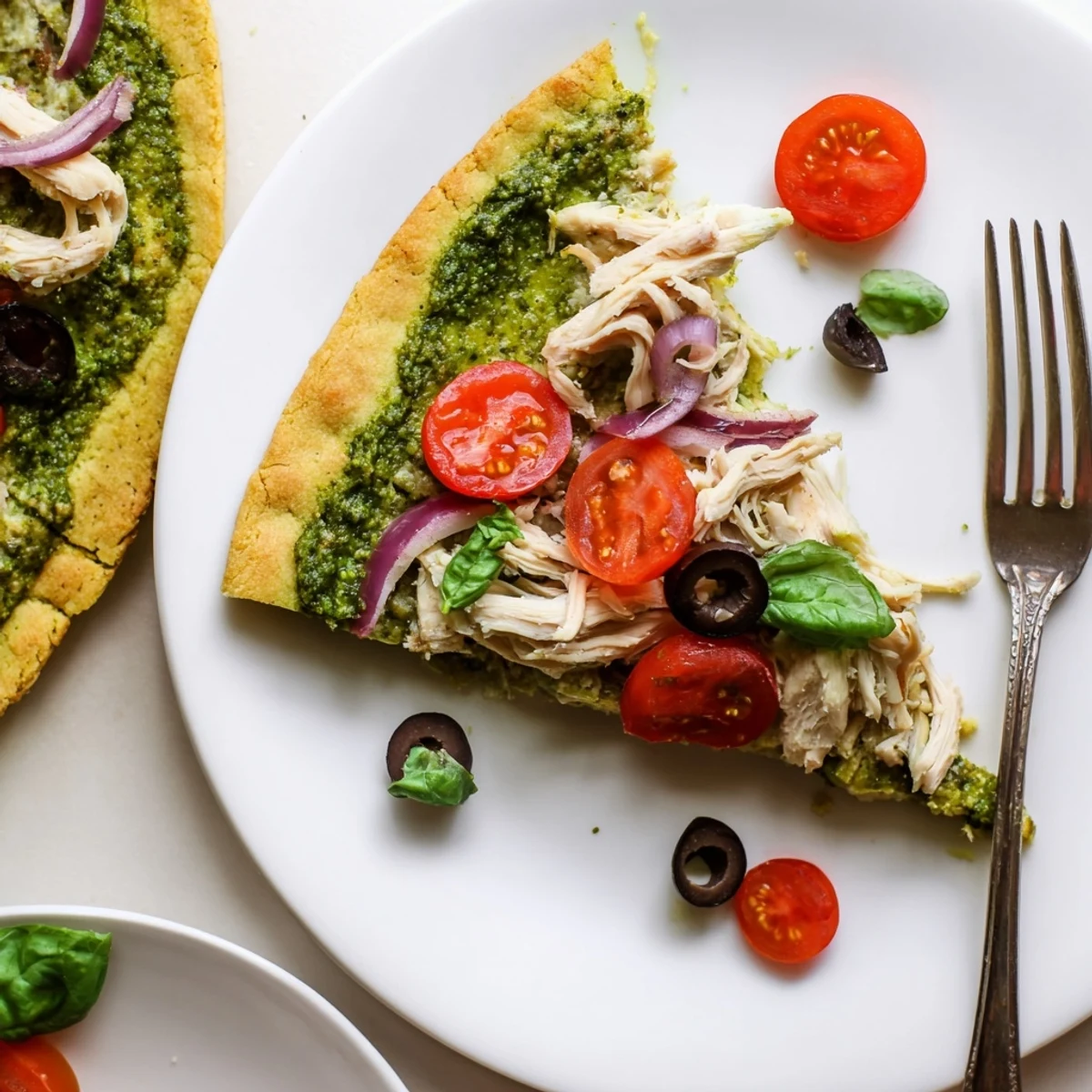
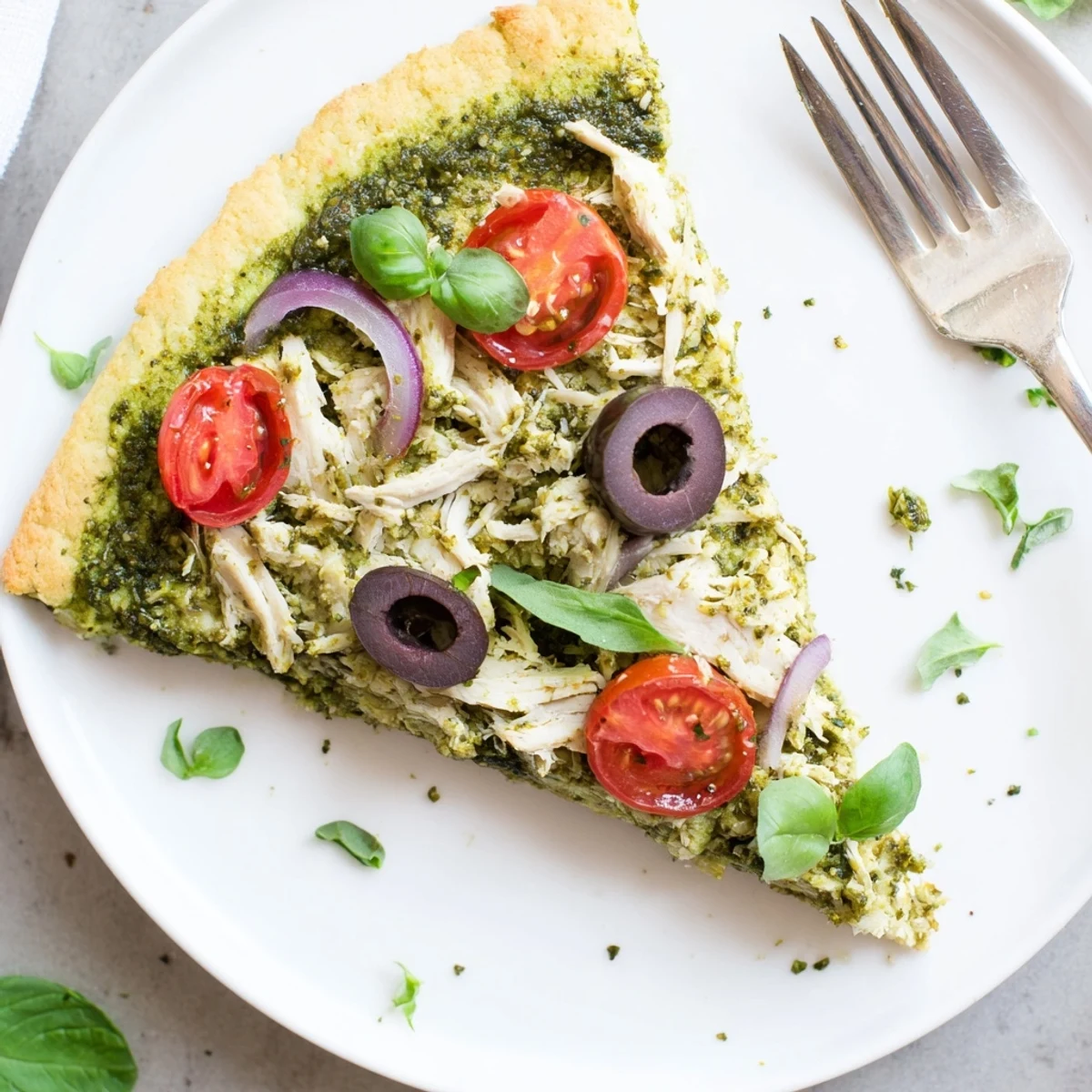
 This grain-free pizza uses an almond-tapioca-coconut flour crust that bakes until golden and crisp. A bright basil pesto of pine nuts, garlic, olive oil, nutritional yeast and lemon is spread over the base, then topped with cooked chicken, cherry tomatoes, red onion and olives. A brief return to the oven warms toppings and melds flavors; finish with fresh basil. Serves 4 in about 45 minutes.
The smell of basil hit me before I even opened the fridge, and suddenly I was back in my tiny apartment kitchen burning my first homemade pizza crust beyond recognition. That disaster taught me everything about what makes a pizza truly work, and years later this paleo version is the one I keep coming back to when I want something indulgent without the heaviness. The almond flour crust crisps up in ways that surprised even my most skeptical, grain-loving friends.
I made this for my sister the week she went grain free and watched her stare at the plate like it was a trick. She picked up a slice, waited for it to crumble, and when it held firm she actually laughed and reached for seconds before finishing the first. That moment of disbelief on someone's face is exactly why this recipe lives in my permanent rotation.
Ingredients
- Almond flour (1 cup): This is the structural backbone of your crust, so use a fine blanched variety for the best texture and avoid coarse meal which leaves the dough gritty.
- Tapioca flour (1/4 cup): Adds elasticity and helps the crust bind together without crumbling, and you will notice the difference immediately if you try skipping it.
- Coconut flour (1/4 cup): A little goes a long way here and it absorbs moisture beautifully, keeping the dough from becoming a sticky mess.
- Large eggs (2): Room temperature eggs blend more smoothly into the dough and create a tender crumb, so pull them out of the fridge about twenty minutes before starting.
- Olive oil (2 tbsp for dough, 1/3 cup for pesto): Extra virgin for the pesto gives the brightest flavor, while a milder olive oil works fine for the crust itself.
- Unsweetened almond milk (1/4 cup): Just enough liquid to bring the dough together without making it wet, and any unsweetened plant milk will work in a pinch.
- Sea salt and baking soda (1/2 tsp each): The baking soda gives the crust a slight lift in the oven and the salt ties every flavor together.
- Fresh basil leaves (1 1/2 cups): Pack them generously into your measuring cup because fresh basil is the soul of this pesto and dried will not do the job.
- Pine nuts or walnuts (1/3 cup): Toasted lightly in a dry pan for two minutes, they add a warm nutty richness that raw nuts simply lack.
- Garlic cloves (2): Fresh garlic minced into the pesto brings a sharp aromatic kick that mellows beautifully during baking.
- Nutritional yeast (2 tbsp): The secret weapon for dairy free cheesiness, and even cheese lovers will not miss the mozzarella here.
- Lemon juice (from 1/2 lemon): Brightens the entire pesto and balances the richness of the olive oil and nuts perfectly.
- Cooked chicken breasts (2 medium): Sliced or shredded, and leftover rotisserie chicken works so well you may never bother cooking fresh breasts for this recipe again.
- Red onion (1/2, thinly sliced): Soaking the slices in cold water for ten minutes tames the bite if raw onion is not your favorite.
- Cherry tomatoes (1/2 cup, halved): They roast into sweet little jammy pockets on the pizza and look beautiful scattered across the top.
- Black olives (1/4 cup, sliced, optional): A salty briny contrast that makes every bite more interesting, but skip them if they are not your thing.
Instructions
- Set the stage:
- Preheat your oven to 400 degrees Fahrenheit and line a baking sheet with parchment paper so the crust slides off effortlessly when it is done.
- Build the dry foundation:
- In a large bowl, whisk together the almond flour, tapioca flour, coconut flour, sea salt, and baking soda until evenly combined and free of lumps.
- Bring the dough together:
- In a separate bowl whisk the eggs, olive oil, and almond milk until smooth, then pour into the dry ingredients and stir until a soft dough forms that pulls away from the sides of the bowl.
- Shape and parbake the crust:
- Transfer the dough onto your parchment lined sheet and use your hands to press and flatten it into a ten to twelve inch round, then bake for twelve to fourteen minutes until the edges turn a lovely golden brown.
- Whirl up the pesto:
- While the crust bakes, toss the basil, pine nuts, garlic, nutritional yeast, olive oil, sea salt, and lemon juice into a food processor and blend until smooth, scraping down the sides once or twice.
- Assemble everything:
- Spread the pesto generously over the parbaked crust, then layer on the chicken, red onion, cherry tomatoes, and olives in whatever pattern makes you happy.
- Finish in the oven:
- Return the loaded pizza to the oven for eight to ten more minutes until the toppings are heated through and the crust is crisp and firm underneath.
- Rest and serve:
- Let the pizza cool for just a couple of minutes so the crust firms up, then scatter fresh basil on top, slice into wedges, and serve warm while the aromas are still filling your kitchen.
 Save Pin
 The evening I served this on my back porch with a chilled Sauvignon Blanc and a simple arugula salad, the conversation stopped entirely for about ten minutes. Everyone was too busy eating, and that quiet focus around the table told me more than any compliment could. Food that makes people pause is the kind worth making again and again.
Getting That Crust Just Right
The biggest mistake I see with paleo crusts is treating the dough like traditional wheat dough, pressing it too thin or expecting it to stretch. This dough needs to be pressed firmly and evenly with your palms, about a quarter inch thick across the middle and slightly thicker at the edges. Your hands work better than a rolling pin here because you can feel the thickness and adjust as you go. If one spot looks thin, pinch a little dough from a thicker area and press it into place.
Making Pesto Your Own
Pine nuts are traditional and wonderful but they are also expensive, and I have burned through too many batches by walking away from the toaster oven for thirty seconds. Walnuts make an excellent substitute with a slightly earthier flavor that actually pairs beautifully with the chicken. If you want to get adventurous, try half pumpkin seeds and half walnuts for a pesto that tastes like fall in the best way possible.
Serving and Storing
This pizza is best eaten fresh from the oven when the crust is at peak crispiness, but it reheats surprisingly well in a skillet over medium heat for a few minutes on each side. Avoid the microwave unless you enjoy sad, floppy crust. Leftovers keep in the refrigerator for up to three days wrapped tightly, and the flavors actually deepen overnight which makes the cold slices straight from the fridge oddly satisfying for breakfast.
A few final things to keep in mind before you start cooking:
- Rotisserie chicken is your best friend on busy nights so do not feel guilty about taking that shortcut.
- Dairy free mozzarella shreds can go on during the last five minutes of baking if you want that classic melt.
- Always double check your ingredient labels since hidden gluten and nonpaleo additives sneak into the most unexpected products.
 Save Pin
 Once you master this crust you will start dreaming up a dozen different topping combinations, and each one will feel like a small victory over the idea that paleo means giving up the foods you love. Share it with someone who thinks grain free pizza is impossible and watch their face change after the first bite.
Recipe FAQs
- → How do I get a crispy paleo crust?
-
Press the dough thin on parchment and blind-bake at 400°F (200°C) until edges are golden (12–14 minutes). Using almond and tapioca flours gives structure while a short final bake helps dry the base for extra crispness.
- → Can I swap the chicken for another protein?
-
Yes. Sliced turkey, shredded rotisserie chicken or leftover roasted poultry all work well. For a pescatarian option, use thinly sliced smoked salmon added after baking to preserve texture.
- → Any tips for making the pesto dairy-free and bright?
-
Use nutritional yeast in place of cheese for a savory depth, and add a splash of lemon juice to brighten the basil. Toasting the pine nuts lightly intensifies their flavor before blending.
- → How should I reheat leftovers to keep the crust crisp?
-
Reheat slices in a preheated oven or toaster oven at 350°F (175°C) for 8–10 minutes on a rack or baking sheet. Avoid the microwave, which softens the crust.
- → Can I add cheese if not strictly paleo?
-
Yes. Add a light sprinkling of dairy or dairy-free mozzarella before the short final bake if you prefer melted cheese; it will brown slightly and meld with the pesto and toppings.
- → Are there nut-free substitutions for almond flour?
-
Almond flour provides moisture and structure; nut-free alternatives like sunflower seed flour can be used but may darken or turn slightly green when mixed with baking soda. Test small batches and adjust moisture as needed.