
 Save Pin
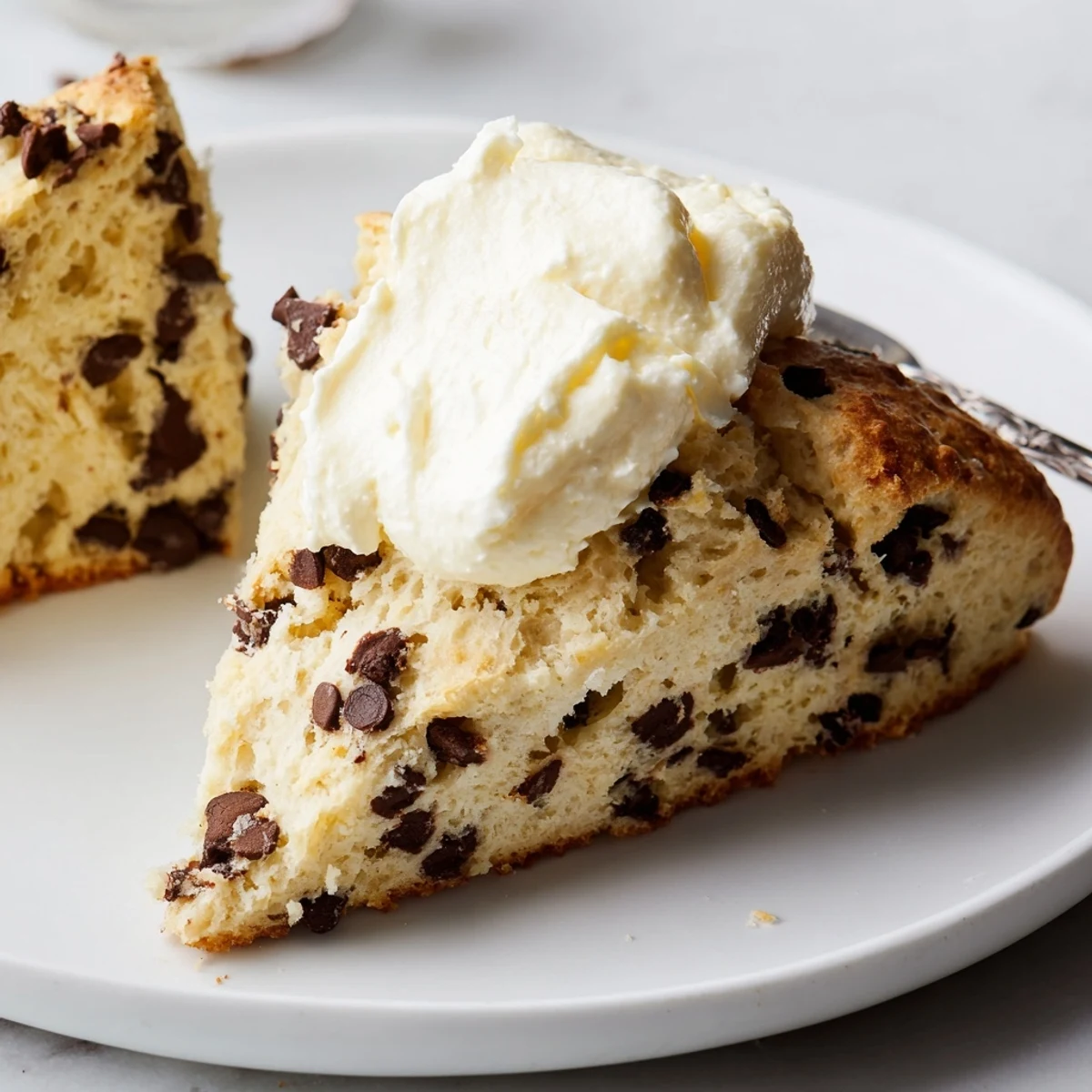
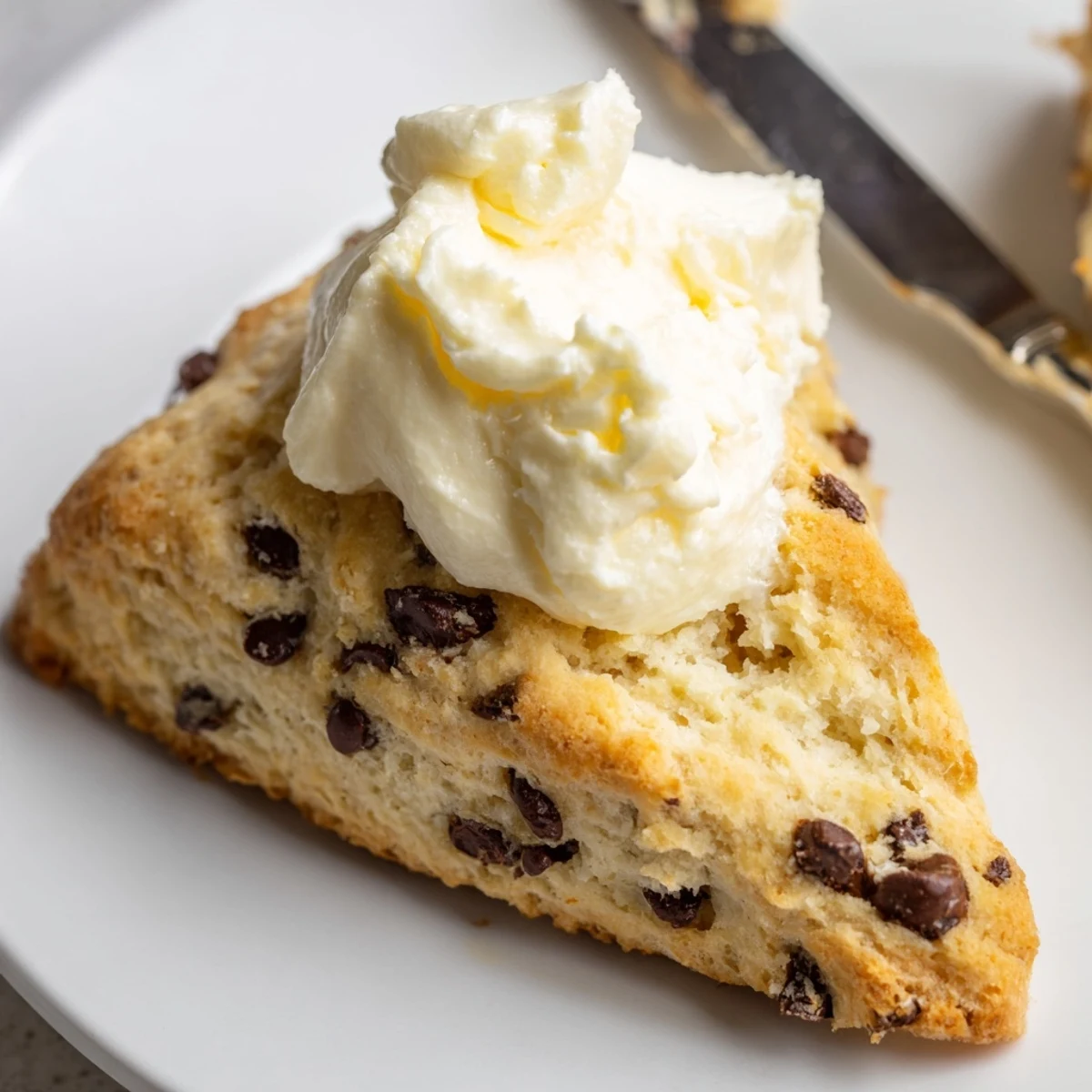
 These tender scones blend buttery dough with semi-sweet chocolate chips, baked to a golden finish. Served warm, they pair perfectly with smooth clotted cream, making a delightful option for breakfast or afternoon tea. The dough’s subtle vanilla and careful mixing keep the texture light and flaky, while brushing tops with milk creates an inviting crust. Adapt with cinnamon or orange zest for a flavor twist, and store fresh in airtight containers for up to two days.
There's something about the smell of butter melting in a warm oven that takes me right back to a rainy Sunday when my neighbor popped over with a tin of clotted cream and asked if I had anything sweet to go with tea. I didn't, but I had flour, chocolate chips, and just enough confidence to figure it out. These scones turned out so tender and studded with chocolate that she's been requesting them ever since, usually with zero notice.
I made a triple batch for my book club once, thinking I was being clever, and somehow ended up with only three left by the time people arrived. Everyone stood in the kitchen passing them around warm, sneaking bites with their coffee, and I realized this wasn't just a recipe—it was a conversation starter.
Ingredients
- All-purpose flour (2 cups): The backbone of a tender scone; don't sift it unless your flour is lumpy, or you'll overwork the dough and lose that delicate crumb.
- Granulated sugar (1/4 cup): Just enough sweetness to balance the richness without making them taste like dessert.
- Baking powder (1 tbsp): This is your lift—make sure it's fresh, or your scones will be dense and sad.
- Salt (1/2 tsp): A small but mighty ingredient that wakes up the chocolate and butter flavors.
- Cold unsalted butter (1/2 cup, cubed): Cold is the keyword here; warm butter won't give you those tender, flaky layers that make scones worth eating.
- Whole milk (2/3 cup plus extra for brushing): The liquid that brings everything together; it's gentle and won't toughen the dough like water would.
- Large egg (1): Adds richness and helps everything bind without needing too much milk.
- Pure vanilla extract (1 tsp): A whisper of vanilla that rounds out the flavor without shouting.
- Semi-sweet chocolate chips (3/4 cup): The stars of the show; fold them in gently so they stay whole and you get proper chocolate pockets.
- Clotted cream (1 cup to serve): This is non-negotiable; it's the reason people come back for seconds.
Instructions
- Get your oven ready:
- Preheat to 400°F and line a baking sheet with parchment paper. A hot oven is crucial for that beautiful golden top and tender crumb inside.
- Dry ingredients meet:
- Whisk flour, sugar, baking powder, and salt in a large bowl until everything is evenly distributed. This is your only chance to mix dry ingredients without overworking them.
- Butter in, crumbs out:
- Add cubed cold butter and use a pastry cutter or your fingertips to break it down until the mixture looks like coarse breadcrumbs. You want visible little bits of butter—those become the layers.
- Wet ingredients combine:
- Whisk milk, egg, and vanilla in a separate bowl until smooth. This step takes 30 seconds but sets you up for success.
- Bring it together gently:
- Pour the wet ingredients into the dry and mix with a wooden spoon or spatula until just combined—stop as soon as you don't see dry flour. Overmixing is the enemy of tender scones.
- Chocolate chips fold in:
- Scatter chocolate chips over the dough and fold them in with a few gentle strokes until they're distributed. Don't crush them; let them keep their shape.
- Shape and divide:
- Turn dough onto a lightly floured surface and gently pat it into a 1-inch-thick round. Using a sharp knife, cut it into 8 wedges like a pizza, then place them on your prepared baking sheet with a little space between each one.
- Golden brush:
- Give each scone a light brush of milk on top. This gives you that signature glossy, golden finish.
- Bake until golden:
- Bake for 16–18 minutes until the tops are a deep golden brown and a toothpick inserted into the center comes out clean. The edges should look set, not soft.
- Cool and serve:
- Let them rest for just a few minutes—they're still cooking slightly inside. Serve warm or at room temperature piled high with clotted cream.
 Save Pin
 There was this one morning when my daughter decided scones were the only acceptable thing for breakfast, and we made them together while she stood on a stool wearing an apron that covered her entire body. She got more chocolate on herself than in the dough, but when she bit into the warm scone with clotted cream, her whole face lit up—that's when I understood why this recipe will always be in my rotation.
The Science of Tender Scones
The secret to tender scones is all about keeping everything cold and avoiding overworking the dough. When butter stays in discrete, cold pieces throughout the flour, it creates steam pockets as it melts in the oven, which gives you those delicate, flaky layers. The moment you cream the butter or knead the dough too much, you're developing gluten and squishing out the air—and that's when scones turn into hockey pucks.
Chocolate Chip Placement Matters
I used to distribute chocolate chips by stirring them in aggressively, which meant some bites had none and others had a chocolate bomb. Now I fold them in gently at the very end, right before shaping, so they stay whole and spread throughout evenly. This also prevents them from melting and bleeding chocolate color into the dough before it even bakes.
Serving and Storage Wisdom
Fresh scones are magical, especially when they're still warm and the clotted cream melts into the crumbs. They're best within a few hours of baking, but wrapped tightly in an airtight container, they'll keep for up to two days and can be gently reheated.
- Leftover scones can be split and lightly toasted the next day, then topped with cream and jam for a second life.
- For a flavor twist, try adding a pinch of cinnamon or orange zest to the dry ingredients if you're feeling adventurous.
- If you don't have clotted cream, a dollop of whipped cream and a spoonful of jam is a classic alternative, though clotted cream really is the way to go.
 Save Pin
 These scones have become my quiet joy on weekend mornings and my reliable answer when someone asks if I can bring something to share. There's real comfort in a warm scone and good cream.
Recipe FAQs
- → How do I achieve tender scones?
-
Use cold butter and handle the dough gently to prevent gluten development. Cutting butter into flour until coarse crumbs form ensures flakiness.
- → Can I substitute milk in the mixture?
-
Yes, buttermilk adds a tangy note and can replace whole milk for a slightly different flavor and texture.
- → What is the best way to bake them evenly?
-
Cut the dough into even wedges and space them on the baking sheet to allow proper heat circulation and uniform browning.
- → How should I serve these scones?
-
Serve warm or at room temperature with generous dollops of clotted cream to complement the chocolate chips.
- → Can I add other flavors to this dough?
-
Yes, adding a pinch of cinnamon or orange zest enhances the flavor without overpowering the chocolate chips.