
 Save Pin
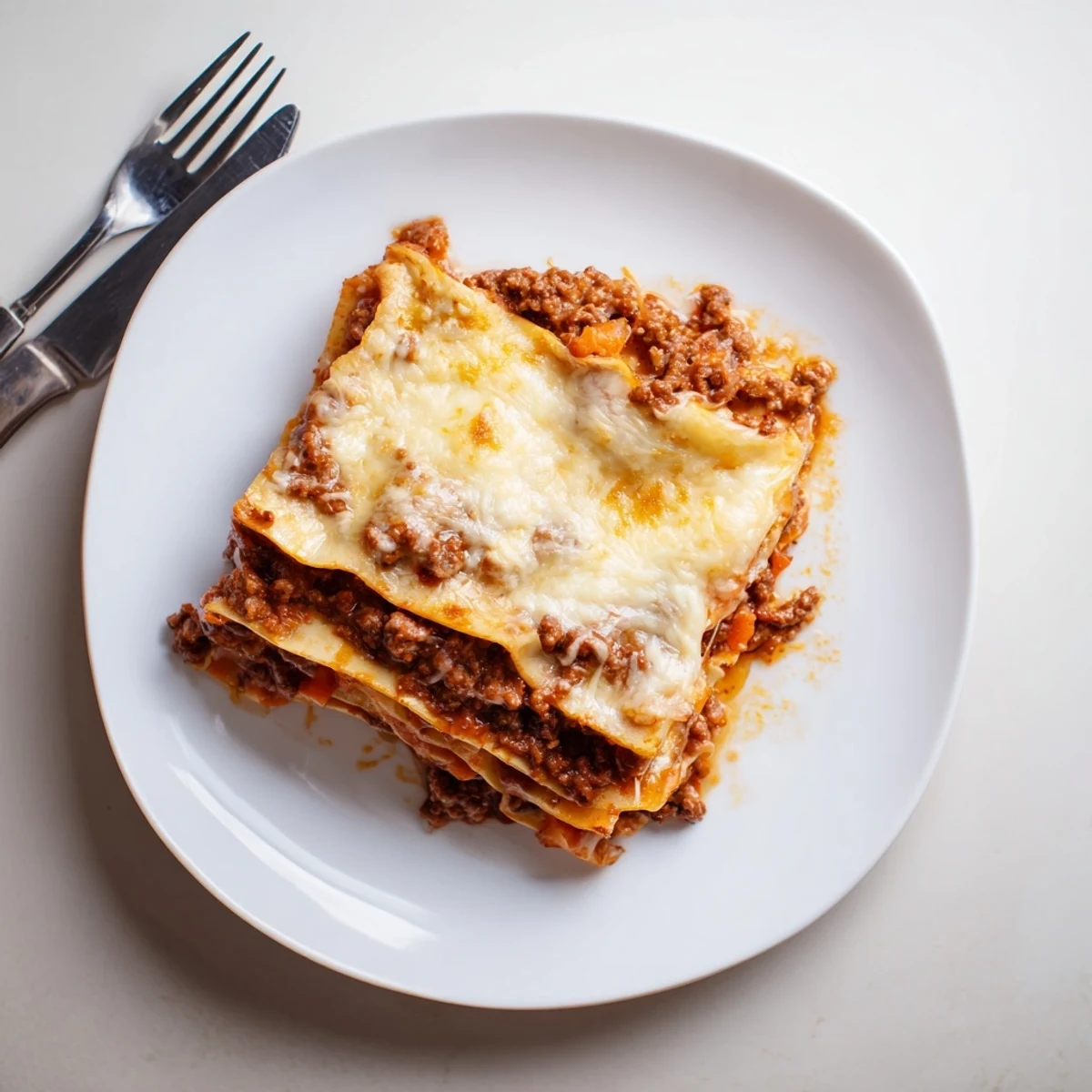
 This traditional Italian lasagne brings together three essential components: a deeply flavorful beef ragù simmered with aromatic vegetables, herbs, and wine; a velvety béchamel sauce seasoned with nutmeg; and layers of tender pasta. The assembly creates distinct strata that bake into a cohesive, satisfying dish. After an hour in the oven, the cheese forms a golden crust while the edges become caramelized and crisp. Allowing the lasagne to rest for 15 minutes before serving ensures clean slices and lets the layers set properly.
The aroma of simmering ragù filled my tiny apartment kitchen, curling around doorframes and drifting into the hallway where my neighbor actually knocked to ask what I was making. That Sunday afternoon project wasn't just about dinner anymore, it was about claiming something real in a world of takeout containers and microwave meals.
My brother came over unexpectedly that evening, and we ended up eating standing up at the counter, burning our tongues because we could not wait those fifteen minutes. He called me the next day to say he'd dreamed about it. That's when I knew this recipe was something special.
Ingredients
- 2 tablespoons olive oil: Creates the foundation for your ragù, use something you'd drizzle on finished dishes
- 1 large onion, finely chopped: The sweetness builds as it cooks, becoming almost meltingly soft
- 2 carrots, diced: Adds natural sweetness and depth without tasting like vegetables
- 2 celery stalks, diced: Essential aromatic base that provides subtle earthiness
- 3 garlic cloves, minced: Fresh minced cloves release more oils than pre chopped versions
- 750 g ground beef: Higher fat content (15-20%) yields more flavorful ragù
- 2 tablespoons tomato paste: Concentrated umami that deepens during the caramelization step
- 800 g canned crushed tomatoes: Whole tomatoes crushed by hand feel more authentic than pre crushed
- 125 ml dry red wine: The alcohol evaporates but leaves behind complex fruity notes
- 1 teaspoon dried oregano: Mediterranean brightness that cuts through the richness
- 1 teaspoon dried basil: Sweet herbal complement to the oregano
- 1 teaspoon salt: Essential for bringing all flavors forward
- ½ teaspoon black pepper: Freshly cracked adds more complexity than pre ground
- 1 teaspoon sugar: Balances acidity from canned tomatoes, especially if they seem particularly sharp
- 60 g unsalted butter: Control your seasoning better than with salted butter
- 60 g all purpose flour: This ratio creates the perfect velvety consistency
- 800 ml whole milk, warmed: Cold milk creates lumps, room temperature prevents that disaster
- ¼ teaspoon ground nutmeg: The secret ingredient that makes béchamel taste professional
- ½ teaspoon salt: White sauce needs more salt than you'd expect
- ¼ teaspoon white pepper: Invisible specks in white sauce, black pepper looks messy here
- 12 no boil lasagne sheets: No boiling means no torn noodles and no frustration
- 150 g grated mozzarella: Fresh mozzarella creates those beautiful cheese pulls in photos
- 60 g grated Parmesan: Aged Parm adds the salty, nutty finish that ties layers together
Instructions
- Build Your Flavor Foundation:
- Heat olive oil in your largest skillet over medium heat, then add onion, carrot, and celery. Let these soften for six to eight minutes, stirring occasionally until they're translucent and fragrant. This aromatic base, called soffritto in Italian cooking, creates depth that becomes the backbone of your entire dish.
- Develop the Meat:
- Add garlic and stir for just one minute until fragrant, then add ground beef. Break it apart with your spoon as it cooks, letting it brown thoroughly and develop those caramelized bits on the bottom of the pan that taste like pure comfort.
- Add Depth Layers:
- Stir in tomato paste and let it cook for two full minutes, watching as it darkens slightly and becomes almost paste like. Pour in the red wine and let it bubble away until mostly evaporated, concentrating those wine flavors into something rich and complex.
- Create the Ragù:
- Add crushed tomatoes, oregano, basil, salt, pepper, and sugar if using. Let everything simmer uncovered for thirty to forty minutes, stirring occasionally until the sauce thickens and coats the back of your spoon. The ragù should look glossy and deeply colored, with small pools of oil rising to the top.
- Start the Béchamel Base:
- Melt butter in a separate saucepan over medium heat, then whisk in flour. Cook this roux for one to two minutes, whisking constantly until it smells slightly nutty and no longer raw.
- Create the White Sauce:
- Gradually whisk in warm milk, about half a cup at a time, letting each addition fully incorporate before adding more. Continue whisking over medium heat for six to eight minutes until thickened enough to coat the back of a spoon. Season with nutmeg, salt, and white pepper, then remove from heat.
- Prepare for Assembly:
- Preheat your oven to 180°C and grab your 23x33 cm baking dish. Spread the thinnest possible layer of ragù across the bottom to prevent noodles from sticking.
- Build First Layer:
- Arrange lasagne sheets in a single layer, breaking pieces as needed to fit. Spread one quarter of the ragù evenly over noodles, then follow with one quarter of the béchamel, spreading it as gently as possible to cover the ragù layer.
- Repeat and Layer Up:
- Create three more identical layers, ending with béchamel on top. The final layer should look like a creamy white canvas waiting for its golden crown.
- Add the Cheese Crown:
- Sprinkle mozzarella and Parmesan evenly across the top, covering every corner. This cheese layer will bubble and brown into that irresistible crispy cheesy crust everyone fights over.
- Bake Covered:
- Cover loosely with foil, tenting it slightly so cheese doesn't stick, and bake for thirty minutes. The foil traps steam that helps cook the no boil noodles through completely.
- Create the Golden Crust:
- Remove foil and bake for another fifteen to twenty minutes until the top is golden brown and bubbling furiously around the edges. Your kitchen should smell absolutely incredible by now.
- The Hardest Part:
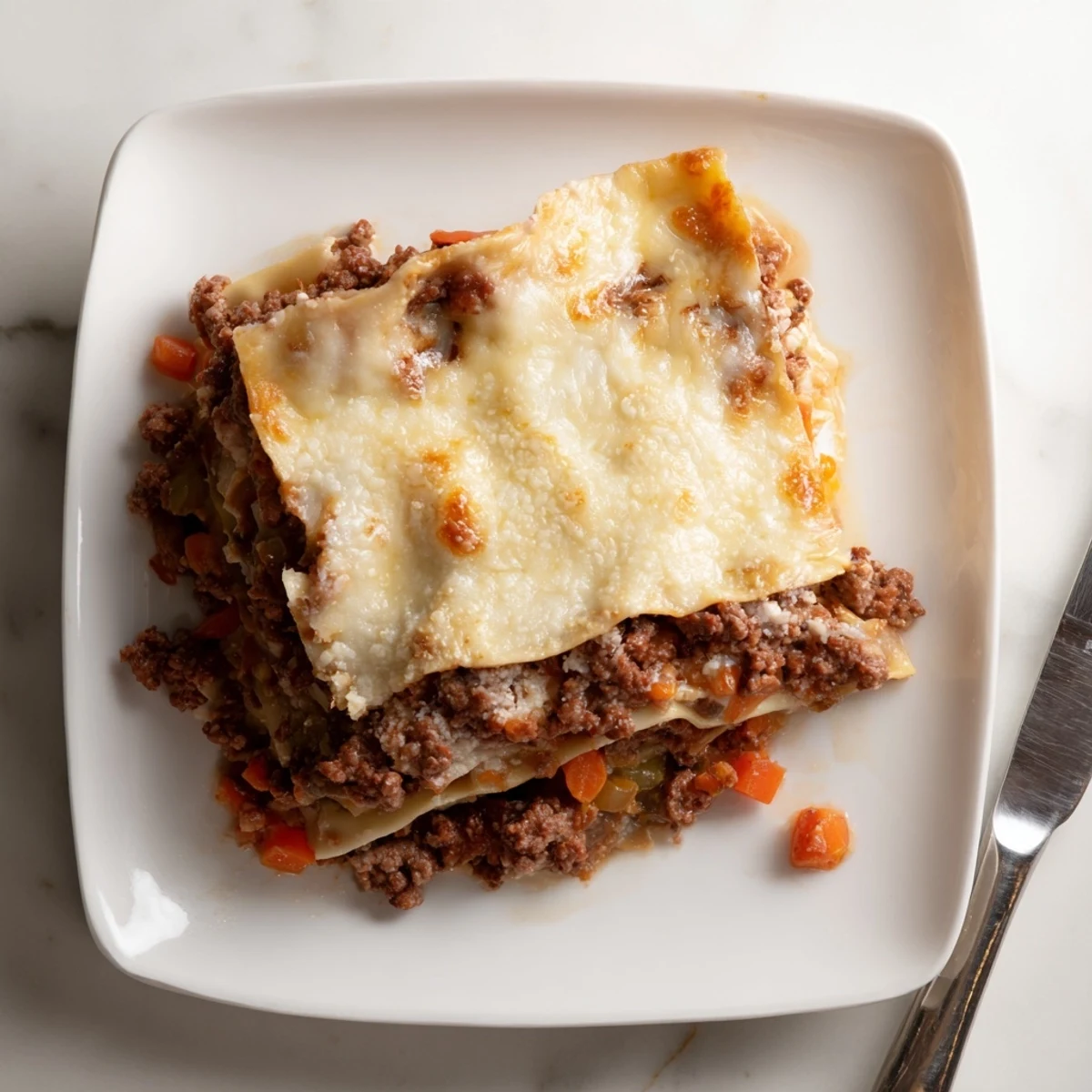
- Let the lasagne rest for fifteen minutes before slicing. This wait time feels impossible when you're hungry, but it's essential for clean slices and letting flavors settle into each layer.
 Save Pin
 Last Christmas, my grandmother finally admitted that my lasagne might be better than hers, which I consider the ultimate victory. She still uses her recipe, but she asks for mine when the whole family comes over.
Making It Your Own
I've made this with ground pork mixed into the beef, and the extra fat creates an incredibly rich ragù. My vegetarian sister uses plant based crumbles and actually prefers the lighter version now, though she still misses the cheese pull.
Troubleshooting Common Problems
If your lasagne seems watery after baking, try letting the ragù simmer longer next time until it's almost paste like. I learned this the hard way when my first attempt turned into soup, though my roommates still devoured it standing at the counter.
Serving Suggestions
A simple green salad with sharp vinaigrette cuts through the richness beautifully. I also love crusty garlic bread for sopping up any sauce that escapes, though my Italian friends say that's too much carbs with pasta.
- Let leftovers cool completely before refrigerating, and they'll slice even better the next day
- Freeze individual portions wrapped tightly for those emergency comfort food nights
- The assembled but unbaked lasagne freezes perfectly for up to three months
 Save Pin
 There's something profoundly satisfying about serving homemade lasagne to people you love, watching their eyes close at that first bite. This dish has become my go to for birthdays, bad days, and everything in between.
Recipe FAQs
- → Why does lasagne need to rest before serving?
-
Resting allows the layers to set and firm up slightly, making it easier to cut clean portions. This also lets the extremely hot interior cool to an enjoyable eating temperature and helps flavors meld together.
- → Can I assemble this ahead of time?
-
Yes, assemble the entire dish up to 24 hours in advance, cover tightly, and refrigerate. You may need to add 10-15 minutes to the baking time since it will go into the oven cold.
- → What type of beef works best?
-
Ground beef with 15-20% fat content provides the best flavor and texture. Lean beef can make the ragù dry, while very fatty beef may require draining excess oil before assembling.
- → Why do you simmer the ragù uncovered?
-
Uncovered simmering allows excess moisture to evaporate, concentrating the flavors and creating a thick, rich sauce that won't make the lasagne soggy during baking.
- → Can I freeze leftover lasagne?
-
Absolutely. Cut individual portions, wrap tightly in plastic and foil, and freeze for up to 3 months. Thaw overnight in the refrigerator before reheating at 180°C (350°F) until hot throughout.
- → What's the purpose of sugar in the ragù?
-
Sugar balances the acidity of canned tomatoes, creating a more rounded flavor profile. It's optional but recommended if your tomatoes taste particularly sharp or metallic.