
 Save Pin
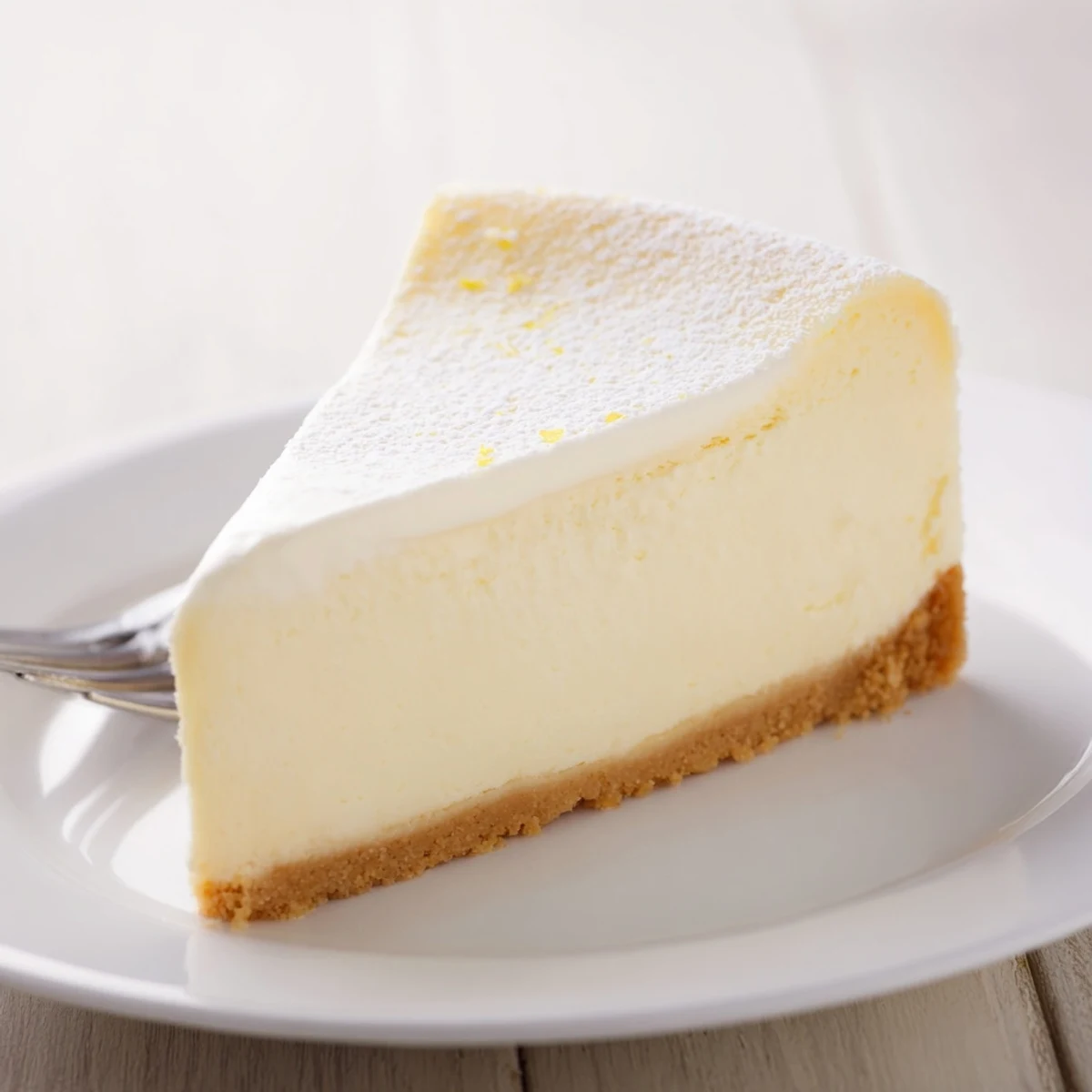
 This classic cheesecake delivers a silky, dense filling atop a buttery graham cracker crust. Soften and beat cream cheese until smooth, then fold in sugar, eggs, sour cream, flour, vanilla and a touch of lemon. Bake gently at 160°C (325°F) until the center is just set, cool slowly inside the oven, then chill for at least four hours before slicing. Top with sour cream or fresh berries.
The summer my oven thermostat broke was the summer I learned to truly respect cheesecake, because even with a faulty gauge I could tell when the center still had that perfect, barely there shimmy that means everything went right.
I brought this to a potluck once and watched a friend who never eats dessert go back for a second slice while pretending to chat near the serving table.
Ingredients
- Graham cracker crumbs (200 g): Fresh crumbs make a huge difference, so crush your own if you have the patience for it.
- Unsalted butter, melted (100 g): This binds the crust and adds richness, and cooling it slightly before mixing prevents a greasy layer.
- Granulated sugar for crust (2 tbsp): Just enough sweetness to round out the base without competing with the filling.
- Cream cheese, softened (900 g): Full fat is nonnegotiable here, and it must be properly softened or you will fight lumps all afternoon.
- Granulated sugar for filling (200 g): Added gradually so it dissolves evenly into the cheese without overbeating.
- Large eggs, room temperature (3): Cold eggs can cause the batter to seize, so set them out early.
- Sour cream (240 ml): This is what gives the filling its signature tang and velvety texture.
- Vanilla extract (2 tsp): Good quality extract quietly lifts every other flavor in the cheesecake.
- All-purpose flour (2 tbsp): A small amount that stabilizes the batter and helps prevent cracks.
- Lemon juice (1 tbsp): Brightens the richness just enough to keep each bite from feeling heavy.
- Sour cream for topping (240 ml): Creates that classic deli style blanket on top.
- Powdered sugar (2 tbsp): Sweetens the topping gently without any graininess.
- Vanilla extract for topping (1 tsp): A final fragrant note to finish the presentation.
Instructions
- Prep the pan and oven:
- Heat your oven to 160 degrees C (325 degrees F) and line the bottom of a 23 cm springform pan with parchment so nothing sticks when you release it later.
- Build the crust:
- Toss the graham crumbs with melted butter and sugar until everything feels like damp sand, then press it firmly and evenly into the bottom of the pan. Bake for 10 minutes until it smells toasty and set it aside to cool.
- Start the filling:
- Beat the cream cheese in a large bowl until completely smooth, scraping down the sides once or twice, then gradually pour in the sugar and mix until silky.
- Add the eggs and flavorings:
- Drop in one egg at a time, beating after each until just incorporated, then fold in the sour cream, vanilla, flour, and lemon juice without overworking the batter.
- Pour and smooth:
- Pour the filling over your cooled crust and use a spatula to coax it into an even layer, smoothing the top so it bakes uniformly.
- Bake with patience:
- Bake for 45 minutes until the edges are set but the center still wobbles like gelatin when you gently nudge the pan, then kill the heat, crack the oven door, and let it sit inside for one full hour.
- Chill thoroughly:
- Move the cheesecake to the counter until it reaches room temperature, then refrigerate for at least 4 hours or preferably overnight so it sets into something sliceable.
- Finish with the topping:
- Stir together sour cream, powdered sugar, and vanilla until smooth, then spread it over the cold cheesecake right before serving for a clean, creamy crown.
 Save Pin
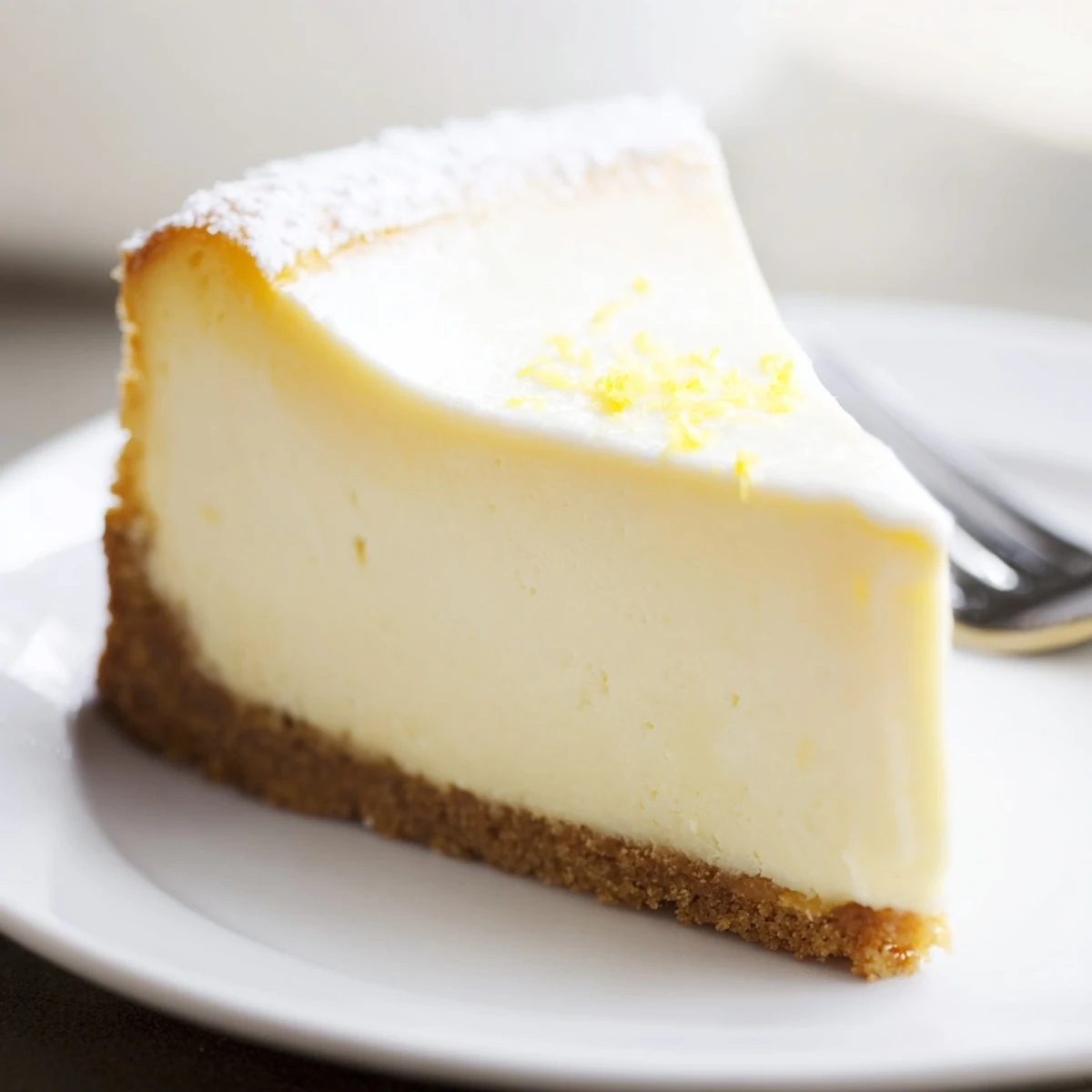
 There is something deeply satisfying about releasing that springform pan ring and seeing a pristine, crack free cheesecake sitting there like a small triumph.
The Art of the Crack Free Surface
Cracks are not the end of the world, but avoiding them comes down to three things: room temperature ingredients, minimal mixing once the eggs go in, and that slow cooling period in a turned off oven.
Serving and Pairing Ideas
Fresh berries are the obvious partner, but a thin drizzle of salted caramel or a handful of toasted pecans can take this into completely different territory.
Make Ahead and Storage
This cheesecake actually improves after a night in the fridge, which makes it the ideal dessert to prepare a day ahead when you have guests coming.
- Wrap it tightly in plastic once fully chilled and it keeps for up to five days.
- Freeze individual slices on a parchment lined tray, then store in a bag for up to two months.
- Always thaw frozen slices in the refrigerator, never on the counter, to maintain the texture.
 Save Pin
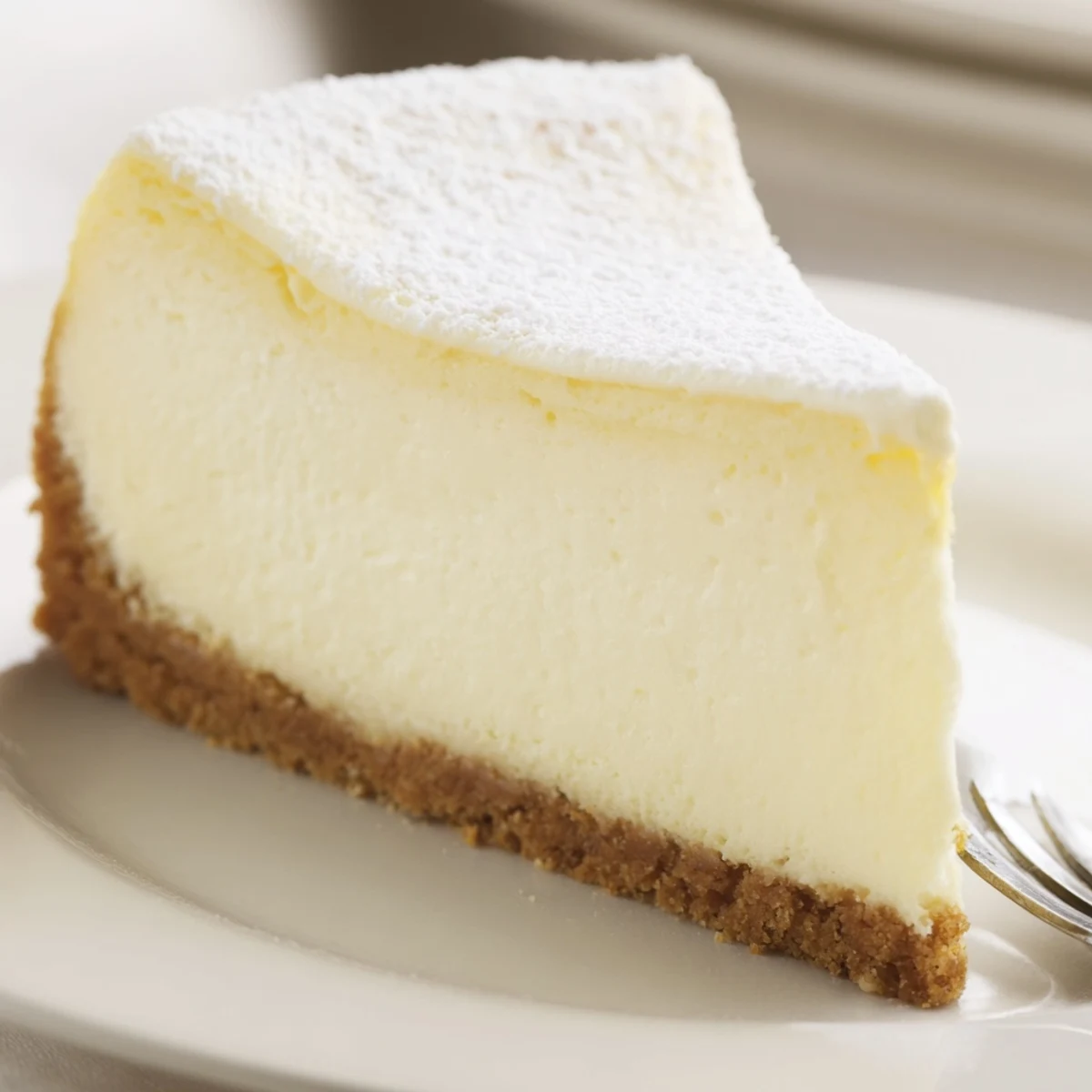
 Every cheesecake you make teaches you something new about patience, and this one rewards every minute you spend waiting for it.
Recipe FAQs
- → How do I prevent cracks on the surface?
-
Bake at a moderate temperature and avoid overmixing once eggs are added. Cool the cake gradually by cracking the oven door for an hour to reduce sudden temperature change, which helps prevent cracks.
- → Why is the center still wobbly after baking?
-
A slightly wobbly center indicates the filling is set but still moist; it will firm up during the cooling and chilling stages. Avoid extended baking that dries the edges.
- → Can I swap the graham crust for another base?
-
Yes. Use crushed digestive biscuits, shortbread, or crushed cookies mixed with melted butter. Press firmly and prebake briefly to hold the filling.
- → How can I add a citrus twist?
-
Fold in finely grated lemon or orange zest and a tablespoon of fresh lemon juice into the filling for bright citrus notes without altering texture.
- → What is the best way to store leftovers?
-
Cover the chilled cheesecake tightly and refrigerate for up to 4–5 days. For longer storage, freeze slices wrapped well; thaw in the fridge before serving.
- → Can I substitute the sour cream in the filling or topping?
-
Greek yogurt works as a substitute for sour cream in both filling and topping, though it may be slightly tangier; adjust sweetness if needed.