
 Save Pin
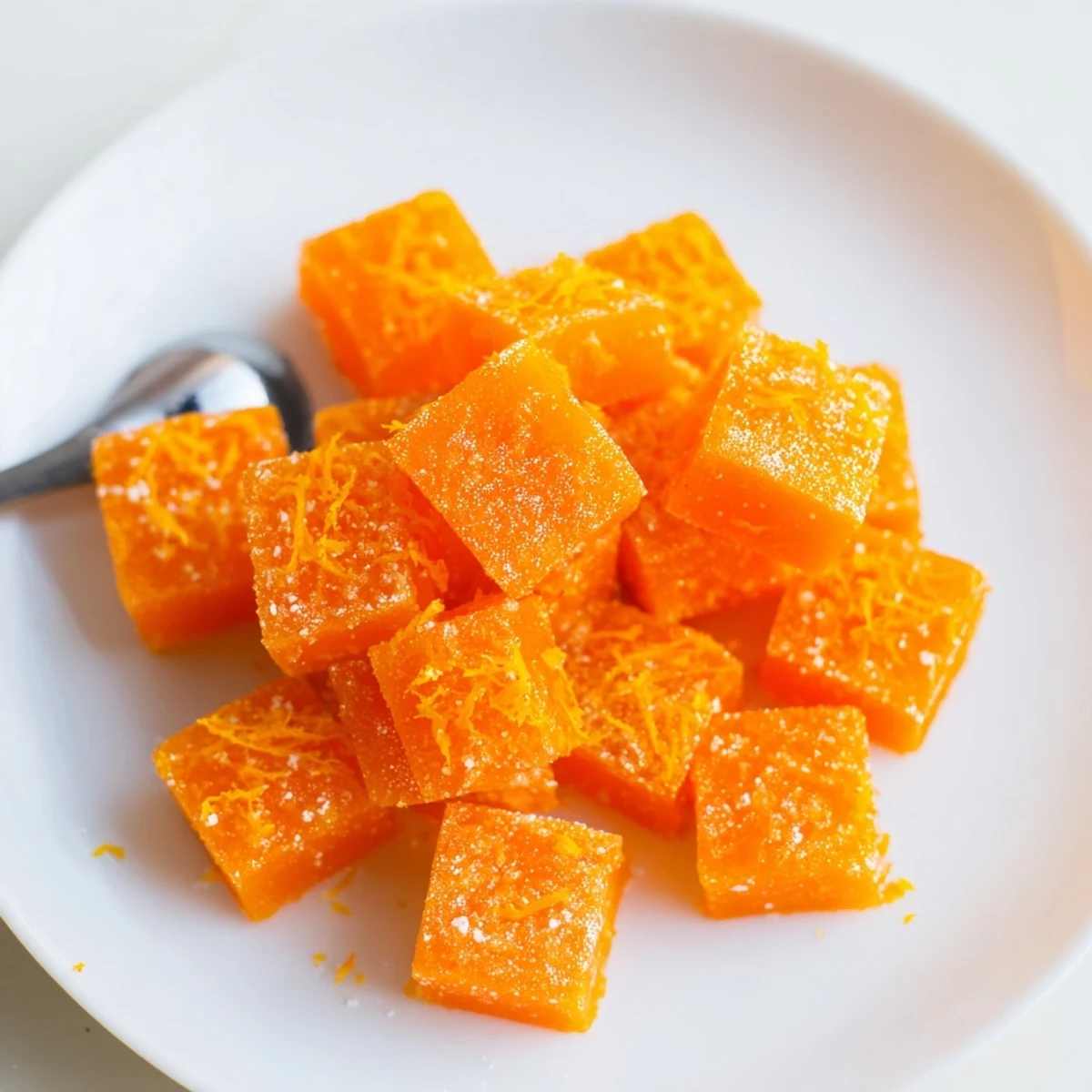
 Bright, chewy orange candies made from fresh juice, zest, sugar and a touch of corn syrup. Cook the syrup to the soft‑ball stage, dissolve bloomed gelatin, then pour into a lined pan to set for 2–3 hours. Cut into squares and roll in sugar. Use natural orange coloring for vivid hue, or swap agar for a vegetarian gel. Serve with tea or package as nostalgic gifts.
When orange season rolls around and my kitchen fills with boxes of produce from friends, my mind always races for ways to use up the bounty. The first time I made these homemade orange candies, the aroma of zest and simmered juice was so lively it even made the neighbor’s cat linger near the window. They’re chewy, bright, and still remind me of watching sunlight wedge itself between jars cooling on the sill. Somehow, peeling those sticky sweet squares from the pan always feels like a little victory.
Last winter, I brought a tin of these citrusy treats to a board game night and found them disappearing faster than the snacks. Watching my friends dust orange sugar from their fingers onto cards was proof that homemade candy brings out the kid in all of us—messy hands and laughter included.
Ingredients
- Freshly squeezed orange juice: The brighter the juice the bigger the flavor so pick robust oranges and strain any seeds.
- Orange zest: Zest gives deep floral notes—use a fine grater and avoid the bitter white pith for best results.
- Granulated sugar: It brings structure and shine—if you prefer less sweetness use a slightly scant measure but don’t skip it.
- Light corn syrup or glucose syrup: This keeps the candies smooth and prevents unwanted crystals forming.
- Water: Needed for both the syrup and blooming the gelatin—measure carefully or the candy may be too sticky or firm.
- Powdered gelatin (or agar-agar for vegetarian): Gelatin gives the classic chewy bite—blooming it first makes it fully dissolve and avoids lumps.
- Extra granulated sugar: Coating the candies with this adds sparkle and keeps the pieces from sticking together in storage.
Instructions
- Prep the pan:
- Line an 8x8-inch pan with parchment and lightly oil it making sure the corners are smooth so the candy releases easily.
- Bloom the gelatin:
- In a small bowl sprinkle gelatin over cold water and let it stand until spongy—don’t rush this or you’ll get lumps.
- Mix the orange base:
- Combine orange juice orange zest sugar corn syrup and water in a saucepan—stir gently over medium heat until the grains vanish and it smells irresistible.
- Cook to the soft-ball stage:
- Turn up the heat and watch as the syrup bubbles—when the thermometer reads 240 °F the bubbles look thick and the scent is sweetly intense.
- Add gelatin and finish:
- Remove from the heat and quickly stir in the bloomed gelatin—mix until it’s glossy and perfectly smooth without any streaks.
- Pour and cool:
- Pour the orange mixture into the prepared pan and let it cool untouched at room temperature for 2–3 hours until completely set.
- Cut and coat:
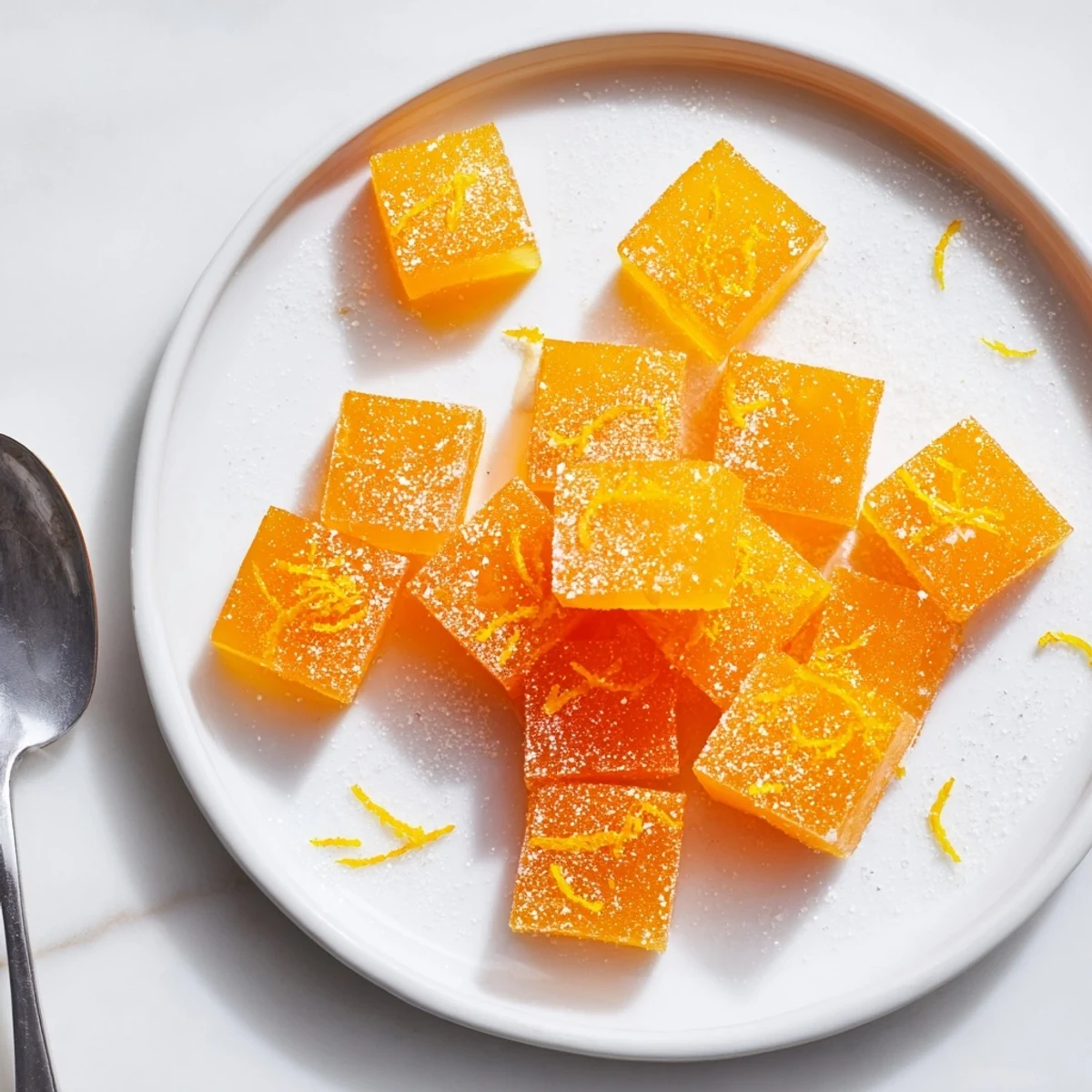
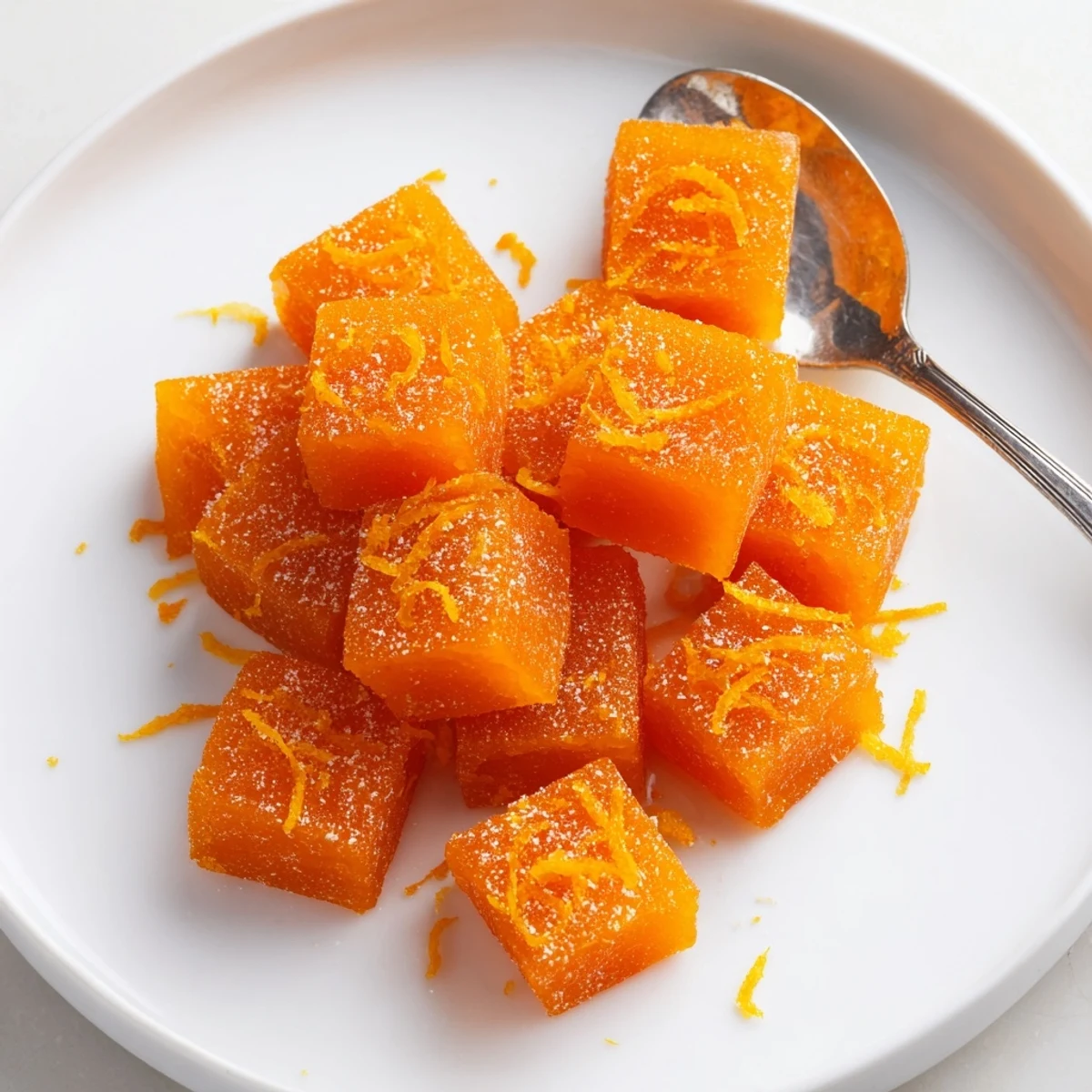
- Liberate the firm slab and cut it into squares—toss each in extra sugar so they glimmer like tiny gems.
- Stash away:
- Pack the candies in an airtight container with parchment between layers to keep them fresh and dreamy.
 Save Pin
 I’ll never forget the look on my cousin’s face when she realized the orange candies she loved as a child could actually be made in a home kitchen. Sometimes a batch of sweets becomes an excuse for a family story to resurface and for us to linger at the kitchen table just talking and sneaking just one more piece.
Choosing Your Oranges Makes All the Difference
Blood oranges produce a rosy jewel-toned candy and Cara Caras give a gentle berry note so I sometimes split the juice for color and flavor. The season and variety change the intensity—you’ll know the best oranges by their strong scent when you scratch the peel at the market.
Candy Thermometers and Kitchen Lessons
If you don’t own a candy thermometer you can test the syrup by dropping a bit into cold water—it should turn into a soft, pliable ball. But honestly the thermometer takes away all the guesswork and makes it so much easier to get that perfect chewy texture every time.
Tweaks and Troubleshooting on the Fly
My first batch was a little too pale for my taste so I added a drop of natural orange food coloring and instantly loved the bright pop. Don’t hesitate to try lemon or grapefruit juice for new flavors—the method stays the same and your tastebuds stay surprised.
- If you end up with sticky candies just coat them again in sugar after a day.
- Let the slab cool fully or the candies will be hard to cut cleanly.
- Use a lightly oiled knife for tidy edges without tearing.
 Save Pin
 It’s funny how something as ordinary as an orange can turn into candy that feels special every single time. May yours bring bright bites and a sticky-fingered smile or two to your day.
Recipe FAQs
- → What temperature should the candy base reach?
-
Cook the syrup to 240°F (115°C), the soft‑ball stage. That temperature gives a tender, chewy set once chilled; use a reliable candy thermometer and avoid excessive stirring during the final boil.
- → Can I substitute gelatin with agar-agar?
-
Yes. Swap gelatin for agar-agar following package conversion guidelines. Agar sets firmer and requires different handling—dissolve fully at the recommended temperature and expect a slightly different, more brittle texture.
- → How do I prevent a grainy texture?
-
Dissolve sugar completely over medium heat, rinse down pan sides to remove crystals, include a bit of corn syrup to inhibit recrystallization, and avoid stirring once boiling. Strain the hot syrup before adding gel if needed.
- → How can I boost the orange flavor?
-
Use extra freshly squeezed juice and generous zest. Briefly steep zest in the hot syrup to extract oils, and add a drop of natural orange extract or oil sparingly for a brighter, more concentrated citrus note.
- → What’s the best way to cut and coat the set slab?
-
Turn the set slab onto parchment, trim edges, and cut with a sharp knife or candy cutter. Toss pieces in extra granulated sugar while slightly tacky or after a short drying period to ensure an even, sparkling coating.
- → How should I store the candies?
-
Layer candies in an airtight container with parchment between layers to prevent sticking. Store in a cool, dry place; refrigeration can firm them up but may introduce moisture if not sealed well.