
 Save Pin
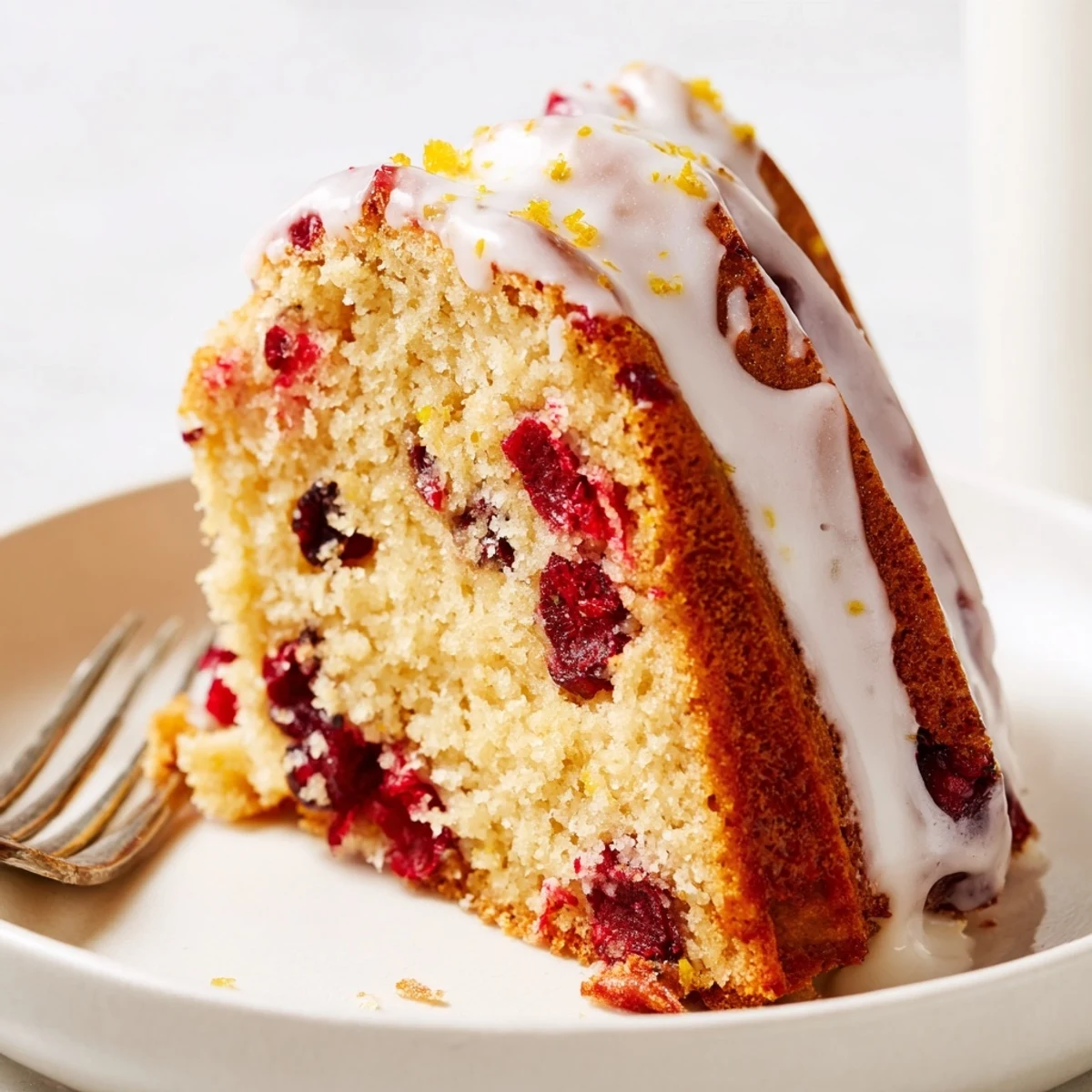
 This moist bundt cake features fresh cranberries folded into a tender batter flavored with orange zest and juice. A light glaze of powdered sugar and orange juice adds a sweet citrus finish. Perfectly balanced flavors create a festive dessert that shines year-round. Preparation involves mixing dry and wet ingredients separately, gently folding in cranberries tossed with flour to prevent sinking, then baking to a golden finish. Ideal served cooled, it pairs wonderfully with sparkling wine or coffee for celebrations or casual treats.
The first time I made this cake was in early November, when my neighbor brought over a bag of fresh cranberries from her garden and challenged me to do something interesting with them. I'd never worked with cranberries in a cake before, but the bright tartness seemed like it wanted a citrus partner. I zested two oranges right there at the kitchen counter, filling the air with that sharp, hopeful smell, and something just clicked—this cake needed to exist.
I baked this for a holiday potluck where everyone brought something heavy and predictable, and this cake showed up in its gorgeous Bundt form, the glaze still glistening. One guest took a slice and actually closed her eyes—that moment made the whole recipe feel worthwhile, like I'd managed to bottle something that tasted the way December mornings feel.
Ingredients
- All-purpose flour (2 ½ cups): The backbone of the cake; make sure it's fresh because old flour can make the crumb dense instead of tender.
- Baking powder and baking soda (2 tsp and ½ tsp): These two work together to lift the cake without making it taste metallic—don't skip the soda, it balances the cranberry tartness.
- Salt (½ tsp): A tiny amount that makes the orange and cranberry flavors pop without anyone tasting salt directly.
- Unsalted butter (1 cup): Room temperature is non-negotiable here; cold butter won't cream properly and you'll lose that fluffy texture.
- Granulated sugar (1 ¾ cups): This sweetness needs to be generous because it's fighting against two tart ingredients.
- Eggs (4 large): Room temperature eggs incorporate more easily and create a smoother batter; cold eggs can make the mixture break.
- Orange zest (1 tbsp): Fresh zest matters enormously—it carries oils that bottled zest simply can't match, and you want to see tiny specks of bright orange throughout the cake.
- Fresh orange juice (½ cup): Use freshly squeezed if you can; the difference in brightness is real and worth the effort.
- Vanilla extract (1 tsp): It quietly holds everything together and prevents the cake from tasting one-dimensional.
- Sour cream (½ cup): This adds moisture and a subtle tang that plays beautifully with the cranberries; Greek yogurt works too if you prefer.
- Fresh or frozen cranberries (2 cups): Frozen cranberries actually work better here because they stay intact instead of bleeding into the batter, but don't thaw them first or they'll stain everything pink.
- Powdered sugar (1 cup) and orange juice (2-3 tbsp) for glaze: This simple finish brings the whole cake together with a glossy sweetness and one last hint of citrus.
Instructions
- Heat your oven and prepare the pan:
- Set the oven to 350°F and grease your Bundt pan generously with butter, then dust it with flour—get into all those ridges so nothing sticks. A well-prepared pan is the difference between a beautiful cake and a frustrating one.
- Mix the dry team:
- Whisk flour, baking powder, baking soda, and salt in a medium bowl and set it aside. This step ensures everything distributes evenly through the batter instead of creating pockets of baking powder.
- Cream butter and sugar until clouds form:
- Beat the softened butter and sugar together for 3–4 minutes until it's pale, fluffy, and looks almost like frosting. This incorporates air, which is what gives the cake its tender crumb.
- Add eggs one by one:
- Drop in one egg, beat until it vanishes, then add the next—this method keeps the batter emulsified and prevents it from breaking. It takes an extra minute but it matters.
- Introduce the orange brightness:
- Mix in the orange zest, orange juice, and vanilla extract, and stop yourself from wanting to taste the bowl right there. The zest will scatter throughout like little flavor grenades.
- Layer in the dry ingredients with gentleness:
- Add half the flour mixture on low speed until barely combined, then add the sour cream, then the remaining flour. Overmixing toughens the cake, so stop as soon as you don't see streaks of flour anymore.
- Fold in the cranberries like you mean it:
- Toss the frozen cranberries with 2 tbsp of flour first to coat them lightly—this prevents them from all sinking to the bottom. Then fold them into the batter gently so they stay whole and don't bleed color everywhere.
- Pour into the pan and tap out trapped air:
- Spoon the batter into your prepared Bundt pan and smooth the top, then tap the pan on the counter a few times to release any air bubbles that would create holes in the finished cake.
- Bake until golden and set:
- Bake for 50–60 minutes until a toothpick inserted in the thickest part comes out clean or with just a few moist crumbs. The cake will smell incredible and the top will be deep golden brown.
- Cool with patience:
- Let the cake rest in the pan for 15 minutes—this allows the structure to set without tearing. Then invert it onto a wire rack and let it cool completely before glazing.
- Glaze with elegance:
- Whisk powdered sugar with 2–3 tbsp of fresh orange juice until it's smooth and pourable, then drizzle it over the cooled cake. It will pool slightly in the ridges and create a beautiful finish.
 Save Pin
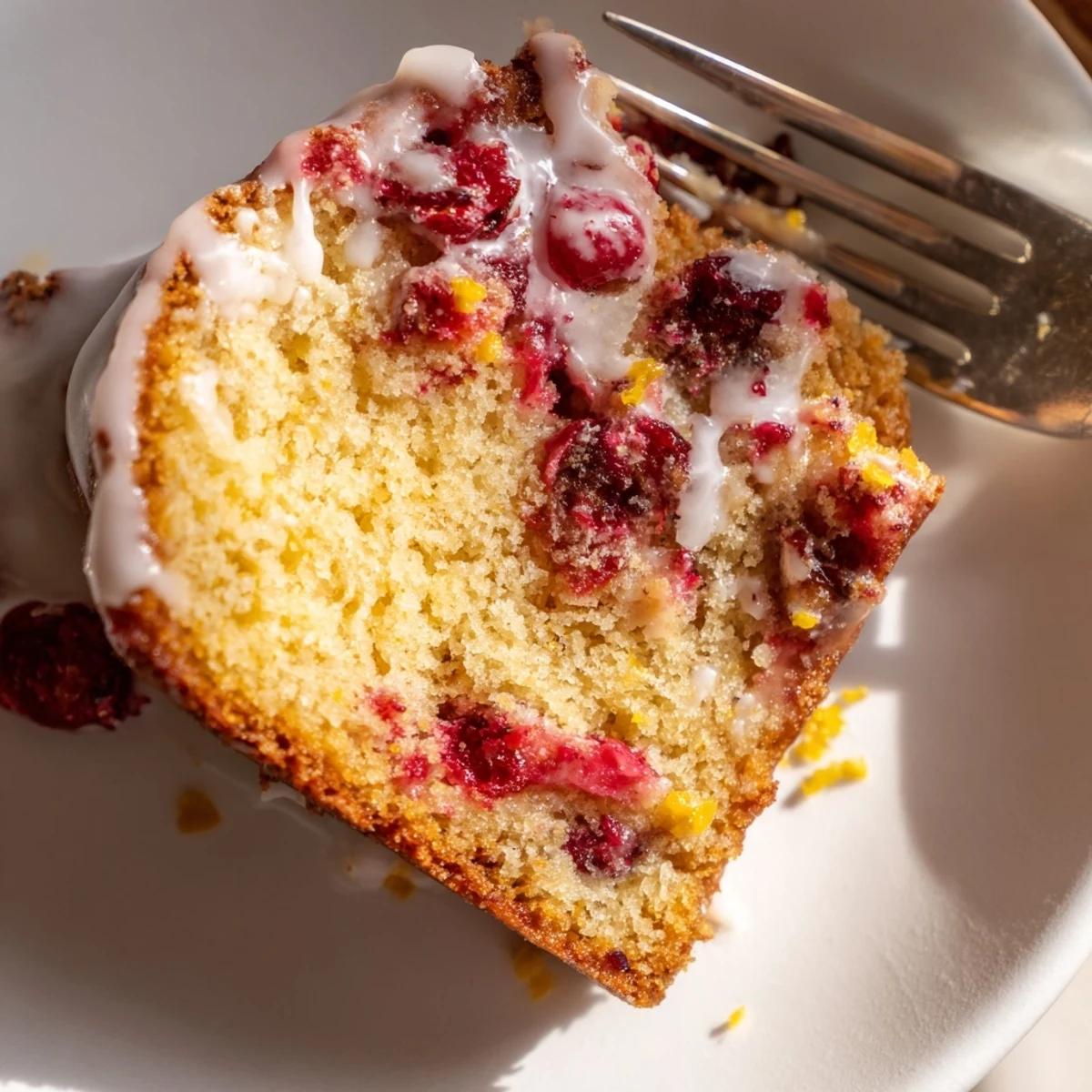
 My mother actually asked me to bake this for her book club because, she said, it looked like something that belonged in a holiday magazine. That felt like the highest compliment from someone who grew up on simple, honest food.
Why This Cake Works
The magic here is tension—tart cranberries versus sweet cake, bright citrus versus rich butter, delicate structure versus bold flavor. Nothing overwhelms anything else; instead, they balance each other. The sour cream adds moisture that keeps the cake tender even days later, and the frozen cranberries stay distinct instead of dissolving. This isn't a cake where you're chasing nostalgia; it's one you're creating fresh memories with.
Flavor Variations Worth Trying
If you want to nudge the flavor in different directions, add ¼ tsp almond extract alongside the vanilla—it whispers in the background and enhances both the cranberry and orange without announcing itself. Some people love dusting the finished cake with more orange zest for visual impact and one last citrus hit. The glaze can be thinner for a delicate drizzle or thicker for a more substantial coat; it's your cake, so make it your way.
Serving Moments and Pairings
This cake feels right with sparkling wine or champagne, especially in that first-week-of-December moment when you're easing into holiday entertaining. It's equally perfect with strong coffee in the morning, when you slice into yesterday's cake and the flavors have deepened overnight. Serve it plain or dust it with a tiny bit of powdered sugar for elegance; it doesn't need frosting because the glaze is already there doing its job.
- The cake keeps beautifully wrapped at room temperature for three days, and the flavors actually improve on day two.
- Make it a day ahead for a dinner party so you're not stressed about timing and can focus on the rest of your menu.
- If you want to make this year-round, it's just as good in summer with a cup of tea as it is in December with cinnamon-spiced hot chocolate.
 Save Pin
 This cake has become the one I reach for when I want to make something that feels both comfortable and special. It's not fussy, but it looks like you cared, and that's the whole point of baking for people you like.
Recipe FAQs
- → How do I prevent cranberries from sinking?
-
Toss fresh or frozen cranberries with a bit of flour before folding into batter; this helps keep them evenly distributed during baking.
- → What pan is best for this bundt?
-
A 10-cup Bundt pan works best to ensure even cooking and the signature shape of the cake.
- → Can I substitute sour cream?
-
Yes, Greek yogurt can be used instead of sour cream for a similar texture and tang.
- → How do I achieve extra citrus flavor?
-
Adding additional orange zest or a splash of almond extract along with vanilla enhances the cake’s aroma and taste.
- → What is the ideal baking temperature and time?
-
Bake at 350°F (175°C) for 50–60 minutes or until a toothpick inserted in the center comes out clean.
- → How should the glaze be prepared?
-
Whisk powdered sugar with fresh orange juice until smooth and drizzle over fully cooled cake for a bright citrus finish.