
 Save Pin
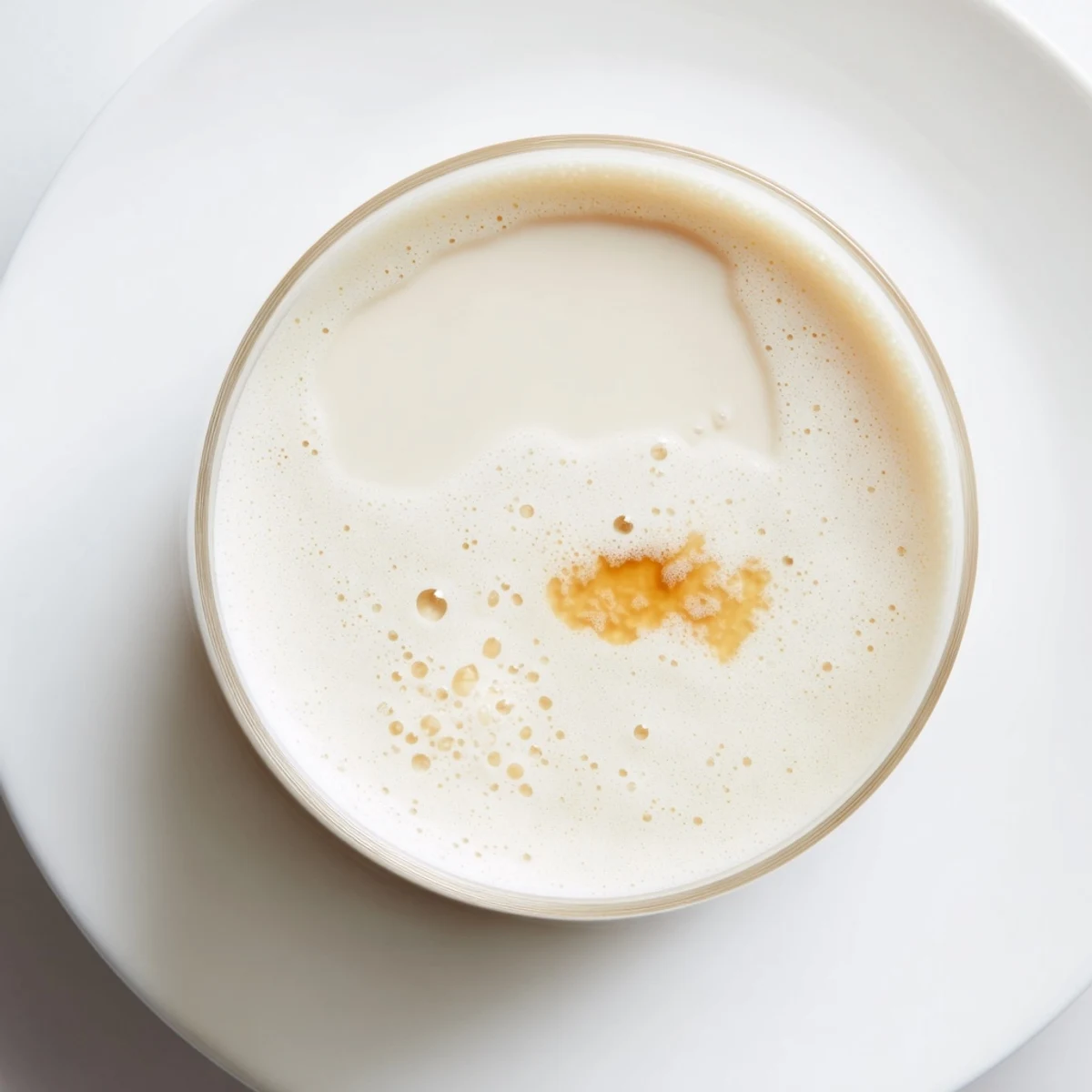
 Craft your own silky almond milk using soaked almonds blended with fresh filtered water. This simple method produces a rich, creamy beverage without additives or preservatives. The process involves soaking raw nuts overnight, blending until smooth, then straining through a nut milk bag or cheesecloth to achieve that perfectly smooth texture. Customize your batch with pure vanilla extract, maple syrup, or a pinch of sea salt to match your taste preferences. Leftover almond pulp can be repurposed into energy bites or added to baked goods. Store in an airtight container and shake well before each use.
The blender roared at six in the morning, and my roommate stumbled out of her bedroom convinced I was constructing something industrial in the kitchen. I was just making almond milk for the first time, stubbornly refusing to accept that store bought could ever be good enough. The sound was worth it, because what poured out of that nut milk bag was liquid cloud, sweet and alive in a way no carton could replicate.
My friend Elena watched me straining the pulp through cheesecloth and declared it looked like I was milking a ghost. We laughed until our sides hurt, and now every time I make a batch I text her a picture of my ghost milking setup.
Ingredients
- Raw almonds (1 cup): Use truly raw, not roasted or salted, because the creaminess depends on those plump, pale nuts soaking up water like little sponges.
- Filtered water (4 cups): Your milk will taste like your water, so if your tap water has a chlorine personality, use filtered.
- Maple syrup or honey (1 to 2 tablespoons, optional): A little sweetness rounds everything out, and maple brings a warm, autumnal depth that honey cannot quite match here.
- Vanilla extract (1 teaspoon, optional): This transforms plain almond milk into something that feels like a treat, not a health project.
- Sea salt (pinch, optional): Just a tiny whisper of salt makes the sweetness and nuttiness sing together.
Instructions
- The overnight soak:
- Place your almonds in a bowl and drown them in plenty of water, then tuck them into the fridge for at least eight hours or overnight until they look fat and happy and slightly bloated.
- Blend until frothy:
- Drain and rinse the soaked almonds well, then dump them into your blender with four cups of fresh filtered water and blast on high for one to two minutes until the mixture looks creamy white and slightly warm from the friction.
- Sweeten if you want:
- Add maple syrup, vanilla extract, and that tiny pinch of sea salt, then blend for just a few seconds to fold everything together without overworking it.
- Strain the milk:
- Drape your nut milk bag or cheesecloth over a large bowl or jug, pour the blended mixture through it, and watch the silky milk separate from the sandy pulp below.
- Squeeze like you mean it:
- Gather the cloth or bag tight and squeeze firmly with both hands to wring out every last drop, because that last press yields the richest, most flavorful milk.
- Bottle and chill:
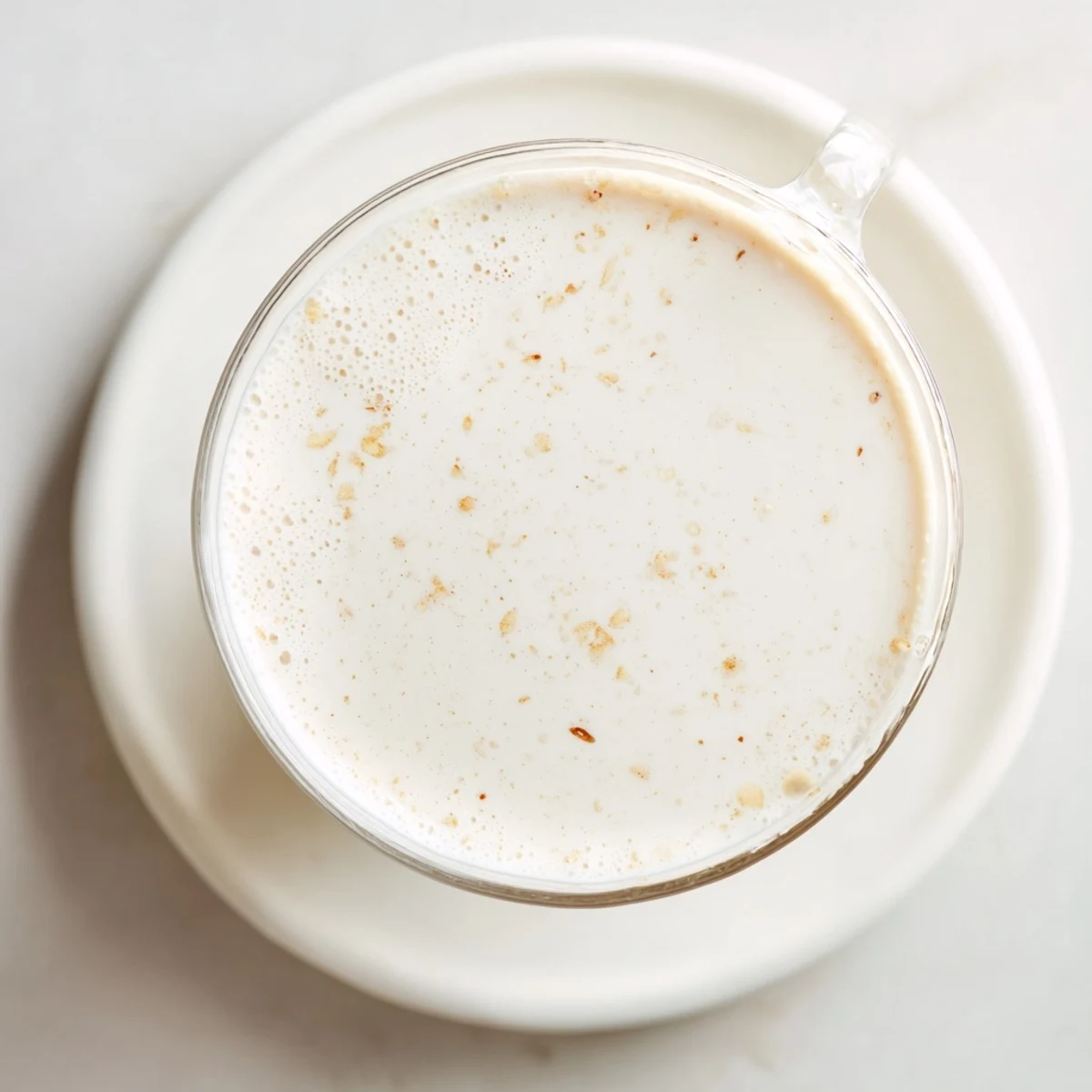
- Pour your fresh almond milk into a clean glass bottle or jar, seal it, and store it in the refrigerator where it will keep beautifully for four to five days.
 Save Pin
 I started saving the leftover almond pulp in a container in the freezer, and after a week I had enough to make a batch of energy bites that disappeared within an hour at a potluck.
Choosing Your Almonds
Not all raw almonds are created equal, and I learned this after buying a discount bag that produced milk tasting vaguely like cardboard and disappointment. Look for almonds that are plump, uniform in color, and smell faintly sweet when you open the bag. Organic is lovely if you can find it, but fresh and truly raw matters more than any certification sticker.
Getting The Texture Right
The ratio of almonds to water is really a matter of personal religion. Four cups of water gives you something pourable and light, perfect for cereal or coffee. Drop it to three cups and you get a lush, almost cream like liquid that turns smoothies into milkshakes.
Fun Flavor Variations
Plain almond milk is a beautiful canvas, and once you have the basic method down, the rabbit hole of flavor possibilities opens wide. I have gone through phases with nearly everything in my spice cabinet.
- Stir in a tablespoon of cocoa powder and a little extra maple syrup for rich chocolate almond milk.
- Drop a whole cinnamon stick into your storage bottle for subtle, warm spice that infuses over a couple of days.
- Add a pitted date or two during blending for caramel like sweetness without any refined sugar.
 Save Pin
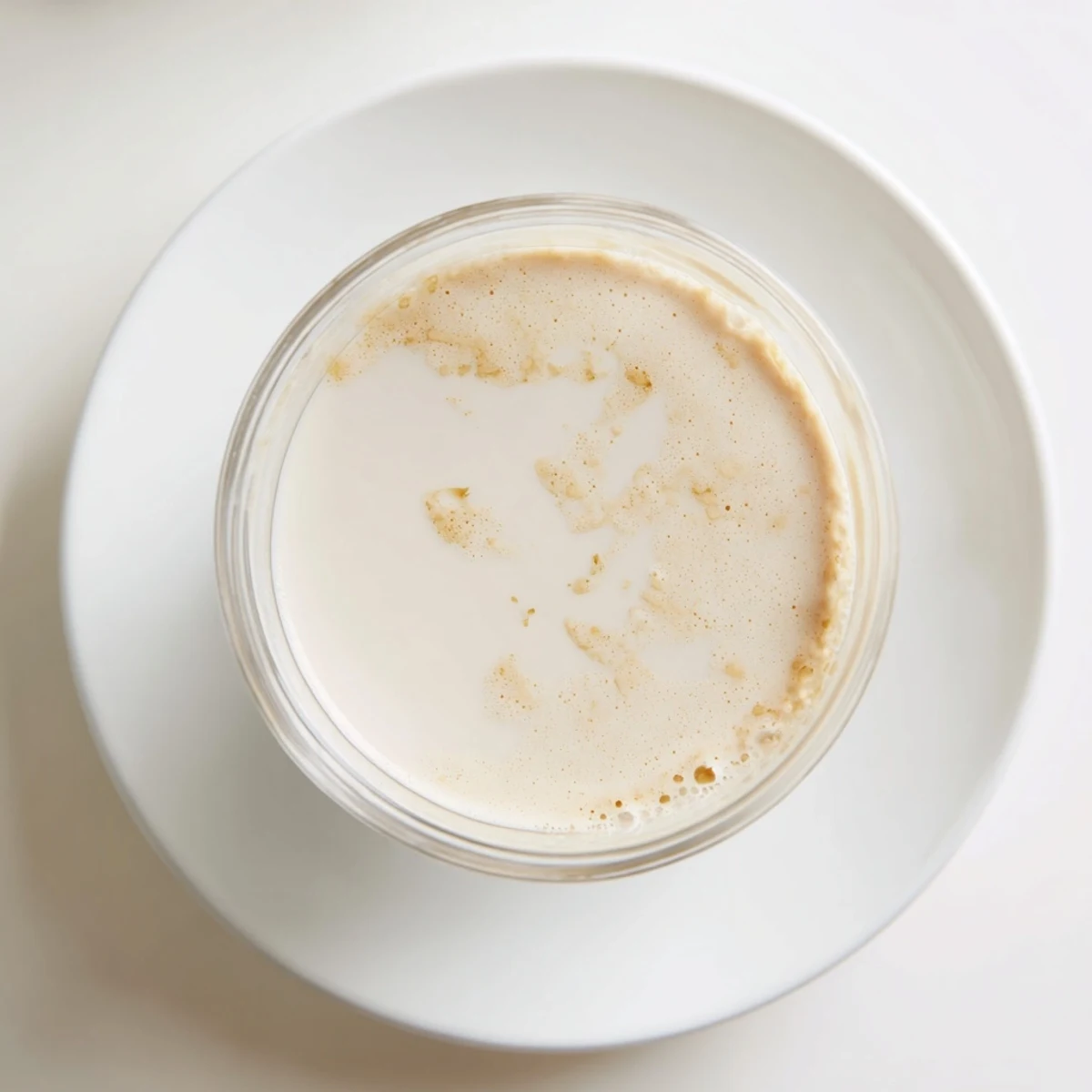
 Making almond milk from scratch is one of those small acts of kitchen magic that turns an ordinary morning into something worth savoring. Pour yourself a cold glass straight from the bottle and enjoy the quiet satisfaction of having made something wonderful with your own hands.
Recipe FAQs
- → How long do almonds need to soak before blending?
-
Soak almonds for at least 8 hours or overnight in plenty of water. This softens the nuts, making them blend smoothly and release more creaminess. Drain and rinse thoroughly before blending with fresh water.
- → Can I make almond milk without a nut milk bag?
-
A nut milk bag works best, but you can use a fine mesh strainer lined with several layers of cheesecloth. Pour slowly and press firmly with a spoon to extract all the liquid. The result may be slightly textured but still delicious.
- → How should I store homemade almond milk?
-
Keep in a clean glass bottle or jar in the refrigerator for 4-5 days. Shake well before pouring since separation is natural. The milk may taste freshest in the first 3-4 days. Discard if you notice any off smells or sour taste.
- → What can I do with leftover almond pulp?
-
Don't waste the pulp! Spread it on a baking sheet and dry at low temperature to use as almond flour. Blend into smoothies, mix into oatmeal, or add to cookie and muffin batters for extra fiber and nutrition.
- → Can I skip the sweetener and vanilla?
-
Absolutely. Unsweetened almond milk works beautifully in savory dishes or if you prefer controlling sweetness in each serving. Add sweetener later when pouring over cereal or blending into smoothies. The plain version is incredibly versatile.