
 Save Pin
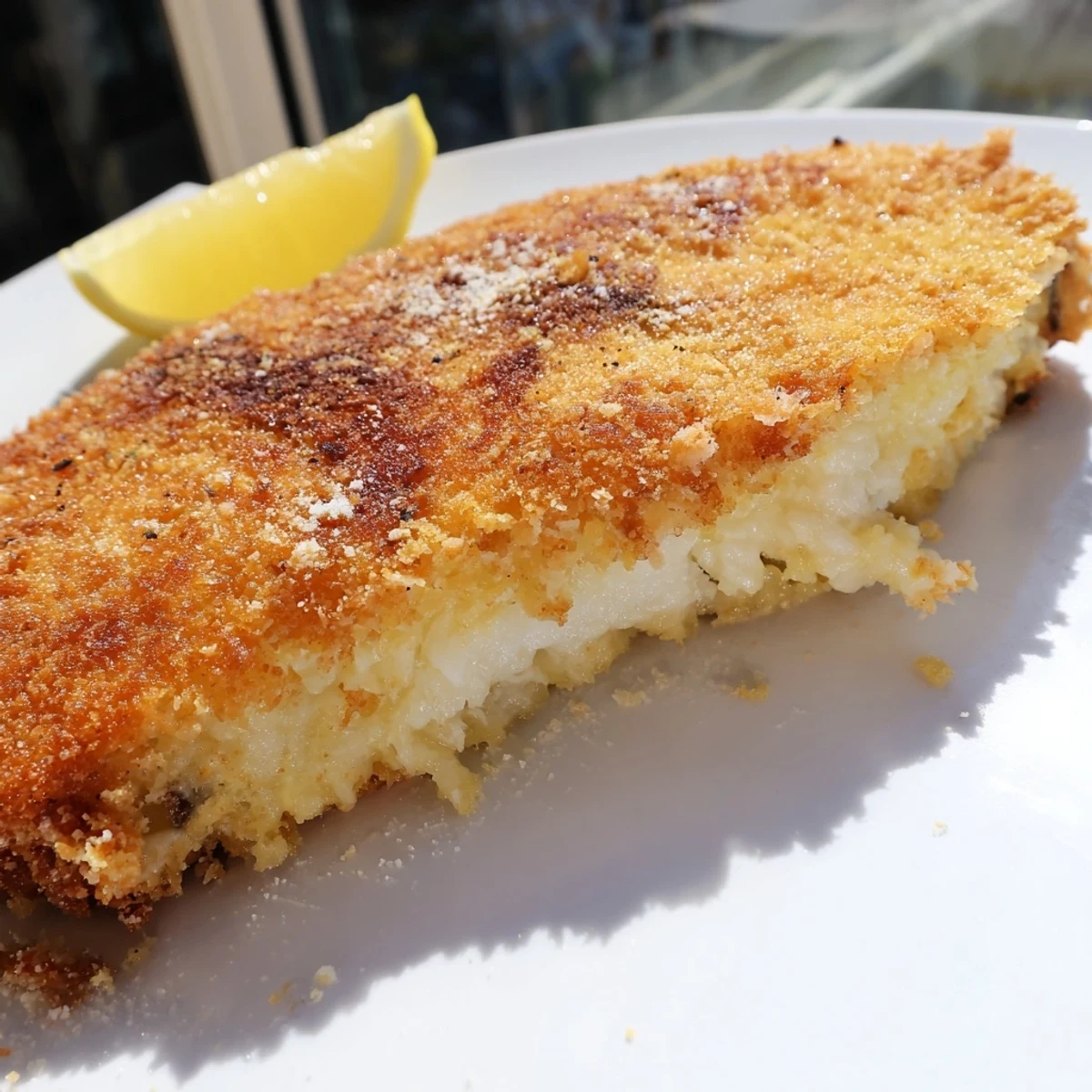
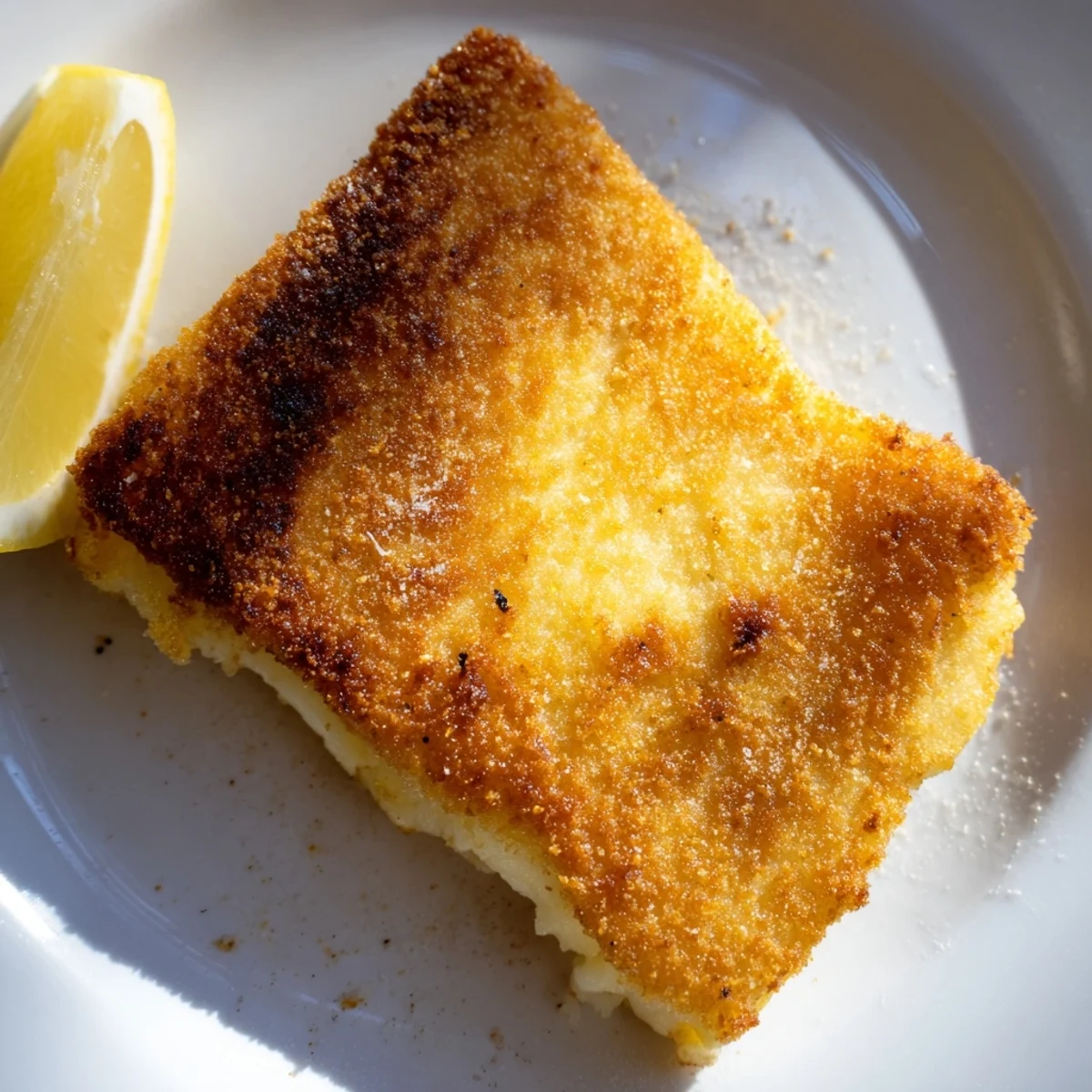
 This beloved Greek specialty transforms firm cheese into golden, crispy wedges with a irresistibly melty center. The traditional Saganaki preparation involves coating Kefalotyri, Graviera, or Halloumi in lightly seasoned flour, then pan-frying until each side develops a beautiful golden crust. The contrast between the crunchy exterior and soft, warm interior creates an irresistible texture combination.
Perfect as an appetizer or shared plate, these cheese wedges shine when served immediately with fresh lemon wedges—the bright citrus cuts through the rich dairy for perfect balance. The entire process takes just 20 minutes from start to finish, making it an impressive yet effortless addition to any Mediterranean-inspired gathering.
The first time I encountered saganaki was in a tiny taverna in Athens, where the waiter flamed the cheese tableside with a dramatic flourish. I've since learned that the home version, without the fire theatrics, delivers the same irresistible crunch and gooey interior. This recipe has become my go-to for impromptu gatherings because it transforms a block of cheese into something extraordinary.
Last summer, my neighbor stopped by unexpectedly just as I was pulling the first batch from the skillet. We ended up standing at the counter, eating directly from the paper towels, burned fingers be damned. She now requests it every time she comes over, calling it her cheese epiphany.
Ingredients
- 250 g firm Greek cheese: Kefalotyri and Graviera are traditional choices with their sharp salty bite, but Halloumi works beautifully too and what I often use when I can't make it to the Greek market
- 80 g gluten-free flour: This creates the essential crispy shell that keeps the cheese from melting into the pan, and I've found the gluten-free version actually crisps up better than regular flour
- Freshly ground black pepper: A generous grinding adds a subtle warmth that cuts through the richness
- 3 tbsp extra virgin olive oil: You need enough oil to create a shallow fry, and olive oil gives that authentic Mediterranean flavor butter simply can't replicate
- Lemon wedges: Absolutely non-negotiable, the acid brightens everything and makes each bite sing
Instructions
- Prep your cheese:
- Cut the cheese into slices about 1 cm thick, then pat each piece thoroughly with paper towels until completely dry to the touch
- Create the coating station:
- Spread the flour on a plate, grind pepper over it, then dredge each cheese slice, shaking off any excess flour so the coating remains light and even
- Heat your oil:
- Pour the olive oil into a non-stick skillet and let it get properly hot over medium-high heat until it shimmers when you tilt the pan
- Fry to golden perfection:
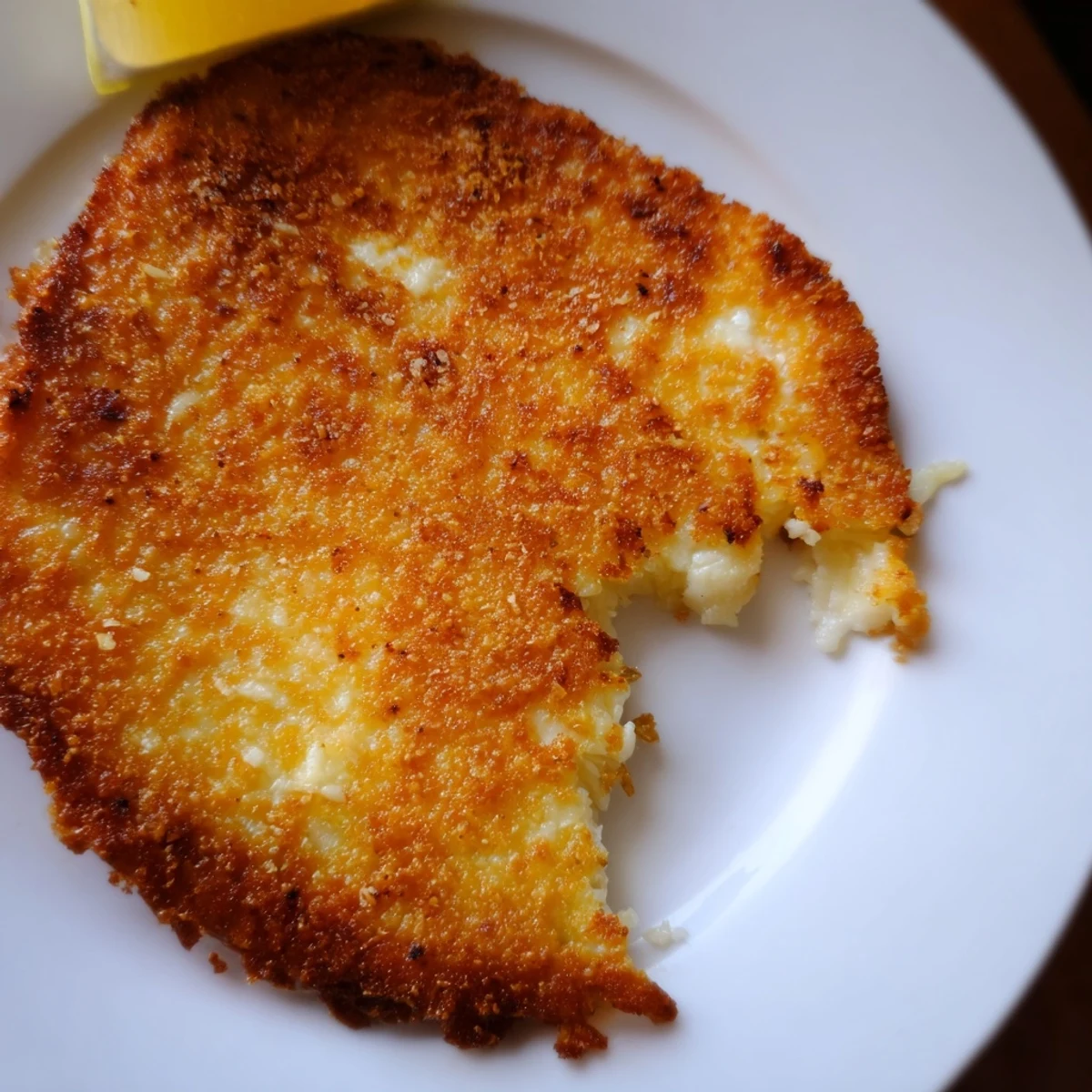
- Lay the cheese slices carefully in the hot oil without overcrowding, and cook for 1 to 2 minutes per side until deep golden brown with a satisfying crust
- Drain and serve immediately:
- Transfer to paper towels to absorb any excess oil, then rush to the table while still sizzling hot with plenty of lemon wedges
 Save Pin
 My daughter now requests this for her birthday dinner every year, and there's something about watching people squeeze lemon over their own portions that makes the whole table feel connected. It's not just food, it's an experience.
Choosing Your Cheese
Through trial and error, I've discovered that the cheese's firmness matters more than the specific variety. Kefalotyri provides the most authentic taste with its aged sharpness, but I've made excellent versions with Halloumi when that's what my grocery store carries. The key is avoiding cheeses that melt too quickly, like soft feta, which will lose their structural integrity the moment they hit hot oil.
Perfecting Your Technique
The most common mistake I see is overcrowding the pan, which drops the oil temperature dramatically and leads to sad, soggy coating instead of the shatteringly crisp exterior you want. Work in batches if necessary, keeping the finished cheese warm in a low oven. Also resist the urge to flip too early, that crust needs time to properly form and develop.
Serving Suggestions
While lemon is traditional and essential, I've discovered some delightful variations over the years. A drizzle of honey creates an incredible sweet and salty combination that's surprisingly addictive, especially alongside a crisp white wine. Sometimes I'll scatter fresh herbs over the platter, like oregano or thyme, which adds a fresh aromatic element that cuts through the richness.
- Try crushed walnuts sprinkled over the honey version for extra texture
- A glass of cold ouzo makes the experience feel genuinely Greek
- Serve as part of a mezze spread with olives and warm bread
 Save Pin
 There's something profoundly satisfying about turning simple ingredients into something that makes people close their eyes with happiness. Maybe that's the real Greek secret, not just the cheese itself but the joy it brings to the table.
Recipe FAQs
- → What cheese works best for frying?
-
Kefalotyri and Graviera are traditional Greek choices, but Halloumi and firm feta also perform beautifully. The key is selecting a cheese that holds its shape when heated and develops a pleasant golden crust without melting completely.
- → Why must the cheese be patted dry?
-
Removing surface moisture prevents excessive splattering during frying and helps the flour coating adhere properly. Dry cheese also crisps more evenly, creating that signature crunchy exterior while keeping the interior perfectly melted.
- → Can I make this ahead of time?
-
Fried cheese is best enjoyed immediately while the exterior remains crisp and the interior is warm and melty. However, you can cut and coat the cheese slices in advance, storing them separated by parchment paper until ready to fry.
- → What's the purpose of serving with lemon?
-
Fresh lemon wedges provide a bright, acidic contrast that cuts through the rich, fried cheese. Squeezing lemon over the hot wedges just before eating balances the flavors and adds a traditional Greek touch that elevates the entire dish.
- → Is this the same as flaming Saganaki?
-
Not exactly. While both use the same cheese preparation, flaming Saganaki involves briefly igniting the cheese tableside with brandy. This version focuses on achieving perfect crispy textures without the flame presentation, though the flavor profile remains similarly delicious.