
 Save Pin
 This classic French Dijon vinaigrette blends Dijon mustard, white wine vinegar and extra-virgin olive oil into a smooth, slightly thick emulsion. Whisk mustard, vinegar, optional honey and garlic, then drizzle in oil while whisking until glossy. Season with salt and pepper; adjust acidity or sweetness. Refrigerate up to one week and stir before serving. Ideal for greens, roasted veg, or marinades.
My friend Claire once watched me dump bottled dressing over a beautiful salad and immediately marched into my kitchen to teach me how wrong I was about vinaigrette taking too much effort.
I stood at her counter whisking awkwardly while she critiqued my technique, and by the end I refused to buy dressing ever again.
Ingredients
- Extra virgin olive oil (3 tablespoons): Use the good stuff here since there are so few ingredients and the flavor really comes through.
- White wine vinegar (1 tablespoon): Red wine vinegar works too, but white keeps the flavor clean and bright.
- Dijon mustard (1 teaspoon): This is the heart of the dressing and what makes it emulsify beautifully.
- Honey or maple syrup (1 teaspoon, optional): A touch of sweetness rounds out the sharpness perfectly.
- Garlic, finely minced (1 small clove, optional): Mince it as finely as you can so no one bites into a harsh piece.
- Sea salt (1/4 teaspoon): Start here and adjust after tasting.
- Freshly ground black pepper (1/8 teaspoon): Always grind it fresh for the best aroma.
Instructions
- Build your base:
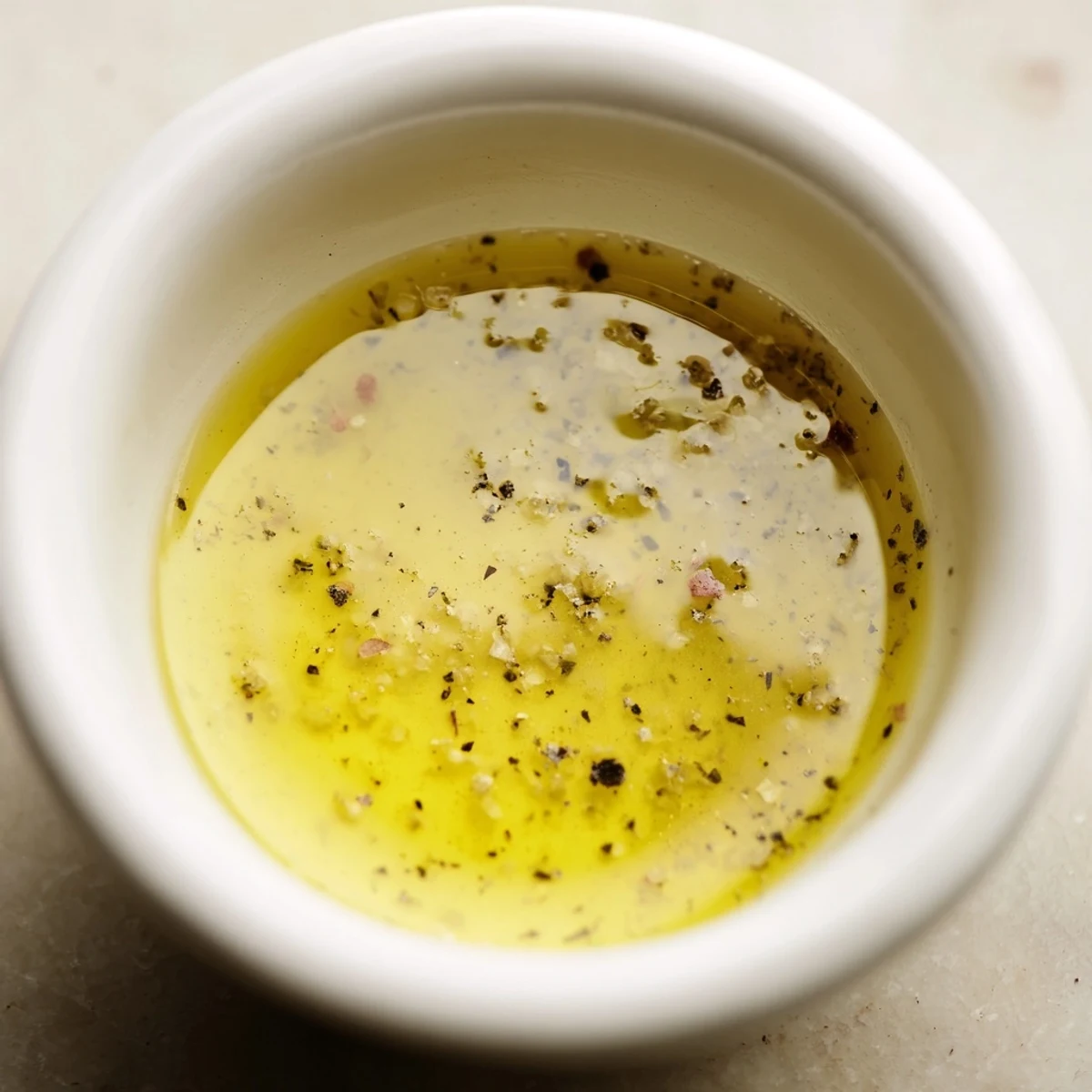
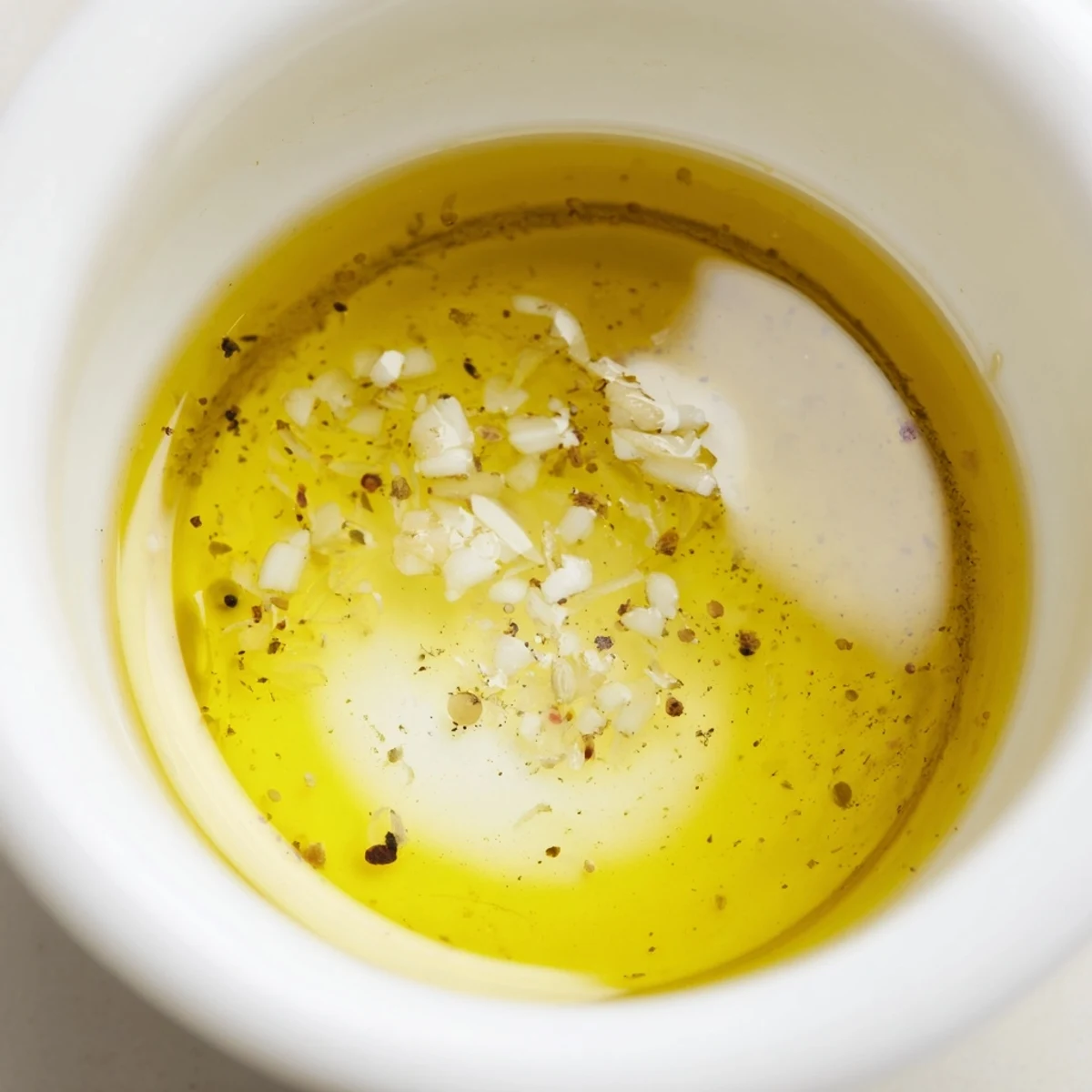
- Drop the Dijon, vinegar, honey, garlic, salt, and pepper into a small bowl and whisk until you see a smooth, unified paste forming.
- Stream in the oil:
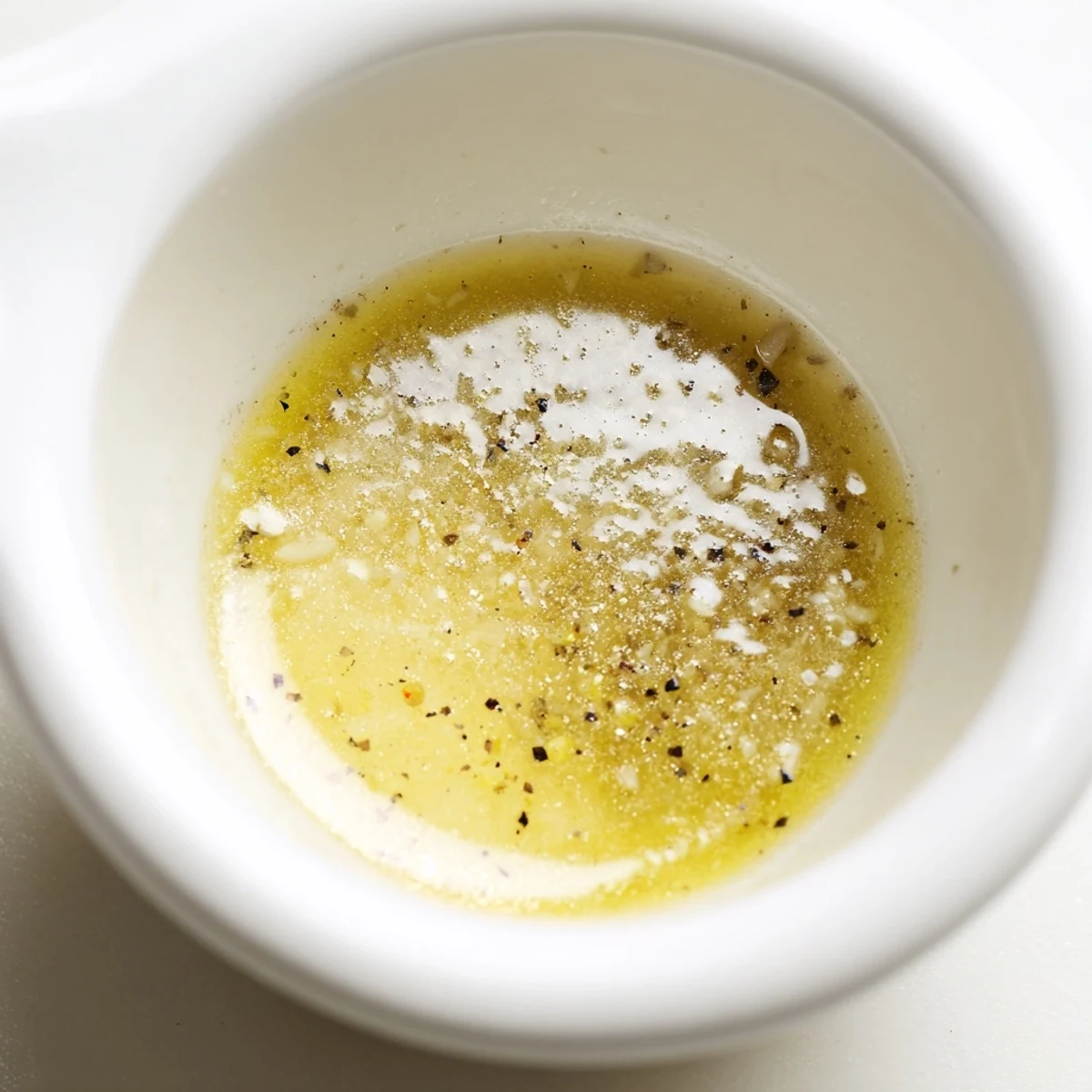
- Pour the olive oil in very slowly while whisking constantly so the mixture turns creamy and slightly thickened rather than separated.
- Taste and tweak:
- Dip a lettuce leaf in, give it a try, and add more salt or vinegar until it sings the way you want.
- Store or serve:
- Use it right away over greens or pour it into a sealed jar and keep it in the fridge for up to a week.
 Save Pin
 Claire now expects a jar of this every time she comes for dinner, and honestly it has become my favorite small gesture of care.
Great Ways to Use It
Beyond salad, try spooning it over warm roasted carrots or using it as a quick marinade for chicken thighs before grilling.
Making It Your Own
Stir in chopped fresh tarragon, chives, or parsley when you want to dress things up for company without any extra effort.
A Few Last Thoughts
Keep your tools simple, a bowl and a whisk really are all you need, though a mason jar with a tight lid works for shaking if you are in a rush.
- For a sharper punch, bump the vinegar up to one and a half tablespoons.
- Always check your Dijon label if cooking for someone with allergies.
- Remember that the flavor mellows beautifully after sitting in the fridge for a day.
 Save Pin
 Once you whisk this together once, you will never go back to the bottle. It is simply too easy and too good.
Recipe FAQs
- → How do I get a stable emulsion?
-
Start by whisking the mustard with the vinegar and any honey or garlic to create a uniform base. Slowly stream in the olive oil while whisking vigorously; the gradual addition helps droplets disperse and bind, producing a thicker, glossy dressing.
- → Can I swap the oil or vinegar?
-
Yes. Extra-virgin olive oil gives richness, but lighter olive oil, avocado, or grapeseed work too. White wine or red wine vinegar are closest in flavor; apple cider vinegar is a milder alternative. Adjust quantities to balance acidity and taste.
- → How can I balance sharpness or sweetness?
-
Increase vinegar by about 1/2 tablespoon for extra tang, or add a teaspoon of honey or maple syrup to soften acidity. Taste and adjust in small increments until the dressing suits your palate.
- → How long does the vinaigrette keep?
-
Stored in a sealed jar in the refrigerator, the vinaigrette remains good for up to one week. Separation is normal—shake or whisk to recombine before using. Discard if aroma or color changes noticeably.
- → Can I add fresh herbs or aromatics?
-
Yes. Stir in chopped parsley, tarragon, chives, or a pinch of finely grated shallot for extra complexity. Add delicate herbs just before serving to preserve their brightness.
- → Is this suitable as a marinade?
-
Yes. The mustard and vinegar provide flavor and slight tenderizing action; use as a brief marinade for chicken or fish. For longer marination, monitor texture to avoid over-acidifying delicate proteins.