
 Save Pin
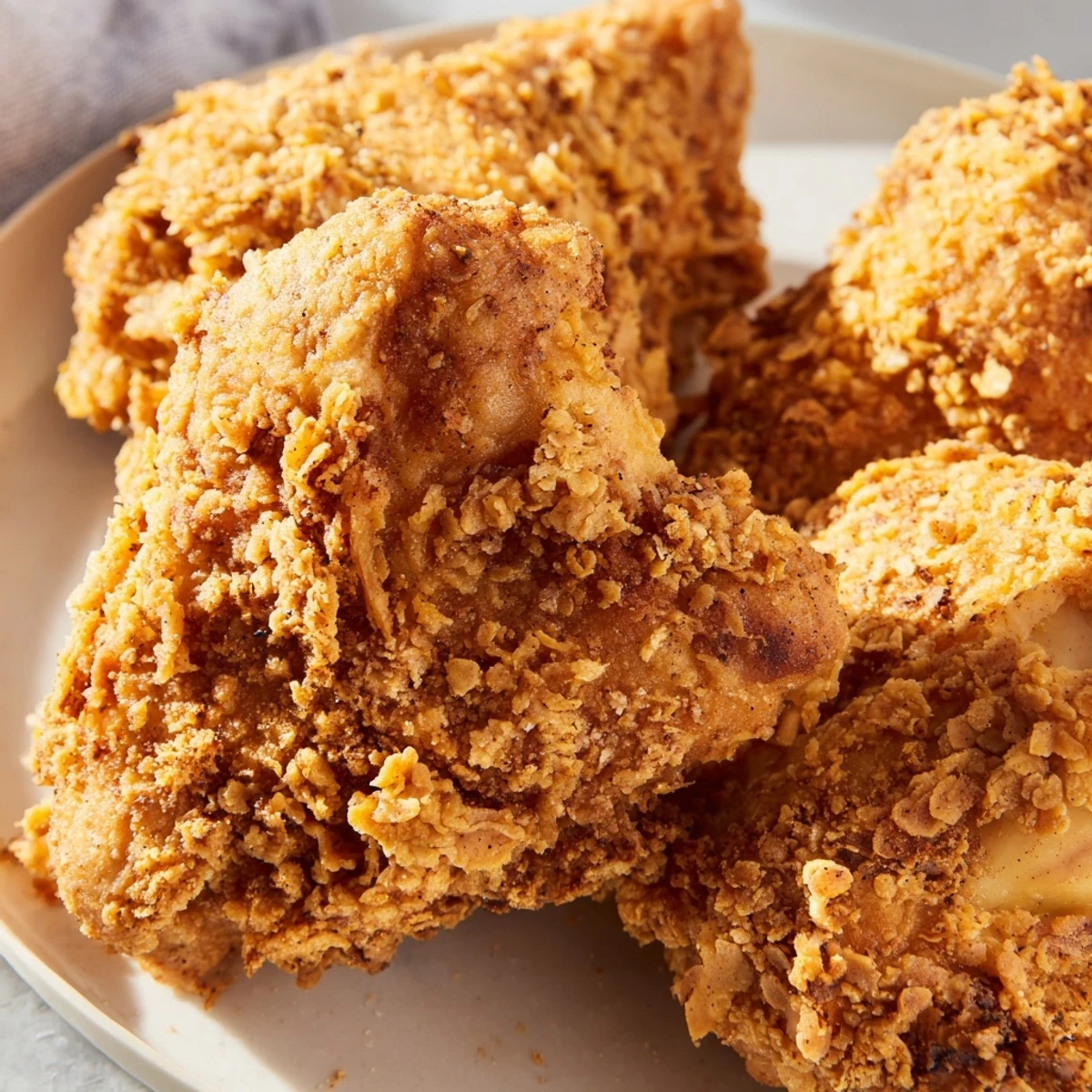
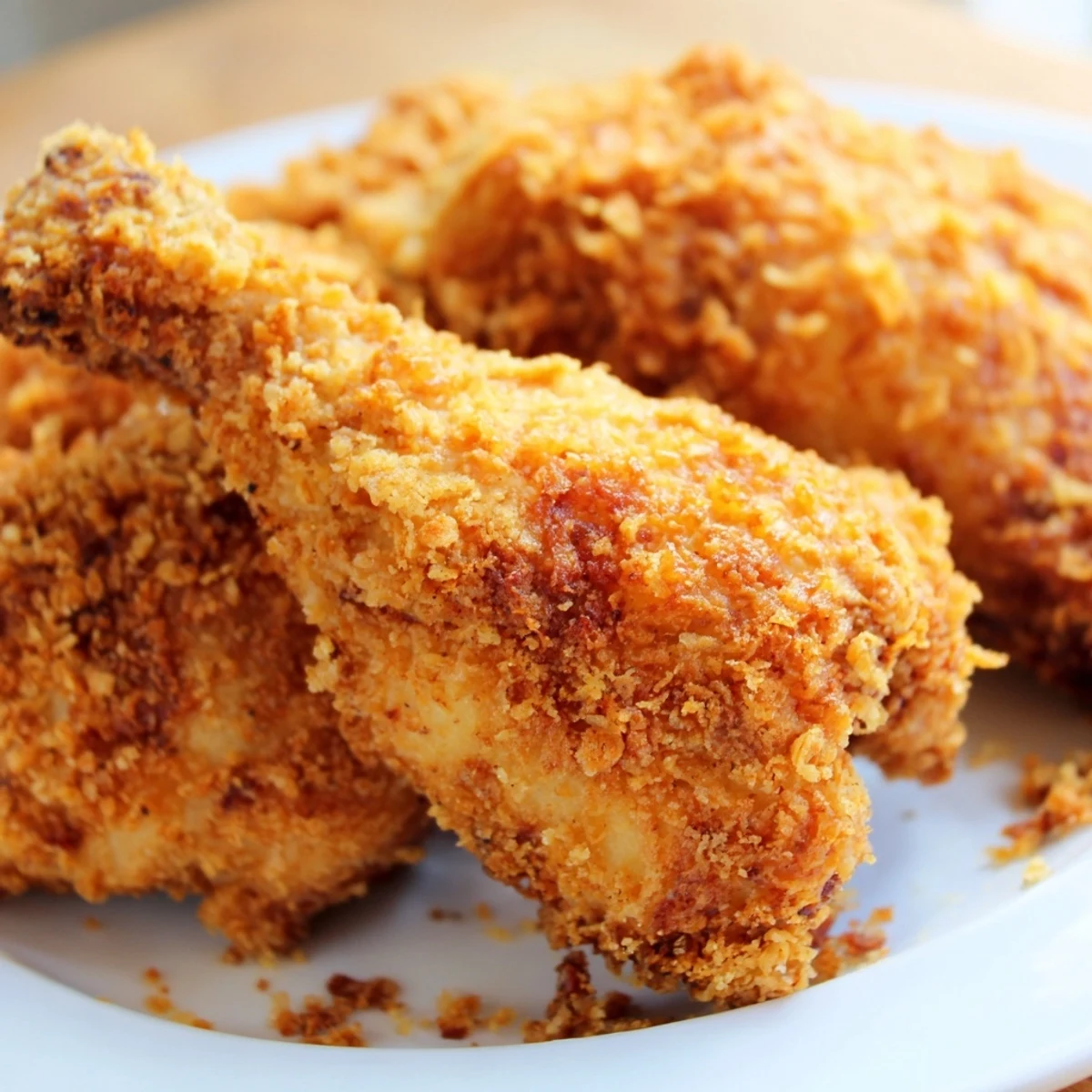
 Transform simple chicken breasts into a golden, crispy delight with this straightforward approach. The buttermilk marinade ensures every bite remains tender and juicy while the seasoned breadcrumb coating creates that irresistible crunch everyone loves.
Perfect for busy weeknights, this dish delivers restaurant-quality results with minimal effort. The preparation is simple: marinate, coat, and fry to achieve that beautiful golden exterior while keeping the inside moist and flavorful.
Serve alongside classic comfort foods like mashed potatoes and coleslaw, or keep it light with a fresh garden salad. The versatile flavor profile works beautifully with various sides, making it a reliable addition to your regular meal rotation.
The sizzle of chicken hitting hot oil is one of those sounds that pulls everyone into the kitchen, no invitation needed. My neighbor once knocked on my door just to ask what I was cooking because the smell had drifted through her open window. Fried chicken breast is one of those humble dishes that never goes out of style, and honestly, it never should. Crispy on the outside, juicy within, and versatile enough for a Tuesday dinner or a weekend gathering.
One rainy Saturday I made this for my cousin who swears she does not like chicken breast because it is always dry. She went back for seconds and then quietly asked for the recipe before leaving. That moment taught me the right technique can change someones mind about an entire ingredient.
Ingredients
- 4 boneless skinless chicken breasts (about 150 g each): Try to pick breasts of similar size so they cook evenly without guessing.
- 120 ml buttermilk: This is the tenderizing workhorse and it adds a subtle tang that plain milk cannot match.
- 1 large egg: Binds the marinade together and helps the coating cling to every inch of the chicken.
- 1 tsp salt plus 1/2 tsp more for coating: Do not skimp here, salt is what makes the flavor land.
- 1/2 tsp black pepper: Freshly ground always gives a warmer more aromatic kick.
- 1 tsp garlic powder: It disperses evenly in the marinade and delivers consistent savory depth.
- 1 tsp paprika: Adds a gentle warmth and that inviting reddish hue to the meat.
- 120 g all purpose flour: Creates the base layer that the breadcrumbs grab onto.
- 100 g breadcrumbs (panko or regular): Panko gives a lighter crunch while regular breadcrumbs create a denser traditional crust.
- 1/2 tsp smoked paprika: In the coating it adds a subtle campfire note that people will notice but not quite pin down.
- 1/2 tsp cayenne pepper (optional): A gentle heat that balances the richness of the fried crust beautifully.
- 500 ml vegetable oil: Neutral oil lets the seasoning shine without competing flavors.
Instructions
- Prep and flatten the chicken:
- If the breasts are thick, place them between two sheets of plastic wrap and gently pound to about 1.5 cm thickness. You want them even, not thin, so a few firm taps with a mallet or rolling pin will do the trick.
- Whisk the marinade:
- In a wide bowl, combine the buttermilk, egg, salt, pepper, garlic powder, and paprika until smooth. Submerge the chicken completely, cover, and let it soak for at least 30 minutes or up to four hours in the fridge.
- Set up the coating station:
- In a shallow dish, mix the flour, breadcrumbs, salt, smoked paprika, and cayenne until evenly blended. Have a second plate ready for the chicken as it comes out of the marinade, letting excess drip off gently.
- Coat each piece thoroughly:
- Press each breast into the flour breadcrumb mixture with conviction, flipping and patting so every surface is covered. Shake off the loose bits but keep a generous layer intact.
- Heat the oil:
- Pour the oil into a large skillet and warm it over medium high heat until it shimmers and reaches about 175 degrees Celsius. A small breadcrumb dropped in should sizzle immediately but not burn.
- Fry to golden perfection:
- Lower the chicken into the oil carefully and fry five to seven minutes per side until deeply golden and the internal temperature hits 75 degrees Celsius. Resist the urge to move them around too much, let the crust form undisturbed.
- Rest and serve:
- Transfer to a paper towel lined plate and let the chicken rest two to three minutes before slicing. This pause lets the juices redistribute so nothing runs out when you cut into it.
 Save Pin
 I have served this at potlucks, weeknight dinners, and once at a surprise birthday lunch where the guest of honor said the chicken outshined the cake. Food does not need to be complicated to be memorable.
Serving Suggestions Worth Trying
Mashed potatoes and a drizzle of honey over the chicken is a combination I stumbled into on a lazy evening and have never looked back. Coleslaw adds the crunch and acidity that cuts through the richness perfectly. A simple green salad with a sharp vinaigrette also does wonders when you want something lighter on the plate.
Making It Your Own
Stirring grated Parmesan into the breadcrumb mixture adds a savory depth that feels almost sneaky. For a spicier version, a splash of hot sauce in the marinade transforms the whole personality of the dish. If you want less oil, shallow fry until golden on both sides then finish in a 190 degree Celsius oven for eight to ten minutes.
Storage and Leftovers
Leftover fried chicken keeps well in an airtight container in the fridge for up to three days. Reheating in a dry skillet over medium heat restores more crunch than a microwave ever will.
- Do not cover the chicken while reheating or steam will soften the crust.
- Leftover cold slices make an exceptional sandwich with pickles and mayo the next day.
- Always check that reheated chicken reaches 75 degrees Celsius internally before eating.
 Save Pin
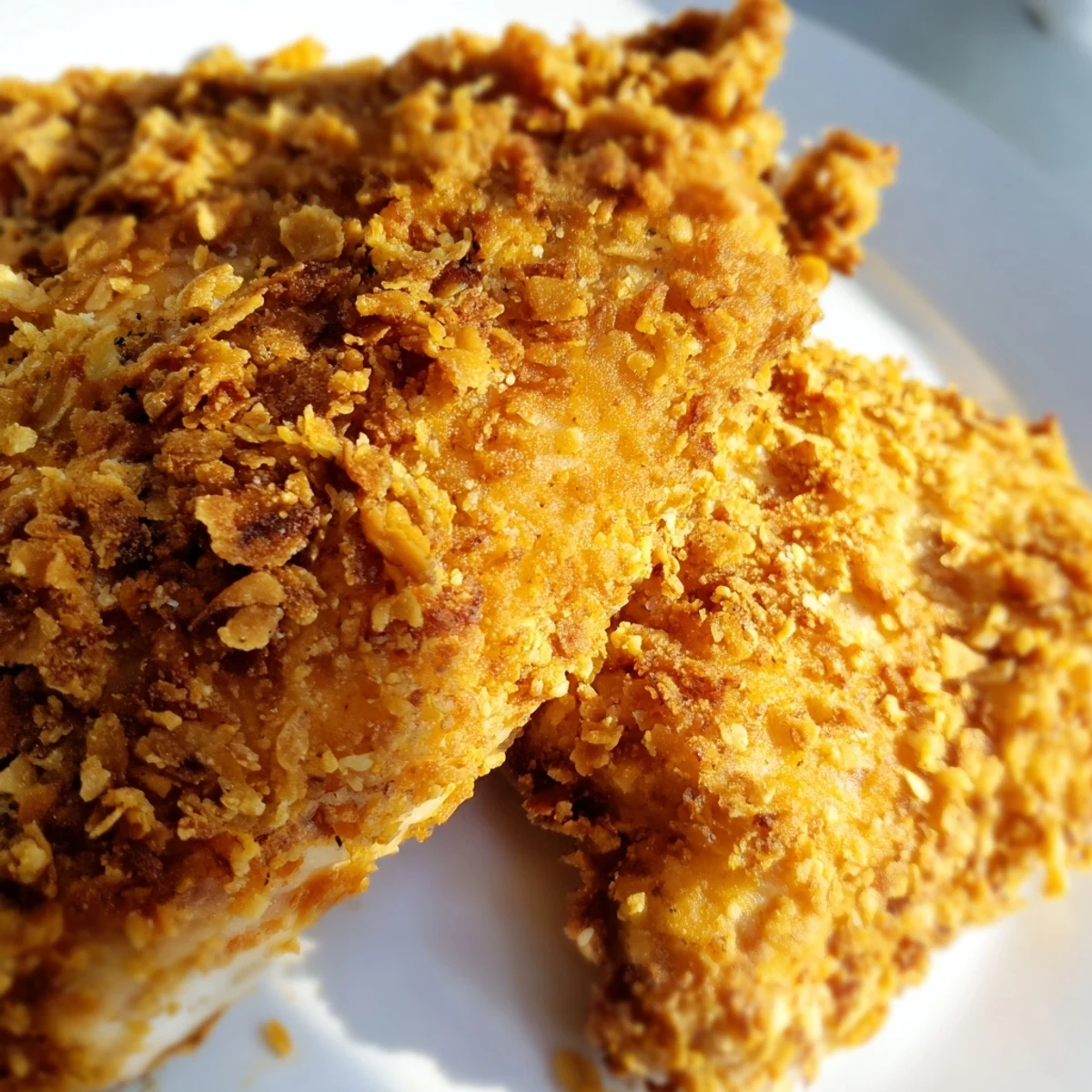
 Fried chicken breast is proof that simple food, made with care and a few smart techniques, is always worth coming back to. Share it with someone and watch the room get a little quieter with every bite.
Recipe FAQs
- → How do I keep the chicken from drying out during frying?
-
The buttermilk marinade is key—it contains natural enzymes that tenderize the meat and help retain moisture. Don't skip the marinating time, and avoid overcooking. Use a meat thermometer to check for 75°C internal temperature, then remove immediately to rest.
- → Can I use regular milk instead of buttermilk?
-
Yes, though buttermilk provides better tenderness and tang. To substitute, mix regular milk with 1 tablespoon of lemon juice or white vinegar per cup, let sit for 5 minutes until thickened, then use in the marinade as directed.
- → What's the best way to tell when the chicken is done?
-
The most reliable method is using an instant-read thermometer inserted into the thickest part—it should read 75°C. Visually, look for golden brown coloring on all sides, clear juices when pierced, and no pink in the center. Let it rest for a few minutes before cutting.
- → Can I make this ahead of time?
-
You can marinate the chicken up to 4 hours in advance. However, for optimal crispiness, fry just before serving. If needed, reheat leftovers in a 200°C oven for 10-12 minutes rather than microwaving to restore some of the crunch.
- → How can I make this healthier?
-
Try shallow frying with less oil, or use an air fryer at 200°C for 12-15 minutes, flipping halfway. You can also bake at 200°C for 20-25 minutes after a quick pan-sear to brown the coating. Light olive oil works well for frying instead of vegetable oil.
- → What sides pair well with this dish?
-
Classic options include creamy mashed potatoes with gravy, tangy coleslaw, buttery corn on the cob, or biscuits. For lighter fare, try a crisp green salad with vinaigrette or steamed vegetables like broccoli and green beans to balance the richness.