
 Save Pin
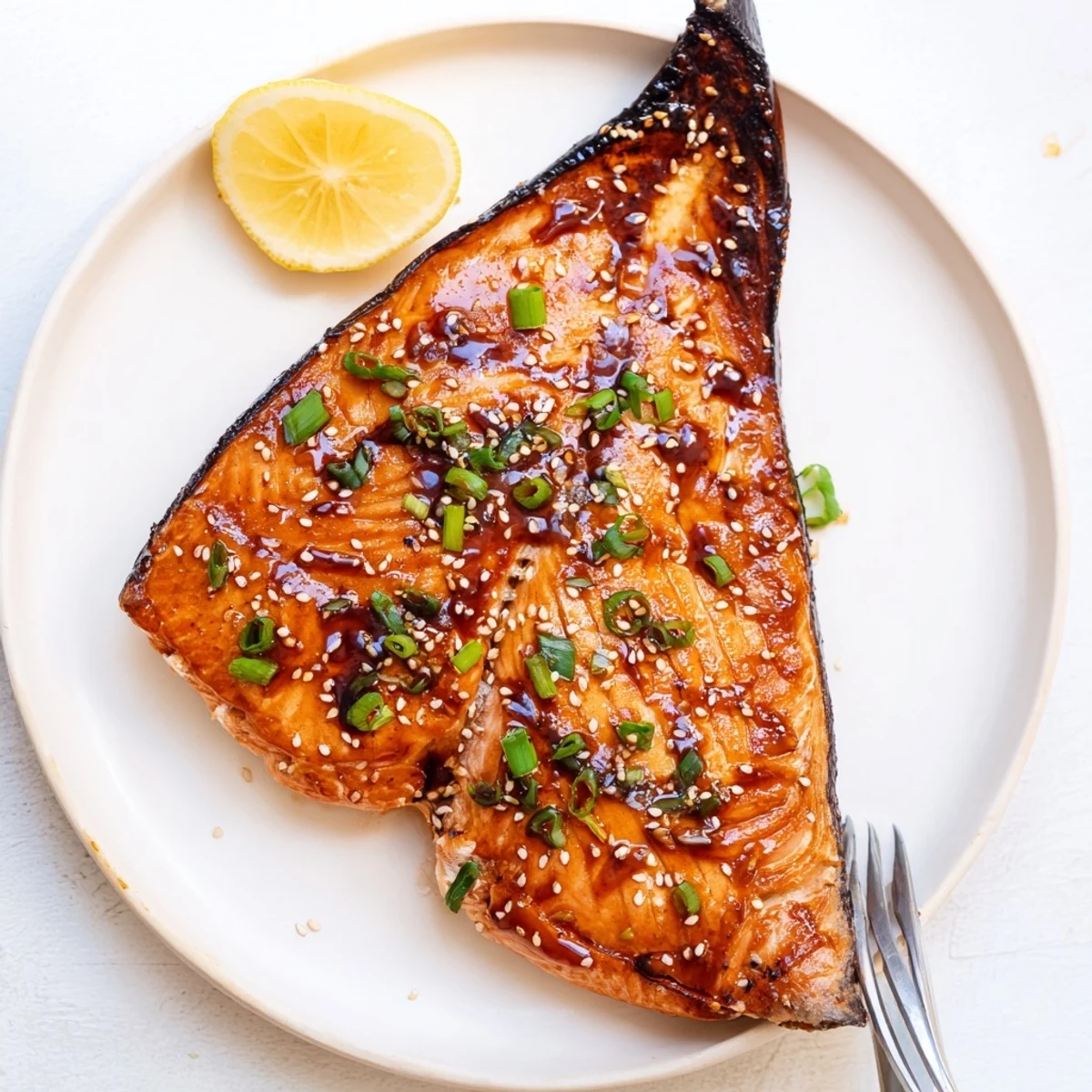
 These succulent salmon fillets are brushed with a homemade gluten-free teriyaki glaze made from tamari, maple syrup, rice vinegar, and sesame oil, then oven-baked until perfectly flaky.
Ready in just 25 minutes with 10 minutes of prep, this dish delivers bold umami flavors from garlic and ginger without any gluten-containing ingredients.
Serve with steamed rice and sautéed vegetables for a complete, satisfying meal that works beautifully for weeknight dinners.
The sizzle of salmon hitting a hot baking sheet is one of those kitchen sounds that instantly makes everyone wander toward the oven, asking when dinner will be ready. My friend Mira introduced me to this teriyaki glaze on a rainy Tuesday when we both needed something bright and savory without spending an hour at the stove. The smell of tamari and ginger caramelizing in a saucepan fills the apartment faster than any candle ever could. This recipe became my weeknight anchor, the one I reach for when I want dinner to feel a little special without any fuss.
One evening I invited my neighbor David over for dinner and he stood in the kitchen doorway watching me whisk the sauce, genuinely surprised that something so simple could smell so complex. He now texts me every couple of weeks asking for the glaze recipe, and I pretend I have not already sent it to him three times.
Ingredients
- 4 salmon fillets, about 150 g each: Skin on gives you a crispy bottom, but skin off works beautifully if you prefer a softer texture throughout.
- 60 ml gluten-free tamari: This is your salt and umami backbone, so choose a brand you genuinely enjoy the taste of on its own.
- 2 tbsp pure maple syrup or honey: Maple brings a gentle earthiness while honey skews floral, and either one balances the salt perfectly.
- 2 tbsp rice vinegar: A mild acidity that lifts the whole sauce without making it sharp or puckering.
- 1 tbsp sesame oil: Just a small amount adds a toasty, nutty aroma that makes the glaze taste deeply layered.
- 2 cloves garlic, minced: Fresh garlic matters here because the sauce cooks so quickly that powdered garlic would not have time to bloom properly.
- 1 tsp fresh ginger, grated: Grate it finely on a microplane so the fibers disappear and the flavor distributes evenly through every bite.
- 1 tbsp cornstarch mixed with 2 tbsp cold water: This slurry is what transforms a thin liquid into a glossy glaze that actually clings to the fish.
- 1 tbsp toasted sesame seeds: A sprinkle at the end gives a satisfying crunch and makes the dish look like it came from a magazine.
- 2 green onions, thinly sliced: Their mild bite cuts through the richness and adds a pop of fresh green color.
- Lemon wedges, optional: A squeeze of lemon right before eating brightens every flavor on the plate.
Instructions
- Prepare your oven and pan:
- Preheat the oven to 200 degrees C (400 degrees F) and line a baking sheet with parchment paper so the salmon lifts off effortlessly after baking.
- Build the teriyaki sauce:
- In a small saucepan over medium heat, combine the tamari, maple syrup, rice vinegar, sesame oil, garlic, and ginger, then bring it to a gentle simmer until you can smell the garlic and ginger blooming.
- Thicken the glaze:
- Stir in the cornstarch slurry and whisk constantly for one to two minutes until the sauce coats the back of a spoon and turns glossy, then pull it off the heat immediately so it does not over-thicken.
- Glaze the salmon:
- Arrange the fillets on your prepared baking sheet and brush them generously with the sauce, saving a little extra for drizzling at the end.
- Bake until perfect:
- Slide the tray into the oven for twelve to fifteen minutes until the salmon is opaque and flakes apart easily with a fork, giving it a quick two-minute broil at the end if you want those gorgeous caramelized edges.
- Finish and serve:
- Drizzle the remaining sauce over each fillet, scatter sesame seeds and green onions across the top, and serve with lemon wedges on the side for anyone who wants a bright squeeze.
 Save Pin
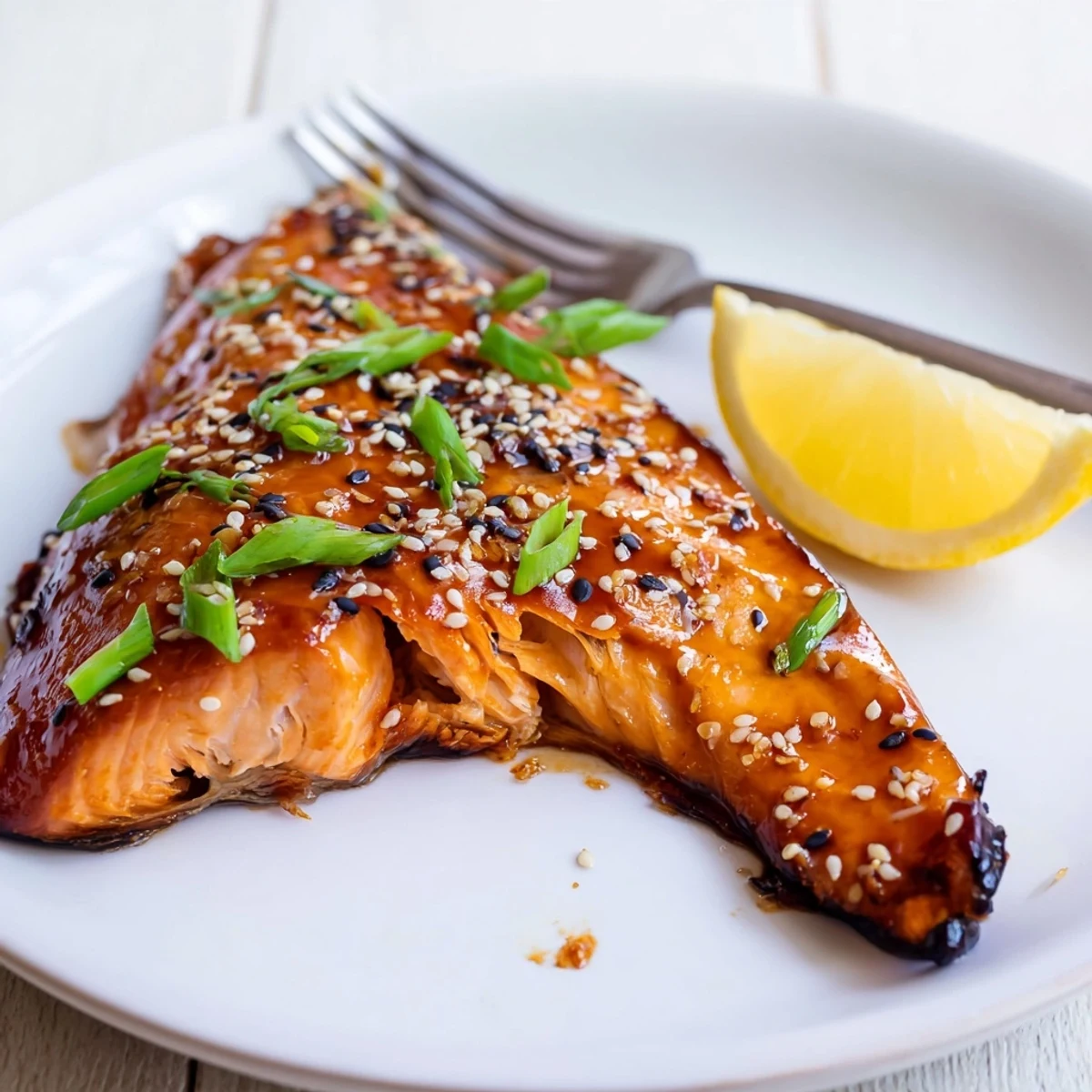
 The night my partner came home exhausted from a long work trip, I had this salmon ready on the table in under half an hour, and she sat there eating in complete silence, which I have learned is the highest compliment a cook can receive.
What to Serve Alongside
Steamed jasmine rice is the obvious and wonderful choice because it soaks up every drop of extra glaze, but a bed of sauteed bok choy or snap peas adds a crisp contrast that makes the whole plate feel lighter.
Choosing the Right Salmon
Wild-caught salmon has a leaner texture and more pronounced flavor, while farm-raised tends to be fattier and milder, and honestly either one works beautifully here as long as the fillets are roughly the same thickness so they finish cooking at the same time.
Making It Your Own
Once you have the base glaze memorized you can start playing around with additions that suit your mood or whatever is in the fridge.
- A teaspoon of chili garlic sauce stirred into the glaze adds a gentle heat that balances the sweetness beautifully.
- Try swapping maple syrup for brown sugar if you want a deeper, more caramel-like sweetness.
- Always taste the glaze before it goes on the fish so you can adjust the salt or sweetness to your own preference.
 Save Pin
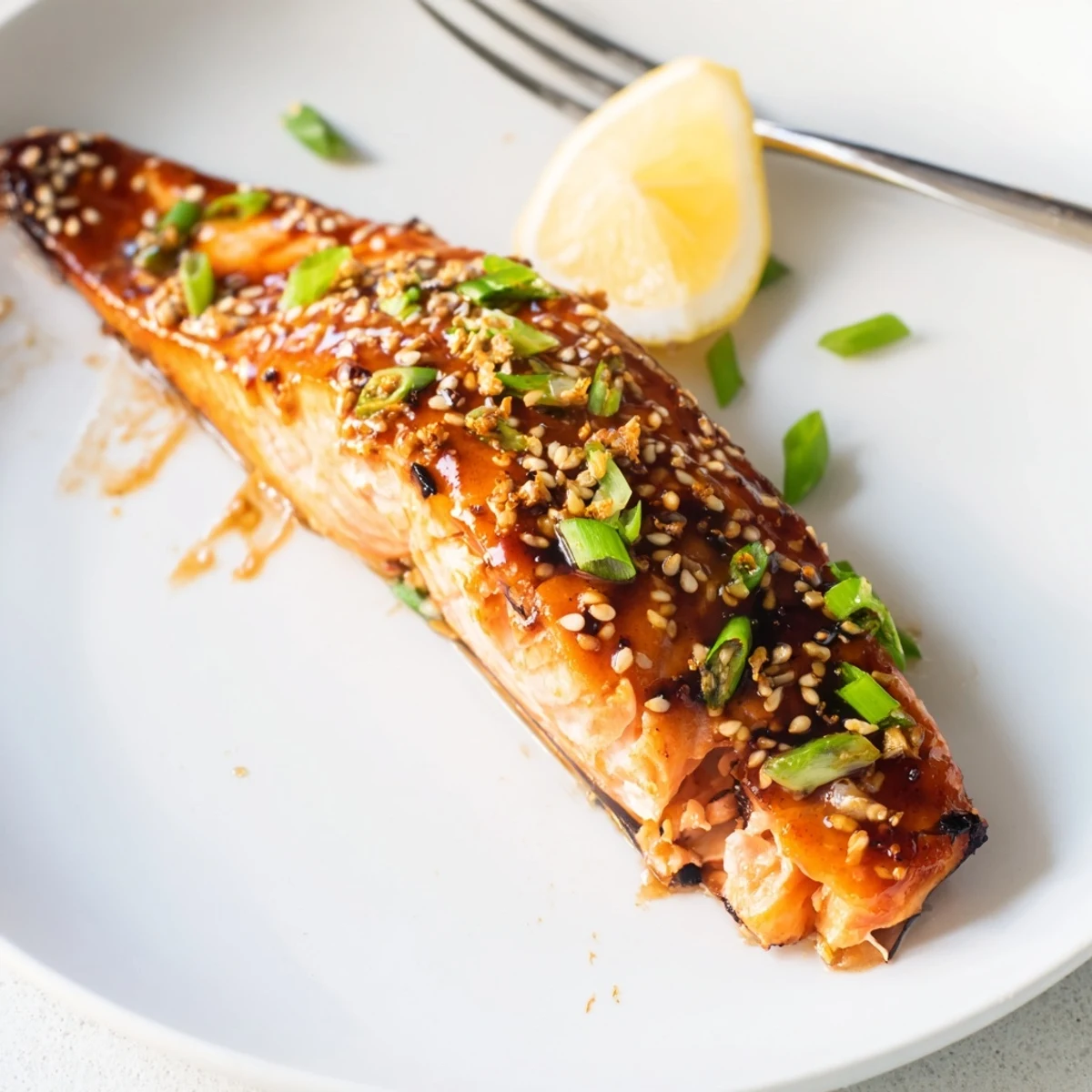
 This is the kind of recipe that earns a permanent spot in your rotation because it treats you well even on your most tired evenings. Share it with someone who needs a little warmth on their plate tonight.
Recipe FAQs
- → Can I use regular soy sauce instead of tamari?
-
Regular soy sauce contains gluten, so it won't work for a gluten-free dish. Tamari is a Japanese soy sauce alternative that is typically gluten-free. Always check the label to ensure it is certified gluten-free.
- → How do I know when the salmon is fully cooked?
-
The salmon is done when it turns opaque throughout and flakes easily when gently pressed with a fork. This typically takes 12 to 15 minutes at 200°C (400°F), depending on the thickness of your fillets.
- → Can I prepare the teriyaki sauce ahead of time?
-
Yes, the teriyaki sauce can be made up to 5 days in advance and stored in an airtight container in the refrigerator. Reheat gently in a saucepan before brushing onto the salmon.
- → What side dishes pair well with teriyaki salmon?
-
Steamed jasmine or brown rice is a classic pairing. Sautéed bok choy, steamed broccoli, or a simple cucumber salad also complement the rich umami flavors beautifully.
- → Can I marinate the salmon before baking?
-
Absolutely. For deeper flavor, marinate the fillets in half the teriyaki sauce for 30 minutes in the refrigerator before baking. Reserve the remaining sauce for glazing during and after cooking.
- → Is this dish suitable for meal prep?
-
Yes, baked teriyaki salmon stores well in the refrigerator for up to 3 days. Reheat gently in the oven at 160°C (325°F) to avoid overcooking the fish. The sauce can thicken when chilled, so add a splash of water when reheating.