
 Save Pin
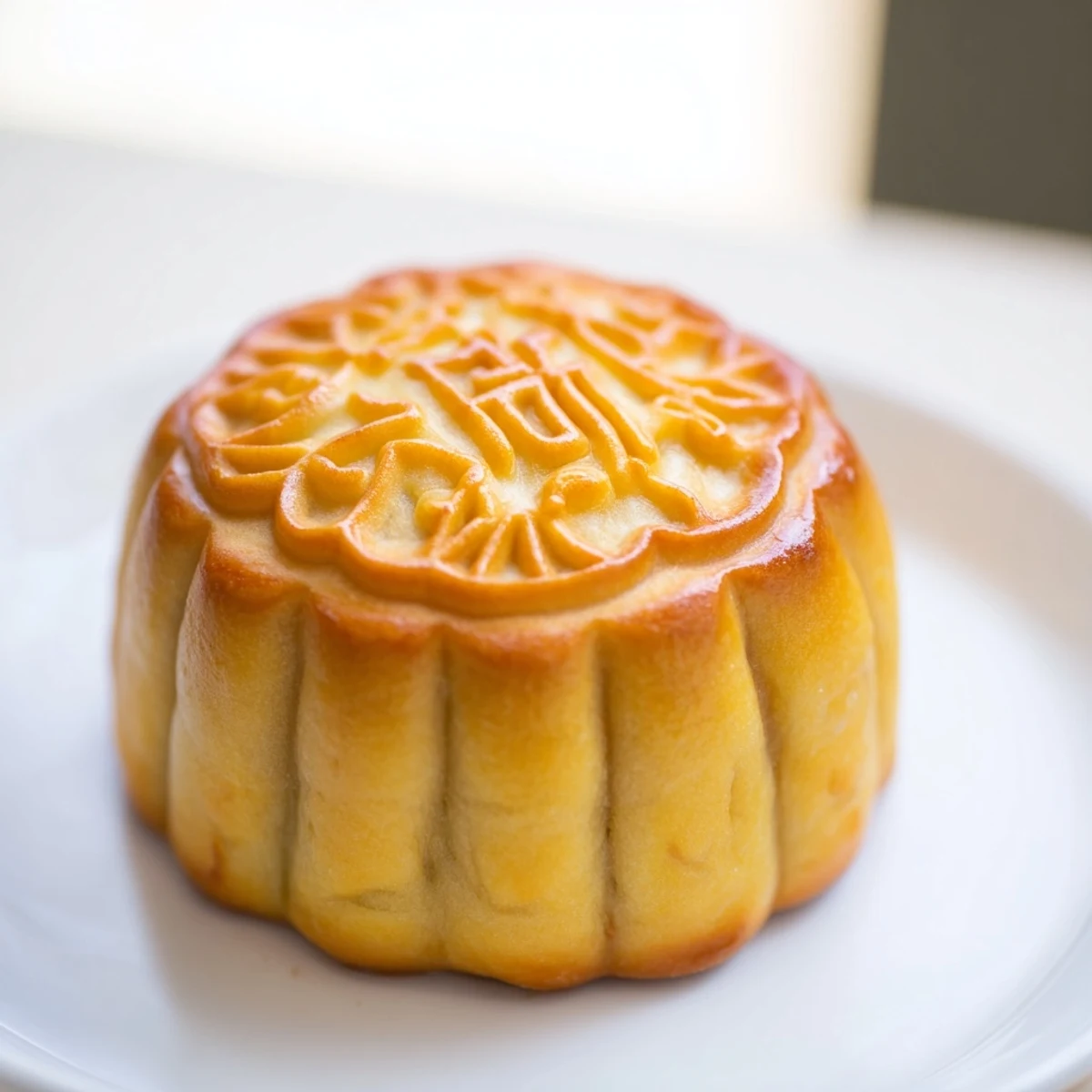
 Create these beloved Chinese festival treats with a delicate, golden pastry that encases a rich, sweet lotus seed paste filling. The dough requires a resting period to achieve the signature tender texture, while traditional molds give them their intricate patterns. You can include salted egg yolks for a classic contrast or opt for roasted nuts. These mooncakes develop their best flavor and texture after resting for a day, allowing the pastry to soften and the filling to mature. Perfect for sharing during Mid-Autumn celebrations or gifting to family and friends.
The first time I attempted mooncakes, my kitchen counter looked like a flour-dusted crime scene. I had just moved into my first apartment and wanted to impress my family for Mid-Autumn Festival, armed with nothing but a recipe printout and genuine determination. Now years later, the process feels like reconnecting with something ancient and grounding, even when my golden syrup still occasionally decides to rebel.
Last autumn, my niece sat at the kitchen table watching me shape each mooncake, asking endless questions about why the dough needed to rest and what made the syrup golden. Her eyes lit up when I explained that mooncakes represent reunion and completeness, and suddenly she insisted on helping press the mold. That afternoon, slightly imperfect mooncakes somehow tasted sweeter than any I had made before.
Ingredients
- All-purpose flour: The foundation of that signature tender crust that should melt into the filling rather than crumble away
- Golden syrup: This honey-colored inverted sugar is non-negotiable for achieving the proper texture and that characteristic amber glow
- Vegetable oil: Keeps the pastry pliable during shaping and creates the right tenderness after baking
- Alkaline water: The secret ingredient that promotes browning and gives mooncakes their distinctive subtle springiness
- Lotus seed paste: Smooth and creamy with a delicate sweetness that balances beautifully against salted egg yolks
- Salted egg yolks: Those golden centers create the traditional contrast and represent the full moon
- Egg wash: Creates that burnished shine that makes mooncakes look like edible jewels
Instructions
- Prepare the syrup mixture:
- Whisk golden syrup, vegetable oil, and alkaline water until completely emulsified, taking your time to ensure everything is fully incorporated
- Form the dough:
- Add flour to the wet mixture and stir gently until a soft dough forms, then cover and let it rest for two full hours
- Prepare your filling:
- Divide lotus paste into twelve equal portions and, if using, carefully nestle each salted egg yolk inside a ball of paste
- Portion the pastry:
- Split your rested dough into twelve pieces, keeping them covered to prevent drying while you work
- Wrap the filling:
- Flatten each dough portion into a disc, place a filling ball in the center, and gradually coax the dough up and around until completely sealed
- Mold the mooncakes:
- Dust your mold lightly with flour, press each filled ball firmly into the design, then release onto a lined baking sheet
- Initial bake:
- Bake at 180°C for just five minutes to set the shape before removing to brush with egg wash
- Finish baking:
- Return to the oven for another fifteen to twenty minutes until deeply golden, then cool completely on the pan
 Save Pin
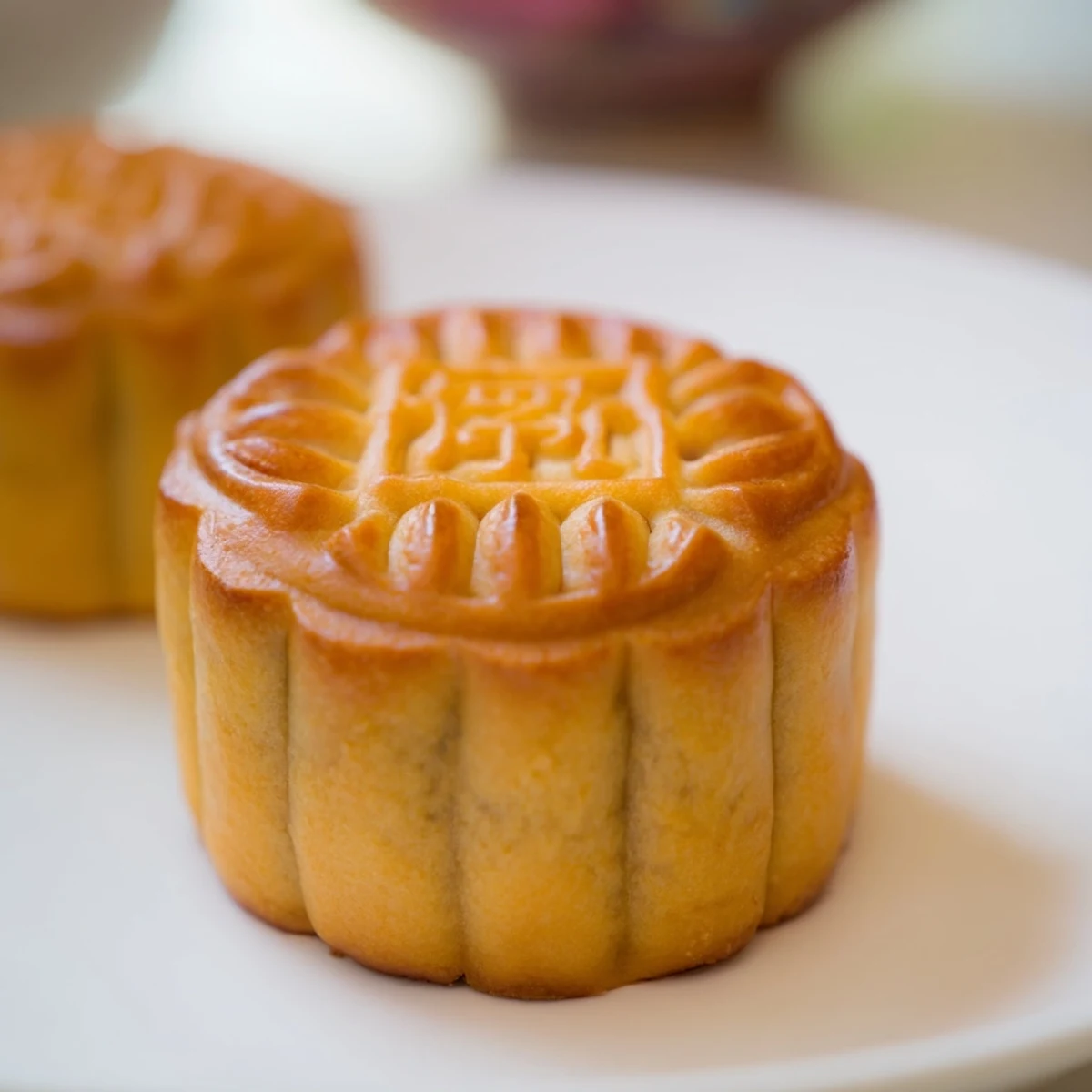
 I once brought a batch of freshly baked mooncakes to a potluck, only to realize later that I should have explained they needed to rest before eating. Everyone politely complimented the flavor, but when I shared more the following weekend, the same friends confessed the difference was remarkable. Now I always make them at least two days ahead and let patience do its work.
Working with Golden Syrup
Golden syrup can be stubborn to measure, especially on cooler days when it becomes thick and reluctant. Warm your measuring spoon under hot water first, and the syrup will flow smoothly every time. I learned this after spending five minutes scraping one stubborn tablespoon.
Choosing Your Mold
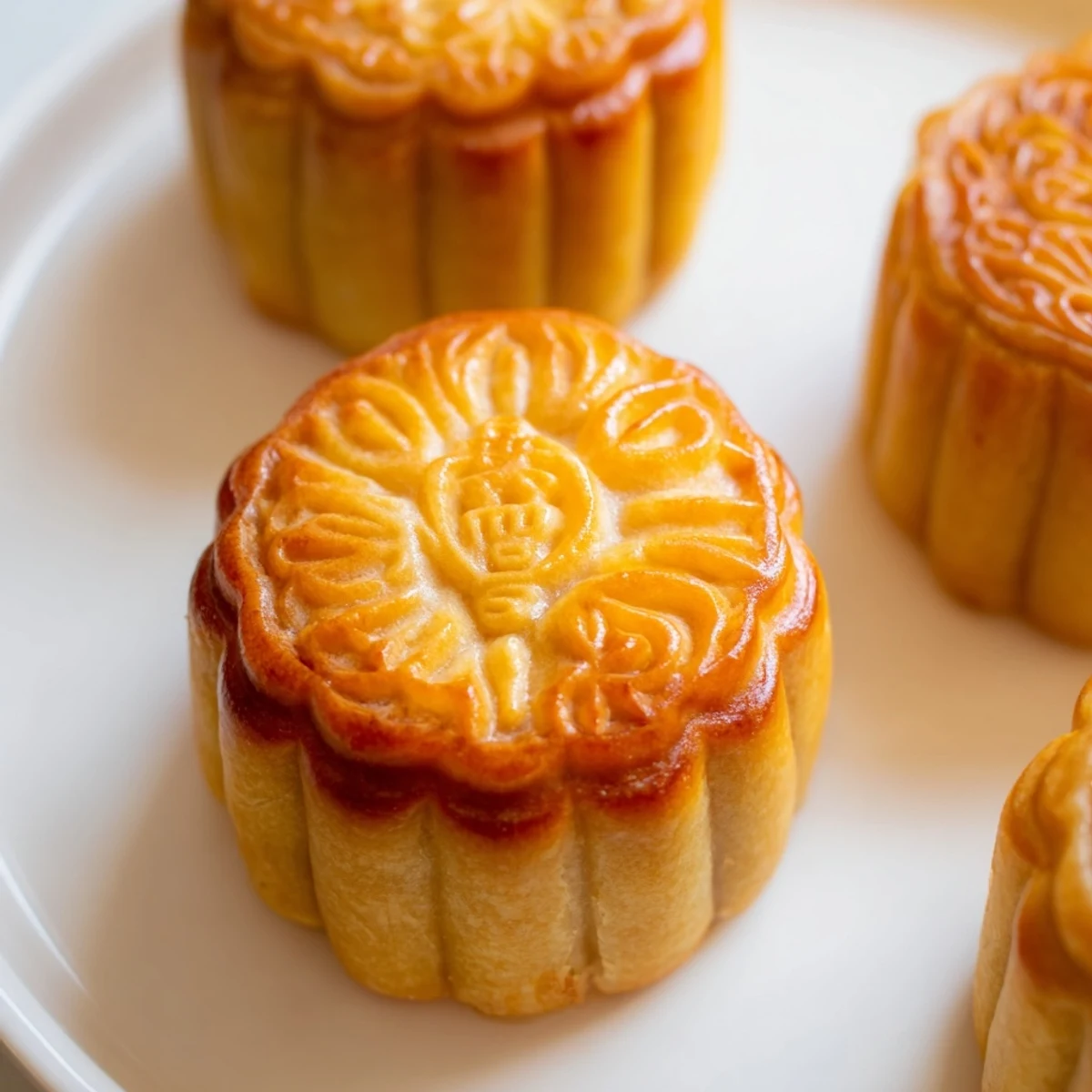
Traditional wooden molds produce the most intricate designs, but modern plastic presses are perfectly functional and easier to clean. Whatever you choose, flour it lightly between each mooncake to prevent sticking. The first release is always the most nervous moment.
Storage and Serving
Mooncakes keep remarkably well at room temperature for about a week, though they rarely last that long in my house. For longer storage, they freeze beautifully for up to three months. Thaw overnight in the refrigerator and bring to room temperature before serving.
- Cut mooncakes with a sharp thin knife, wiping between slices for clean edges
- Serve with strong tea to balance the richness
- Share them on the night of the full moon for the full experience
 Save Pin
 However imperfect your first batch might be, there is something profoundly meaningful about making mooncakes by hand. The process connects you to generations of cooks who have shaped the same dough under the same autumn moon.
Recipe FAQs
- → What makes the pastry golden and tender?
-
The combination of golden syrup and alkaline water creates the signature golden color while the resting period allows the gluten to relax, resulting in a tender pastry that softens beautifully after a day or two.
- → Can I make these without a mooncake mold?
-
While traditional molds create the classic intricate patterns, you can shape them by hand or use a small cookie press. The taste remains the same, though you'll miss the decorative designs.
- → Why do mooncakes need to rest before serving?
-
The resting period allows the pastry to soften and the flavors to meld together. Fresh mooncakes have a crisp texture, but after 1-2 days they become tender and aromatic, which is the traditional way they're enjoyed.
- → What can I substitute for salted egg yolks?
-
You can use whole roasted macadamia nuts, walnuts, or pistachios. Some bakers also use red bean paste or date paste as alternatives to lotus seed paste.
- → How should I store mooncakes?
-
Keep them in an airtight container at room temperature for up to 2 weeks. For longer storage, refrigerate for up to a month. Bring to room temperature before serving for the best texture.
- → Can I make the lotus paste from scratch?
-
Yes, though it's time-consuming. Soak dried lotus seeds overnight, boil until tender, then blend with sugar and oil while cooking until thick and smooth. Most bakers prefer quality store-bought paste for convenience.