
 Save Pin
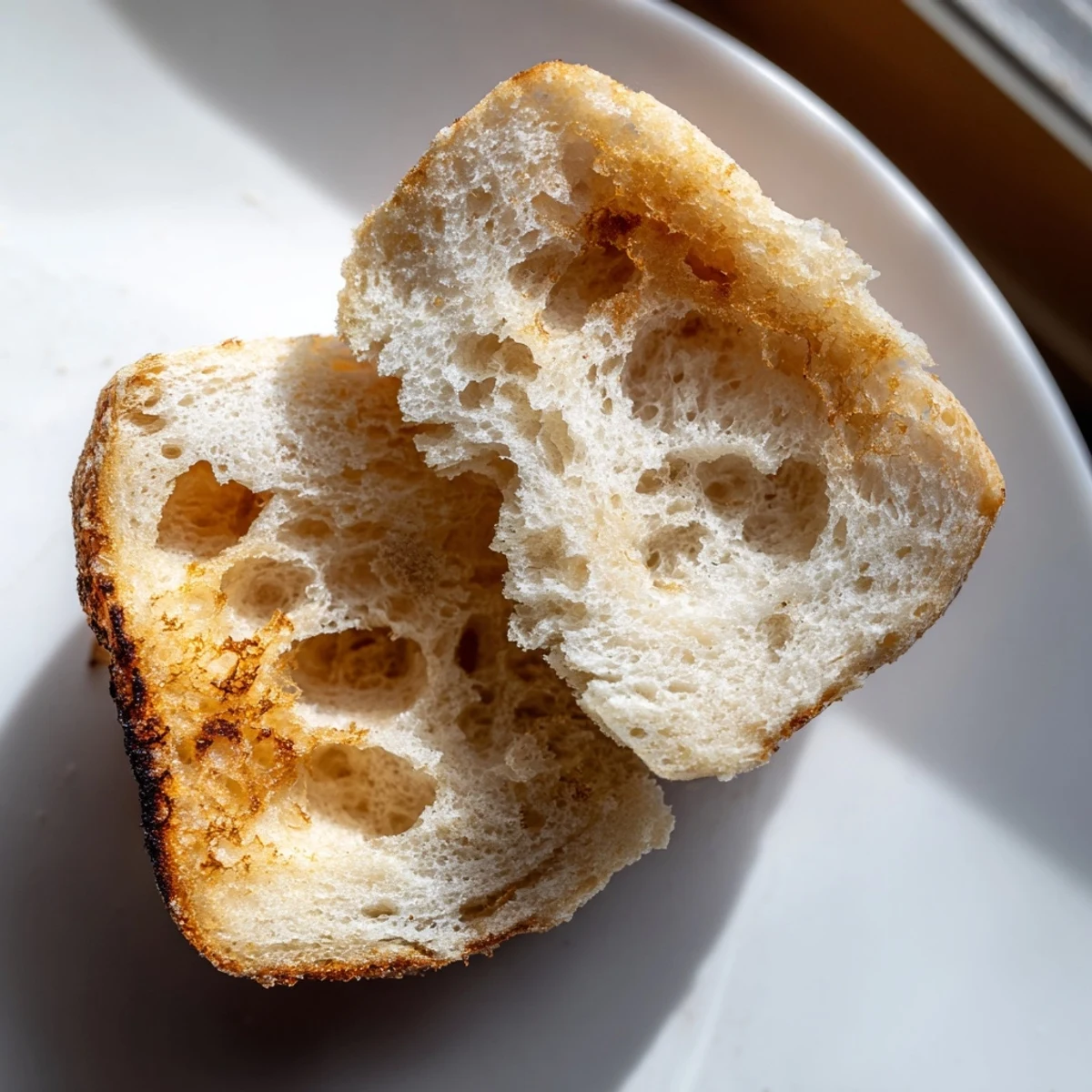
 Master the art of making traditional English muffins from scratch. These beloved British breakfast staples feature a soft, airy interior with the characteristic chewy texture and craggy surface that perfectly captures melted butter and jam. The process involves a straightforward yeast dough enriched with milk and butter, followed by a stovetop cooking method that creates those signature golden-brown crusts.
Whether you're preparing them for a weekend breakfast or afternoon tea, these homemade muffins deliver superior flavor and texture compared to store-bought versions. Split them with a fork to expose the authentic nooks and crannies, then toast until golden and serve with your favorite toppings.
The first time I made English muffins, I stood over the stove with a spatula in one hand and my phone in the other, convinced they would burn or turn out raw in the middle. When that first batch hit the hot pan and the kitchen filled with this incredible yeasty, buttery smell, I actually laughed out loud. These muffins transform ordinary breakfast into something that feels like a weekend treat, even on a Tuesday morning.
My grandmother always said store bought English muffins were just sad little bread discs pretending to be something special. She was right. The first time I served these homemade ones to my family, my husband took one bite, looked at me with this genuinely confused expression, and asked why we had been eating the cardboard version from the supermarket for so long.
Ingredients
- 3 cups bread flour: Higher protein content gives these muffins their signature chew and structure, so do not substitute with all purpose if you want authentic texture
- 1 1/4 cups whole milk: Lukewarm activates the yeast without killing it, and the milk fat contributes to a tender crumb
- 2 1/4 tsp active dry yeast: This single packet creates the rise that yields all those beautiful nooks and crannies we love
- 1 tbsp granulated sugar: Feeds the yeast and helps with that subtle sweetness that balances the salt
- 1 tsp fine sea salt: Essential for flavor and helps control the fermentation process
- 2 tbsp unsalted butter: Melted into the dough creates richness and keeps the muffins tender
- 2 tbsp cornmeal or semolina: This is the secret to that classic English muffin texture and prevents sticking while cooking
Instructions
- Wake up the yeast:
- Dissolve the yeast and sugar in lukewarm milk and let it sit until foamy, about 5 to 10 minutes
- Build the dough:
- Mix flour and salt in a large bowl, create a well in the center, then pour in the yeast mixture and melted butter
- Knead until smooth:
- Work the dough on a floured surface for 8 to 10 minutes until it feels elastic and bounces back when pressed
- Let it rise:
- Place the dough in an oiled bowl, cover it, and let it double in size for about 1 to 1.5 hours
- Shape the muffins:
- Roll the dough to 3/4 inch thickness and cut circles with a 3 inch round cutter
- Dust and rest:
- Sprinkle a baking sheet with cornmeal, arrange the muffins on top, dust them lightly with more cornmeal, and let them proof for 25 to 30 minutes
- Cook to golden:
- Fry them in batches on a low medium skillet for 7 to 9 minutes per side until deeply golden
 Save Pin
 Last winter, during that really terrible week when it snowed for three days straight, we had nothing in the house but basic pantry ingredients. I made a triple batch of these muffins, and something about the rhythm of kneading dough and the warmth of the stove made being snowed in feel almost cozy instead of just stir crazy.
The Fork Split Technique
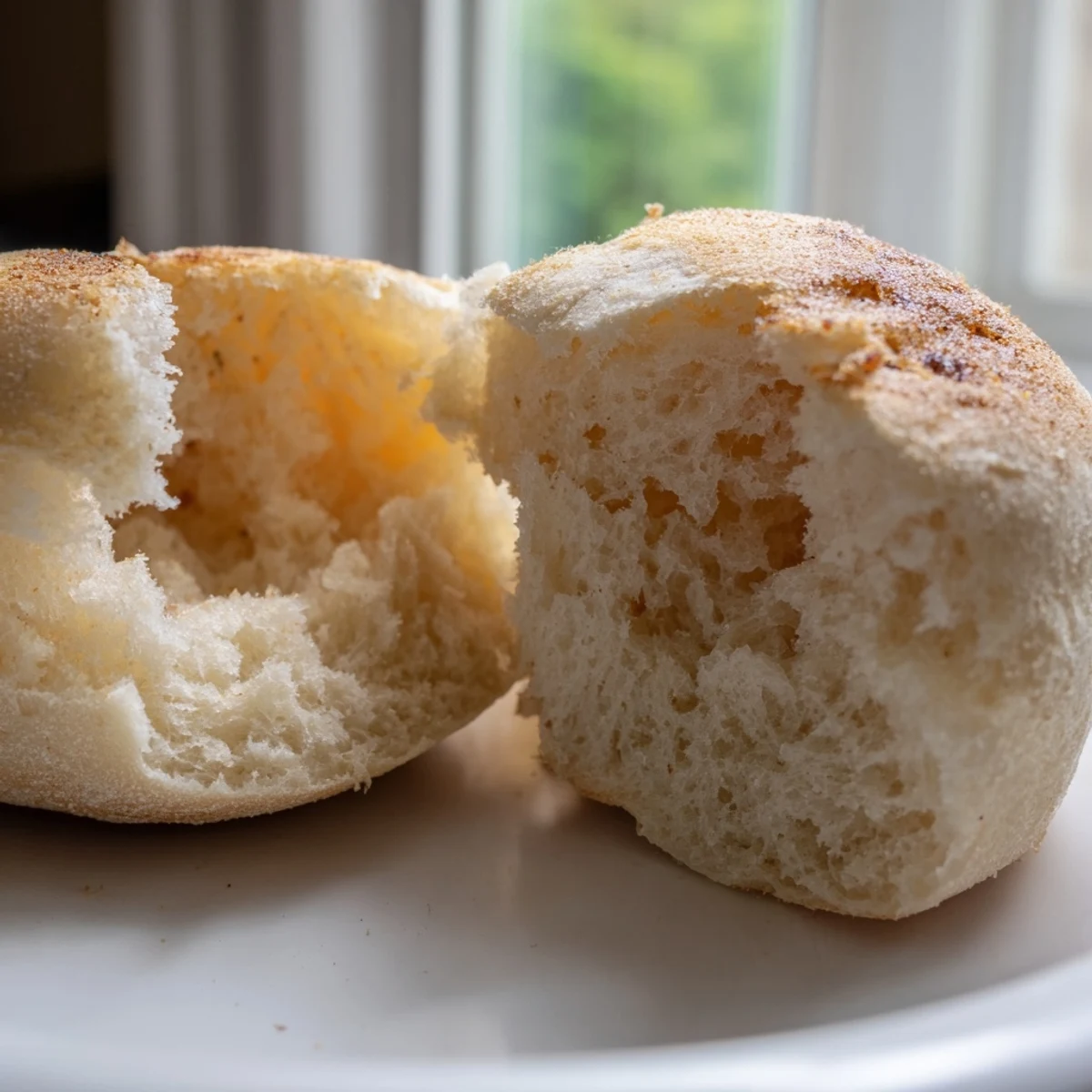
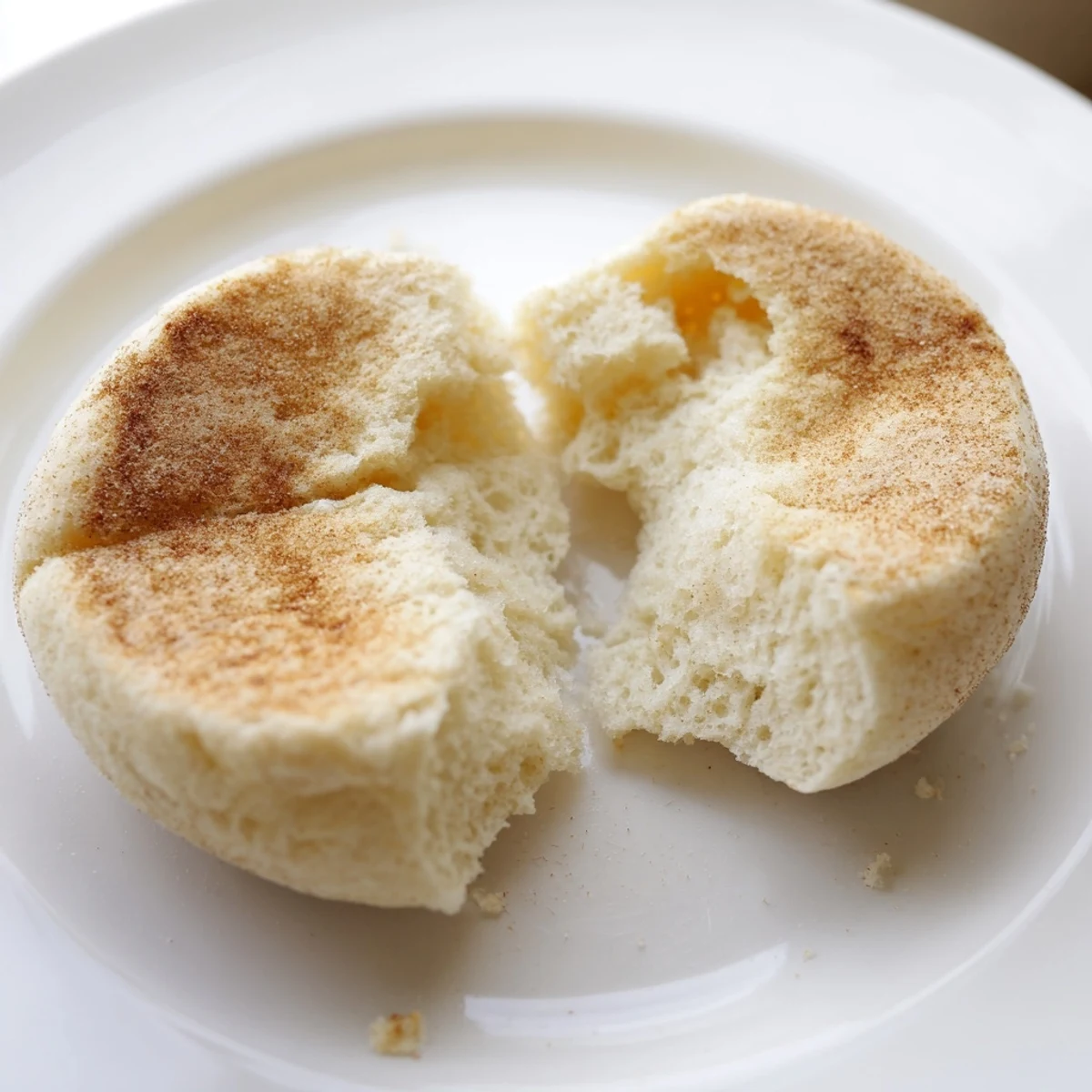
My friend Sarah taught me this trick after I kept slicing my muffins with a knife and wondering why they looked flat. You actually want to pierce the muffin all around the circumference with fork tines, then pull it apart. That rough, uneven surface creates all those little valleys that catch butter and jam. It makes such a difference in how the final toasted muffin holds toppings.
Temperature Control Secrets
After burning three batches in a row when I first started making these, I finally learned that the skillet needs to be on low to medium heat, not medium high like I assumed. You want the muffins to cook through slowly, developing that deep golden brown color without getting too dark outside. If you hear aggressive sizzling, your heat is probably too high.
Storage and Make Ahead Tips
These freeze beautifully, which isfortunate because one batch never seems to last long enough. I double the recipe and freeze half, then just pop frozen ones directly into the toaster. They thaw and toast at the same time, and honestly, they might be even better this way.
- Wrap cooled muffins individually in plastic wrap before freezing to prevent freezer burn
- Let frozen muffins thaw on the counter for 15 minutes before toasting for best results
- Refresh day old muffins by splitting and toasting them to bring back that fresh baked texture
 Save Pin
 There is something deeply satisfying about making your own English muffins, like you have cracked some secret code that breakfast restaurants have been keeping from us. Once you taste the difference, you might find it hard to go back to the store bought version.
Recipe FAQs
- → Why should I split English muffins with a fork?
-
Using a fork to split English muffins preserves the signature nooks and crannies that make them ideal for holding butter, jam, and other toppings. A knife compresses the texture, while the fork naturally separates the craggy surface.
- → Can I bake these muffins instead of cooking them on a griddle?
-
While stovetop cooking produces the authentic texture and appearance, you can bake them at 375°F for 15-20 minutes. However, the crust will be softer and you won't achieve the same golden-brown exterior or traditional English muffin character.
- → How do I know when the muffins are fully cooked?
-
The muffins should be deeply golden on both sides and sound hollow when tapped. For precision, use an instant-read thermometer—the center should reach 200°F (93°C). If they're browning too quickly, reduce the heat to ensure the inside cooks completely.
- → Can I make the dough ahead of time?
-
Yes, after the first rise, you can refrigerate the dough overnight. Let it come to room temperature for about 30 minutes before rolling and cutting. The extended chilling can actually improve the flavor development.
- → What's the purpose of dusting with cornmeal or semolina?
-
Cornmeal or semolina prevents the muffins from sticking during cooking and adds subtle texture. It also contributes to the traditional appearance and provides a pleasant slight crunch on the exterior surface.
- → How should I store leftover English muffins?
-
Store at room temperature in an airtight container for up to 3 days, or freeze for up to 2 months. To refresh frozen muffins, thaw then toast until warm and crispy. They actually freeze exceptionally well.