
 Save Pin
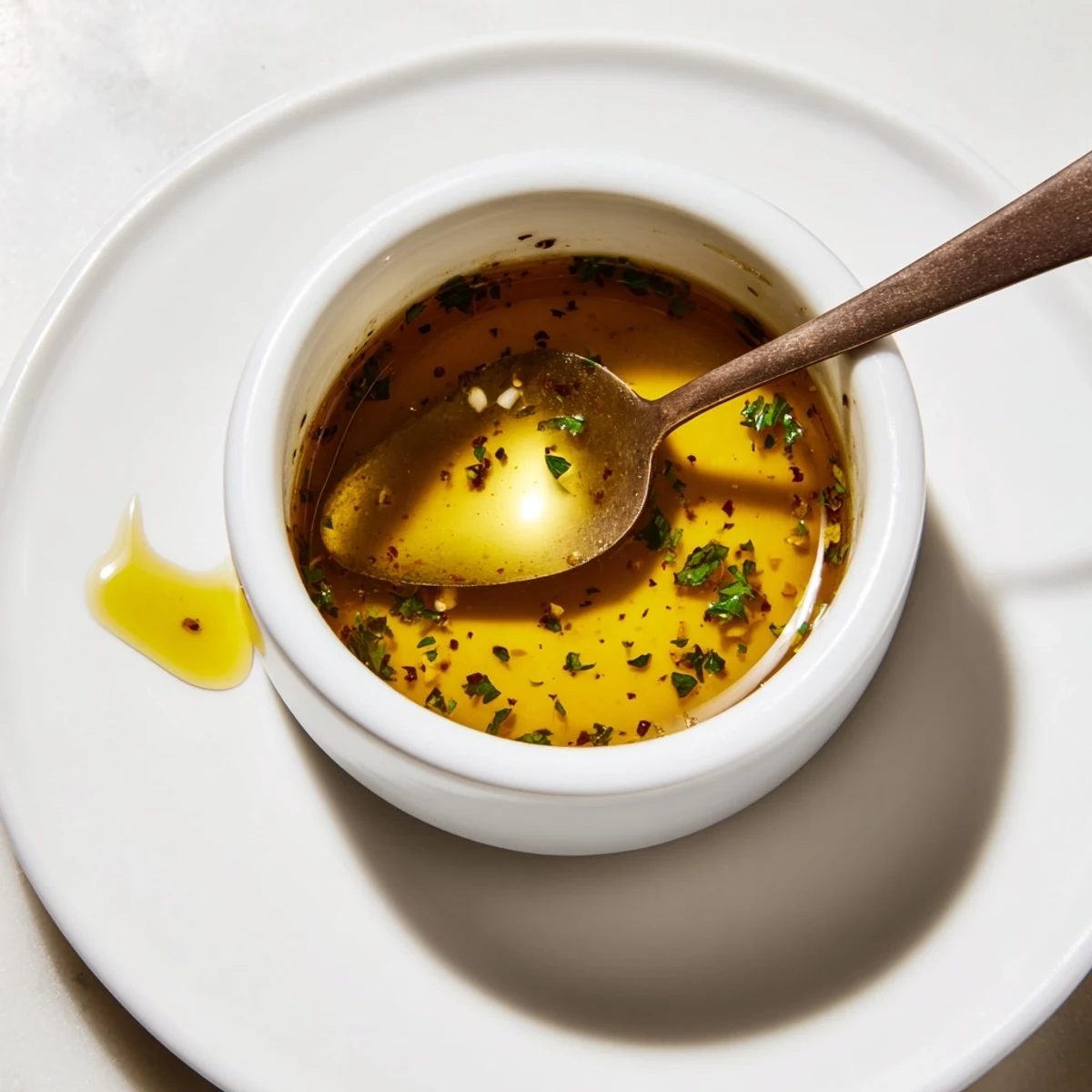
 This homemade vinaigrette blends red wine vinegar, Dijon mustard, minced garlic, salt, pepper and extra virgin olive oil into a bright, tangy dressing in about five minutes. Whisk the acid, mustard and seasonings first, then drizzle oil while whisking to create a smooth emulsion. Stir in herbs or swap vinegars for variation. Keeps up to one week refrigerated; shake before use.
The summer my neighbor left a bag of garden tomatoes on my porch, I stood in the kitchen eating them like apples, juices running down my wrist, and realized I had nothing in the fridge worthy of dressing a proper salad to go with them.
I called my mother that evening and she laughed, saying she had been making vinaigrette in old jam jars for thirty years and could not believe I still bought the stuff from a bottle.
Ingredients
- Extra virgin olive oil (6 tbsp): Use the good stuff here, the one with the peppery finish that makes you cough slightly at the back of your throat.
- Red wine vinegar (2 tbsp): The backbone of acidity, though honestly balsamic or apple cider work beautifully if that is what your pantry offers today.
- Dijon mustard (1 tsp): This is the quiet hero that holds everything together, acting as an emulsifier so your dressing stays creamy instead of separating into oily puddles.
- Garlic, finely minced (1 clove): One clove is enough to whisper its presence without screaming, though I have been known to sneak in a second on bold nights.
- Honey or maple syrup (1/2 tsp, optional): Just a touch rounds out the sharp edges and makes the whole thing taste more balanced than it has any right to be.
- Sea salt (1/2 tsp) and freshly ground black pepper (1/4 tsp): Season boldly, because a vinaigrette that tastes perfect on its own will taste perfectly bland on a salad.
- Fresh herbs, chopped (1 tbsp, optional): Parsley, chives, or tarragon, whatever is wilting in your crisper drawer and needs a purpose.
Instructions
- Build the foundation:
- In a medium bowl or a jar with a tight lid, combine the vinegar, Dijon mustard, minced garlic, honey if you are using it, salt, and pepper, then whisk until the mustard dissolves into a paste that smells sharp and promising.
- Stream in the oil:
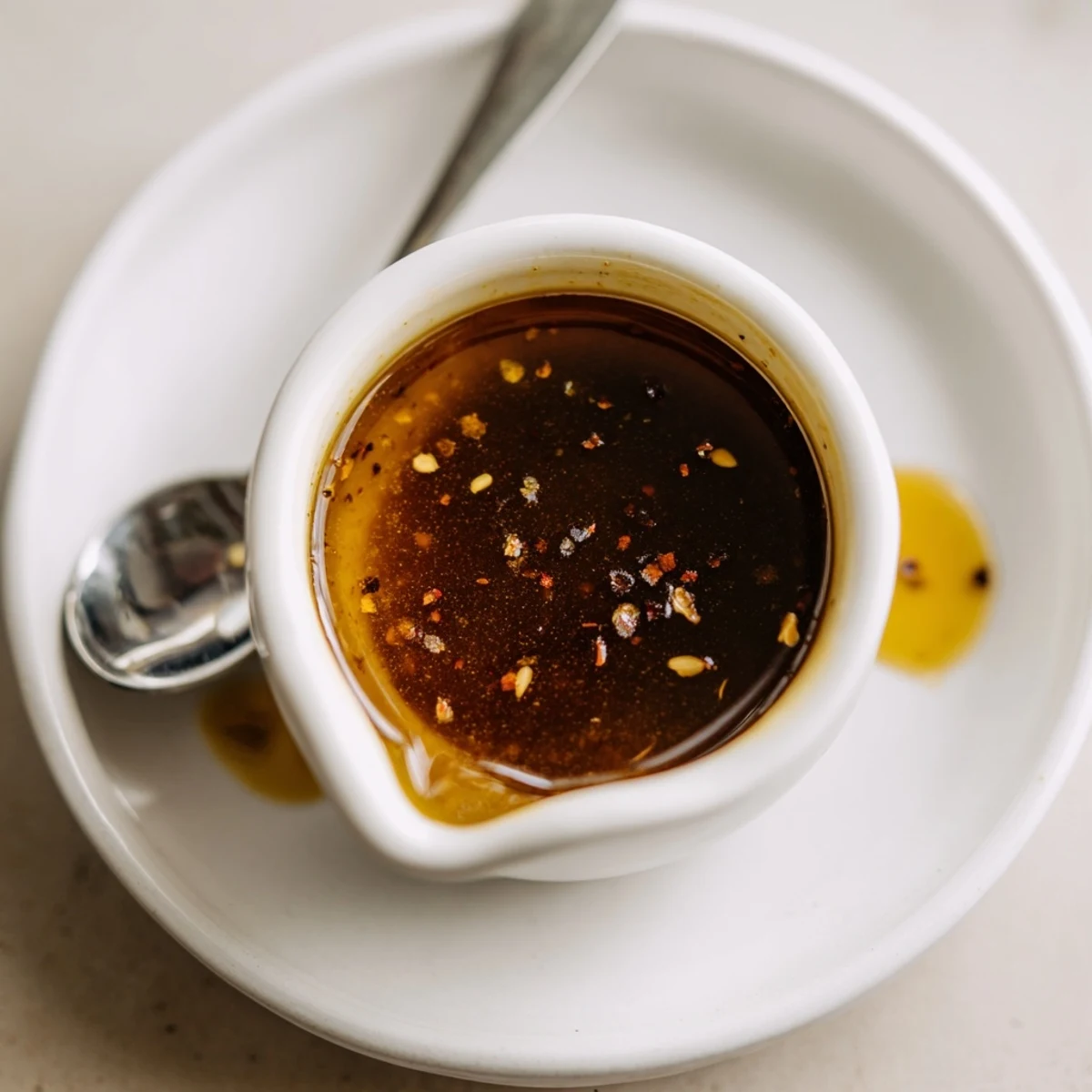
- Pour the olive oil in a slow, thin drizzle while whisking with your other hand, watching the mixture transform from a broken puddle into something glossy and united, thick as cream.
- Add the finishing touches:
- Stir in whatever fresh herbs you have chosen, noticing how the green flecks float in the golden liquid like tiny promises.
- Taste and trust yourself:
- Dip a leaf of whatever greens you are planning to serve and eat it, then adjust salt or vinegar until it sings the way you want it to.
 Save Pin
 That night with the porch tomatoes, I tossed everything with torn butter lettuce and ate standing at the counter, the dog watching hopefully from the doorway, and it felt like the most elegant meal I had made all season.
Storing Your Vinaigrette
Keep it in a sealed jar in the refrigerator for up to one week, knowing that the olive oil will solidify and look cloudy when cold, which alarms absolutely no one who has made vinaigrette before.
Swapping the Vinegar
Each vinegar changes the personality of this dressing entirely, and half the fun is discovering which one makes you close your eyes and nod.
Beyond the Salad Bowl
This vinaigrette doubles as a marinade for chicken thighs, a drizzle over roasted carrots, or a bright splash spooned over a bowl of lentils that would otherwise sit there looking resigned and plain.
- Toss warm roasted potatoes with it for a side dish that disappears before it reaches the table.
- Add a squeeze of lemon juice when your greens taste flat and need waking up.
- Always taste the dressing on an actual leaf of lettuce, because tasting it off a spoon lies to you.
 Save Pin
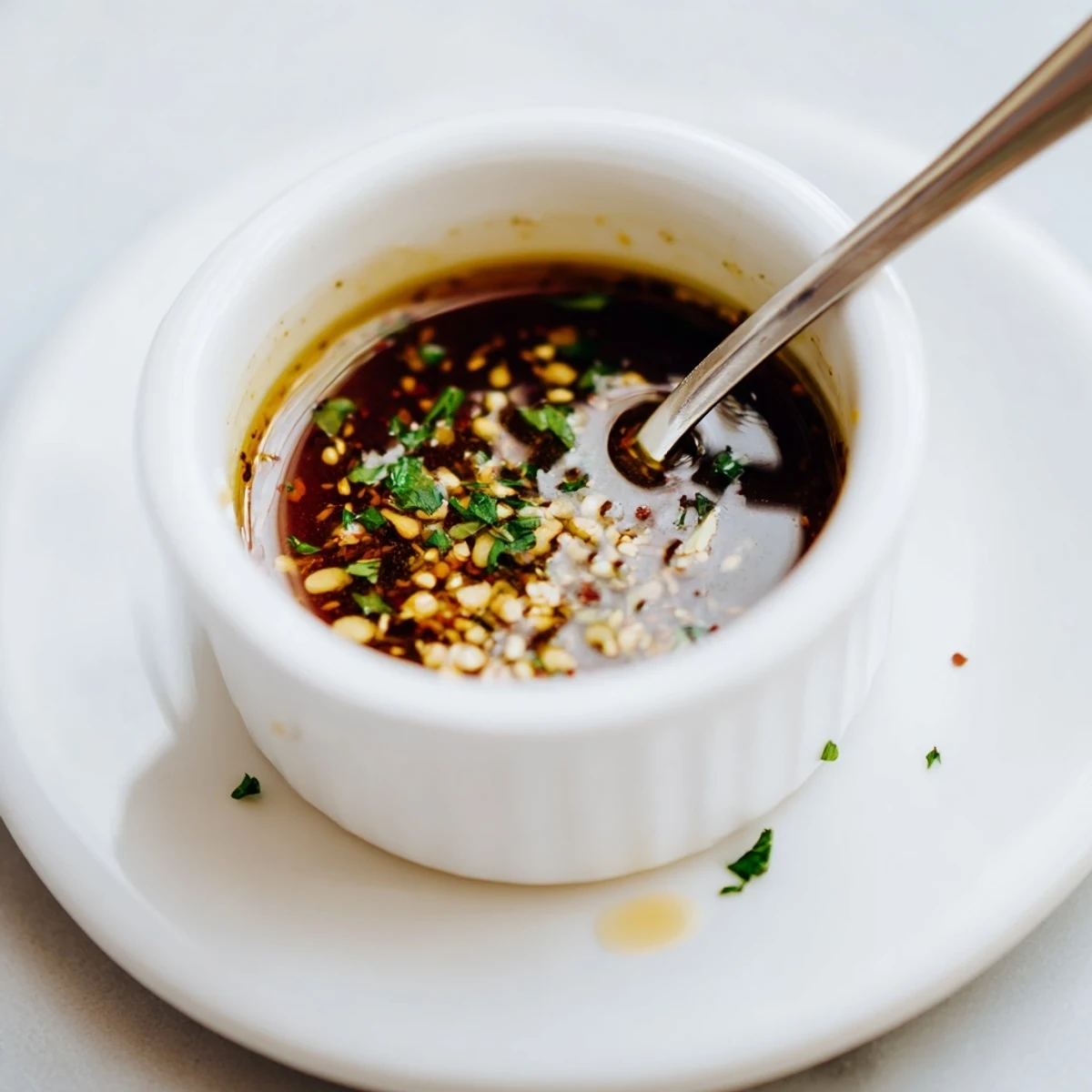
 A jar of homemade vinaigrette in the fridge is a small act of stubborn self sufficiency that pays dividends all week long.
Recipe FAQs
- → How do I get the vinaigrette to emulsify?
-
Whisk the vinegar, mustard and seasonings together first, then add the olive oil in a slow, steady stream while whisking vigorously. Mustard helps bind the oil and vinegar for a stable emulsion.
- → Can I substitute the red wine vinegar?
-
Yes. Try balsamic, apple cider or sherry vinegar for different flavor profiles. Adjust the amount to taste—balsamic is sweeter, while apple cider is milder and brighter.
- → How should I store the vinaigrette?
-
Keep in a sealed jar in the refrigerator for up to one week. The oil may solidify slightly when cold—bring to room temperature or shake well before using.
- → Can I make a lighter version?
-
For a lighter dressing, replace half the oil with water or low-sodium vegetable broth. Whisk thoroughly to maintain an even texture and taste.
- → What are good pairings for this vinaigrette?
-
It brightens green salads, grain bowls and roasted vegetables, and works well as a quick marinade for chicken or fish when applied briefly before cooking.
- → Any tips for adjusting acidity and sweetness?
-
Taste after whisking and balance with a pinch more salt, a squeeze of lemon for brightness, or a small amount of honey or maple syrup to soften sharp vinegar notes.