
 Save Pin
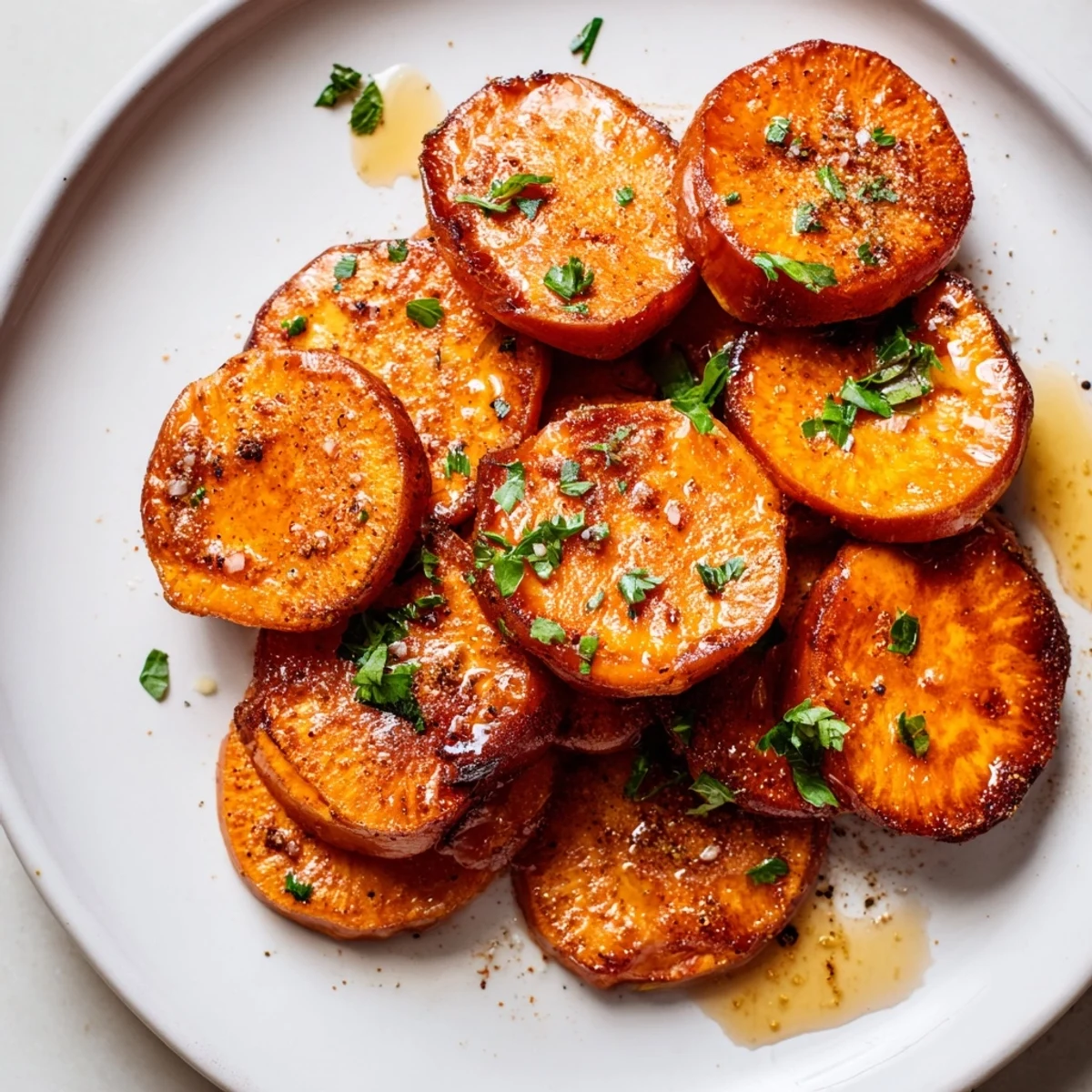
 Roast 1/2-inch sweet potato medallions at 425°F for 25–30 minutes until edges caramelize and centers are tender. Toss slices with olive oil, salt, pepper, and optional cinnamon before baking; flip halfway for even browning. Remove and immediately drizzle with honey so it lightly seeps in. Garnish with chopped parsley. Serve warm as a side or starter. Variations: add smoked paprika or swap maple for honey for a vegan twist.
The oven door had a temperamental seal that winter, letting heat waft into the kitchen like a slow invitation, and those sweet potato medallions caramelizing on the middle rack filled the entire apartment with something close to comfort itself. I had bought the sweet potatoes on impulse from a farmers market vendor who insisted they were the sweetest batch of the season. He was not exaggerating.
A friend dropped by unexpectedly one evening while these were in the oven, and she stood in the kitchen doorway just breathing in and saying nothing for a full minute before asking what on earth I was making.
Ingredients
- Sweet potatoes (2 large): Look for ones that feel heavy for their size with smooth, unblemished skin, because any soft spots mean the interior has already started breaking down.
- Olive oil (2 tbsp): A decent extra virgin olive oil does more than prevent sticking here, it helps the sugars caramelize and adds a subtle fruity backdrop to the honey.
- Sea salt (1/2 tsp): Do not skip this or skimp on it, salt is what turns sweet potato from merely sweet into something with real depth and balance.
- Black pepper (1/4 tsp): Freshly cracked makes a genuine difference, the pre ground stuff tastes flat and dusty next to the warmth of cinnamon and honey.
- Ground cinnamon (1/2 tsp, optional): Entirely optional but I always add it now after realizing it bridges the gap between the earthy potato and the floral honey beautifully.
- Honey (2 tbsp): A lighter honey like clover or wildflower lets the sweet potato flavor shine through, while darker buckwheat honey would overpower it.
- Fresh parsley (1 tbsp, optional): A scattered handful of chopped parsley at the end adds a bright, grassy note that cuts through all that concentrated sweetness.
Instructions
- Get the oven hot:
- Preheat to 425F (220C) and line a baking sheet with parchment paper. A hot oven is non negotiable if you want those deeply golden edges rather than pale, steamed rounds.
- Slice and arrange:
- Peel the sweet potatoes and cut them into even half inch thick medallions, then lay them out in a single layer on the sheet with a little breathing room between each one. Crowding leads to steaming, and steaming leads to sadness.
- Season and toss:
- Drizzle the olive oil over the top, sprinkle on the salt, pepper, and cinnamon, then use your hands to flip and rub each medallion until every surface glistens. Spread them back out into that single layer before they go in.
- Roast and flip:
- Slide them into the oven and set a timer for fifteen minutes, then flip each medallion with a spatula and roast another ten to fifteen minutes until fork tender and beautifully bronzed on both sides.
- The honey moment:
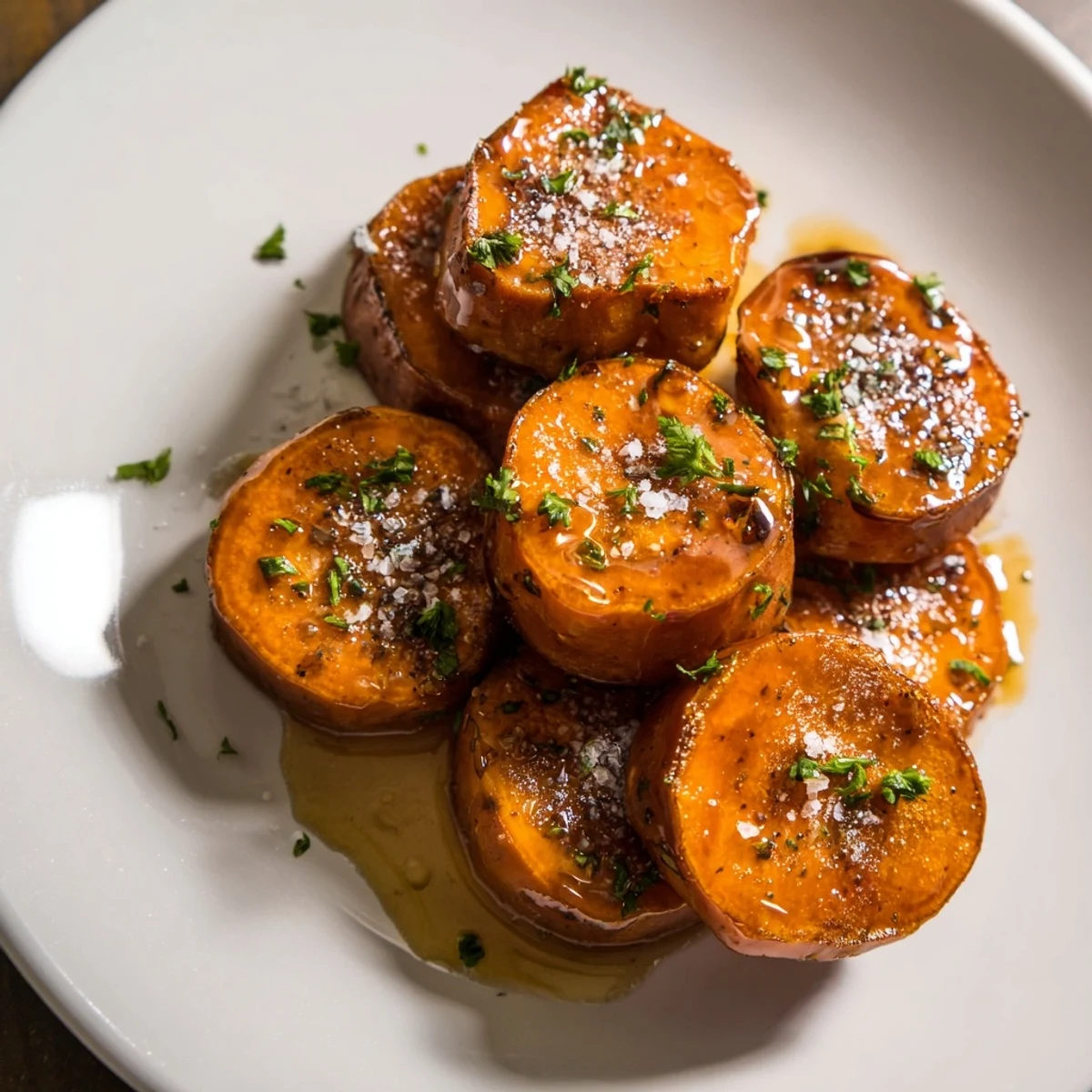
- Pull the tray from the oven and drizzle the honey directly over the hot medallions, then let everything sit undisturbed for two to three minutes. The residual heat thins the honey so it seeps into every nook and caramelized crevice.
- Finish and serve:
- Transfer to a warm platter, scatter with parsley if you are using it, and serve them while they are still hot. They cool fast and the magic dims a little at room temperature.
 Save Pin
 That same friend now requests these every time she comes over, and I have stopped pretending they are complicated.
Choosing the Right Sweet Potatoes
There is a quiet difference between orange fleshed sweet potatoes and the paler Japanese varieties, and for this recipe you want the orange ones with their natural, almost jammy sweetness. The paler ones roast beautifully but they behave differently, staying firmer and starchier rather than collapsing softly at the edges.
Making It Your Own
A pinch of smoked paprika or chili flakes scattered over the medallions before roasting introduces a slow, warming heat that plays beautifully against the honey. I discovered this by accident when I knocked the paprika shaker over the tray and decided to commit to the mistake rather than wipe everything clean.
What to Serve Alongside
These medallions are versatile enough to sit next to almost anything, from a simple roasted chicken thigh to a hearty grain bowl piled with quinoa and greens. They also disappear quickly on their own as a nibble before dinner.
- Try them alongside a dollop of tangy Greek yogurt for a quick appetizer spread.
- Maple syrup works in place of honey if you need a vegan version.
- Always double the batch because four servings sounds generous until people start reaching for seconds.
 Save Pin
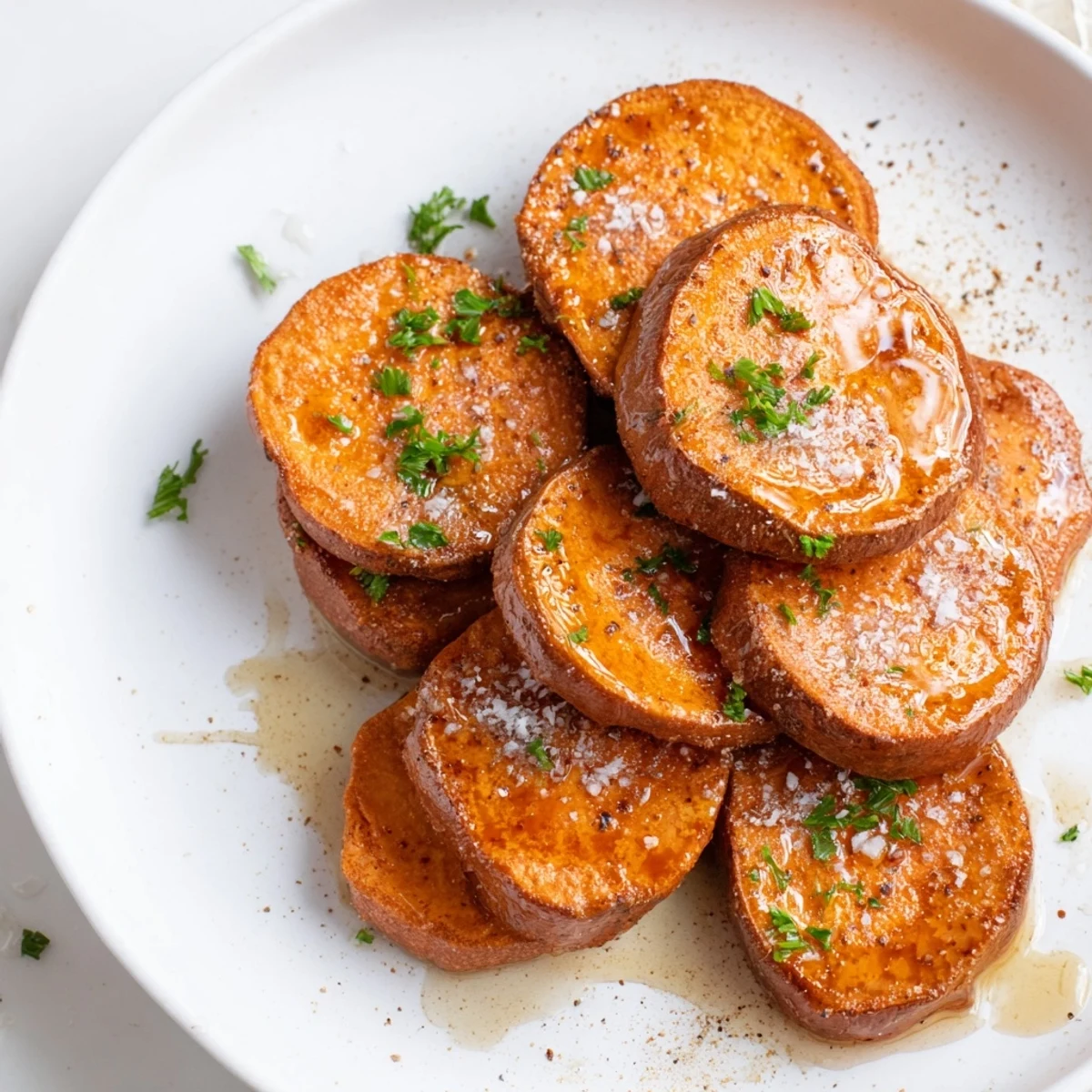
 Some recipes earn a permanent spot in your kitchen not because they dazzle but because they ask so little and give so much back. Keep a couple of sweet potatoes around and the rest of the ingredients are probably already waiting in your pantry.
Recipe FAQs
- → How thick should I slice the sweet potatoes?
-
Slice into about 1/2-inch medallions for even cooking. Thicker slices require more time and thinner ones can crisp too fast.
- → How do I get caramelized edges without burning?
-
Use a single layer on a parchment-lined sheet, toss in oil, and roast at 425°F. Flip once halfway to promote even browning and watch the last 5 minutes.
- → Can I make them vegan?
-
Yes—swap honey for maple syrup and drizzle immediately after roasting to allow the syrup to warm and soak in slightly.
- → What seasoning variations work well?
-
Try smoked paprika or chili flakes for a savory kick, or a pinch of cinnamon for warmth. A squeeze of lemon brightens richer flavors.
- → How can I keep medallions crisp instead of soggy?
-
Pat sweet potato slices dry before oiling, avoid overcrowding the pan, and roast on a hot sheet so moisture can evaporate quickly.
- → What pairs well with these medallions?
-
They complement roasted meats, grain bowls, or a fresh green salad. Serve warm to preserve the honey glaze and texture contrast.