
 Save Pin
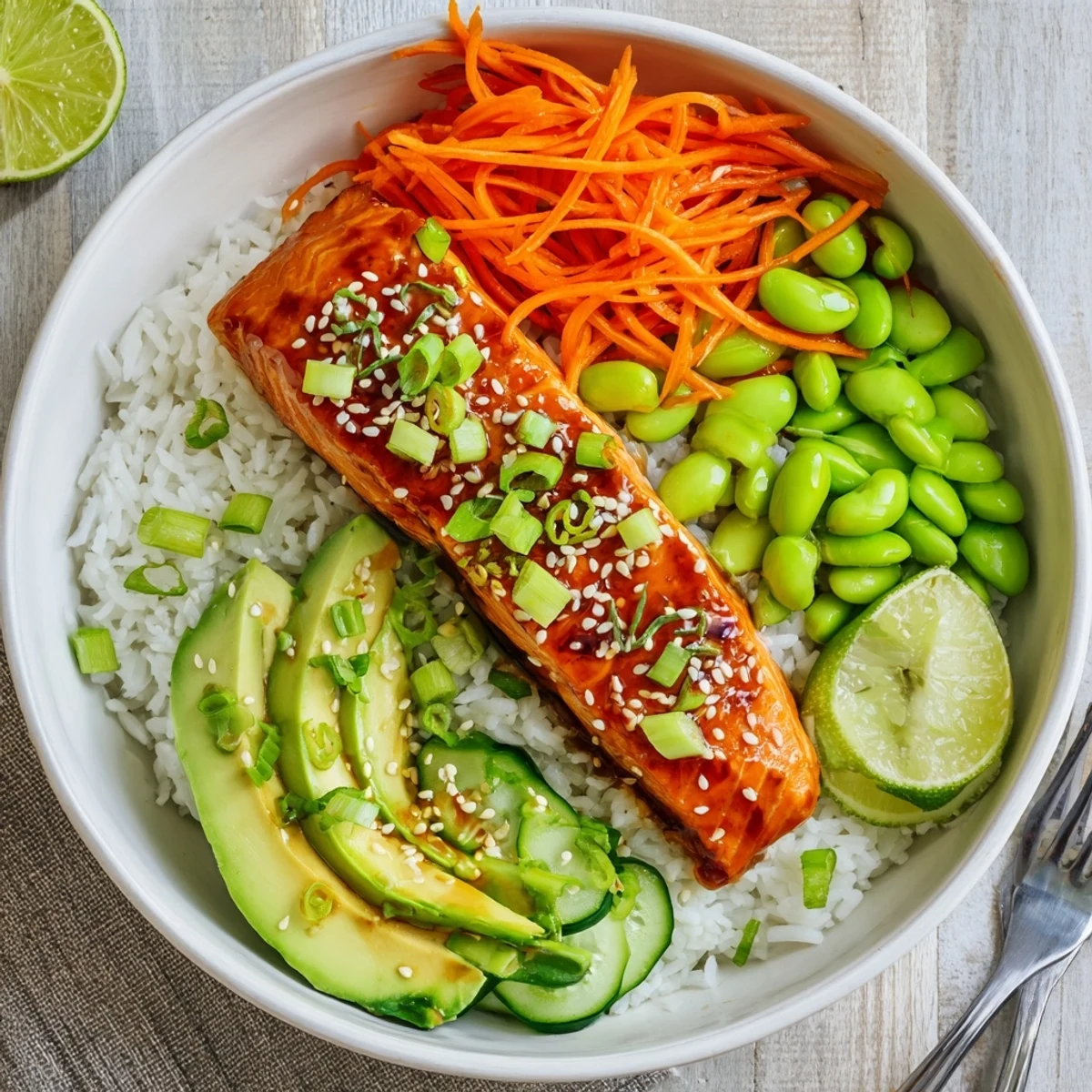
 Salmon fillets are seasoned, brushed with a honey, soy, lime, garlic and ginger glaze, then baked until caramelized. Serve over fluffy jasmine or brown rice with julienned carrot, cucumber, cooked edamame and sliced avocado. Finish with toasted sesame seeds, green onions and a squeeze of lime. Swap quinoa or cauliflower rice to lighten the bowl and adjust glaze for more heat or acidity.
The unmistakable sizzle of salmon hitting a hot tray always signals something good is coming to the table. I didn’t plan for this honey glazed salmon bowl to be a staple, but after an impromptu weeknight experiment, it just started making frequent appearances. There’s a certain satisfaction in watching the glaze bubble and caramelize as the kitchen fills with sweet ginger and citrusy steam. Before I knew it, friends would drop by and hope it was a salmon bowl night.
I vividly recall hastily tossing shredded carrots and edamame into the first bowl as my partner hovered, bemoaning how hungry they were. Without fuss, we grabbed our chopsticks and dug in straight from the kitchen counter, laughing over the sticky glaze that clung to our fingers. The sheer brightness of the veggies and tang of the sauce just made the meal feel alive. It was one of those perfectly unplanned dinners that somehow are remembered the most.
Ingredients
- Salmon: Go for skinless fillets so that the glaze hugs every bite – pat them dry before seasoning for the best texture.
- Honey: Runny honey makes blending the glaze easier and caramelizes beautifully; if it's thick, a quick zap in the microwave works.
- Low-sodium soy sauce: This lets the honey shine through without being overpowered by saltiness.
- Rice vinegar: A splash of acidity makes all the difference, so don’t skip it – substitute with apple cider vinegar if needed.
- Fresh lime juice: The lime brightens the entire bowl and keeps it from getting too sweet.
- Garlic & ginger: Mince both finely for a burst of warm aromatics in every bite.
- Olive oil: Just a splash ensures the glaze doesn’t burn and keeps everything luscious.
- Jasmine or brown rice: Fluffy rice soaks up the sauce; either option works, but jasmine adds a lovely floral note.
- Carrot: Julienne with a sharp knife or veggie peeler for crunchy, sweet ribbons.
- Cucumber: Paper-thin slices keep the bowl fresh and cooling alongside the warm salmon.
- Edamame: Shelled edamame adds protein and a pop of color – cook just until bright green.
- Avocado: Always slice just before serving to preserve its creamy texture and pretty color.
- Toasted sesame seeds: It’s worth toasting your own – just a minute in a dry pan for depth and crunch.
- Green onions: Thinly sliced on the diagonal for that bit of fresh, zippy finish.
- Lime wedges: Essential for that custom zing at the table.
Instructions
- Preheat and Prep:
- Snap the oven on to 200°C and line your baking sheet – the parchment will spare your cleanup later.
- Season the Salmon:
- Spread the fillets on the tray, sprinkle with plenty of salt and pepper, and take a second to press seasoning gently into the flesh.
- Mix the Glaze:
- In a small bowl, whisk honey, soy, vinegar, lime, garlic, ginger, and oil until combined – the scent should make you hungry immediately.
- Glaze Generously:
- Brush the glaze all over the salmon, but hold back about 2 tablespoons for the grand finale drizzle.
- Bake the Salmon:
- Roast for 12–15 minutes; keep an eye out for those glossy, caramelized edges as a sign they’re done.
- Build the Base:
- Fluff your hot rice and scoop into the bowls – let loose little clouds of steam and anticipation.
- Add the Veggies:
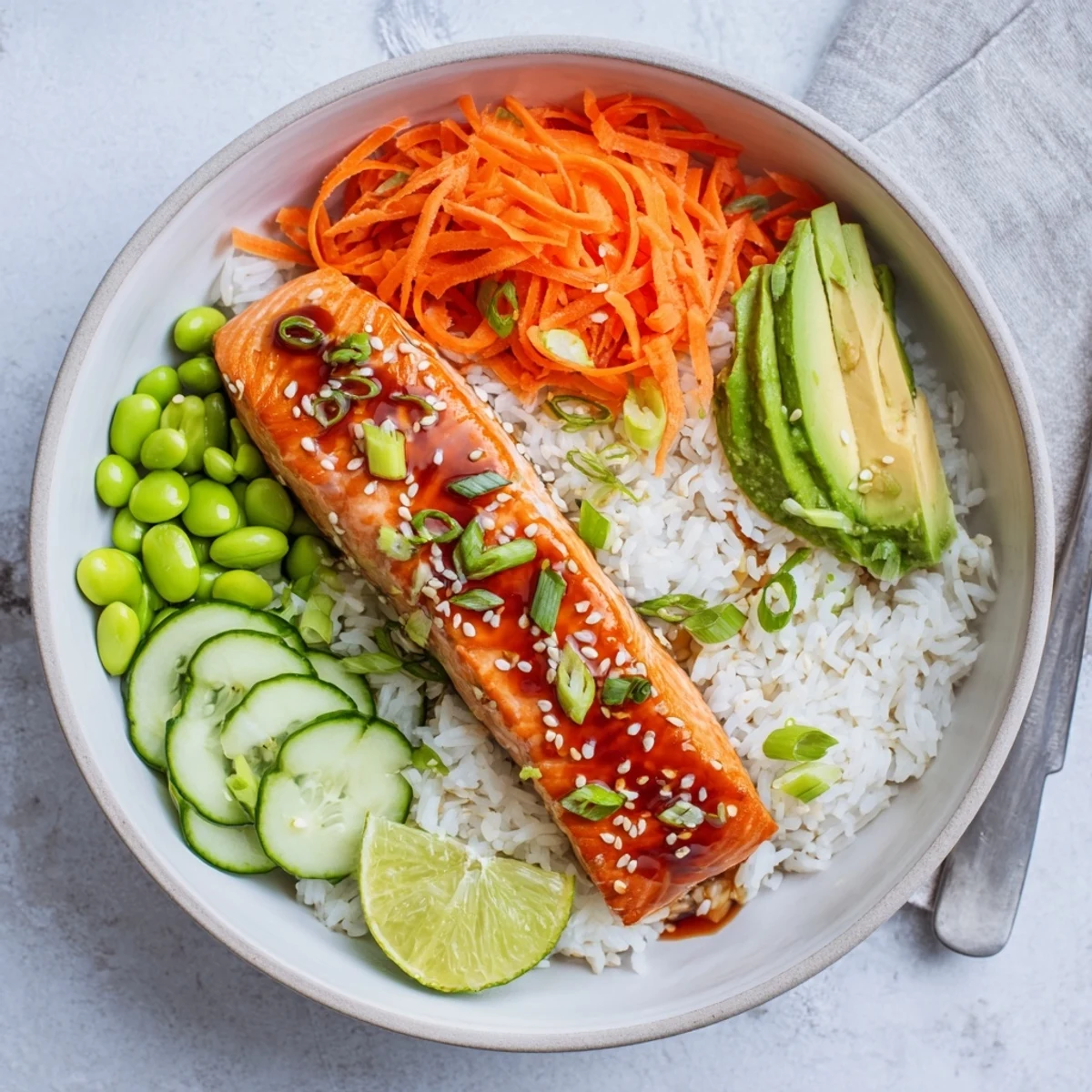
- Arrange carrot, cucumber, edamame, and avocado attractively around each bowl like an edible rainbow.
- Finish with Salmon & Glaze:
- Set a glazed salmon fillet atop each bowl and drizzle the reserved sauce for sticky-sweet sheen.
- Garnish and Serve:
- Sprinkle toasted sesame and green onions over everything and tuck a lime wedge alongside – time to eat!
 Save Pin
 One night, my cousin came over right after work looking frazzled, and all it took was handing her a bowl to see her shoulders drop and a grin appear. We ended up eating cross-legged on the living room rug, dipping forkfuls into extra glaze and letting the world pause for a moment. That evening, it was clear: food like this is a gentle kind of magic.
How to Make Weeknight Meals Joyful
Letting yourself play with color and arrangement in these bowls transforms dinner from routine to something that almost feels like art therapy. Swapping in whatever veggies or grains you have makes each batch a little different. It’s a dish that forgives substitutions, so you can use up stray bits from the fridge while still feeling fancy.
Ingredient Swap Suggestions
Don’t feel tied to the original lineup: leftover quinoa, pickled radish, or even pineapple chunks can work surprisingly well. I’ve even swapped out salmon for tofu cubes when feeding a vegetarian group, with the same addictive glaze. The key is balancing sweet, savory, and tangy in every bite.
Small Steps That Make Bowls Memorable
Little touches – like fanning the avocado or giving the sesame seeds a last second toast – show care, even if you’re cooking for yourself. Each bowl is a chance to add your own flourish, whether it’s a swirl of sriracha mayo or extra lime juice.
- Save a splash of glaze to drizzle right before serving for shine and flavor pop.
- Use a shallow bowl so every bite gets a bit of everything.
- Cut veggies just before assembly to keep them crisp and vivid.
 Save Pin
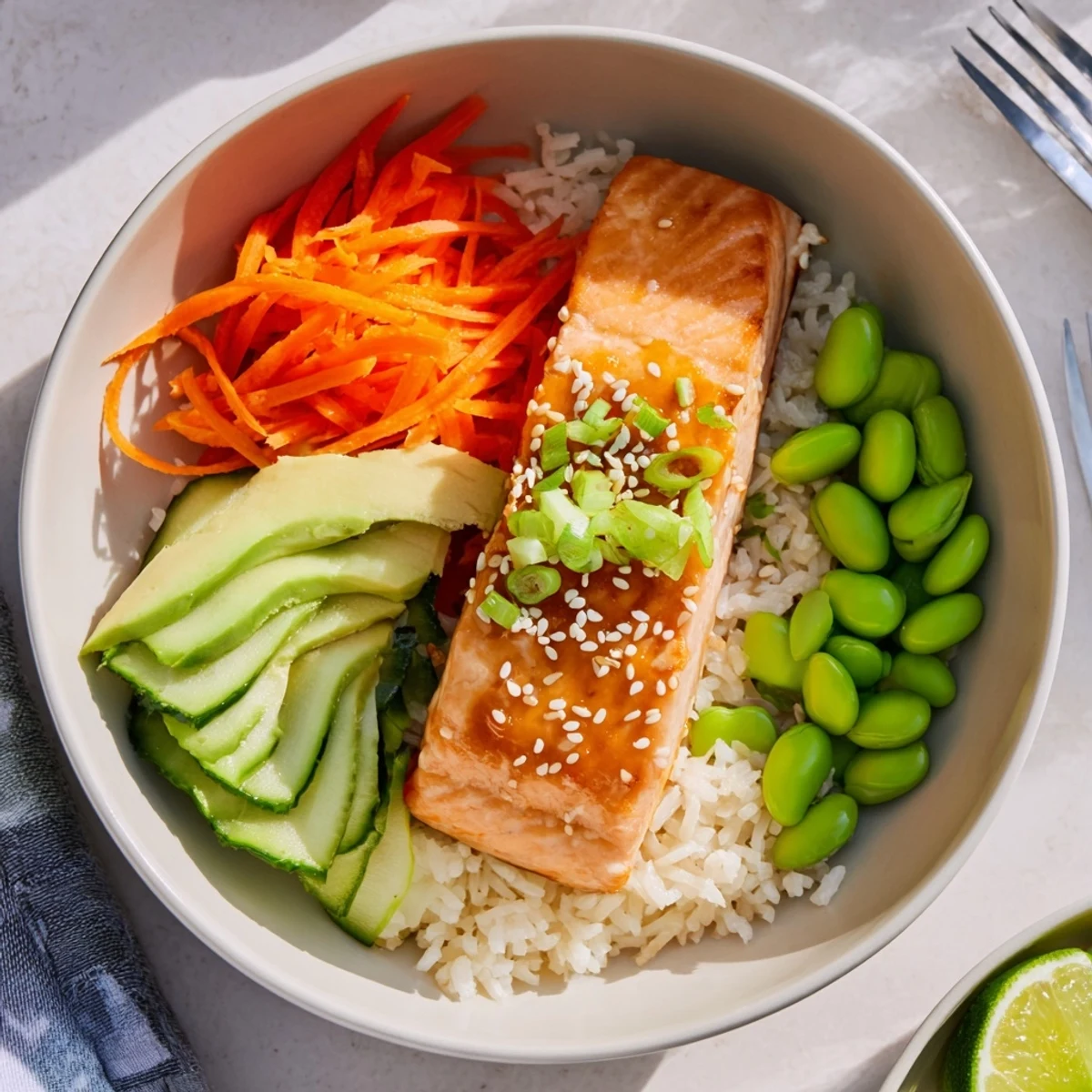
 This salmon bowl never fails to bring a little burst of color and comfort to my week. Here’s hoping it fills your kitchen with the same warmth and good hunger it brings to mine.
Recipe FAQs
- → How long should the salmon bake?
-
Bake at 200°C (400°F) for about 12–15 minutes, depending on thickness, until the fish is just cooked through and the glaze is caramelized. Thinner fillets need less time.
- → How do I get a sticky, caramelized glaze?
-
Brush the glaze on before baking and reserve some to drizzle after cooking. For extra caramelization, broil briefly for 30–60 seconds while watching closely to avoid burning.
- → What are good alternatives to jasmine rice?
-
Brown rice adds nuttiness and chew, while quinoa or cauliflower rice provide lower-carb options. Adjust cooking times and seasoning to match the chosen base.
- → Can I use skin-on salmon fillets?
-
Yes. Pat the skin dry, sear skin-side down to crisp it, then transfer to the oven to finish cooking. Increase oven time slightly for thicker pieces.
- → How should leftovers be stored and reheated?
-
Store components separately in airtight containers for up to 2 days. Reheat salmon gently in a low oven or skillet to preserve moisture; refresh raw vegetables or add a quick sauté.
- → What swaps work for soy or honey sensitivities?
-
Use tamari or coconut aminos in place of soy, and maple syrup or agave instead of honey. Taste and tweak lime and salt to maintain balance.