
 Save Pin
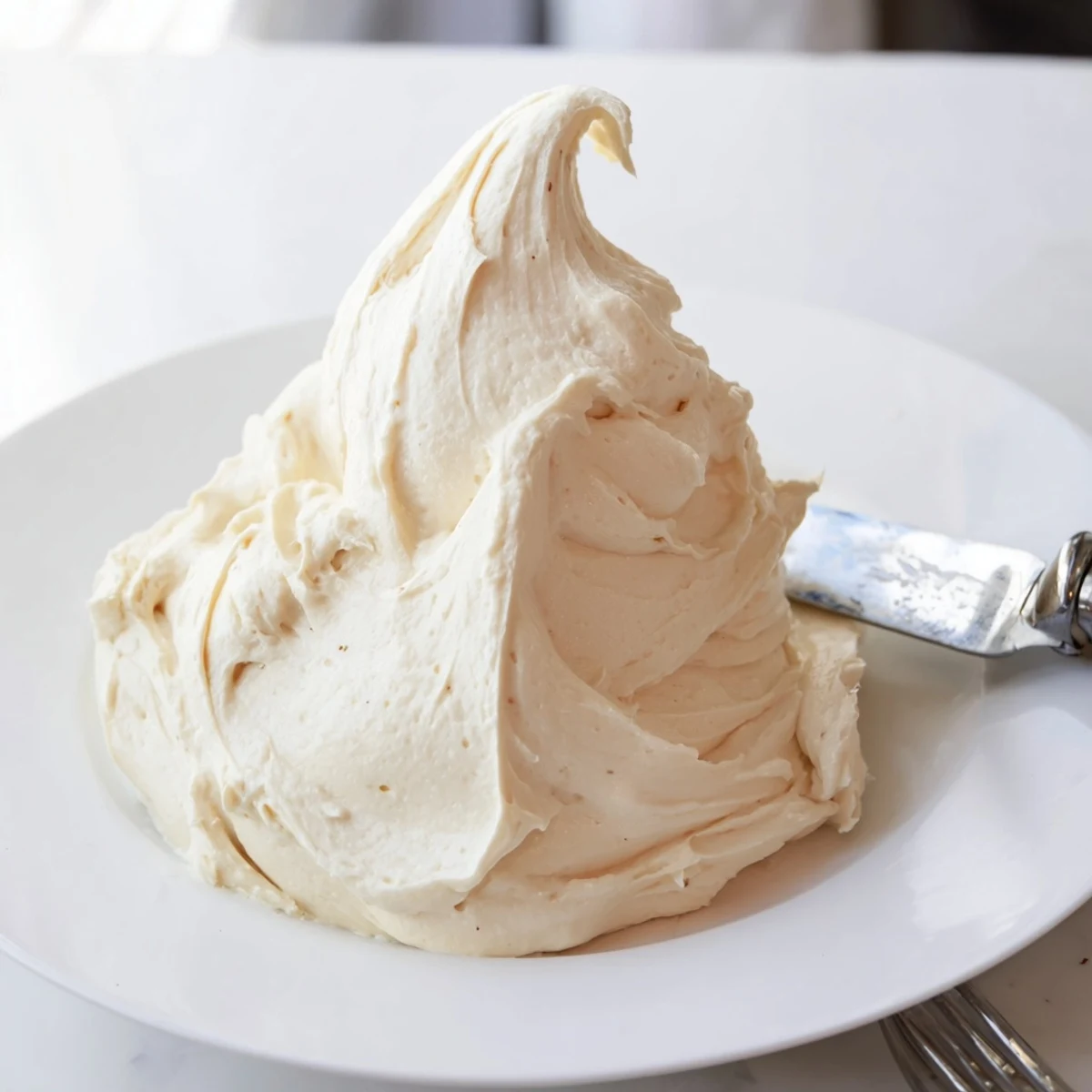
 This Italian meringue buttercream delivers a silky, luxurious frosting that transforms any cake or cupcake into an elegant dessert. By slowly drizzling hot sugar syrup into whipped egg whites, you create a glossy, stable meringue that emulsifies beautifully with room-temperature butter.
The technique requires precision—a candy thermometer is essential—but the result is a velvety buttercream far superior to powdered sugar versions. It pipes flawlessly, holds its shape, and can be flavored with espresso, chocolate, or fruit purees.
The sound of a candy thermometer clicking against the saucepan rim still takes me back to a tiny apartment kitchen in Bologna, where I burned through three batches of sugar syrup before getting Italian meringue buttercream right. That fourth batch, golden and glossy, whipped into something so ethereal I stood there eating it off a spatula at midnight. It was the first frosting that made me understand why people spend their lives perfecting pastry.
I served a three layer lemon cake frosted with this buttercream at my sisters engagement party, and my aunt cornered me in the kitchen demanding to know which patisserie I had ordered it from. Watching her face when I admitted I made it myself remains one of my proudest cooking moments. She still asks me to bring that cake every holiday.
Ingredients
- Granulated sugar (200 g): The foundation of your syrup, and plain white sugar works perfectly here so save the fancy stuff for something else.
- Water (60 ml): Just enough to dissolve the sugar before it caramelizes, so measure carefully and do not add extra.
- Egg whites, room temperature (4 large): Cold whites will not whip properly, so leave them out for at least thirty minutes before starting.
- Cream of tartar (1/4 tsp, optional): Stabilizes the whites and gives you a bigger margin of error, which I highly recommend if you are new to meringue.
- Fine sea salt (1/8 tsp): A tiny pinch keeps the sweetness from becoming cloying and rounds out the flavor beautifully.
- Unsalted butter, room temperature and cubed (340 g): The star of the show, and every cube must be truly soft or your buttercream will never come together.
- Vanilla extract (1 tsp): Use the good quality one here because its flavor shines through in such a simple preparation.
Instructions
- Make the sugar syrup:
- Combine sugar and water in a small saucepan over medium heat, swirling gently until the sugar completely dissolves and the mixture turns clear. Attach your candy thermometer and watch it closely because the temperature climbs faster than you expect once it gets going.
- Start the meringue:
- While the syrup heats, drop your egg whites, cream of tartar, and salt into a spotlessly clean mixer bowl and begin whipping on medium speed until soft peaks form. Even a trace of grease on your bowl or whisk will sabotage the entire batch, so wash everything with hot soapy water first.
- Bring them together:
- When the syrup hits 115 degrees Celsius, slowly drizzle it into the whipping whites in a thin steady stream with the mixer on medium high, avoiding the spinning whisk. This is the moment where patience matters because pouring too fast will cook the eggs and you will have to start over.
- Whip to stiff glossy peaks:
- Crank the mixer to high speed and let it run for seven to ten minutes until the meringue stands tall and the outside of the bowl feels completely cool to your palm. Rushing this step is the most common mistake, so touch the bowl and if it feels even slightly warm, keep waiting.
- Add the butter gradually:
- With the mixer on medium, drop in a few butter cubes at a time, waiting until each addition disappears before adding more. The mixture will almost certainly look curdled or soupy halfway through, which is completely normal, so resist the urge to panic and just keep mixing.
- Finish with vanilla:
- Pour in the vanilla extract and whip just until it is evenly incorporated, maybe fifteen seconds more. Overmixing at this stage can make the buttercream too loose, so stop as soon as it looks uniform.
- Frost or store:
- Use the buttercream immediately to frost your cake or cupcakes, spreading it with an offset spatula for the smoothest finish. If you need to store it, cover tightly and refrigerate for up to five days, then let it come to room temperature and rewhip before using.
 Save Pin
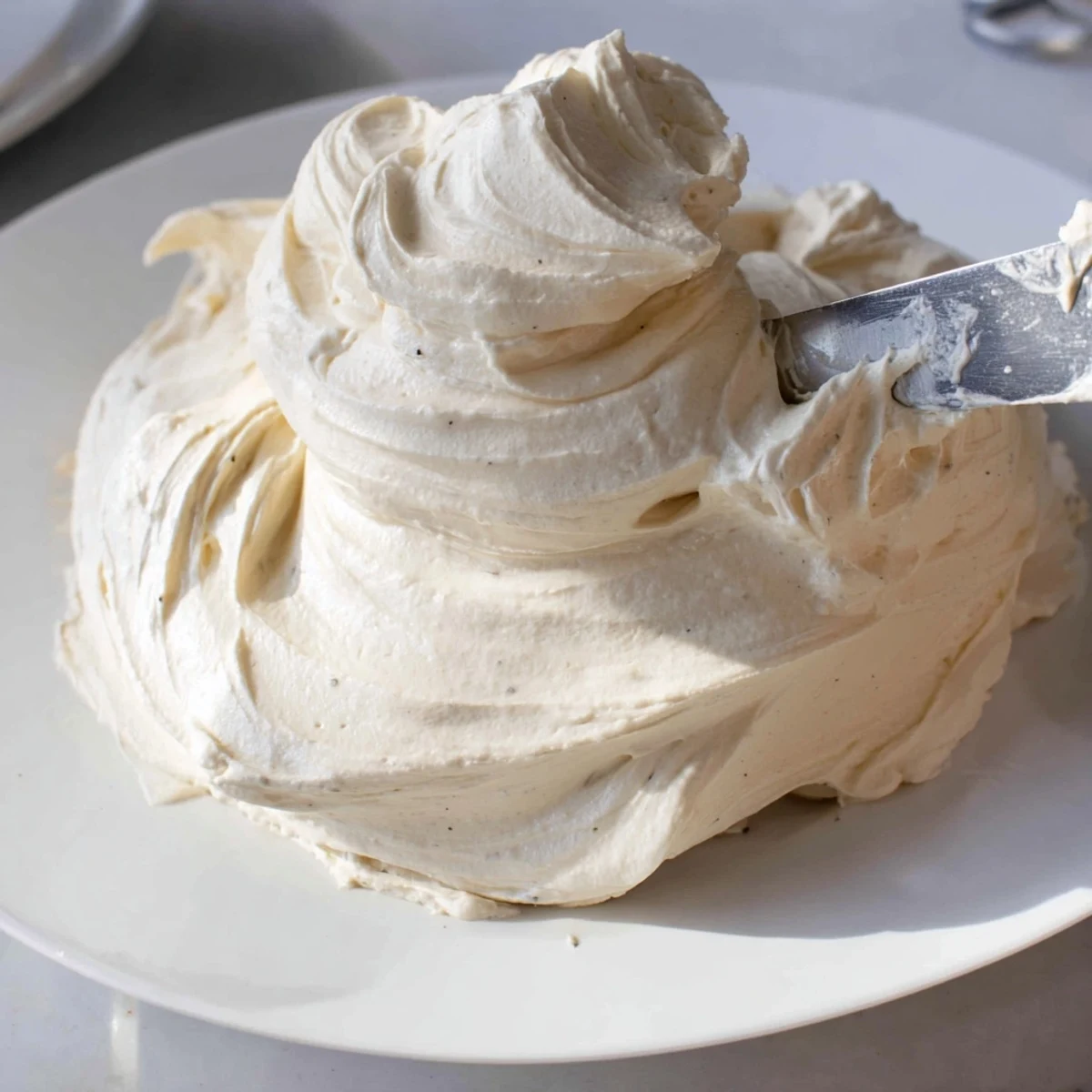
 The first time my buttercream actually came together after looking like scrambled soup for ten minutes, I literally cheered out loud alone in my kitchen at eleven oclock at night.
Flavor Variations Worth Trying
Once you have the base recipe down, the possibilities open up in wonderful ways. I have folded in espresso powder for a mocha cake that disappeared at a friends potluck within minutes. Melted and cooled dark chocolate transforms it into something impossibly rich, while a few tablespoons of raspberry puree create a tangy pink frosting that looks stunning on a simple vanilla layer cake.
Troubleshooting Common Problems
If your buttercream looks soupy after all the butter is in, the meringue was probably still too warm when you started adding it, so just keep whipping until it cools and firms up. If it looks grainy or separated, the butter may have been too cold, and you can try warming the outside of the bowl with a hairdryer while mixing on low. Almost every problem with this recipe can be fixed if you just keep the mixer running a little longer.
Pairing and Serving Suggestions
This buttercream pairs beautifully with light sponge cakes, delicate vanilla layers, and anything with fresh berries or citrus. It is rich enough that a thin layer goes a long way, which makes it perfect for semi naked cakes where you want elegance without heaviness.
- Spread it between layers of lemon sponge with fresh raspberries for a crowd pleasing summer cake.
- Use it to frost a simple chocolate cupcake and top with a single fresh strawberry for an easy but impressive dessert.
- Always taste your buttercream before frosting and adjust the vanilla or add a pinch more salt if it tastes too sweet.
 Save Pin
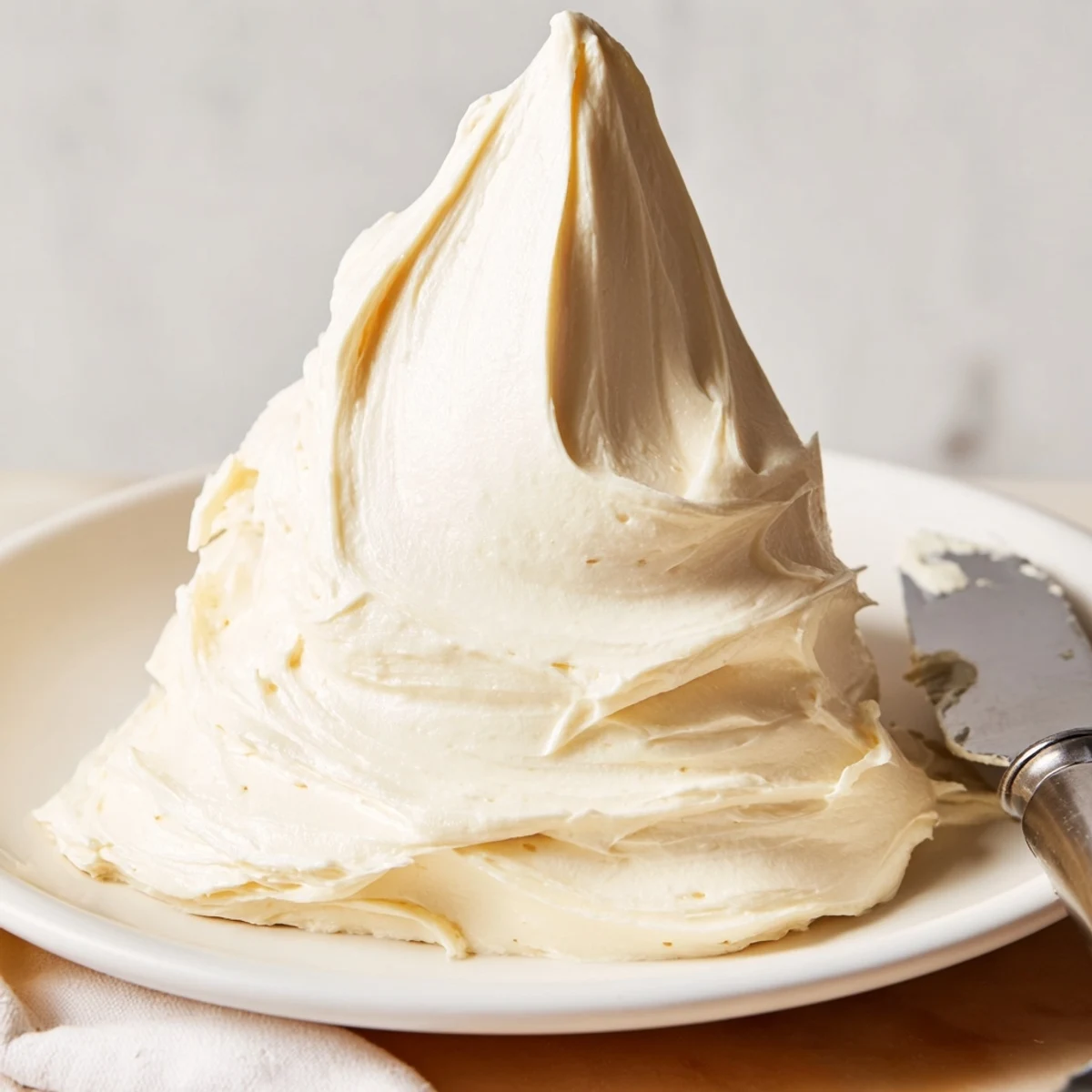
 Mastering Italian meringue buttercream feels like joining a secret club of home bakers who refused to settle for grainy frosting. Once you get it, you will find yourself looking for excuses to bake cakes just to make it again.
Recipe FAQs
- → Why does my buttercream look curdled or soupy?
-
This is completely normal during the process. As you add butter to the meringue, the mixture may appear curdled or separated before it comes together. Simply keep mixing on medium-high speed and it will eventually emulsify into a silky, smooth buttercream.
- → Can I make Italian meringue buttercream ahead of time?
-
Yes, you can store it covered in the refrigerator for up to 5 days. When ready to use, bring it to room temperature and re-whip until smooth and spreadable again.
- → What temperature should the butter be?
-
The butter must be at room temperature and soft enough to leave a slight indentation when pressed. If the butter is too cold, the buttercream will be stiff and difficult to spread. If too warm, it may become too loose and soupy.
- → Do I really need a candy thermometer?
-
Yes, a candy thermometer is essential for this technique. The sugar syrup must reach exactly 115°C (240°F) to ensure the meringue sets properly and creates a stable base for the buttercream.
- → How can I flavor this buttercream?
-
You can add espresso powder, melted and cooled chocolate, or fruit purees once the buttercream is fully emulsified. Add flavorings gradually and mix until evenly incorporated for the best results.
- → Why is my equipment required to be grease-free?
-
Any trace of grease or fat in the mixing bowl or on the whisk will prevent the egg whites from whipping properly and reaching stiff peaks. Always wash equipment thoroughly with hot soapy water and dry completely before starting.