
 Save Pin
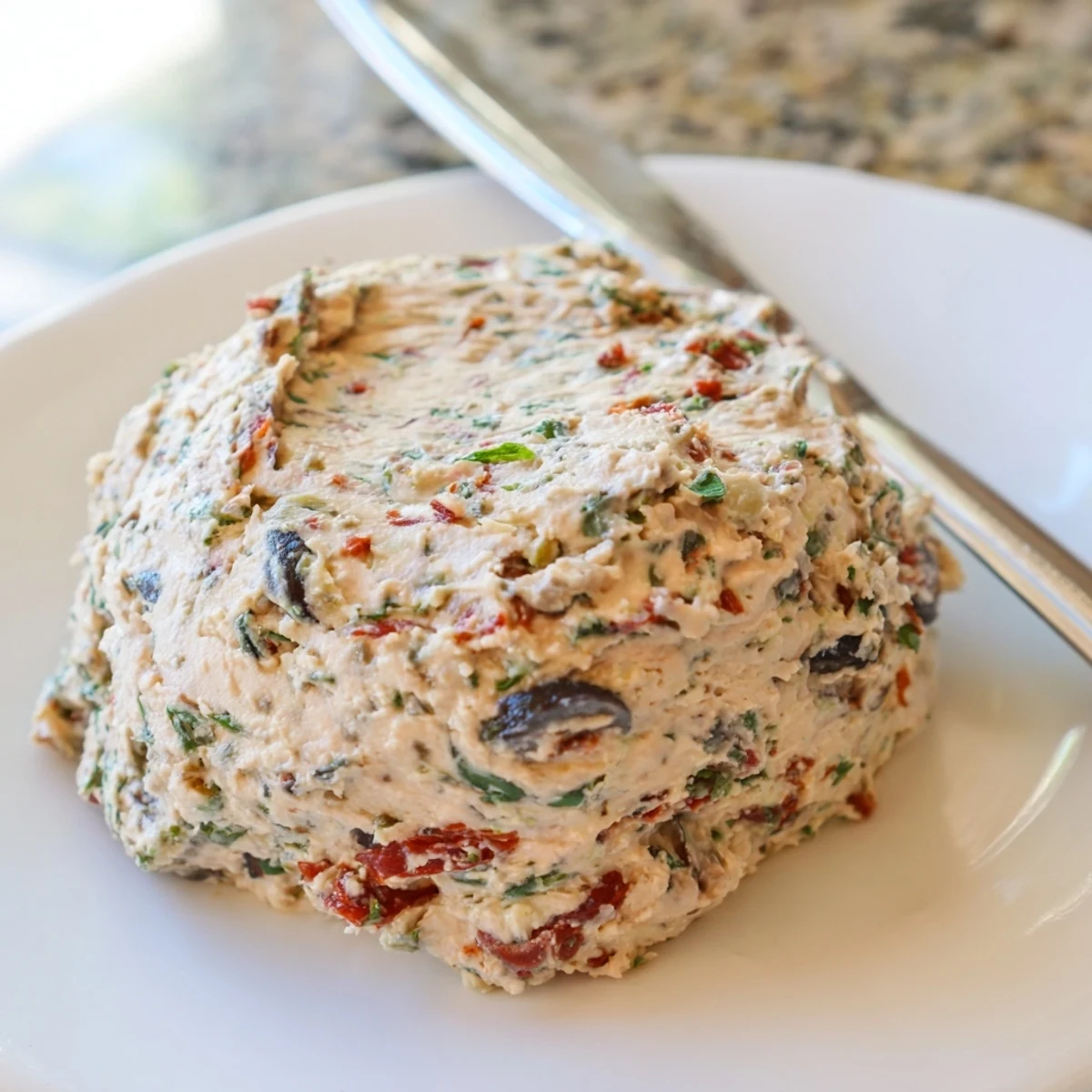
 This Italian-style olive and cheese spread comes together in just 10 minutes with no cooking required. A luscious base of cream cheese, ricotta, and Parmesan is studded with chopped olives, sun-dried tomatoes, and roasted red peppers.
Fresh basil, parsley, and a drizzle of olive oil bring bright, herbaceous notes that pair beautifully with crusty bread or crisp crackers. It's an effortless appetizer that feeds a crowd and can be prepped ahead.
The sound of a cork popping and the clink of glasses on my tiny apartment balcony always pulls me back to one particular Sunday afternoon when a friend arrived with a paper bag full of olives from the local Italian deli and announced we were making a proper antipasto spread. We had no plan, no recipe, just a block of cream cheese, some herbs, and the kind of hunger that makes everything taste like genius. That afternoon we kept going back to the bowl with crackers until nothing was left, and I have been making some version of this spread ever since.
I once brought this to a potluck where it sat next to an elaborate charcuterie board and still disappeared first, which taught me that sometimes the simplest thing on the table wins.
Ingredients
- Cream cheese (120 g, softened): The backbone of the spread, and softening it properly is the difference between a smooth dip and a lumpy one, so leave it out for at least thirty minutes.
- Ricotta cheese (100 g): Adds lightness and a mild sweetness that balances the saltier elements beautifully.
- Parmesan cheese (60 g, grated): Brings a nutty, savory depth that ties everything together.
- Mixed Italian olives (100 g, pitted and finely chopped): A mix of green and black olives gives you layers of brine and complexity.
- Garlic (1 small clove, minced): Just one clove is enough to perfume the entire spread without overwhelming it.
- Sun-dried tomatoes (2 tbsp, finely chopped): Little pockets of tangy sweetness scattered through every bite.
- Roasted red peppers (2 tbsp, finely chopped, optional): They add a smoky sweetness I would not skip unless you simply cannot find them.
- Extra virgin olive oil (2 tbsp): Use the good stuff here because its flavor really shines through.
- Fresh basil (2 tbsp, finely chopped): Tear it rather than chopping if you want a sweeter, less bruised flavor.
- Fresh parsley (1 tbsp, finely chopped): Adds freshness and a subtle brightness that keeps the spread from feeling too heavy.
- Dried oregano (1/2 tsp): A small amount goes a long way toward giving this that Italian personality.
- Freshly ground black pepper (1/4 tsp): Freshly cracked is nonnegotiable for the best flavor.
- Salt (to taste): Taste before adding because the olives and Parmesan already bring significant saltiness.
Instructions
- Bring the cheeses together:
- In a medium mixing bowl, use a spatula to blend the softened cream cheese, ricotta, and grated Parmesan until the mixture is completely smooth and free of streaks, which should take about a minute of enthusiastic stirring.
- Fold in the good stuff:
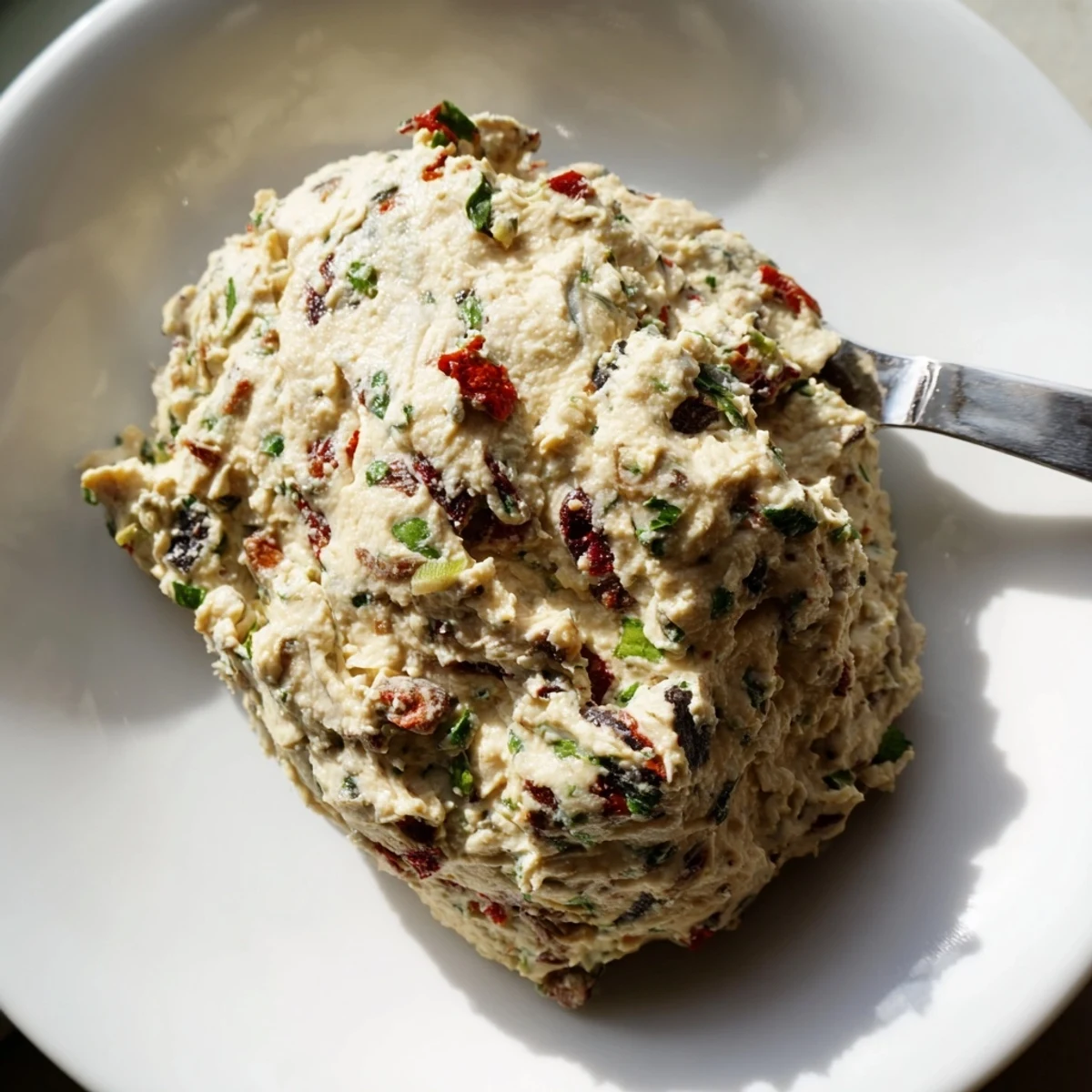
- Gently fold the chopped olives, sun-dried tomatoes, minced garlic, and roasted red peppers into the cheese base, letting the colors swirl through without overmixing.
- Season and finish:
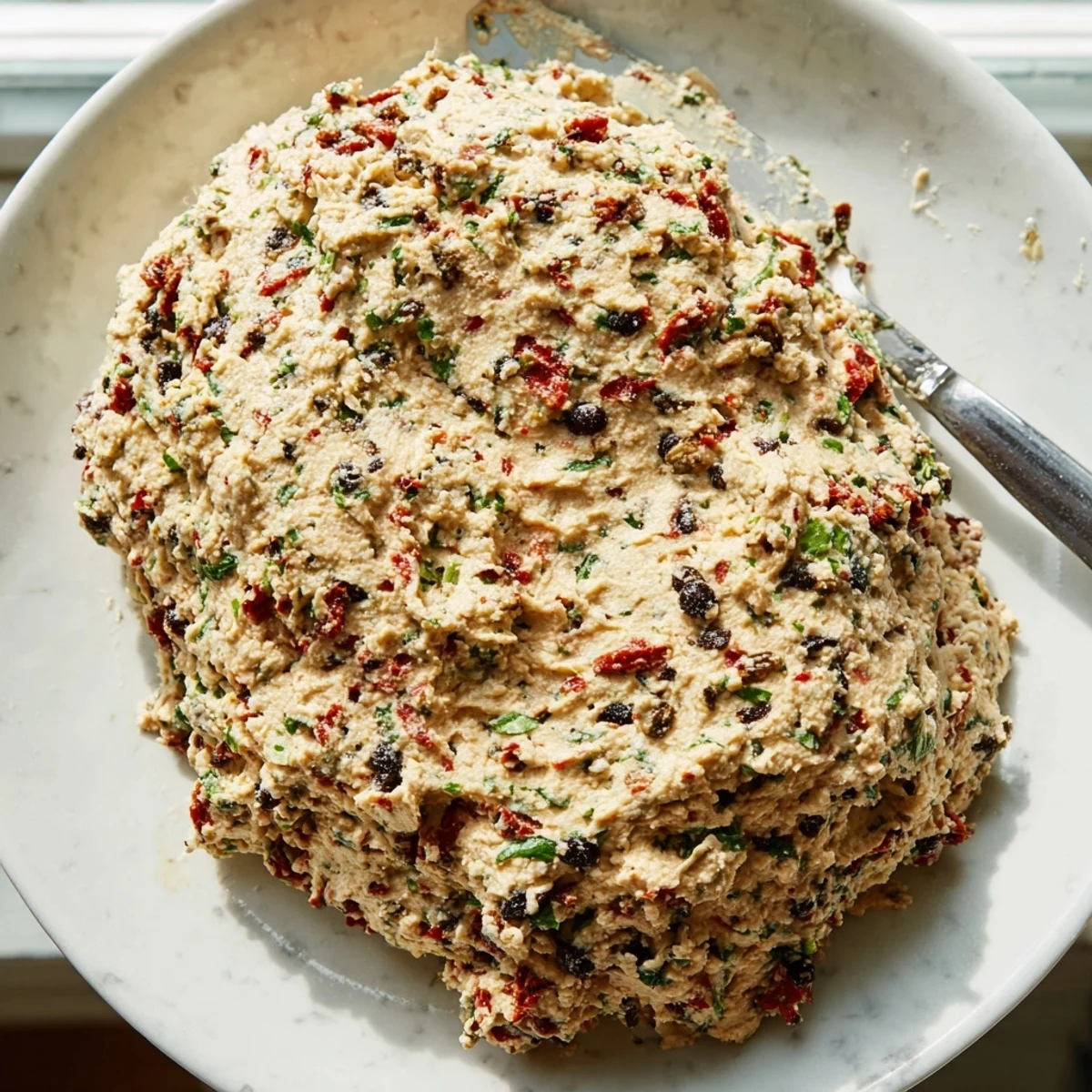
- Drizzle in the olive oil and add the basil, parsley, oregano, and black pepper, then stir until everything is evenly distributed and the spread looks vibrant and flecked with green herbs.
- Taste and adjust:
- Give it a small taste on a cracker and decide if it needs a pinch of salt, keeping in mind that chilling will deepen and meld the flavors further.
- Chill if you can:
- Transfer the spread to a serving dish, cover it, and let it rest in the refrigerator for at least thirty minutes so the flavors can get to know each other.
- Serve with abandon:
- Bring it out with toasted baguette slices, sturdy crackers, or crisp vegetable sticks and watch it vanish.
 Save Pin
 There is something quietly triumphant about watching someone scoop up the very last bit of a spread you threw together with leftovers and intuition.
What to Serve It With
Toasted baguette slices are my go-to because the crunch contrasts perfectly with the creamy spread, but I have also served it on everything from rice crackers to endive leaves and it never disappoints.
Making It Your Own
A pinch of crushed red pepper flakes transforms this into something with real attitude, and swapping ricotta for mascarpone turns it into something almost dessert-level luxurious.
Storing and Make Ahead Tips
This spread actually improves overnight, which makes it an ideal make-ahead option for entertaining.
- Store it in an airtight container in the refrigerator for up to three days.
- Let it sit at room temperature for about fifteen minutes before serving to soften and release the flavors.
- Give it a quick stir and a drizzle of fresh olive oil on top to revive it after chilling.
 Save Pin
 Keep this recipe in your back pocket for any moment that calls for something effortless and genuinely delicious. Your friends will ask for it, and you will be happy to oblige.
Recipe FAQs
- → Can I make this spread ahead of time?
-
Yes, in fact it benefits from resting. Cover and refrigerate for at least 30 minutes or up to 24 hours before serving so the flavors meld together beautifully.
- → What type of olives work best?
-
A mix of green and black Italian olives such as Castelvetrano, Cerignola, or Kalamata works wonderfully. Just be sure they are pitted before chopping.
- → Can I substitute mascarpone for the ricotta?
-
Absolutely. Mascarpone will give the spread an even richer, silkier texture. You can also use goat cheese for a tangier flavor profile.
- → What should I serve with this spread?
-
Toasted baguette slices, crostini, crackers, pita chips, or fresh vegetable sticks like celery and bell peppers all make excellent companions.
- → How long does it keep in the refrigerator?
-
Store in an airtight container and it will stay fresh for up to 3 days. Stir gently before serving again, as some separation may occur.
- → Is this spread suitable for vegetarians?
-
Yes, all ingredients listed are vegetarian-friendly. Just verify that the Parmesan cheese uses microbial rennet rather than animal rennet if strict vegetarianism is required.