
 Save Pin
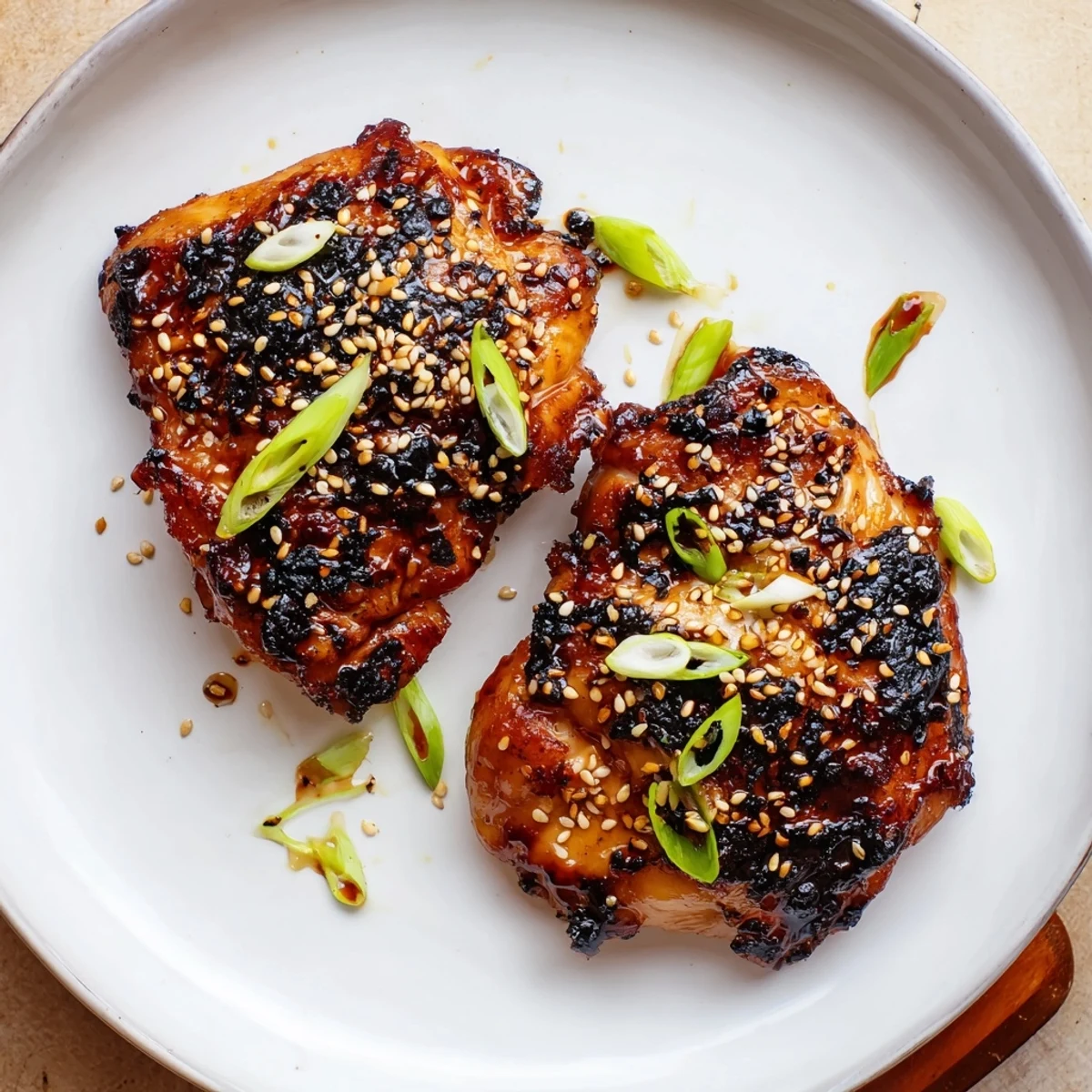
 Marinate boneless chicken thighs in soy, honey, sesame oil, garlic, ginger and gochujang for 30 minutes to 6 hours. Bake at 425°F (220°C) or grill over medium-high heat for 20–25 minutes, turning once, until caramelized and 165°F internally. Finish with toasted sesame seeds and sliced green onions; broil 1–2 minutes for extra char and crisp edges.
The sizzle of chicken hitting a screaming hot pan on a Tuesday night changed my entire weeknight dinner game forever. My neighbor Soo had casually mentioned that the secret to Korean chicken wasnt the marinade time but the balance of sweet heat and umami working together. I scribbled her rough ratios on a napkin, drove home, and rifled through my pantry hoping I had gochujang tucked somewhere behind the forgotten spices. That slightly sticky, crimson paste became my most reached for jar after that night.
I made a double batch for a backyard gathering last summer and watched three grown adults hover over the platter, picking at caramelized edges with their fingers before I could even set out plates. The grill marks added a smoky char that made everyone ask if I had ordered takeout and secretly plated it. My friend David ate four thighs and texted me the next morning asking if there were leftovers, and honestly there never are.
Ingredients
- 8 boneless skinless chicken thighs (about 1.2 kg): Thighs are essential here since they absorb marinade beautifully and forgive uneven heat, unlike breasts which dry out the moment you look away.
- 1/4 cup soy sauce: This is your salt and umami backbone so use a decent quality one, and tamari works perfectly if you need gluten free.
- 2 tablespoons honey: The sugar content is what creates that gorgeous lacquered finish under high heat, and honey browns more evenly than white sugar.
- 2 tablespoons sesame oil: Toasted sesame oil specifically, because the untoasted version will leave you wondering where all the flavor went.
- 3 cloves garlic, minced: Fresh garlic only, since the pre minced jar version loses the sharp bite that cuts through the richness of the chicken.
- 1 tablespoon fresh ginger, minced: Peel it with a spoon edge and grate it fine so no one bites into a fibrous chunk.
- 1 tablespoon gochujang (Korean chili paste): This is the magic ingredient and if your grocery store does not carry it, an Asian market or online order is absolutely worth the effort.
- 1 tablespoon rice vinegar: A small splash of acidity brightens everything and keeps the sweetness from becoming cloying.
- 1 teaspoon toasted sesame seeds: Added directly into the marinade for a subtle nutty depth that most people cannot quite identify but always notice.
- 1/2 teaspoon black pepper: Freshly cracked makes a real difference here since the marinade is so simple.
- 2 green onions, finely sliced: Whites go into the marinade and save the greens for garnish.
- Garnish of toasted sesame seeds and sliced green onions: These are not optional because the visual contrast and fresh bite make the dish feel finished.
Instructions
- Whisk the marinade together:
- Combine soy sauce, honey, sesame oil, garlic, ginger, gochujang, rice vinegar, sesame seeds, pepper, and the white parts of the green onions in a bowl. Whisk until the honey dissolves and the mixture smells deeply savory with a faint sweet warmth rising from the gochujang.
- Coat the chicken thoroughly:
- Toss the chicken thighs into a large resealable bag or bowl and pour every drop of marinade over them. Massage the bag or turn the pieces with your hands until each thigh is evenly coated and glossy.
- Let it rest and absorb:
- Refrigerate for at least 30 minutes, though two to six hours is the sweet spot where the flavors truly penetrate the meat. Anything beyond overnight and the acid starts breaking down the texture too much.
- Heat your cooking surface:
- Preheat your oven to 425 degrees Fahrenheit or fire up a grill to medium high so the surface is hot enough to create those beautiful dark edges.
- Cook until caramelized and done:
- Arrange the chicken on a parchment lined sheet or directly on the grill grates and cook for 20 to 25 minutes, flipping once halfway through. You are looking for an internal temperature of 165 degrees Fahrenheit and a sticky, deeply browned exterior that looks almost burnt in the best way.
- Finish and serve with flair:
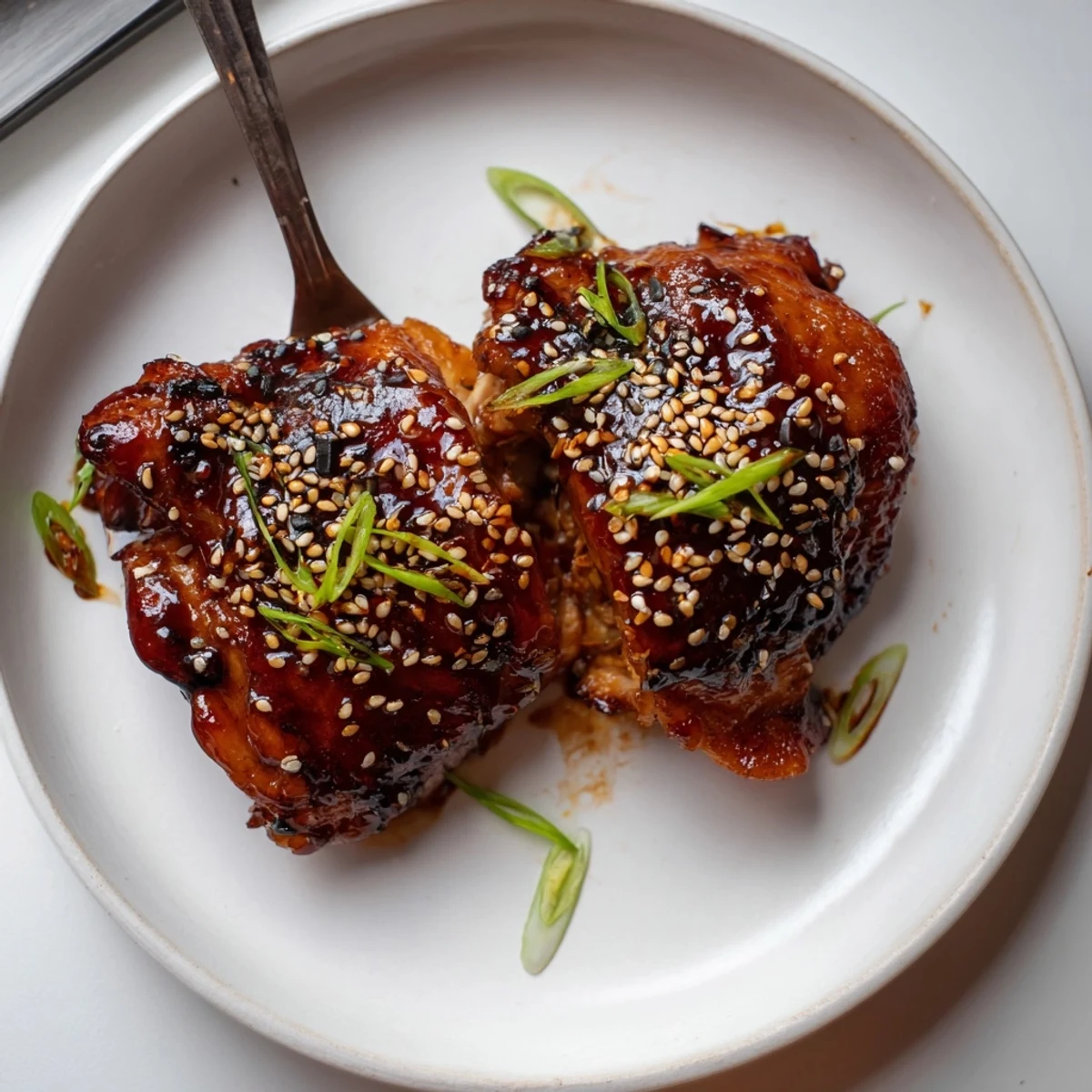
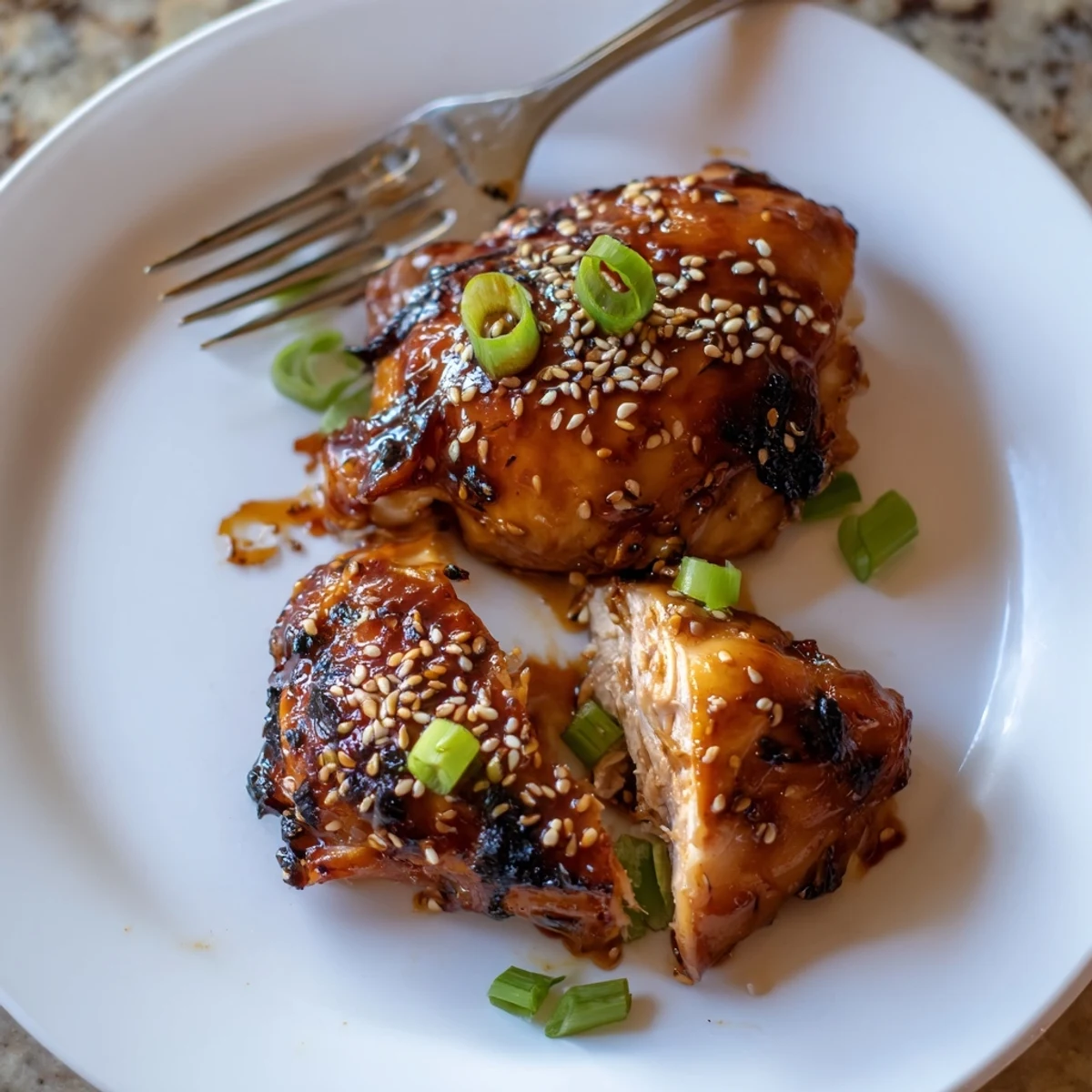
- Transfer the thighs to a platter and scatter extra sesame seeds and green onion slices over the top while the chicken is still steaming hot so the garnish sticks.
 Save Pin
 There is something deeply satisfying about watching the faces of people tasting this for the first time, the way their eyes widen slightly when the heat from the gochujang blooms and then the honey rounds everything out. It became my signature potluck dish because it travels well and tastes just as good at room temperature.
What to Serve Alongside
Steamed white rice is non negotiable in my house because you need something mild to soak up the concentrated juices that pool on the plate. A simple cucumber salad dressed with rice vinegar and a pinch of sugar provides a cool crunch that balances the richness perfectly.
Handling the Heat
Gochujang varies wildly between brands, so taste yours on the tip of a spoon before committing the full tablespoon. If it reads very mild, consider adding a half teaspoon more, and if your jar is aggressively spicy, dial back and let diners add sriracha at the table.
Storing and Reheating Leftovers
Leftover chicken keeps beautifully in an airtight container in the refrigerator for up to three days and the flavors actually deepen overnight. I shred whatever remains and tuck it into rice bowls or wrap it in lettuce leaves for a quick lunch that tastes better than the original meal.
- Reheat gently in a skillet with a splash of water to keep the meat from drying out.
- Shredded cold chicken makes an exceptional topping for instant ramen.
- Never microwave at full power because the sugars in the marinade will toughen the exterior.
 Save Pin
 This is the kind of recipe that earns a permanent spot in your rotation because it asks so little and delivers so much. Make it once and you will find yourself reaching for the gochujang without even thinking about it.
Recipe FAQs
- → How long should the thighs marinate?
-
At minimum marinate for 30 minutes to allow flavors to penetrate; for best depth let them sit up to 6 hours in the fridge. Avoid marinating much longer to prevent texture breakdown from the acids.
- → Can I use bone-in thighs instead of boneless?
-
Yes. Bone-in thighs add richness but require longer cooking—plan for an extra 5–10 minutes and always check for an internal temperature of 165°F (74°C) near the bone.
- → What can I substitute for gochujang?
-
If gochujang isn’t available, use sriracha with a touch more honey or a blend of chili paste and miso to mimic the sweet-spicy-umami balance. Adjust heat and sweetness to taste.
- → How do I get a glossy, caramelized finish?
-
High heat and a sweet component help: bake or grill at 425°F (220°C) and let the honey caramelize. For extra char and crisp edges, broil for 1–2 minutes at the end while watching closely.
- → Are there gluten-free options?
-
Yes—swap regular soy sauce for tamari or a gluten-free soy sauce and check that your gochujang is labeled gluten-free. Always verify ingredient labels for hidden wheat.
- → What are good sides and pairings?
-
Serve with steamed rice and kimchi, or a simple cucumber salad. The dish pairs well with cold Asian lagers or a slightly off-dry white like Riesling to balance the heat.