
 Save Pin
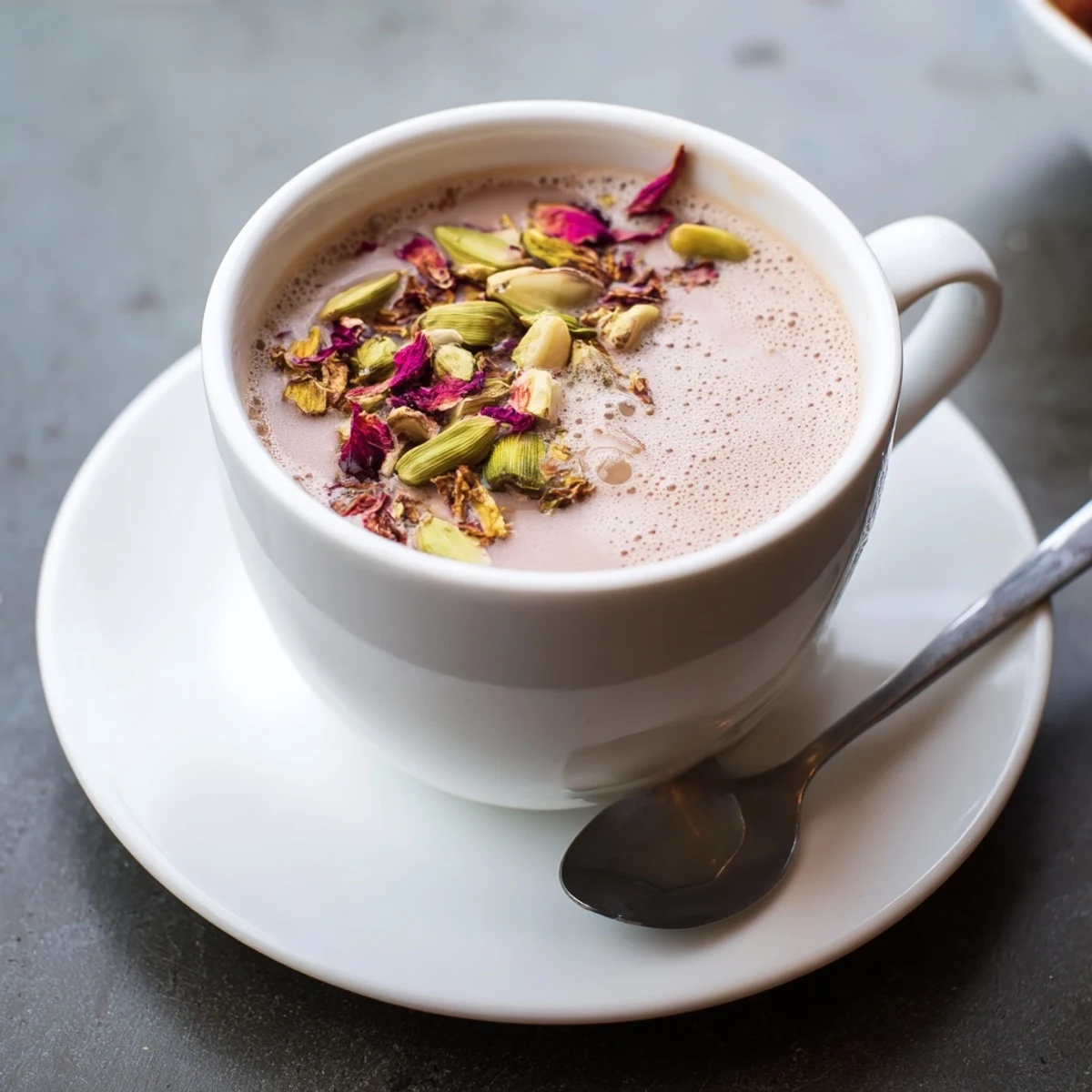
 Simmer Kashmiri green tea with cardamom, cinnamon and a pinch of baking soda until the liquid reduces to a deep burgundy. Add cold water and aerate vigorously to develop the pink hue, then stir in salt and slowly add milk. Simmer until the infusion lightens to a blush pink, strain, sweeten to taste and garnish with chopped pistachios and rose petals. Yields about 4 cups in roughly 1 hour.
My friend Sana once made this tea on a rainy Sunday when the power was out and we sat cross-legged on her kitchen floor, listening to the ladle slap against the pot while she told stories about her grandmother in Srinagar. The color shift from deep burgundy to that impossible shade of pink felt like watching a sunset happen inside a saucepan. I burned my tongue twice because I could not wait.
I brought a thermos of this to a winter potluck and three people pulled me aside to ask what was in it, completely bewildered that tea could be pink without any food coloring involved.
Ingredients
- 4 cups cold water: Cold water extracts flavor from the tea leaves more gently and gives you a smoother base to work with.
- 2 tablespoons Kashmiri green tea leaves: These are the real key and if you cannot find them, any decent whole leaf green tea will work, though the color may differ slightly.
- 2 to 3 green cardamom pods, lightly crushed: Crushing them just enough to split the pods releases the seeds without losing them in the liquid.
- 1 small cinnamon stick: Adds a gentle woody sweetness that sits beneath the sharper cardamom notes.
- 1 star anise (optional): A subtle licorice warmth that rounds out the spice profile beautifully.
- 1/4 teaspoon baking soda: This is the secret ingredient that reacts with the tea tannins during aeration to create that signature pink hue.
- 2 cups cold milk (whole milk preferred): Whole milk gives the richest, creamiest result but lower fat milk works if that is what you have.
- 2 tablespoons sugar: Adjust to your preference because some people like it barely sweet while others want it closer to dessert.
- 2 tablespoons chopped pistachios and/or almonds: The crunch on top is traditional and adds a satisfying contrast to the creamy tea.
- Pinch of salt: Just a tiny pinch enhances the other flavors and is actually traditional in Kashmiri Noon Chai.
- Dried rose petals for garnish (optional): A beautiful finishing touch that echoes the floral notes already present in the tea.
Instructions
- Build the base:
- Combine the cold water, tea leaves, crushed cardamom, cinnamon stick, star anise if using, and baking soda in a heavy bottomed pot. Give it a gentle stir and set it over medium heat.
- Boil and reduce:
- Bring everything to a rolling boil, then lower the heat and let it simmer vigorously for 20 to 25 minutes, stirring often so nothing catches on the bottom. You want the liquid to reduce by about half and turn a deep, almost burgundy shade.
- Aerate with energy:
- Add one cup of cold water and then either use a ladle to scoop and pour the tea back into the pot repeatedly or grab a whisk and go to town for about 5 to 6 minutes. This is where the color transformation begins and you will see froth building, so keep at it.
- Add salt and milk:
- Stir in the pinch of salt, then pour the milk in slowly while stirring. Let it all simmer together for another 10 to 15 minutes until the tea turns that gorgeous blush pink.
- Strain and sweeten:
- Pour the tea through a fine mesh strainer into your cups and add sugar to taste while it is still hot so it dissolves completely.
- Garnish and serve:
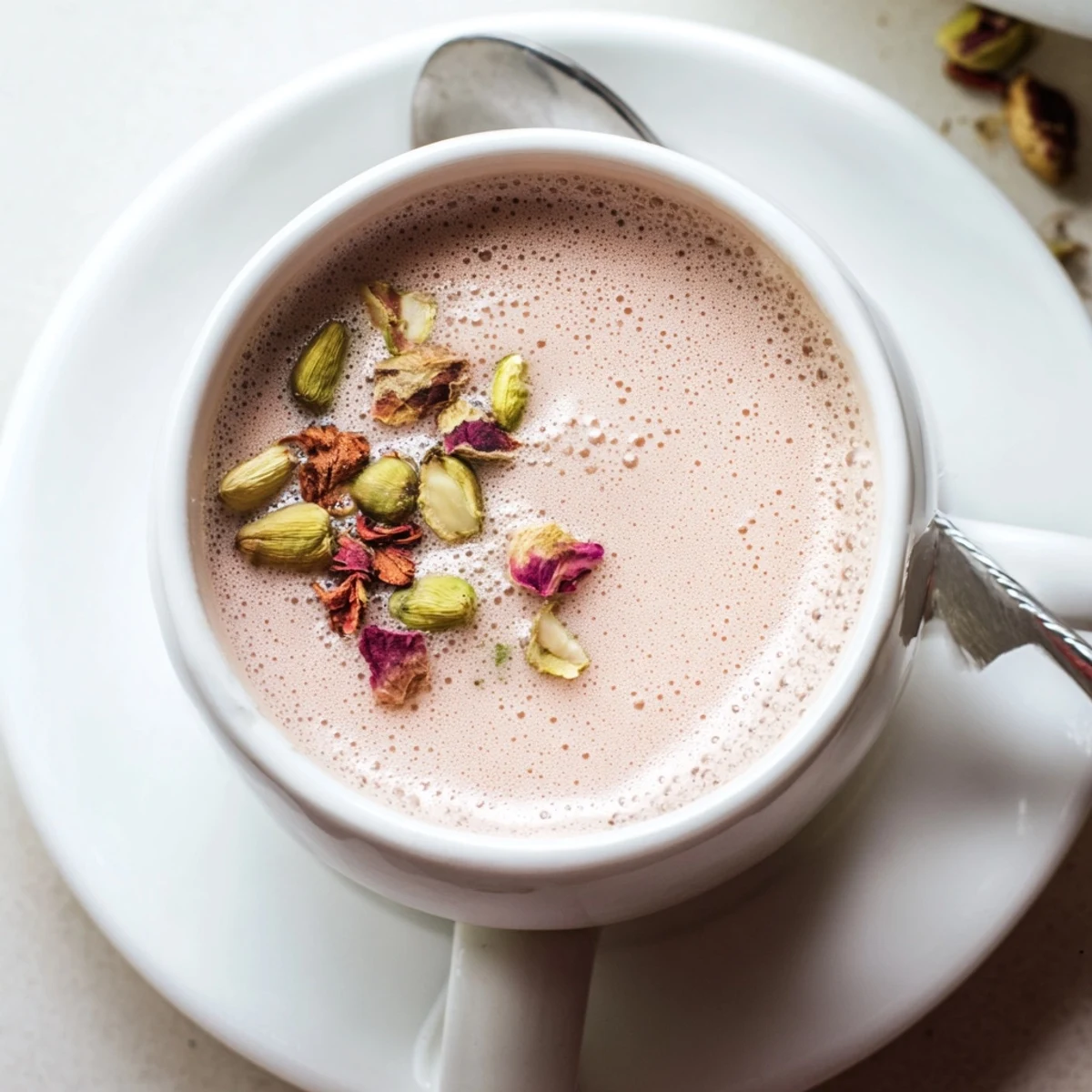
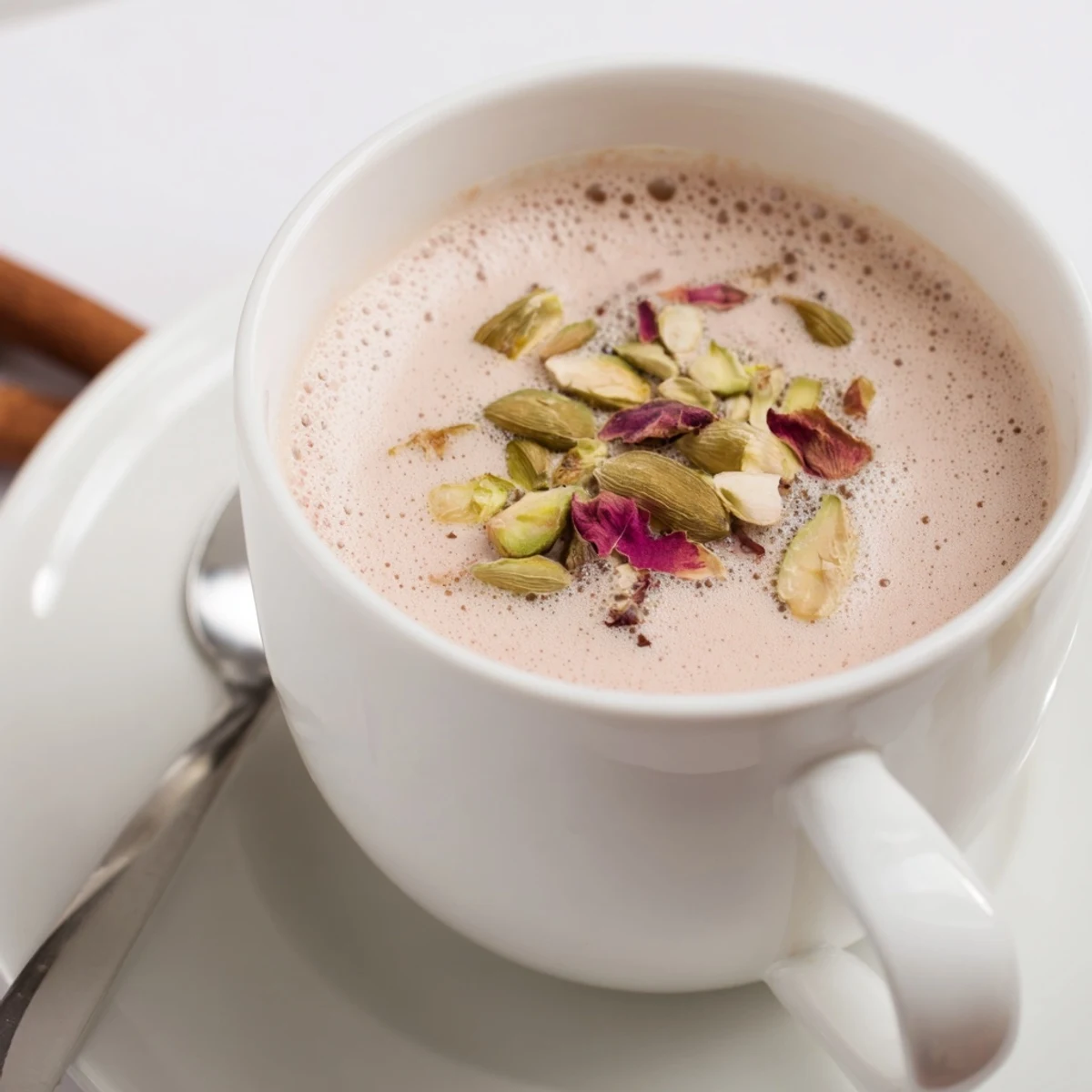
- Top each cup with chopped pistachios or almonds and scatter dried rose petals over the surface if you have them. Serve immediately while it is steaming and fragrant.
 Save Pin
 On a freezing evening last December, I made a batch for my neighbor who had just moved in and she stood in my doorway holding the cup with both hands, not saying anything for a long time, just breathing in the steam.
Choosing the Right Tea Leaves
Kashmiri green tea leaves are rolled into small pellets and have a more robust character than typical green tea, which helps them hold up during the long simmering process. I once tried using a delicate Japanese sencha and the flavor completely fell apart after twenty minutes of boiling.
Getting the Color Right
The pink color is not from dye or flowers and it is not magic, though it feels like it. It comes from the oxidation that happens when you vigorously aerate the reduced tea and baking soda mixture, so do not be shy about really pouring and splashing that ladle.
Serving and Storing
This tea is best served fresh and hot, right off the stove when the color is at its peak and the spices are most fragrant.
- You can refrigerate the reduced tea base before adding milk and reheat it the next day.
- Reheat gently on the stove rather than the microwave for the best texture.
- Always add milk and aeration after reheating, not before storing.
 Save Pin
 Some recipes demand precision and others demand patience, and this one rewards you with both a stunning cup of tea and a quiet hour spent doing something beautiful with your hands.
Recipe FAQs
- → What creates the pink color?
-
The pink comes from a chemical reaction between the tannins in the tea and a small amount of baking soda combined with vigorous aeration; patience and good frothing bring out the blush hue.
- → How should I aerate the brew for best color?
-
After reducing, add cold water and scoop and pour the liquid repeatedly with a ladle or whisk vigorously for 5–6 minutes. This introduces oxygen and helps the color transform from burgundy to pink.
- → Can I use plant-based milk?
-
Yes—almond or oat milk work well. Use unsweetened varieties and note that the final texture and color may be slightly different from whole milk.
- → How long should I simmer the tea and spices?
-
Simmer the tea and spices vigorously for 20–25 minutes until reduced by about half, then after aeration add milk and simmer another 10–15 minutes to meld flavors and develop the final color.
- → Any tips for tuning the spice balance?
-
Adjust cardamom, cinnamon or star anise to taste; remove the whole spices before serving if you prefer a milder finish. Sweeten at the end so you can control the sweetness with the hot beverage.
- → How should leftovers be stored and reheated?
-
Refrigerate in a sealed container for up to 48 hours. Reheat gently on the stove over low heat, stirring to recombine; vigorous boiling can alter the color and texture.