
 Save Pin
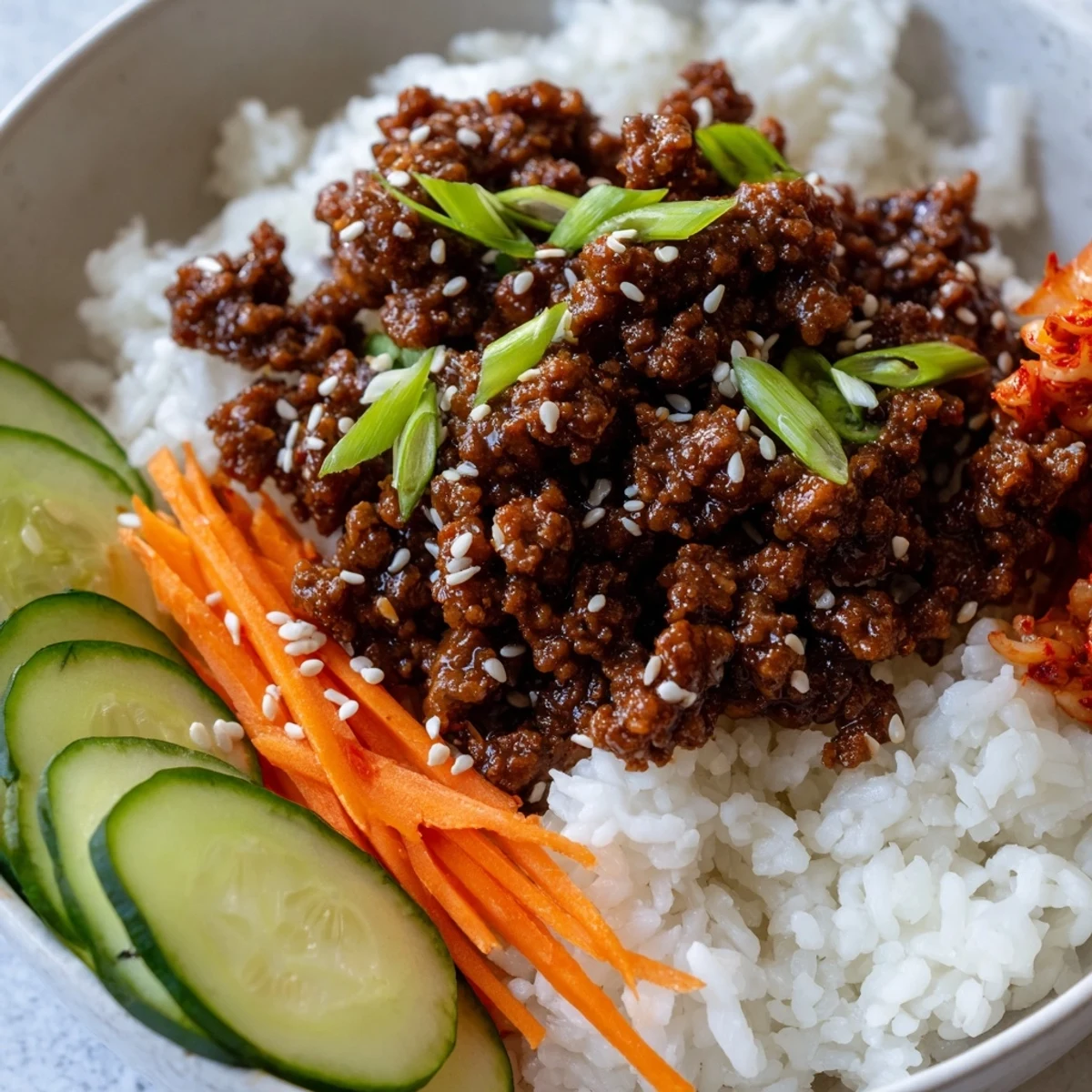
 This Korean-inspired ground beef bowl brings together savory browned beef coated in a glossy sweet and spicy sauce made with soy sauce, brown sugar, sesame oil, garlic, ginger, and gochujang.
Served over steamed jasmine rice and finished with fresh toppings like green onions, julienned carrot, cucumber, sesame seeds, and kimchi, it delivers bold flavors in just 25 minutes.
Easy to customize with ground chicken or turkey, adjustable heat levels, and gluten-free tamari for dietary needs.
The sizzle of ground beef hitting a hot pan on a Tuesday evening changed my entire weeknight dinner game forever. I had stumbled home exhausted, opened the fridge, and spotted a pound of ground beef next to a half empty bottle of soy sauce. Within twenty five minutes, my kitchen smelled like a Seoul street market and I was scraping the bowl clean standing at the counter.
My neighbor Dave knocked on my door one night asking if I was ordering Korean food because the aroma had drifted down the hallway. I invited him in, handed him a bowl, and now every Friday he texts me asking if beef bowl night is happening. His wife Linda started making her own version with ground turkey and swears by it.
Ingredients
- 1 lb (450 g) lean ground beef: Lean works best because it browns beautifully without leaving too much grease to drain.
- 2 cups cooked jasmine or short grain rice: Short grain rice gives that authentic sticky texture that soaks up every drop of sauce.
- 1/4 cup low sodium soy sauce: Low sodium lets you control saltiness without losing that deep umami backbone.
- 2 tbsp brown sugar: This is what creates that glossy caramelized coating on the beef as it reduces.
- 1 tbsp sesame oil: Toasted sesame oil adds a nutty richness that is unmistakably Korean. Add it at the end if you want maximum fragrance.
- 3 cloves garlic, minced: Fresh garlic matters here. The jarred stuff cannot compete with the sharp bite of freshly minced cloves.
- 1 tbsp grated fresh ginger: Use a microplane for the finest grate. The ginger brightens the whole dish and cuts through the richness.
- 1/2 to 1 tsp crushed red pepper flakes: Start with half a teaspoon and taste before adding more. You can always add heat but you cannot take it away.
- 2 tsp rice vinegar: A small splash of acidity balances the sweetness and makes the sauce taste more complex than it is.
- 1 tbsp gochujang (optional): This fermented Korean chili paste adds depth and a gentle fermented warmth that elevates everything.
- 2 green onions, sliced: Slice them on a sharp diagonal for visual appeal and a mild onion crunch.
- 1 tbsp toasted sesame seeds: Toast them in a dry pan for thirty seconds and watch carefully because they burn fast.
- 1 carrot, julienned: Thin matchsticks add crunch and a pop of orange that makes the bowl beautiful.
- 1 small cucumber, thinly sliced: Cool cucumber contrasts the warm spicy beef perfectly.
- Kimchi (optional, for serving): If you have kimchi in the fridge, add it. The fermented tang ties the whole meal together.
Instructions
- Whisk the sauce together:
- In a small bowl, combine the soy sauce, brown sugar, sesame oil, minced garlic, grated ginger, red pepper flakes, rice vinegar, and gochujang if you are using it. Whisk until the sugar dissolves and the mixture looks smooth. Give it a quick taste and adjust the heat if you want more kick.
- Brown the beef:
- Heat a large skillet over medium high heat and add the ground beef. Break it apart with a wooden spoon as it cooks, letting it develop some crispy brown edges. This takes about five to seven minutes and your kitchen will smell incredible.
- Glaze the beef:
- Pour the sauce over the browned beef and stir everything together so each crumb gets coated. Let it bubble and simmer for two to three minutes until the sauce thickens and clings to the meat like a shiny glaze.
- Build the bowls:
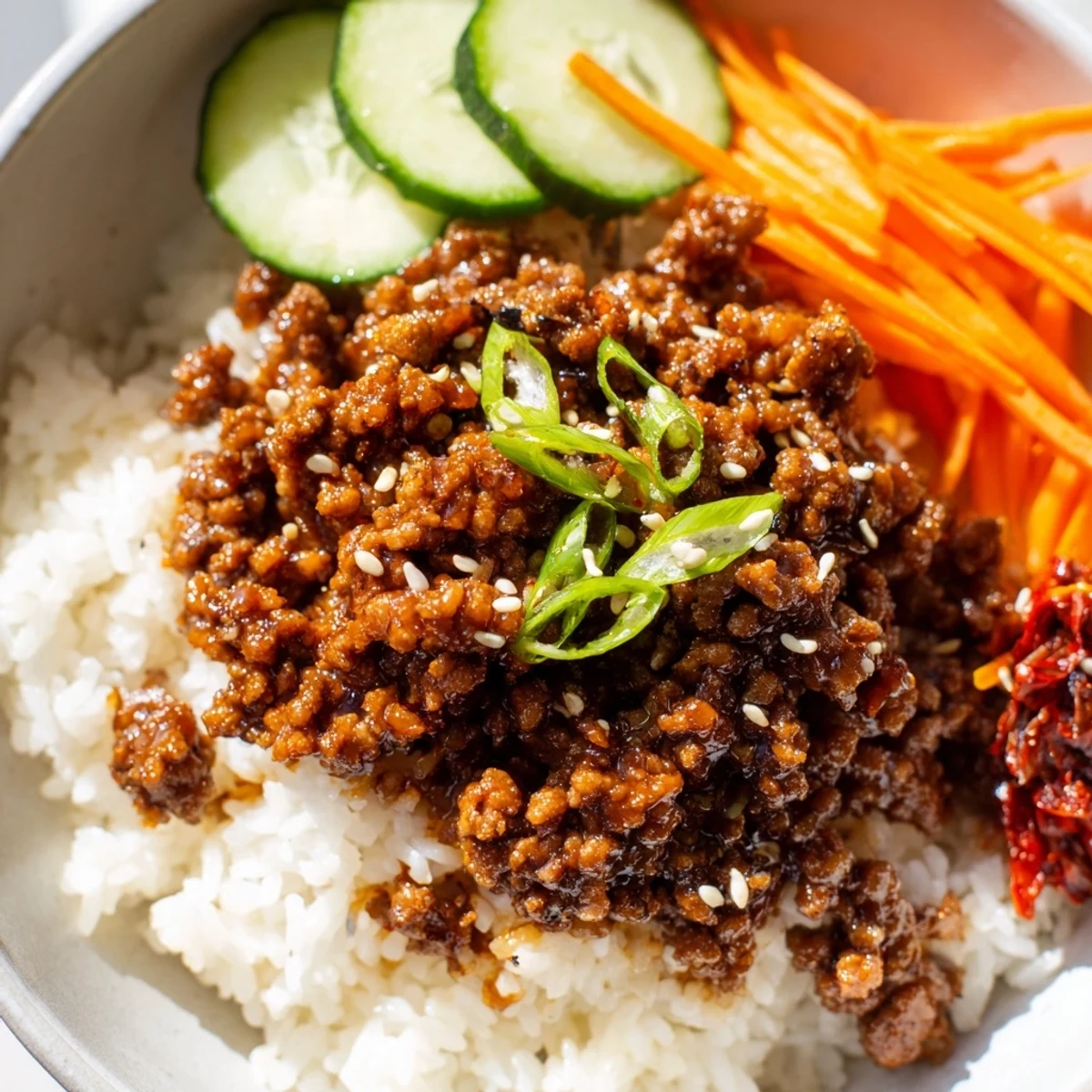
- Divide the warm rice among four bowls, creating a fluffy base. Spoon the saucy beef generously over each bed of rice.
- Top and serve:
- Scatter green onions, sesame seeds, julienned carrot, and cucumber slices over each bowl. Add kimchi on the side if you have it and serve immediately while everything is hot and fresh.
 Save Pin
 The first time I made this for my family, my teenage son who normally pushes food around his plate went back for thirds. He now requests it every week and has started making it himself on nights I work late.
Smart Swaps and Substitutions
Ground chicken or turkey works beautifully if you want something lighter, though you may need a splash of oil to prevent sticking since those meats are leaner. For a gluten free version, tamari replaces soy sauce one to one with no compromise in flavor. I once used coconut aminos in a pinch and while it was slightly sweaker, it still satisfied everyone at the table.
Getting the Rice Right
The rice is not just a bed for the beef, it is part of the dish. Short grain white rice has the right stickiness to absorb the sauce without turning mushy. If you are short on time, microwaveable rice packets work fine, but if you have twenty minutes, freshly steamed jasmine rice makes a noticeable difference in texture and fragrance.
Making It a Complete Meal
A fried egg on top turns this from a good dinner into a great one. The runny yolk mixes with the sweet savory sauce and creates something almost like a rich gravy. I started adding quick pickled radishes on the side after trying it at a local restaurant and now they are mandatory in my house.
- Prep all your toppings before you start cooking because once the beef is done it comes together fast.
- A squeeze of sriracha on top is welcome if you want even more heat.
- Leftovers keep well in the fridge for up to three days and make an excellent lunch the next day.
 Save Pin
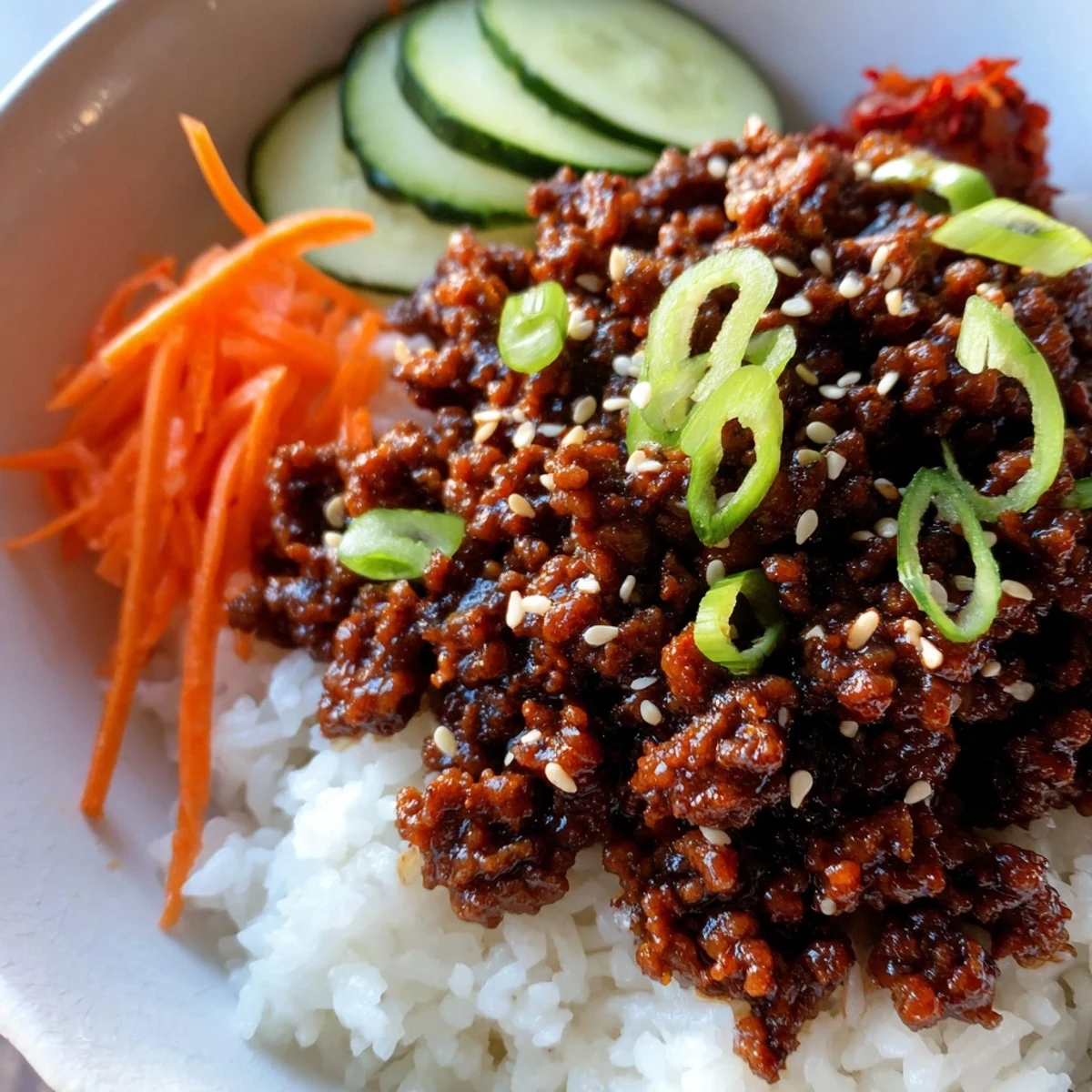
 Some recipes become staples because they fit into real life, and this Korean ground beef bowl is exactly that kind of recipe. Keep these ingredients on hand and you will never dread a weeknight dinner again.
Recipe FAQs
- → Can I use ground chicken or turkey instead of beef?
-
Yes, ground chicken or turkey works well as a leaner alternative. Keep in mind that poultry has a milder flavor, so you may want to slightly increase the soy sauce or add a splash of fish sauce for deeper umami.
- → How spicy is this Korean ground beef bowl?
-
The heat level is fully adjustable. The recipe calls for 1/2 to 1 teaspoon of red pepper flakes plus optional gochujang. Start with less and taste the sauce before adding more to suit your preference.
- → What type of rice works best for this bowl?
-
Short-grain white rice or jasmine rice are ideal choices. Short-grain rice provides the traditional sticky texture that pairs well with the saucy beef, while jasmine rice offers a lighter, fragrant base.
- → Can I make this ahead for meal prep?
-
Absolutely. Store the cooked ground beef mixture in an airtight container for up to 4 days in the refrigerator. Keep rice and fresh toppings separate, then assemble when ready to eat. Reheat the beef in a skillet or microwave.
- → Is there a gluten-free option for the soy sauce?
-
Yes, simply substitute tamari for the soy sauce. Tamari delivers a similar rich, savory flavor while being gluten-free. Double-check that your gochujang brand is also gluten-free if using.
- → What toppings go well with this bowl?
-
Classic toppings include sliced green onions, toasted sesame seeds, julienned carrot, thinly sliced cucumber, and kimchi. A fried egg on top adds richness, and pickled radish or steamed broccoli make great additions.