
 Save Pin
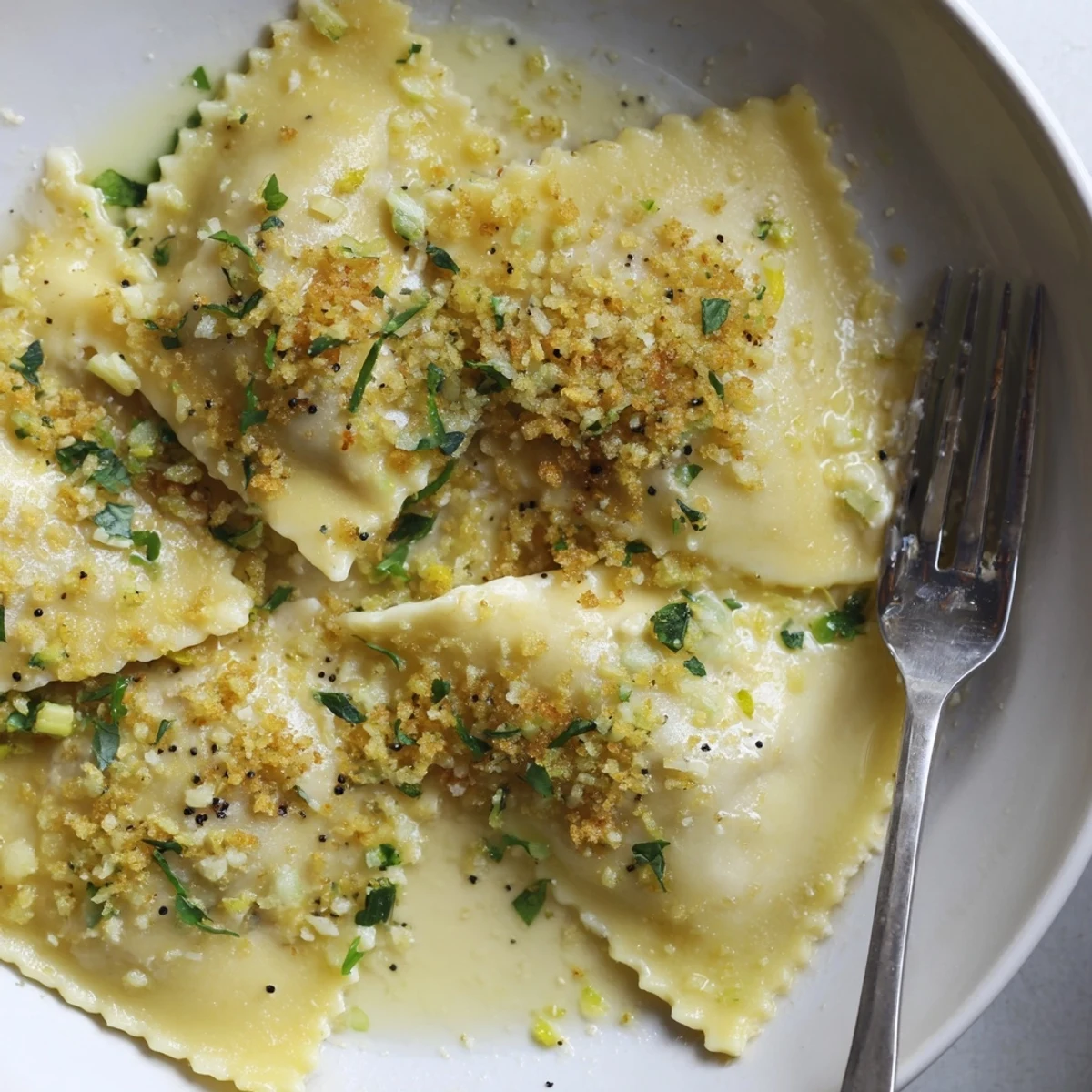
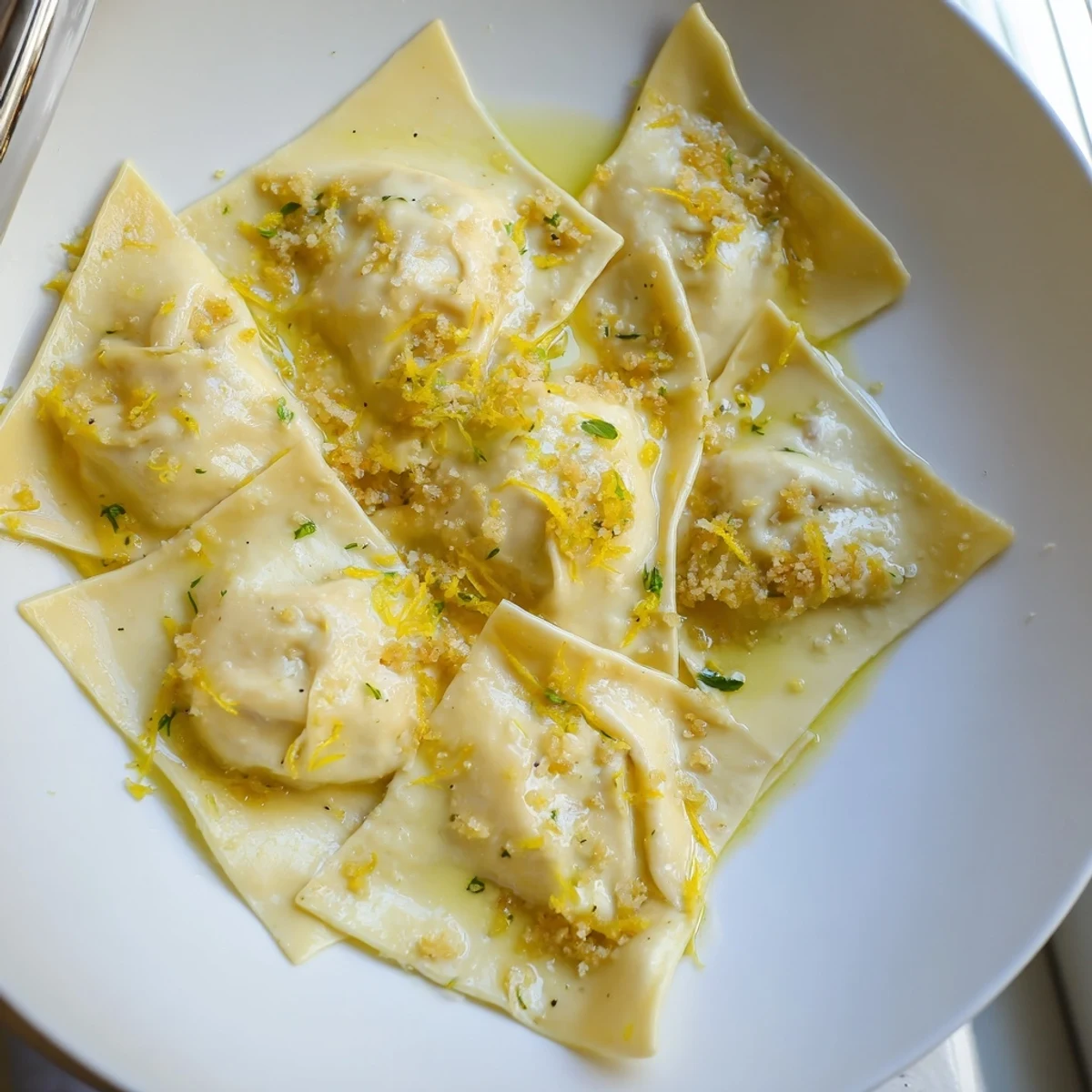
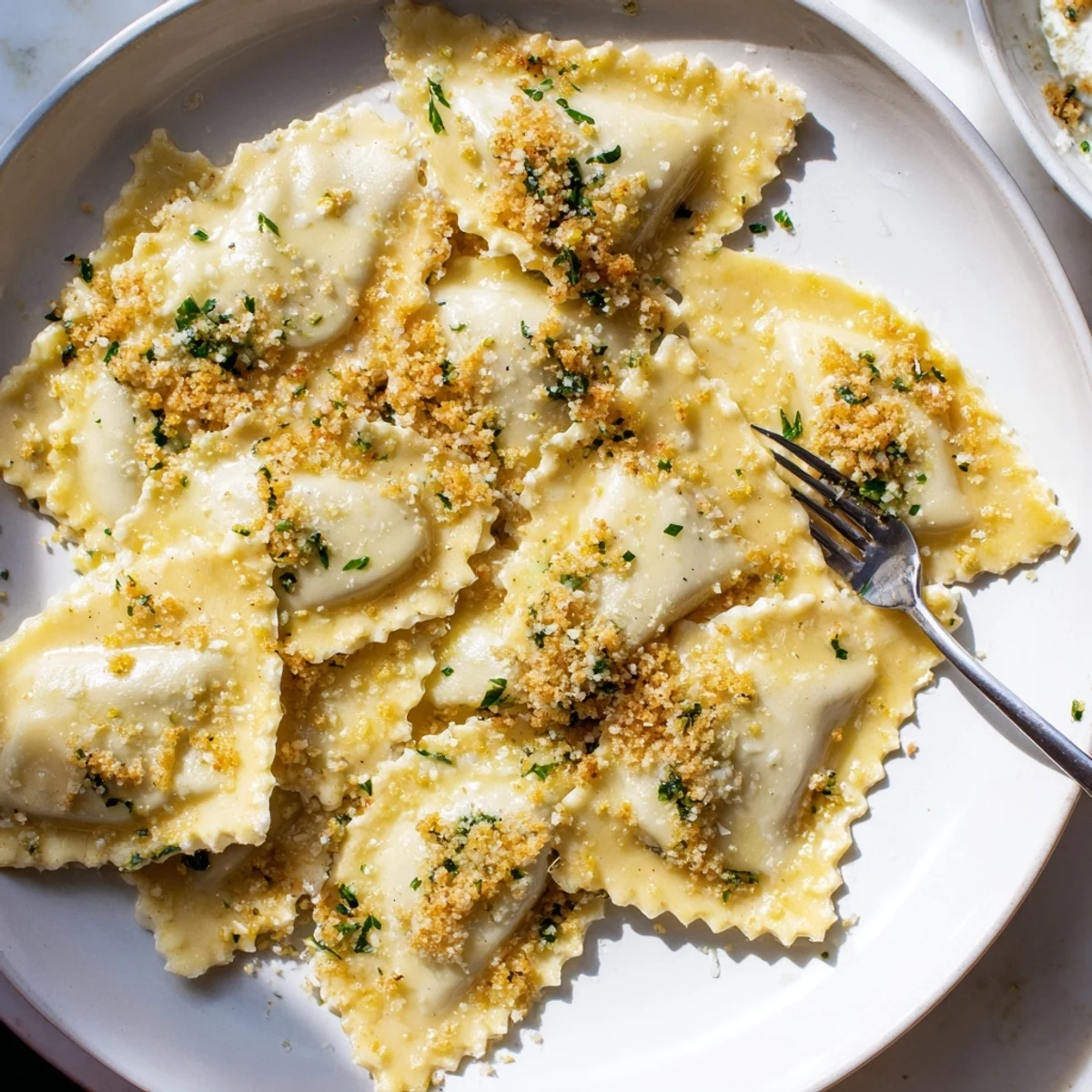
 These handmade triangoli are filled with a luxurious mix of sweet sautéed leeks and creamy burrata, seasoned with a hint of lemon zest. Each delicate pasta triangle is boiled to al dente perfection, then gently coated in a rich lemon butter sauce.
The real magic happens with the finishing touch — golden, crispy sourdough breadcrumbs toasted in butter with fresh lemon zest and parsley. Every bite delivers a beautiful contrast of silky pasta, creamy filling, and satisfying crunch.
A stunning vegetarian main that brings Italian trattoria elegance to your home kitchen.
The flour scattered across my grandmother's wooden table like fresh snow, and her hands moved with a rhythm I spent years trying to copy. She never measured anything, just felt the dough between her fingers and knew. These triangoli came to me one January evening when I had burrata that needed using and a basket of forgotten leeks, and the shape just felt right, little parcels of warmth for a cold night.
I served these to my neighbor Elena one rainy Thursday, and she sat in my kitchen quietly eating for ten minutes before saying a single word. That silence told me everything I needed to know about whether the recipe worked.
Ingredients
- 00 flour: The finest milled flour you can find, it makes the dough silken and pliable in a way all purpose never quite manages.
- Large eggs: Fresh eggs with deep orange yolks give the pasta its color and richness, so find the best ones you can.
- Olive oil: Just a tablespoon tenderizes the dough and keeps it from drying out while you work.
- Salt: A pinch in the dough seasons it from within so the pasta itself carries flavor.
- Leeks: Use only the white and pale green parts, sliced thin and washed thoroughly because grit hides in every layer.
- Burrata: Drain it well on paper towels for at least fifteen minutes or the filling turns wet and the triangles will not seal.
- Unsalted butter: You will need it in three places here, so have a full block ready and do not be shy with it.
- Lemon: You need zest for the filling, juice and zest for the sauce, and more zest for the breadcrumbs, so grab two good ones.
- Fresh parsley: Flat leaf only, finely chopped at the very last moment so it stays bright.
- Sourdough breadcrumbs: Fresh crumbs torn from a real loaf toast up crunchier and more fragrant than anything from a canister.
- Black pepper: Cracked freshly and generously, it cuts through the richness of all that butter and cheese.
Instructions
- Build the dough:
- Mound the flour on your cleanest surface and carve a deep well in the center. Drop in the eggs, olive oil, and salt, then use a fork to slowly pull flour from the inner walls into the liquid until a shaggy dough forms, and knead with the heel of your hand for eight to ten minutes until it bounces back when you press it.
- Rest and soften:
- Wrap the dough tightly and set it aside for thirty minutes while you prepare everything else. This rest is not optional because the gluten needs time to relax or you will fight the dough every step of the way.
- Soften the leeks:
- Melt two tablespoons of butter in a wide pan over medium heat and add the chopped leeks. Stir occasionally for six to eight minutes until they collapse into silky ribbons without taking on any color, then let them cool completely.
- Compose the filling:
- Tear the drained burrata into small pieces and fold it gently into the cooled leeks with the lemon zest, salt, and pepper. Handle it lightly because you want creamy pockets throughout, not a uniform paste.
- Roll and shape:
- Divide the dough in half and roll each portion paper thin, either with a machine or a determined arm and a long rolling pin. Cut into eight centimeter squares, place a teaspoon of filling in the center of each, fold corner to corner into a triangle, and press the edges firmly with damp fingers to seal.
- Toast the breadcrumbs:
- In a dry warm skillet, melt two tablespoons of butter and add the fresh breadcrumbs. Toss them constantly for three to four minutes until they turn a deep golden brown and smell like a bakery, then stir in the lemon zest, parsley, and salt before sliding them out of the pan.
- Cook and finish:
- Slide the triangoli into a gentle boil of well salted water and cook for three to four minutes until they float and the edges feel tender. Meanwhile melt the remaining butter in a large skillet with the lemon juice, zest, and pepper, then use a slotted spoon to transfer the pasta directly into the sauce and toss gently to coat every triangle.
 Save Pin
 The second time I made these, my daughter walked in and stole a warm triangolo straight from the pan before I could plate it. She burned her tongue and still said it was worth it, and honestly she was right.
Getting the Dough Right
The dough should feel like the softest earlobe when it is properly kneaded, smooth and just slightly tacky but never sticky. If it feels dry and refuses to come together, wet your hands barely and keep working it. If it is too wet, dust more flour a tablespoon at a time.
Why Triangoli Work So Well
The triangle shape is forgiving for beginners because you only need to fold once and press two edges. Each one holds exactly enough filling to surprise you without bursting open in the water. They also tuck neatly onto a spoon, which makes them feel elegant without any fussy plating.
Making It Your Own
Once you trust the basic technique, this recipe bends easily in whatever direction your fridge suggests. The breadcrumbs alone are worth making for scattering over roasted vegetables or stirring into soup.
- Add a pinch of chili flakes to the breadcrumbs for warmth that does not overpower the lemon.
- Ricotta works in place of burrata if you drain it in a strainer for an hour first.
- A glass of cold Pinot Grigio alongside turns a weeknight dinner into something that feels deliberate.
 Save Pin
 Some recipes become staples because they impress, and others because they make the kitchen smell like a place you want to stay. This one does both, and it asks nothing of you that a little patience and good butter cannot handle.
Recipe FAQs
- → Can I make the pasta dough ahead of time?
-
Yes, you can prepare the pasta dough up to 24 hours in advance. Wrap it tightly in plastic wrap and refrigerate. Let it come to room temperature for about 30 minutes before rolling out for best results.
- → What can I substitute for burrata?
-
Well-drained ricotta works as a substitute, though the filling will be less creamy. Strain ricotta overnight in a cheesecloth to remove excess moisture, which prevents the triangoli from becoming watery.
- → How do I prevent the triangoli from opening while cooking?
-
Make sure to press the edges firmly when sealing, using a tiny bit of water as glue. Avoid overfilling — stick to about 1 teaspoon per square. Also, keep the cooked triangoli at a gentle boil rather than a rolling one.
- → Can I freeze the assembled triangoli?
-
Absolutely. Arrange uncooked triangoli on a floured baking sheet and freeze until solid, then transfer to an airtight container. Cook directly from frozen, adding 1–2 extra minutes to the boiling time.
- → Why use sourdough breadcrumbs specifically?
-
Sourdough breadcrumbs provide a tangier flavor and crispier texture than regular breadcrumbs. Their sturdier crumb structure holds up better when toasted in butter, creating a more satisfying crunch on top of the pasta.
- → What wine pairs well with this dish?
-
A chilled Pinot Grigio is an excellent match, complementing the lemon butter sauce without overpowering the delicate burrata filling. A light Vermentino or Soave would also work beautifully.