
 Save Pin
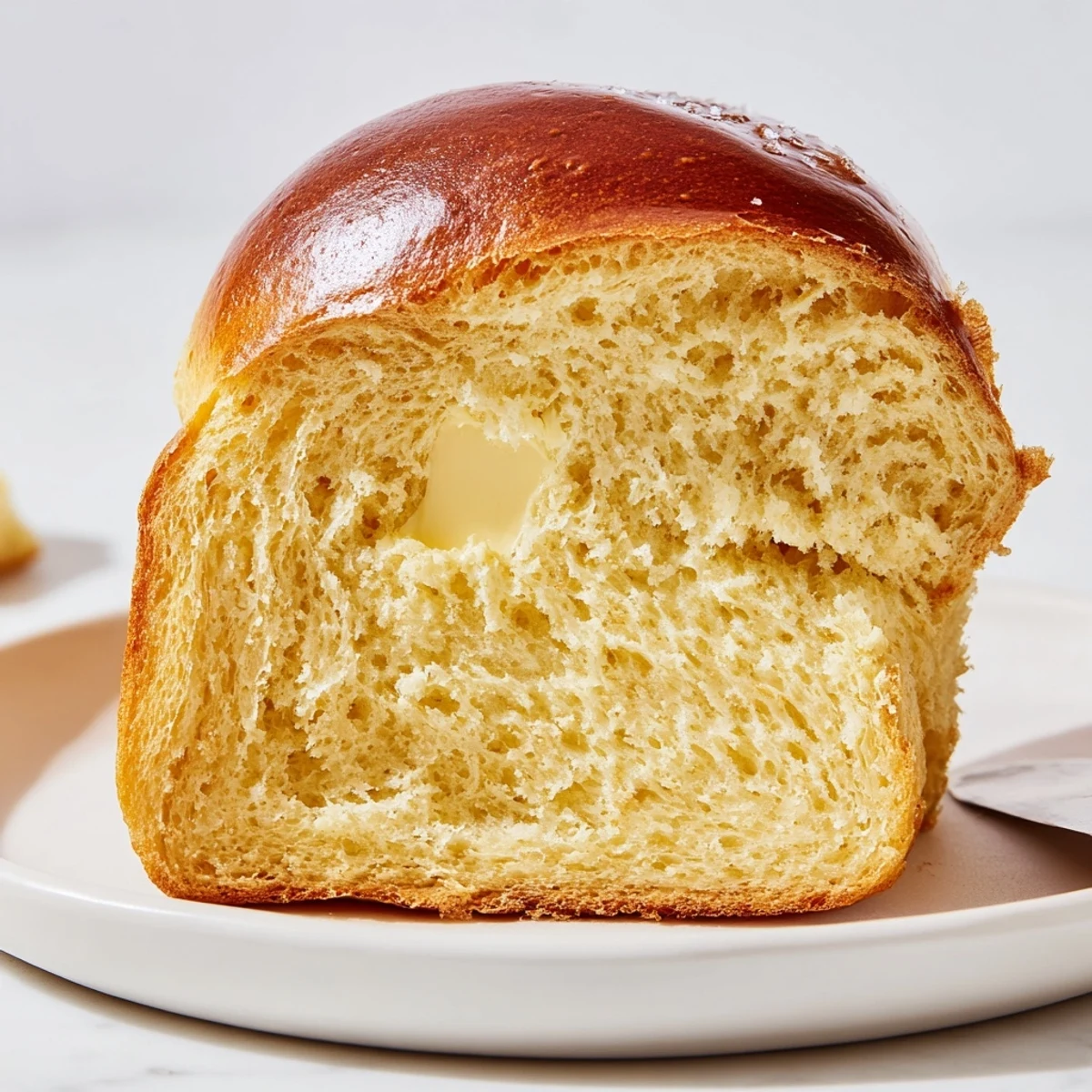
 This enriched milk brioche yields a light, tender loaf with a glossy golden crust. Start by combining bread flour, sugar, salt and instant yeast, then add eggs and warm milk. Gradually beat in softened butter and knead 10–15 minutes until smooth and elastic. Let the dough rise 1.5–2 hours, shape and proof 45–60 minutes, brush with egg wash and bake at 180°C (350°F) for 25–30 minutes. Cool completely before slicing; serve with butter, jam or use for French toast. Optional swaps include half whole wheat for a heartier loaf or folding in chocolate chips for a sweeter version.
There is something almost meditative about working brioche dough between your palms, the way it transforms from a shaggy, sticky mess into something silky and alive under your hands. My neighbor Madame Renault introduced me to proper brioche one rainy Tuesday in her cramped Lyon apartment, and I have been chasing that butter scented high ever since. She swore by whole milk and patience, two things I initially underestimated. This loaf captures everything she taught me in one golden, pillowy bundle.
I baked a double batch of this brioche for a friends potluck brunch last spring and watched three grown adults fight over the final slice. One of them actually hid a piece in her purse. I pretended not to notice.
Ingredients
- Bread flour (500 g): The higher protein content gives brioche its signature chew and structure, so do not swap in all purpose flour unless you want a denser loaf.
- Granulated sugar (60 g): Just enough sweetness to round out the flavor without tipping into dessert territory.
- Fine sea salt (10 g): Salt strengthens the gluten network and balances the butter, never skip it.
- Instant dry yeast (10 g): Instant yeast eliminates the need for proofing, but always check the expiration date because stale yeast has ruined more brioche dreams than I care to admit.
- Large eggs (3): Eggs enrich the dough with fat and color, giving the crumb its characteristic golden hue.
- Whole milk, warm (150 ml): Warm milk activates the yeast gently, and the milk fat adds an extra layer of richness that water simply cannot match.
- Unsalted butter, softened and cubed (120 g): The soul of brioche, added gradually so the dough can absorb each bit without breaking apart.
- Egg wash (1 egg + 1 tbsp milk): A simple wash brushed on before baking creates that irresistible bakery style shine.
Instructions
- Bring the dry team together:
- Pile the flour, sugar, salt, and yeast into a large mixer bowl and whisk them together so everything is evenly distributed before the wet ingredients join the party.
- Add the wet ingredients:
- Pour in the three eggs and warm milk, then mix on low speed until a rough, sticky dough starts to form and pulls away from the sides of the bowl.
- Incorporate the butter gradually:
- Drop in the softened butter cubes a few at a time, letting each addition fully blend before adding more, then knead with a hook attachment or by hand for 10 to 15 minutes until the dough turns smooth, elastic, and just slightly tacky to the touch.
- First rise:
- Cover the bowl tightly with plastic wrap or a damp towel and tuck it into a warm, draft free corner until the dough has doubled in size, which usually takes about 1.5 to 2 hours depending on your kitchen temperature.
- Shape the loaf:
- Gently punch down the risen dough, turn it onto a lightly floured surface, and shape it into a classic loaf, a braid, or individual rolls, then place it into a greased loaf pan or onto a parchment lined baking sheet.
- Second rise:
- Cover the shaped dough and let it puff up again for 45 to 60 minutes until it looks soft, swollen, and ready for the oven.
- Preheat and glaze:
- While the oven heats to 180 degrees Celsius (350 degrees Fahrenheit), whisk together the egg and milk for the wash and brush it gently over the top for that deep golden bakery finish.
- Bake until golden:
- Slide the loaf into the hot oven and bake for 25 to 30 minutes, listening for a hollow sound when you tap the bottom crust as your signal that it is perfectly done.
- Cool before slicing:
- Let the bread rest in its pan for 10 minutes, then transfer to a wire rack and resist the urge to cut into it until it has cooled completely, because slicing too early compresses the delicate crumb.
 Save Pin
 The morning I taught my daughter to braid brioche dough, she accidentally dropped an entire stick of butter on the kitchen floor and our golden retriever licked it clean before I could react. We laughed so hard we forgot to be upset, and somehow that loaf turned out to be the best one I have ever made.
When Your Kitchen Feels Like a French Bakery
Brioche fills your home with an aroma so deeply comforting that neighbors have genuinely knocked on my door to ask what I was baking. The smell of warm butter and yeast curling through the air is enough to make anyone linger at the breakfast table a little longer than usual.
Making It Your Own
This dough is remarkably forgiving once you understand its rhythm, and I encourage you to play with it freely. Fold in a handful of dark chocolate chips during shaping for an afternoon treat, or swap half the flour for whole wheat if you prefer a heartier, more rustic crumb.
Serving and Storing Your Loaf
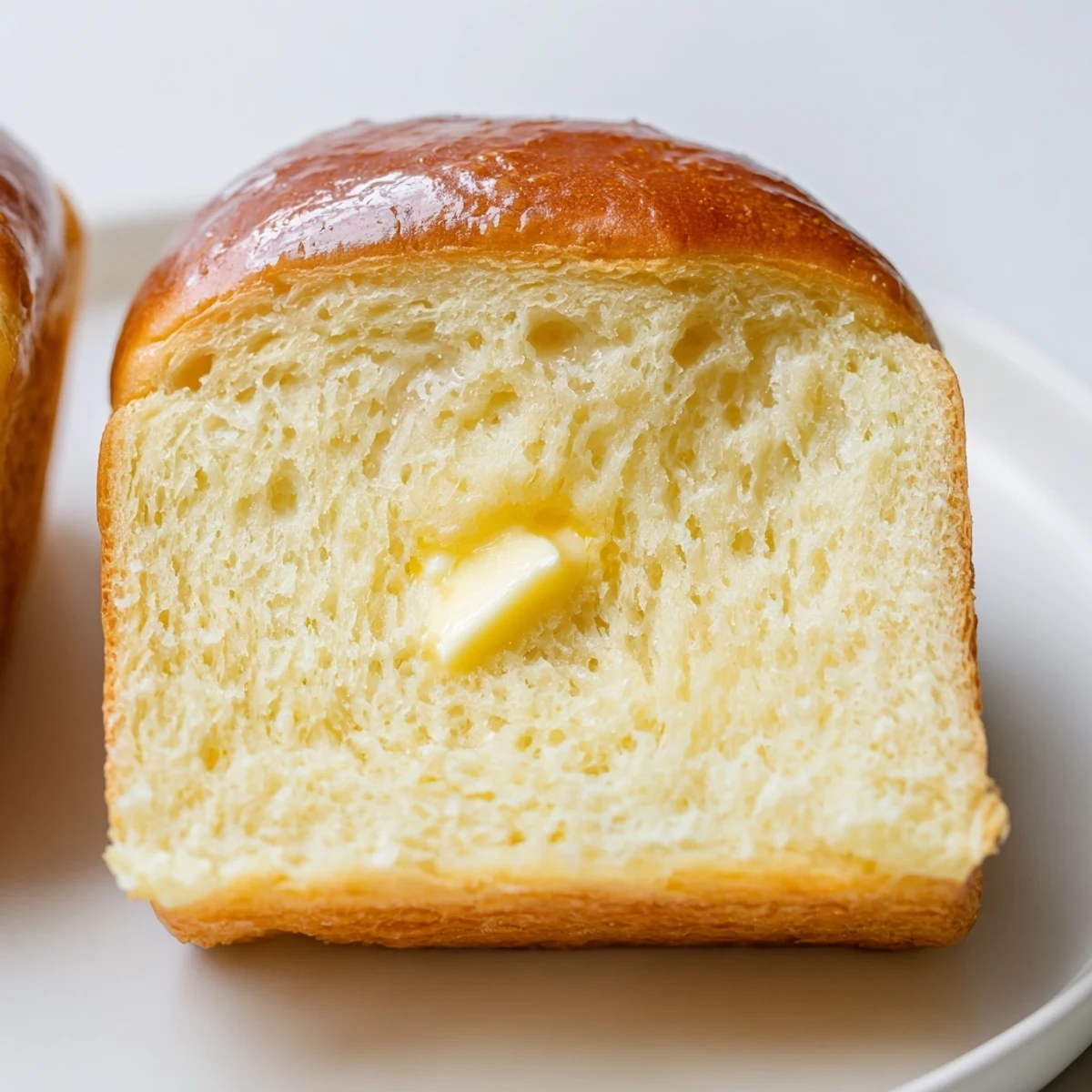
Fresh brioche is best enjoyed the day it is baked, preferably still slightly warm and spread with nothing more than good salted butter and a spoonful of tart raspberry jam. It also makes the most extraordinary French toast you will ever taste. Store any leftovers in an airtight bag at room temperature for up to three days, or freeze slices individually for quick weekday breakfasts.
- A gentle reheating in a low oven for five minutes restores that just baked softness beautifully.
- Frozen slices toast straight from the freezer with no thawing required.
- Always let the loaf cool completely before bagging it, otherwise trapped steam will make the crust soggy.
 Save Pin
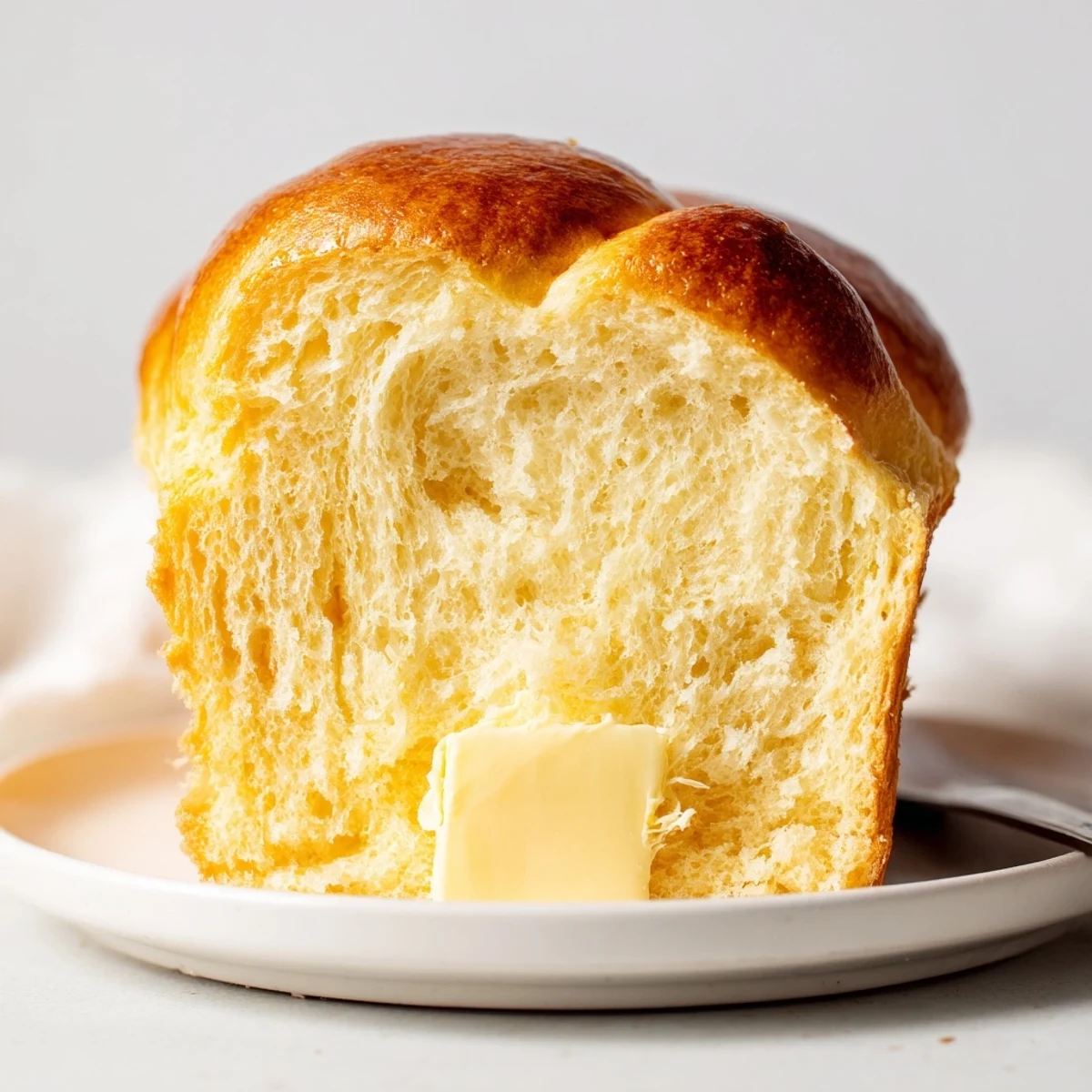
 Every time I pull a golden brioche loaf from the oven, I think of Madame Renault standing in her tiny kitchen, flour dusting her wrists, insisting that good bread is really just patience dressed in butter. She was absolutely right.
Recipe FAQs
- → How can I tell when the dough is properly kneaded?
-
The dough should be smooth, elastic and slightly tacky but not sticky. Perform the windowpane test: stretch a small piece—if it stretches thin without tearing, kneading is sufficient.
- → What temperature should the milk be when added?
-
Use warm milk around 35–40°C (95–105°F). It should feel warm to the touch but not hot, to activate yeast without killing it.
- → How long should I expect the first rise to take?
-
Allow the dough to rise in a warm, draft-free spot for about 1.5–2 hours, until doubled in size. Cooler environments will need more time.
- → Can I make this by hand if I don’t have a stand mixer?
-
Yes. Mix with a wooden spoon then knead by hand on a lightly floured surface for 10–15 minutes until smooth and elastic. It takes a bit more effort but yields the same texture.
- → What does the egg wash do and can I skip it?
-
The egg wash gives a glossy, golden crust and helps toppings adhere. You can skip it for a softer matte finish, but the loaf won’t develop the same shine.
- → Any tips for adding mix-ins like chocolate or dried fruit?
-
Fold mix-ins gently after the first rise or during shaping to avoid overworking the dough. Reserve larger pieces to prevent weighing down the loaf; distribute evenly for consistent flavor.