
 Save Pin
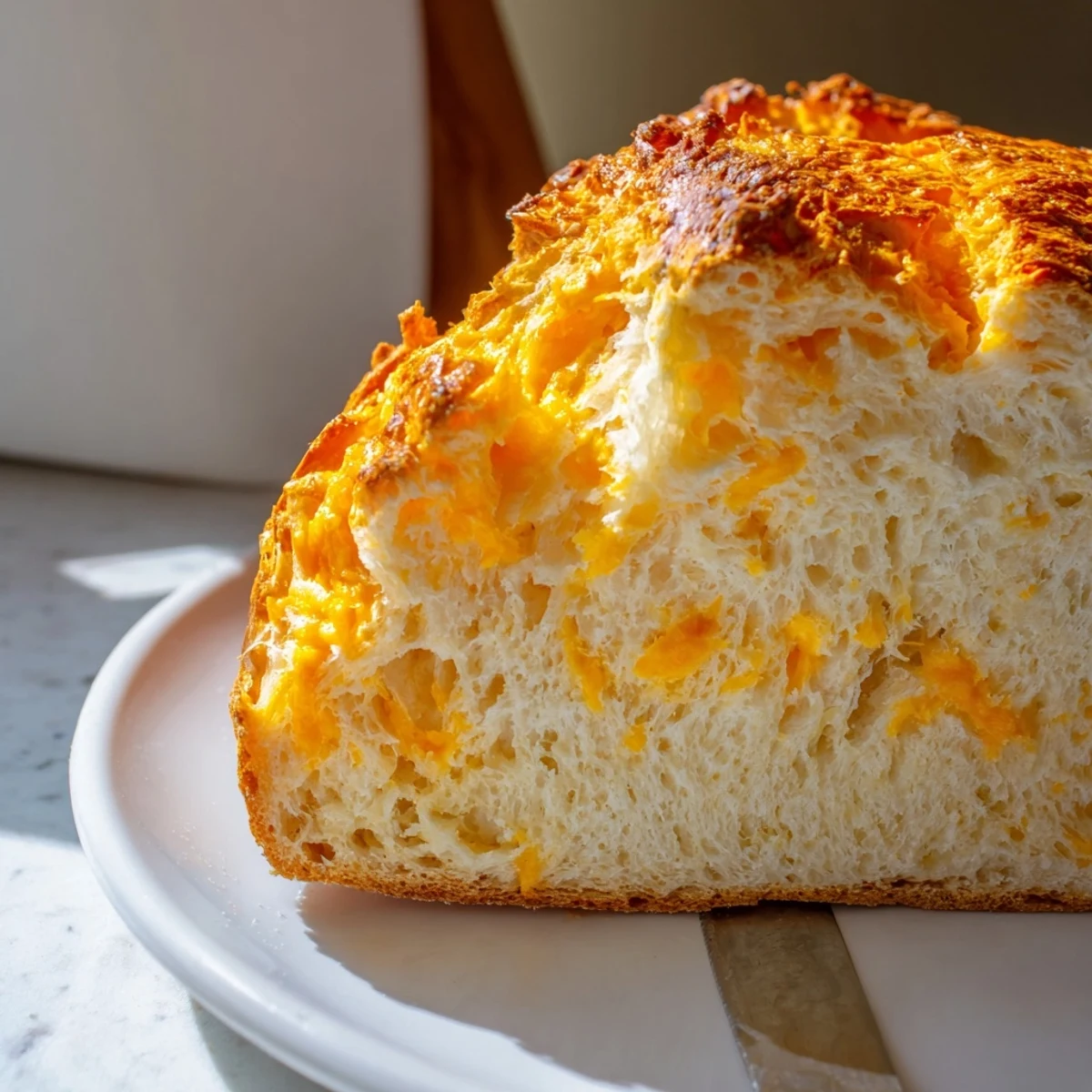
 This effortless bread delivers a rustic golden loaf with irresistibly crisp crust and tender, cheesy crumb. Simply whisk flour, salt, and yeast, toss in sharp cheddar, add lukewarm water, and let rise for 3-4 hours. Bake in a preheated Dutch oven for that perfect bakery-style finish.
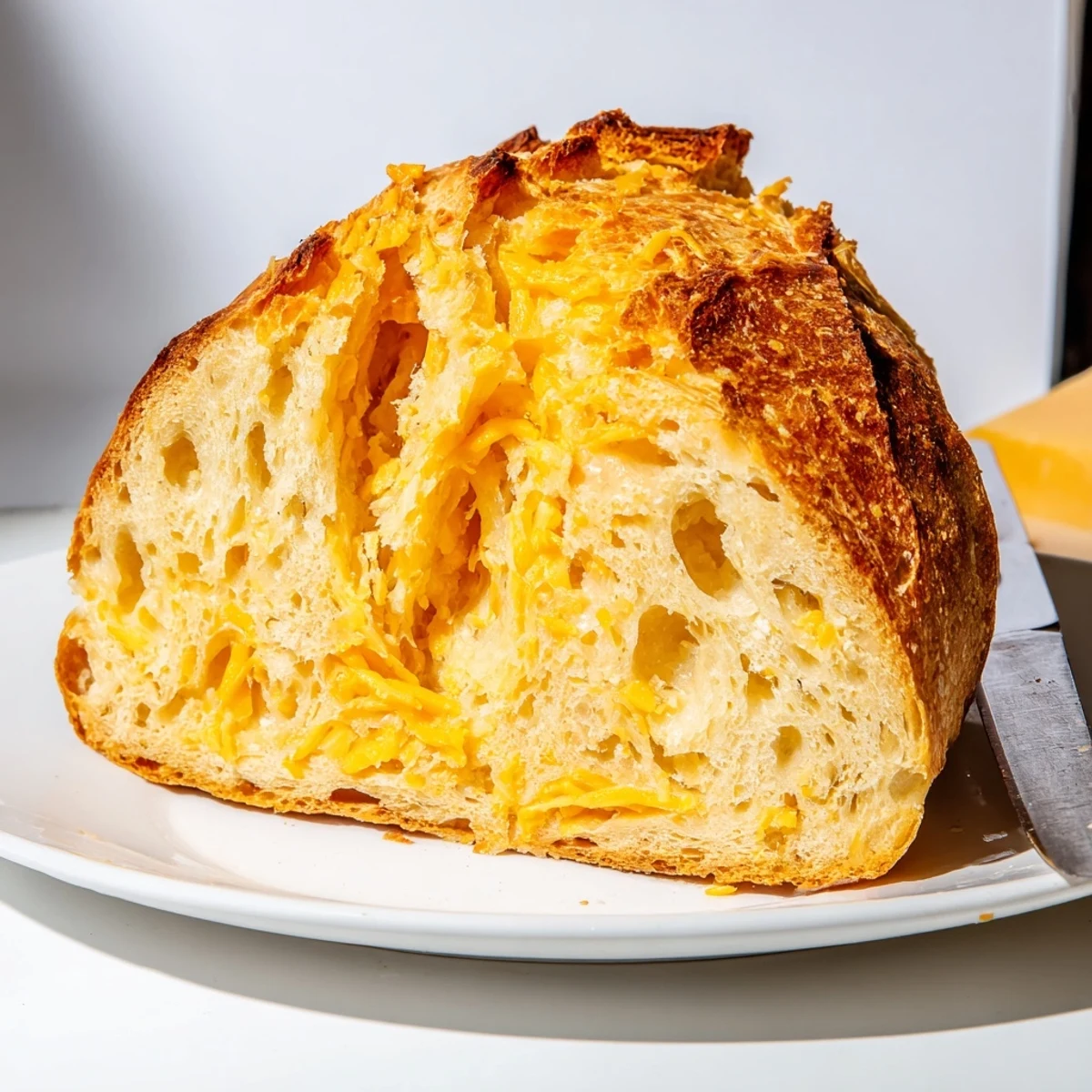
The result? A beautifully golden bread with pockets of melted cheddar throughout, ideal for slicing into sandwiches, toasting for breakfast, or dipping into warm soup. Fresh herbs, smoked cheese, or chili flakes offer easy customizations.
Total hands-on time is just 10 minutes, making this perfect for busy home bakers who want artisanal results without the work. The Dutch oven creates steam that ensures professional-quality crust and texture.
The smell of cheddar hitting a hot Dutch oven is something I discovered accidentally one rainy Sunday when I was too lazy to attempt proper kneading. Now it's become my go-to bread for dinner parties because it looks impressive but requires almost zero effort. I've started keeping extra sharp cheddar in the freezer just for moments when I need this bread in my life.
Last winter my neighbor texted at 5 PM asking to borrow eggs, and I ended up sending her home with half this loaf still warm from the oven. She texted back saying her kids fought over the last slice, which is basically the highest compliment a bread can receive. Now whenever she sees dough rising on my counter through the window, she knocks before I even finish shaping it.
Ingredients
- All-purpose flour: Creates the structure while staying tender, don't be tempted to use bread flour here
- Salt: Enhances the cheddar flavor, use fine table salt for even distribution
- Instant yeast: Eliminates proofing steps, measure precisely for consistent rise
- Sharp cheddar cheese: The backbone of flavor, grate it yourself from a block for better melting
- Lukewarm water: Activates yeast without killing it, think bathwater temperature
Instructions
- Mix the dry foundation:
- Whisk flour, salt, and yeast in a large bowl until thoroughly combined and no salt patches remain visible
- Infuse with cheese:
- Add grated cheddar and toss with your hands until every flour particle seems dusted with orange
- Bring it together:
- Pour in water and stir with a wooden spoon until the dough looks shaggy and sticky with no dry flour remaining
- Let it work its magic:
- Cover tightly and walk away for 3 to 4 hours until the dough has ballooned and bubbles dot the surface
- Preheat your vessel:
- Heat oven to 450°F with your Dutch oven inside for at least 30 minutes to create steam
- Shape with confidence:
- Turn dough onto floured surface, fold edges toward center to form a round, and place on parchment paper
- Rest before baking:
- Let dough relax for 20 to 30 minutes while the oven finishes heating, covered with a clean towel
- Transfer carefully:
- Lift parchment with dough and lower into hot pot, handling quickly to retain heat
- Create the crust:
- Bake covered for 30 minutes then uncover for 10 to 15 minutes until deeply golden and hollow when tapped
- Practice patience:
- Cool on wire rack for at least 30 minutes or the crumb will be gummy, no matter how tempting it smells
 Save Pin
 My sister once forgot to add the cheese until after the dough had risen, so she just folded it in during shaping and said it was the best mistake she ever made. Now she deliberately does it that way, claiming it creates pockets of pure melted cheese throughout the loaf instead of evenly distributed strands.
Cheese Selection Secrets
After testing every cheddar from mild to extra sharp, I've learned that medium sharp hits the perfect balance of flavor without overwhelming the bread. Pre shredded cheese contains anti caking agents that prevent proper melting and can leave gritty spots in your crumb. Block cheese takes thirty seconds more effort but transforms entirely different results.
Temperature Timing
Your water should feel like pleasant bathwater on your wrist, neither hot nor cold. Water above 110°F can kill yeast while cold water slows fermentation to a crawl. I keep an instant read thermometer near my prep area during winter months when kitchen temperatures drop unpredictably.
Storage and Beyond
This bread actually improves slightly on day two as the cheese flavor permeates further into the crumb. Wrap it in a cloth bag rather than plastic to maintain that shattering crust. If it lasts beyond two days, slice and freeze in parchment then refresh in a 350°F oven for ten minutes.
- Revive day old bread with a quick spritz of water before warming
- The Dutch oven method works for any no knead variation you dream up
- Your biggest challenge will be resisting it straight from the oven
 Save Pin
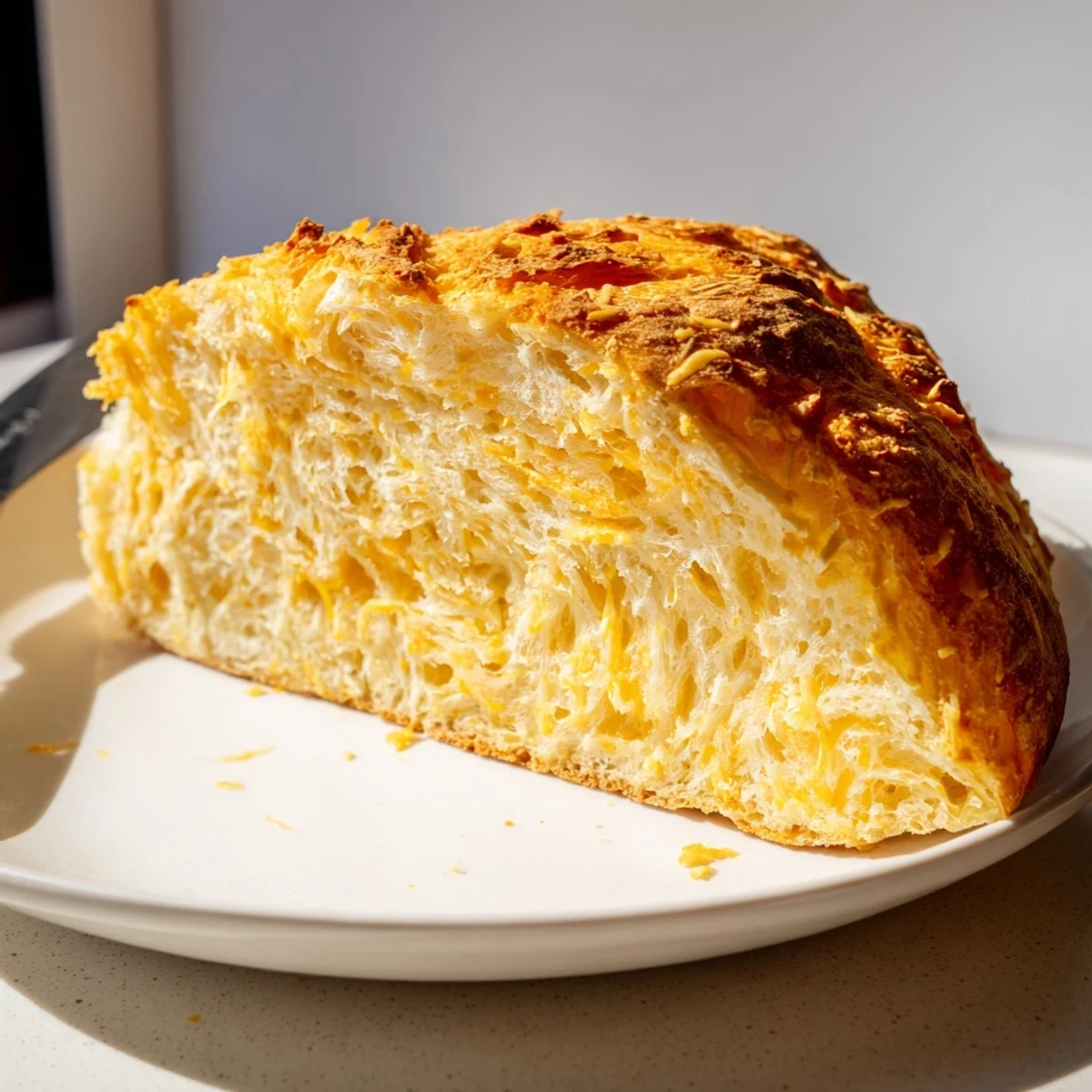
 There's something deeply satisfying about pulling this golden treasure out of the pot and hearing that crackle as it cools. Maybe that's why it's become my most requested recipe.
Recipe FAQs
- → Why use a Dutch oven for baking bread?
-
A Dutch oven traps steam during baking, creating a crisp, golden crust while keeping the interior tender and moist. This mimics professional steam-injected ovens, giving you bakery-quality results at home.
- → Can I substitute the cheddar cheese?
-
Absolutely! Try smoked gouda for depth, gruyère for nuttiness, or pepper jack for spice. Just keep the quantity the same (170g) and ensure your cheese melts well for the best texture throughout.
- → How do I know when the bread is done baking?
-
The crust should be deep golden brown, and when you tap the bottom of the loaf, it should sound hollow. If you're unsure, insert an instant-read thermometer—it should register 200°F (93°C) at the center.
- → Why does the dough need to rise for 3-4 hours?
-
This long, slow fermentation develops flavor and creates those signature air pockets. The yeast needs time to produce carbon dioxide, which makes the bread rise and gives it that light, tender texture you want in artisan loaves.
- → Can I add mix-ins like herbs or garlic?
-
Definitely! Fresh chives, rosemary, thyme, or roasted garlic blend beautifully with cheddar. Add 1-2 tablespoons of herbs or 3-4 cloves of roasted garlic when mixing the dough. You can also incorporate chili flakes for a spicy version.
- → How should I store leftover bread?
-
Wrap tightly at room temperature for up to 2 days. For longer storage, slice and freeze in a freezer bag—individual slices thaw quickly and toast beautifully. Avoid refrigerating, as this dries out the crumb and stales the bread faster.