
 Save Pin
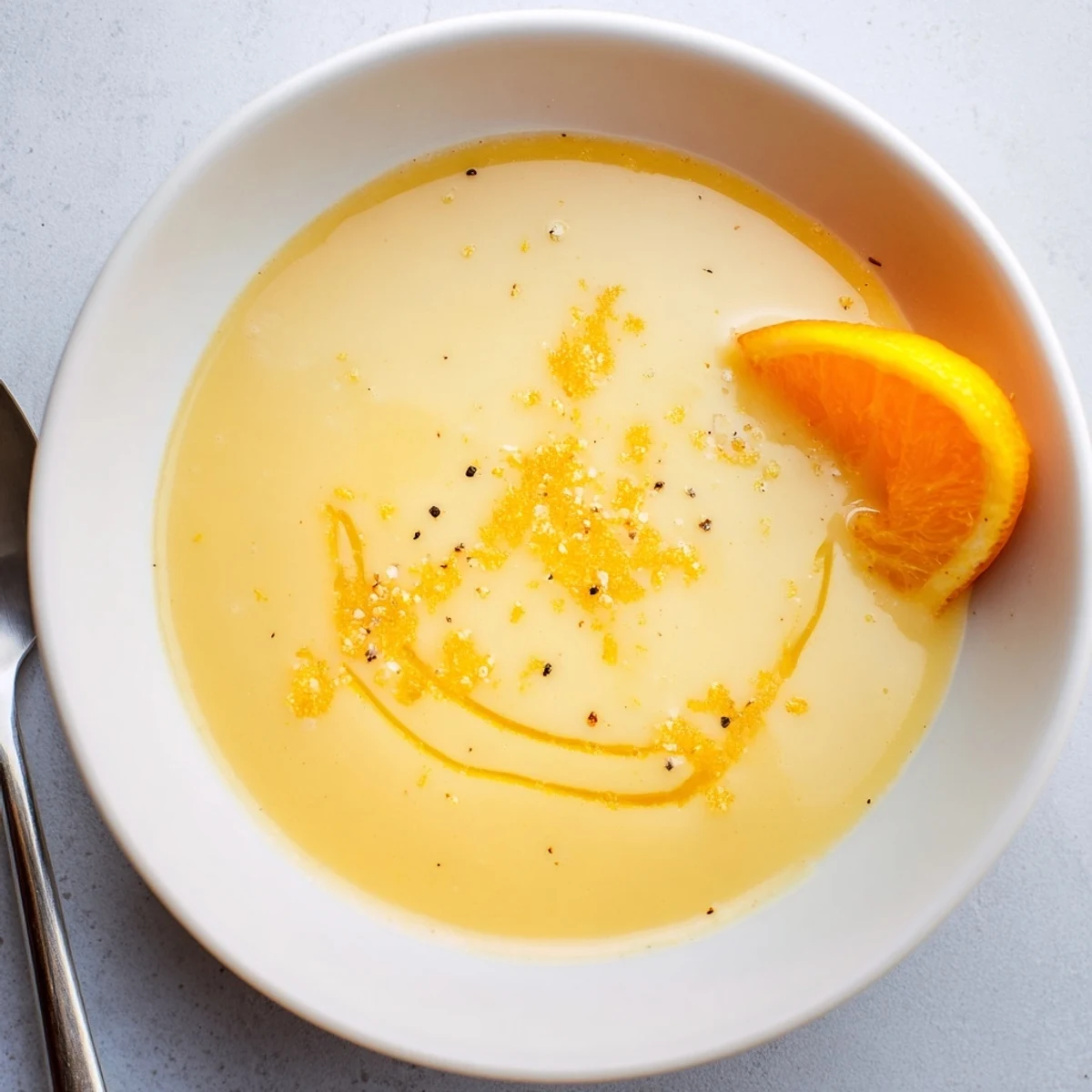
 This bright vinaigrette blends fresh orange juice and zest with white wine vinegar, Dijon, honey, salt and pepper, then is slowly whisked into extra-virgin olive oil until fully emulsified. Ready in ten minutes, it keeps chilled up to five days. Tweak acidity with lemon, add minced shallot or garlic for bite, and use to dress mixed greens, grilled vegetables, or to marinate fish.
The juiciest orange I ever squeezed was on a Tuesday afternoon in a rented kitchen in Provence, and the vinaigrette that followed ruined every bottled dressing I had ever trusted.
I brought a jar of this to a potluck once and three people cornered me by the cheese plate demanding the recipe.
Ingredients
- Freshly squeezed orange juice (1/3 cup, about 1 large orange): Bottled juice tastes flat and lifeless here, so please squeeze your own.
- White wine vinegar or champagne vinegar (2 tablespoons): Either works beautifully, but champagne vinegar has a softer edge that lets the orange shine.
- Finely grated orange zest (1 teaspoon): This is where all the floral perfume lives, so do not skip it.
- Dijon mustard (1 teaspoon): It holds everything together and adds a quiet heat you will miss if you leave it out.
- Honey or maple syrup (1 tablespoon): Honey rounds out the acidity, and maple syrup works if you are keeping it vegan.
- Sea salt (1/2 teaspoon): A decent salt makes every flavor pop instead of blend together.
- Freshly ground black pepper (1/4 teaspoon): Pre ground tastes dusty, so grind it fresh right into the bowl.
- Extra virgin olive oil (1/2 cup): Use the good stuff here because the flavor is completely exposed.
Instructions
- Build the flavor base:
- Pour the orange juice into a medium bowl and add the zest, vinegar, Dijon mustard, honey, salt, and pepper, then whisk until the mustard disappears and everything looks unified.
- Stream in the oil slowly:
- Start whisking with energy and drizzle the olive oil in a thin, steady stream so the mixture turns creamy and thick rather than separated.
- Taste and tweak:
- Dip a spoon in and see if it needs more salt, a bigger hit of pepper, or another squeeze of honey to balance the tartness.
- Store or serve:
- Use it right away over whatever you are eating, or pour it into a sealed jar and refrigerate for up to five days, shaking well before each use.
 Save Pin
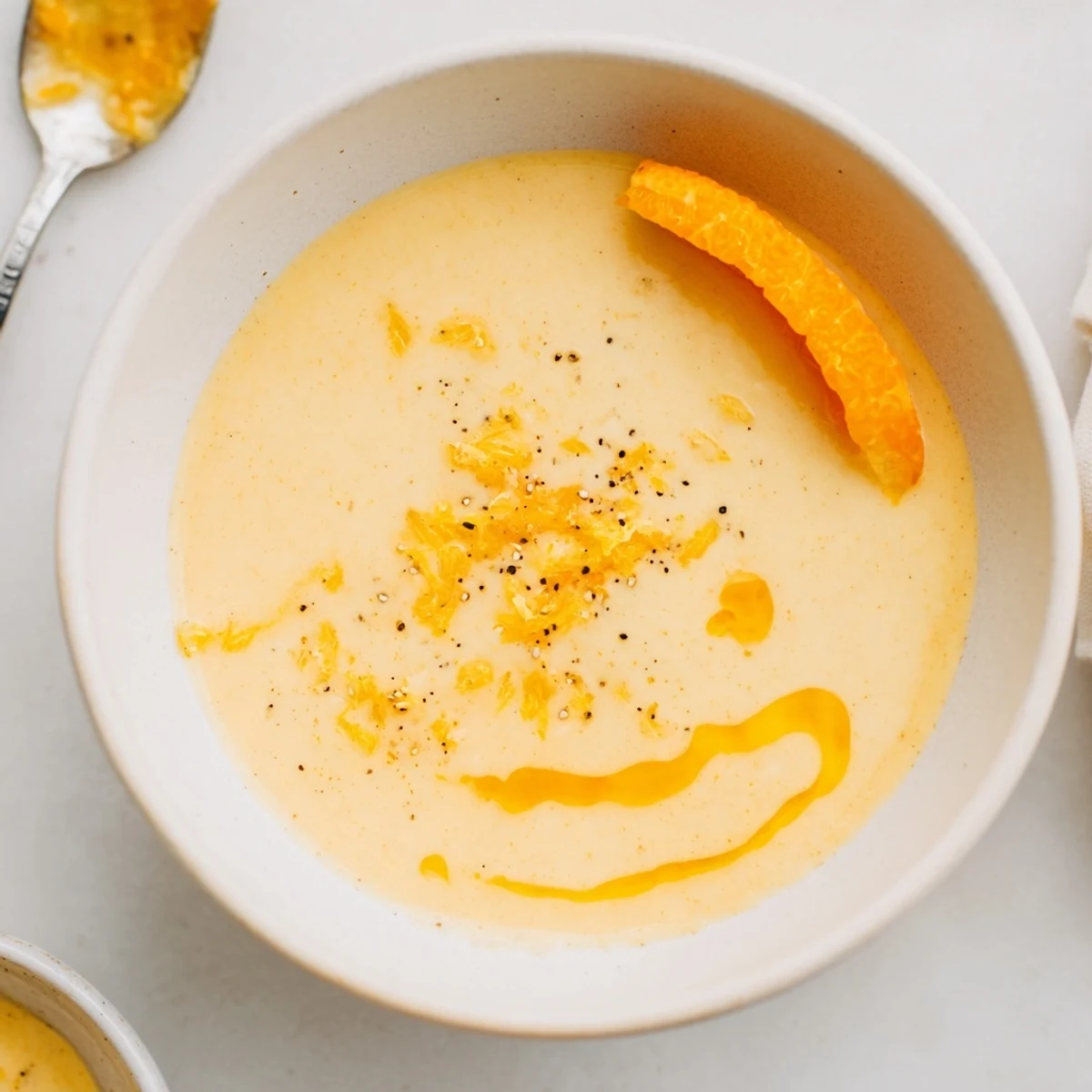
 A friend told me this vinaigrette made her fall back in love with cooking at home, and honestly that is the highest compliment I have ever received.
Pairings That Actually Work
This dressing is spectacular over grilled asparagus, roasted beets, or a simple arugula salad with shaved parmesan.
A Note On Your Oranges
Navel oranges are reliably sweet and easy to juice, but blood oranges in winter turn the vinaigrette a stunning jewel tone.
Storage and Leftovers
The dressing will separate in the fridge and that is completely normal, so just shake the jar hard and it comes back together in seconds.
- Always let it sit at room temperature for ten minutes after refrigerating so the oil loosens up.
- A clean jam jar with a tight lid works better than any fancy salad dressing bottle.
- Give it a quick smell test after day five because fresh citrus does not last forever.
 Save Pin
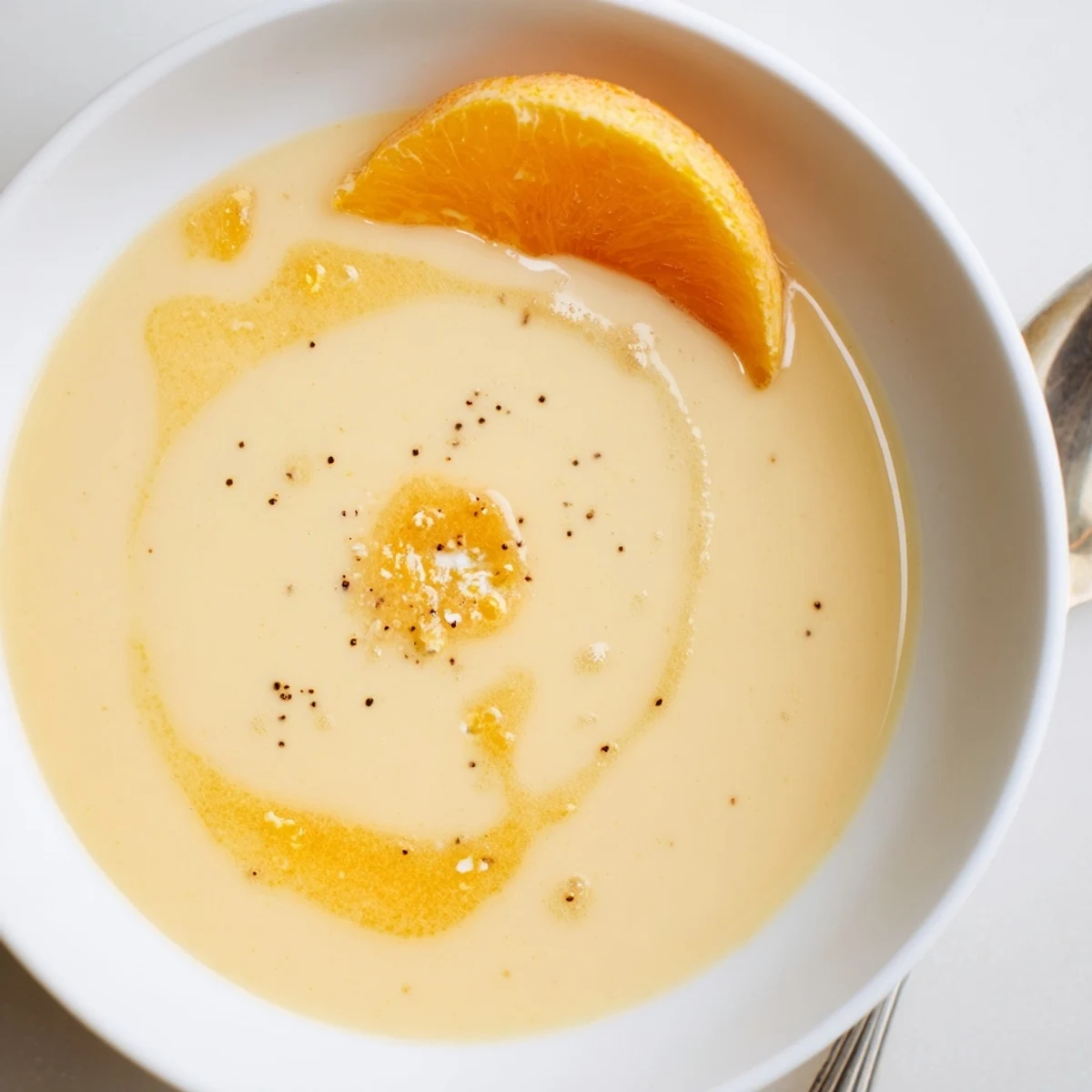
 Keep a jar of this in your fridge and weeknight dinners suddenly feel a little more intentional.
Recipe FAQs
- → How do I get a stable emulsion?
-
Whisk the acid, mustard and sweetener first, then add the olive oil in a slow, steady stream while whisking vigorously. The mustard acts as an emulsifier; using a jar and shaking vigorously also works for a quick emulsion.
- → Can I swap ingredients for dietary needs?
-
Use maple syrup instead of honey for a vegan option. Check Dijon labels for potential allergens or gluten cross-contact. Olive oil can be replaced with a neutral oil if a lighter mouthfeel is preferred.
- → How long does it keep in the refrigerator?
-
Stored in a sealed container, it will keep up to five days. Separation is normal—shake or whisk to recombine before serving. Discard if aroma or appearance becomes off.
- → What pairs best with this dressing?
-
Bright citrus notes complement mixed greens, bitter lettuces, grilled asparagus, roasted beets, and seafood or grilled fish. It also makes a lively marinade for vegetables and light proteins.
- → How can I adjust the acidity or sweetness?
-
Taste and balance by adding a splash more vinegar or a squeeze of lemon for acidity, and a touch more honey or maple for sweetness. Small increments prevent overpowering the orange character.
- → Any tips for extra flavor?
-
Fold in a pinch of minced shallot or a small clove of grated garlic for savory depth. Freshly grated orange zest intensifies the citrus aroma without adding extra liquid.