
 Save Pin
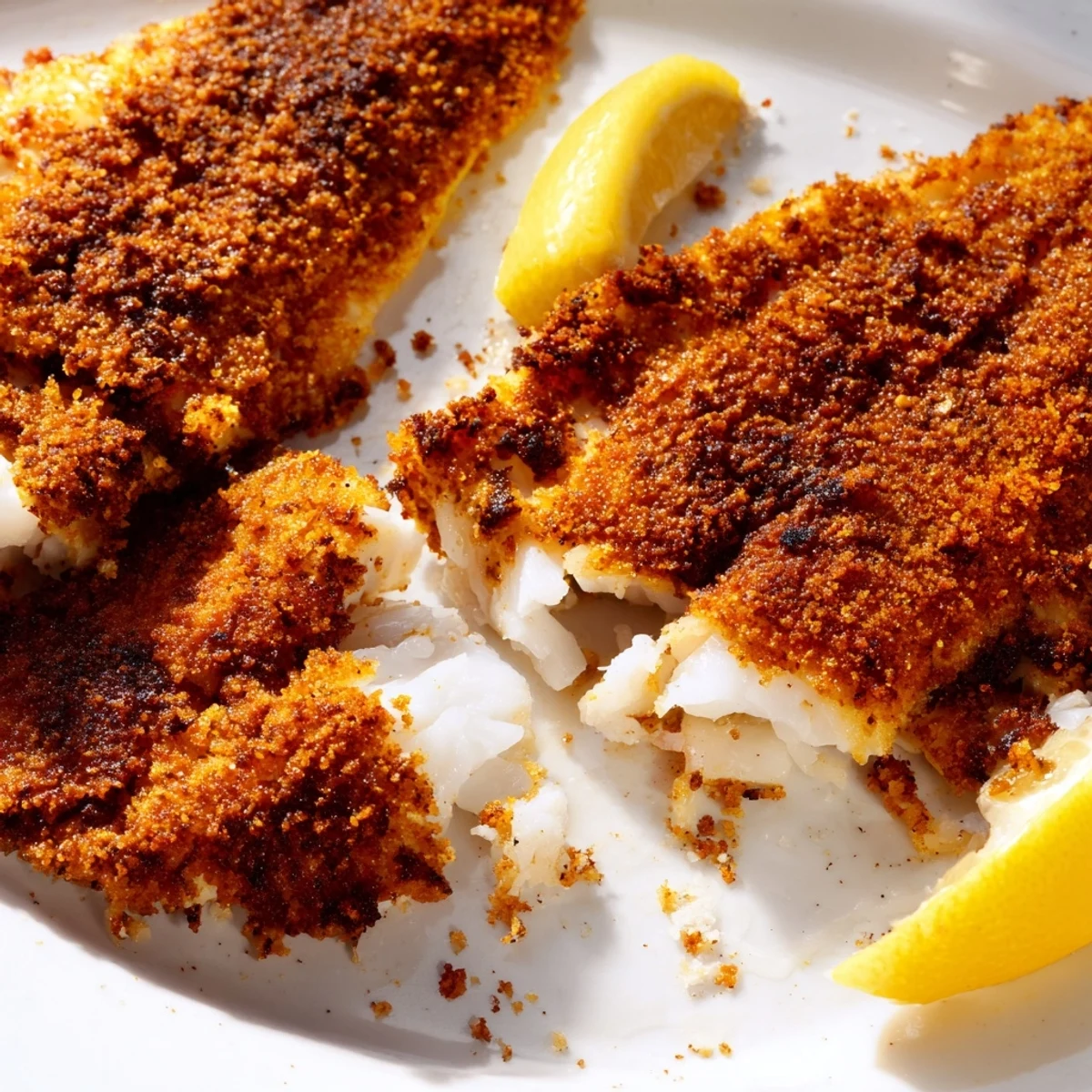
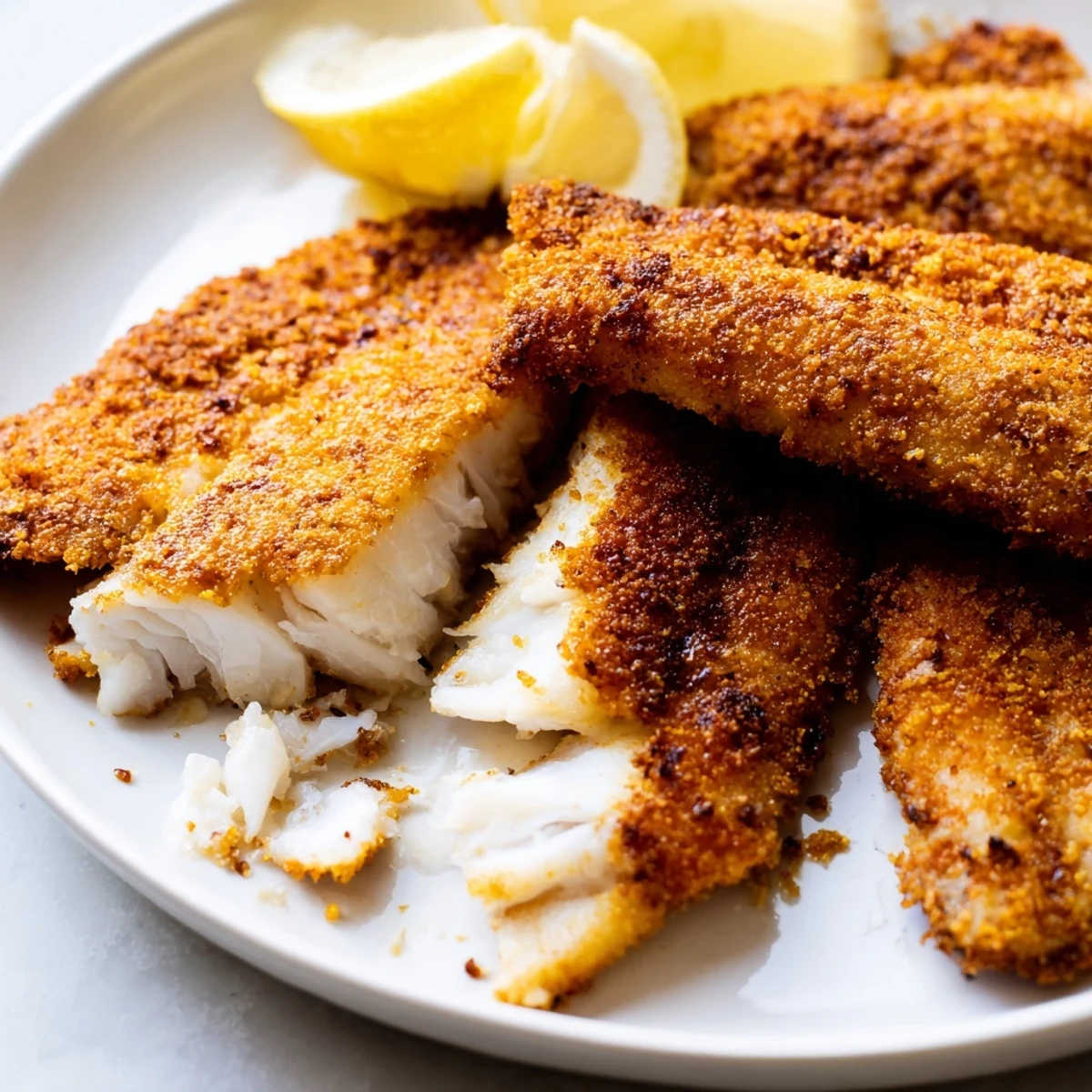
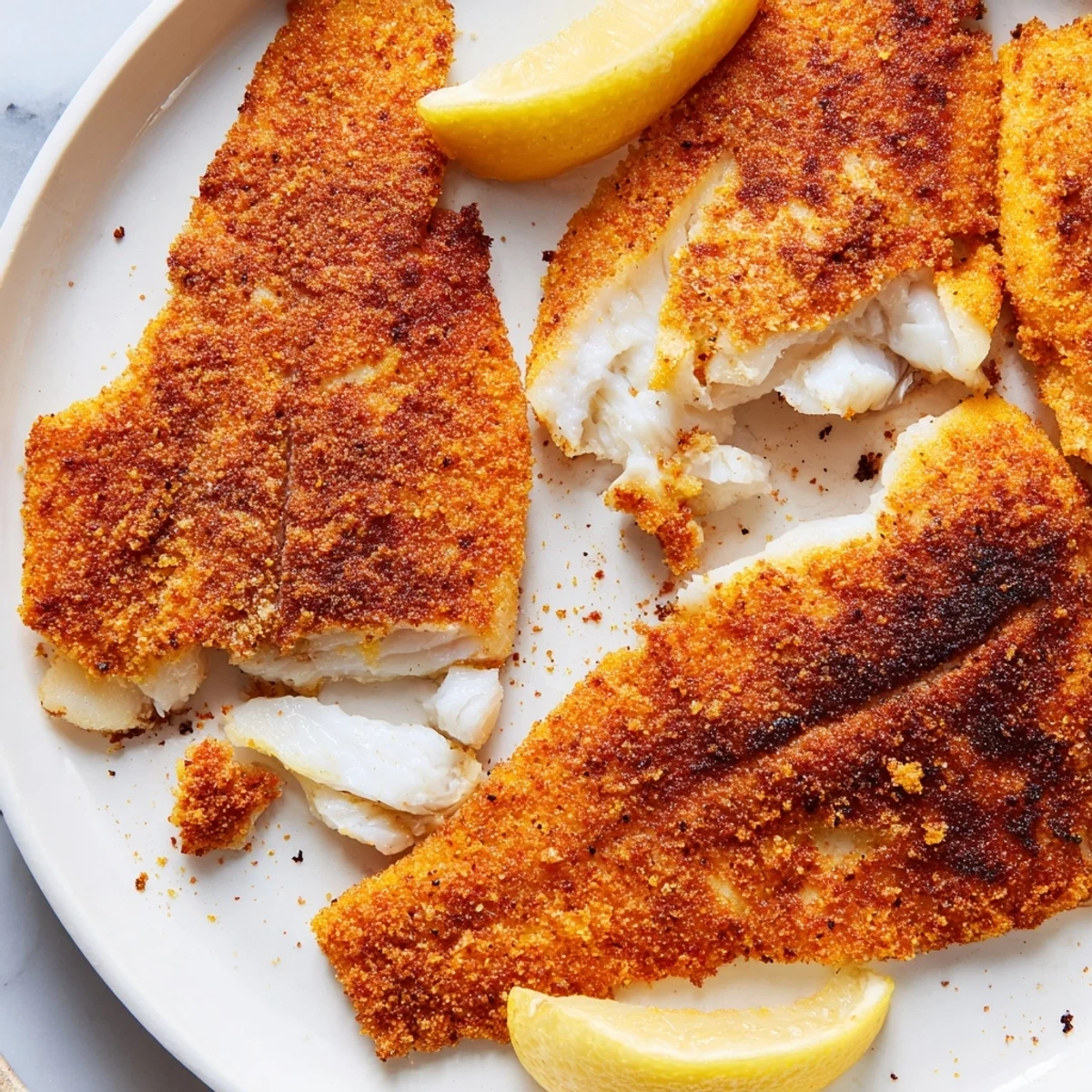
 This pan-fried tilapia delivers perfectly golden, crispy fillets in just 20 minutes from start to finish. The fish is coated in a simple blend of paprika, garlic powder, onion powder, salt, and pepper, then seared in olive oil or butter until beautifully crisp on the outside and flaky-tender on the inside.
With only 210 calories and 32g of protein per serving, it's an excellent choice for a wholesome weeknight meal. Optional cornmeal dredging adds extra crunch. Serve alongside steamed vegetables, a fresh salad, or rice with a squeeze of lemon.
The sizzle of fish hitting a hot skillet is one of those sounds that instantly makes a kitchen feel alive, and tilapia is the fish that taught me that. On a rainy Tuesday when the fridge held almost nothing else, four pale fillets and a dusty jar of paprika somehow became the best dinner of the week. Crisp on the outside, impossibly tender within, and done before the rice even finished steaming. That is the quiet magic of pan fried tilapia.
My neighbor Carla once knocked on my door holding a bag of tilapia from a fisherman friend, asking if I knew what to do with it. We stood in my kitchen shaking seasoning over fillets, laughing at how badly she flipped the first one, and eating straight from the skillet with our fingers before the rice was even ready. She now makes it weekly and texts me photos every time.
Ingredients
- 4 tilapia fillets (about 150g each): Pat them thoroughly dry with paper towels because moisture is the enemy of a good crust.
- 1 tsp salt: Essential for pulling flavor out of the fish and helping the seasoning stick evenly.
- 1/2 tsp freshly ground black pepper: Freshly cracked makes a noticeable difference here since the flavor profile is so simple.
- 1/2 tsp paprika: Adds a warm, subtle smokiness and gives the fillets their beautiful golden color.
- 1/4 tsp garlic powder: A gentle background note that works better than raw garlic, which can burn in a hot pan.
- 1/4 tsp onion powder: Rounds out the savory depth without overwhelming the mild fish.
- 1/4 cup cornmeal or gluten free flour (optional): This is the secret to extra crunch if you want it, though the fish is wonderful even without it.
- 2 tbsp olive oil or unsalted butter: Butter gives richer flavor, but olive oil handles higher heat more gracefully.
- 1 lemon, cut into wedges: A generous squeeze at the end brightens every single bite.
Instructions
- Mix your seasoning blend:
- In a small bowl, stir together the salt, pepper, paprika, garlic powder, and onion powder until evenly combined. Take a moment to smell it because that warm, earthy aroma is your first hint of something good.
- Season the fillets:
- Sprinkle both sides of each tilapia fillet generously with the seasoning mix, pressing it gently so it adheres. Let them sit for a minute or two while the pan heats so the salt can penetrate the flesh.
- Add the optional coating:
- If you want extra crunch, lightly dredge each fillet in cornmeal or gluten free flour and shake off any excess. A thin, even coat is all you need because too much will turn gummy instead of crispy.
- Heat the pan:
- Place a large nonstick skillet over medium high heat and add the olive oil or butter, letting it shimmer and coat the bottom completely. Wait until you see the first wisps of smoke because that means the pan is ready for the fish.
- Cook the first side:
- Lay the fillets in the pan gently, working in batches if needed so they do not crowd, and resist the urge to move them. Cook for three to four minutes until the edges turn golden and the fish releases from the pan without sticking.
- Flip and finish:
- Carefully flip each fillet with a fish spatula and cook another two to three minutes until the flesh is completely opaque and flakes easily when you press it with a fork. Serve immediately with fresh lemon wedges pressed generously over the top.
 Save Pin
 There is something quietly satisfying about pulling perfectly golden fish from a pan you almost gave up on. It feels less like following a recipe and more like a small, daily victory.
What to Serve Alongside It
This fish plays well with almost anything, but I keep coming back to a simple pile of steamed green beans with a squeeze of the same lemon. A light arugula salad with olive oil and salt is another go to that respects the fish without stealing attention from it.
Choosing the Right Fish
Tilapia is mild and affordable, which makes it a forgiving starting point for anyone nervous about cooking fish. If your store is out, cod, catfish, or sole all work beautifully with this exact seasoning and method, so do not feel locked in.
Making It Your Own
Once you have the basic technique down, the spice blend becomes a canvas for whatever you are craving. Small tweaks can take this dish in a dozen different directions.
- Add a pinch of cayenne to the seasoning if you want a gentle, warming heat.
- Swap olive oil for butter and finish with a handful of chopped parsley for a richer, French inspired plate.
- Always taste the seasoning on a fingertip before applying it to the fish so you can adjust salt and spice to your preference.
 Save Pin
 Some dinners are about impressing people, and some are just about eating something real and good on a random weeknight. This tilapia is the second kind, and honestly, those are the meals worth remembering most.
Recipe FAQs
- → How do I know when tilapia is fully cooked?
-
Tilapia is done when the flesh turns completely opaque white and flakes easily when pressed gently with a fork. The internal temperature should reach 145°F (63°C). Overcooked tilapia becomes dry and rubbery, so remove it from heat as soon as it flakes.
- → Should I use oil or butter for pan-frying tilapia?
-
Both work well. Olive oil gives a lighter flavor and higher smoke point, making it easier to achieve a crisp crust. Butter adds rich flavor but can brown quickly. For the best of both, start with oil and add a small pat of butter during the last minute of cooking.
- → Can I use frozen tilapia fillets?
-
Yes, but thaw them completely before cooking for the best results. Thaw overnight in the refrigerator or place sealed fillets in cold water for 30 minutes. Always pat frozen-thawed fillets thoroughly dry with paper towels to ensure proper browning and prevent sticking.
- → What can I substitute for tilapia?
-
Cod, catfish, sole, flounder, or swai all work well with this cooking method. Choose firm white fish fillets of similar thickness (about ½ inch) for even cooking. Adjust cooking time slightly based on the thickness of your fillets.
- → Why does my tilapia stick to the pan?
-
Sticking usually happens when the pan or oil isn't hot enough, or the fish is moved too early. Make sure your skillet is fully preheated over medium-high heat before adding oil, and wait until the fish releases naturally before flipping — typically 3 to 4 minutes. A nonstick or well-seasoned cast iron skillet helps.
- → Is pan-fried tilapia gluten-free?
-
Yes, as long as you skip the flour coating or use a certified gluten-free flour or cornmeal. All the seasonings in this preparation are naturally gluten-free. Always verify individual spice labels to confirm no cross-contamination.