
 Save Pin
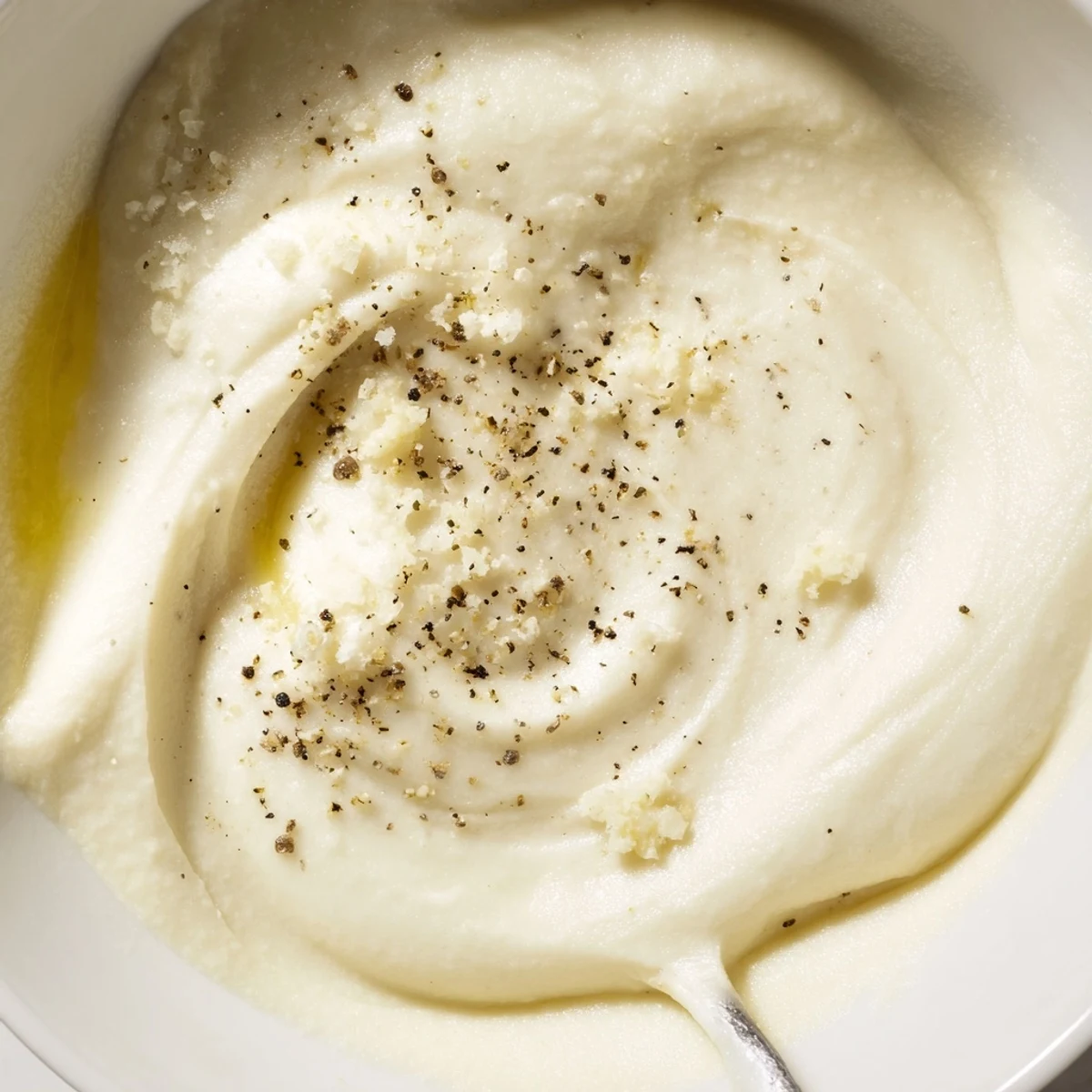
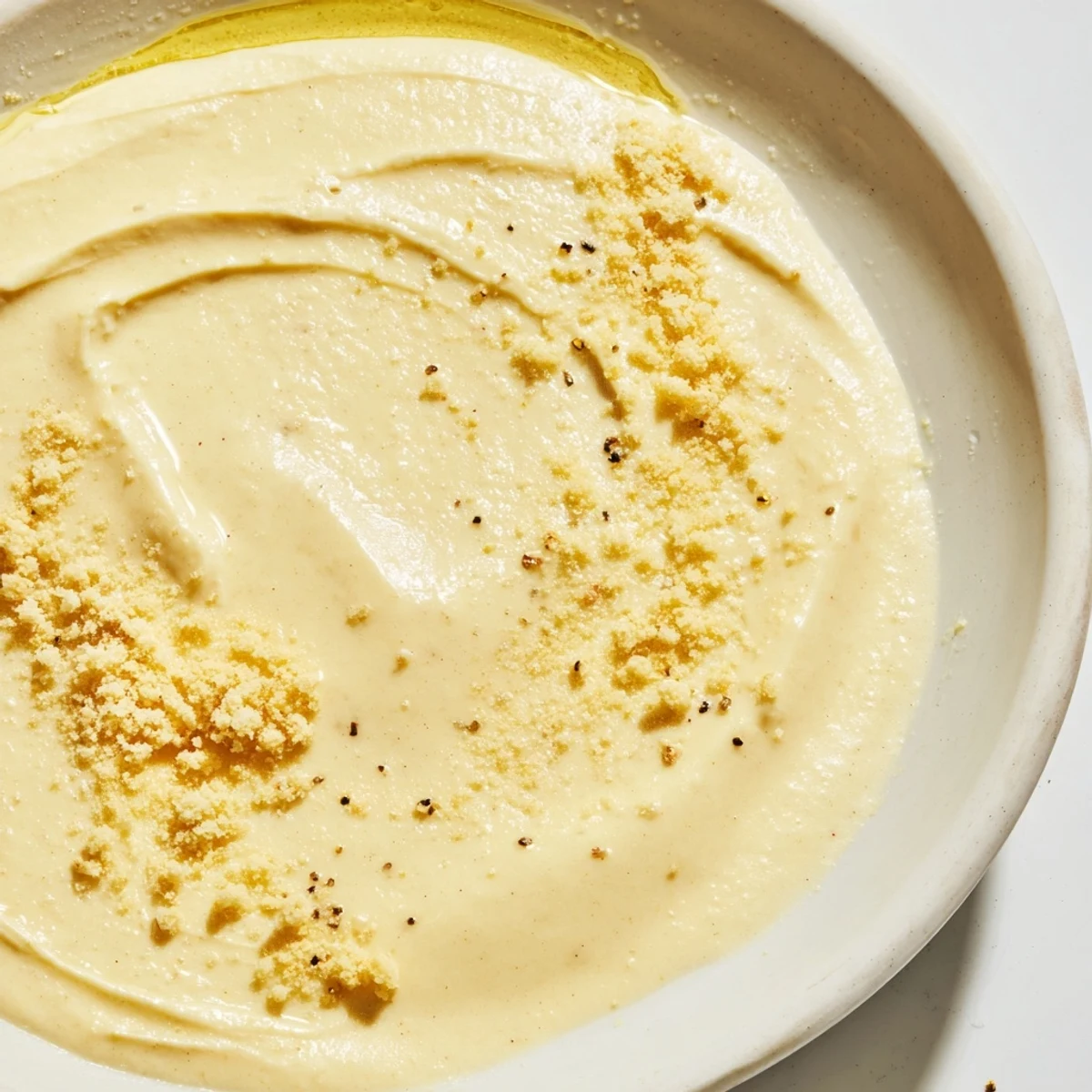
 This Parmesan vinaigrette blends white wine vinegar, lemon juice, Dijon mustard, a touch of honey and minced garlic, whisked and slowly emulsified with extra-virgin olive oil. Freshly grated Parmesan adds body and a silky texture. For an ultra-smooth finish, pulse in a blender. Store chilled up to one week; shake or whisk before serving.
The smell of garlic hitting vinegar on a Tuesday evening changed my relationship with salad forever. I had been drizzling store bought dressings over limp greens for years, convincing myself they were fine. Then one night, rummaging through the fridge with nothing but a wedge of Parmesan and some oil, I threw together something that made me actually crave lettuce. That humble little bowl of emulsified gold became a permanent fixture in my kitchen.
My neighbor Linda knocked on my door one summer afternoon holding a bag of garden tomatoes and asked if I had anything to put on them. I handed her a jar of this dressing and she stood in my doorway eating tomatoes straight from her hand, dripping vinaigrette onto the welcome mat. We never mentioned the stain.
Ingredients
- 1/3 cup freshly grated Parmesan cheese: Please do not use the green can. Grate it yourself from a solid wedge and the texture will be completely different.
- 1/4 cup extra virgin olive oil: Use the good stuff here since it is a raw dressing and you will taste every drop.
- 2 tablespoons white wine vinegar: This provides a clean, bright tang that lets the Parmesan shine without fighting it.
- 1 tablespoon freshly squeezed lemon juice: Bottled juice tastes flat and metallic. One squeeze from an actual lemon makes all the difference.
- 1 teaspoon Dijon mustard: This is your emulsifier, the secret weapon that keeps everything blended instead of separated.
- 1 clove garlic, finely minced: One clove is enough. Raw garlic is powerful and you want it as a whisper, not a shout.
- 1 teaspoon honey (optional): A tiny bit of sweetness rounds out the acid and makes the whole thing feel balanced.
- 1/4 teaspoon freshly ground black pepper: Pre ground pepper tastes dusty. Thirty seconds with a pepper mill changes everything.
- 1/2 teaspoon kosher salt: Add gradually and taste as you go because the Parmesan already brings saltiness to the party.
Instructions
- Build your flavor base:
- In a medium bowl, combine the vinegar, lemon juice, Dijon mustard, honey, garlic, salt, and pepper. Whisk until the mustard dissolves and everything looks unified.
- Create the emulsion:
- Slowly drizzle in the olive oil while whisking like you mean it. The mixture will transform from separated and thin to glossy and cohesive right before your eyes.
- Add the star of the show:
- Fold in the freshly grated Parmesan and watch the dressing thicken into something lush and creamy. Stir gently so you do not break what you just built.
- Taste and adjust:
- Dip a piece of lettuce in and chew on it. Add more salt or a squeeze more lemon if your palate asks for it.
- Store it properly:
- Transfer to a jar with a tight lid and refrigerate. Give it a good shake before each use because it will settle as it chills.
 Save Pin
 I brought a mason jar of this to a potluck once and three people pulled me aside to ask for the recipe. One of them was a culinary school graduate who looked almost embarrassed to be asking.
Making It Your Own
A pinch of red pepper flakes turns this into something with a bit of a kick that pairs beautifully with roasted broccoli or grilled chicken. Chopped fresh basil or chives stirred in at the end make it taste like summer in a jar.
What to Put It On
Obviously it loves greens, but try spooning it over warm roasted potatoes or using it as a marinade for chicken thighs before grilling. It also makes a fantastic dipping sauce for crusty bread when you have guests standing around the kitchen waiting for dinner.
Troubleshooting Common Issues
Sometimes things do not go perfectly and that is fine. Here are the fixes I have learned through plenty of broken dressings and emergency rescues.
- If your dressing separates in the fridge, just whisk it vigorously or shake the jar with enthusiasm for thirty seconds.
- If it tastes too acidic, add another small drizzle of oil and a tiny bit more honey to mellow it out.
- Always let it sit at room temperature for ten minutes before serving because cold oil does not taste like much.
 Save Pin
 Keep a jar of this in your fridge and you will find yourself putting it on everything. It is the kind of simple recipe that makes you wonder why you ever bought dressing at the store.
Recipe FAQs
- → How do I achieve a smoother texture?
-
For a smoother vinaigrette, blend the ingredients in a food processor or use an immersion blender. Start by combining the acids and seasonings, then slowly add the oil while blending to create a stable emulsion. Strain if you want an extra-silky finish.
- → What can I use instead of Parmesan?
-
Hard aged cheeses like Pecorino Romano give a saltier, sharper flavor. For dairy-free alternatives, finely ground nutritional yeast with extra oil adds umami but will change the texture and mouthfeel.
- → How should I store the vinaigrette?
-
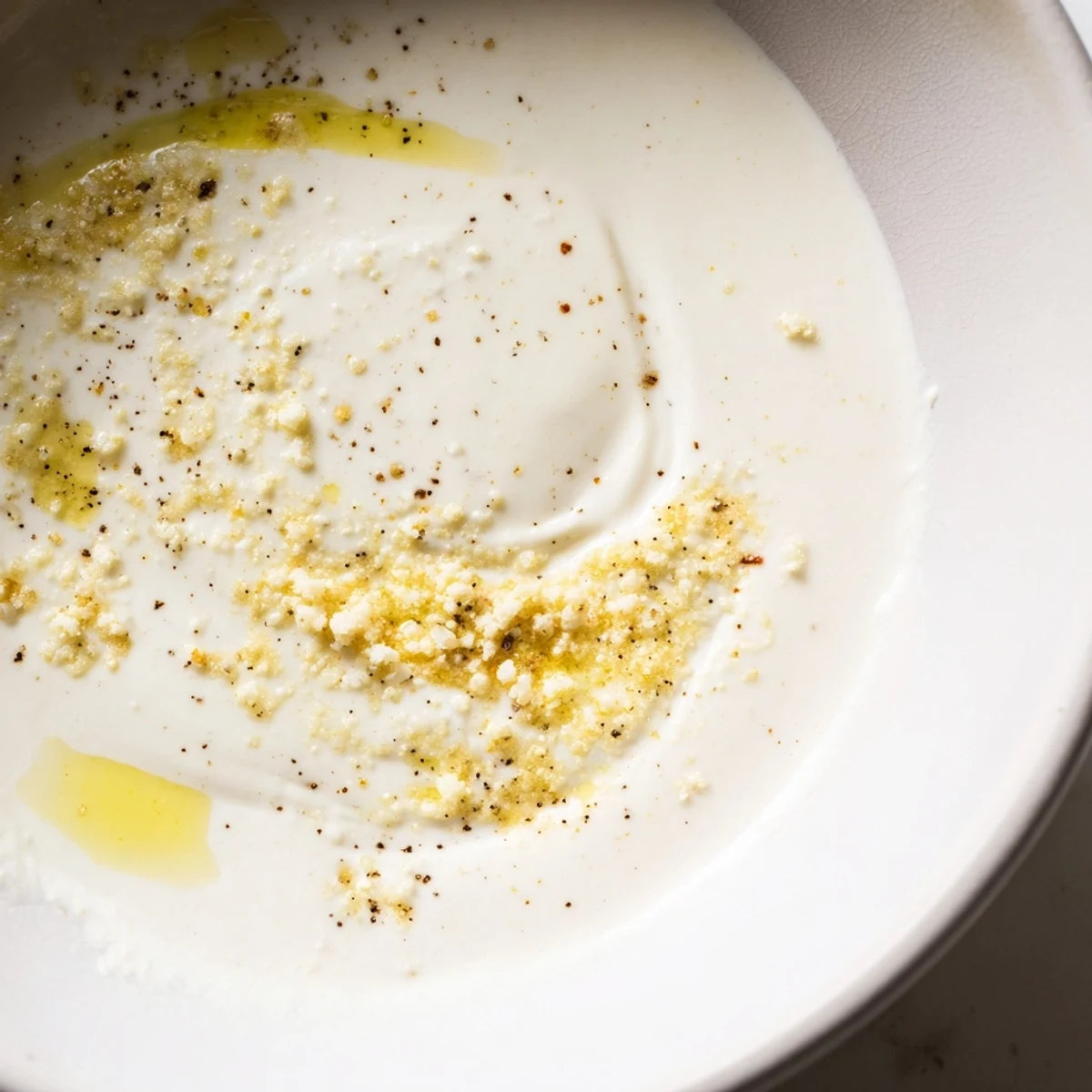
Keep in an airtight jar in the refrigerator for up to one week. The oil may thicken and the cheese will firm; simply shake or whisk before serving to re-emulsify and restore a creamy consistency.
- → How can I balance acidity or sweetness?
-
Taste as you go: add more lemon or white wine vinegar for brightness, or a small amount of honey to soften sharpness. Make incremental adjustments and re-taste between additions.
- → What dishes pair well with this vinaigrette?
-
Use it on mixed greens, grilled or roasted vegetables, simple grain bowls, or drizzled over grilled chicken or seafood for a bright, savory finish.
- → Can I make this ahead of time?
-
Yes. Prepare and chill up to a week in advance. Allow the vinaigrette to come briefly to room temperature and shake or whisk before serving to reincorporate the oil and restore texture.