
 Save Pin
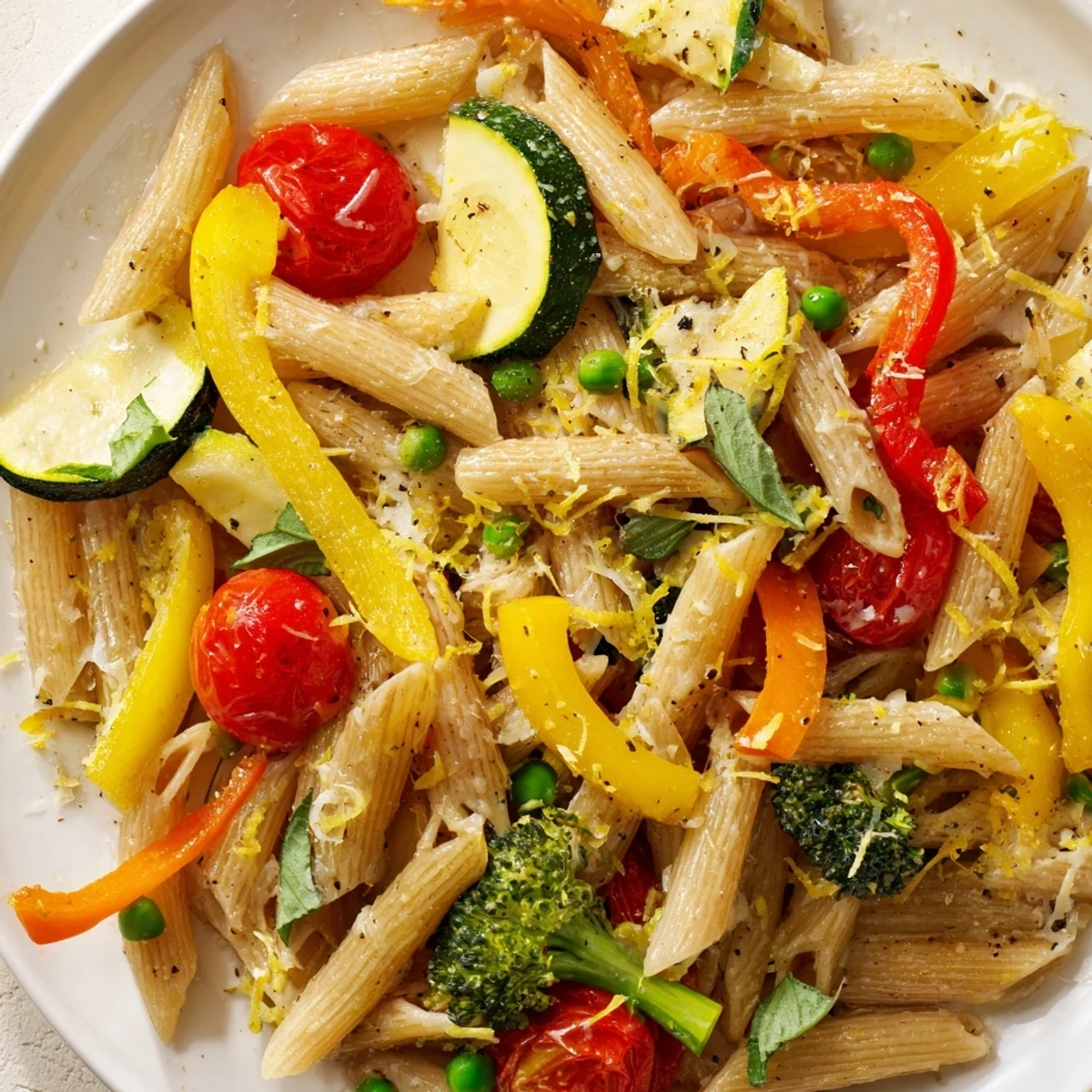
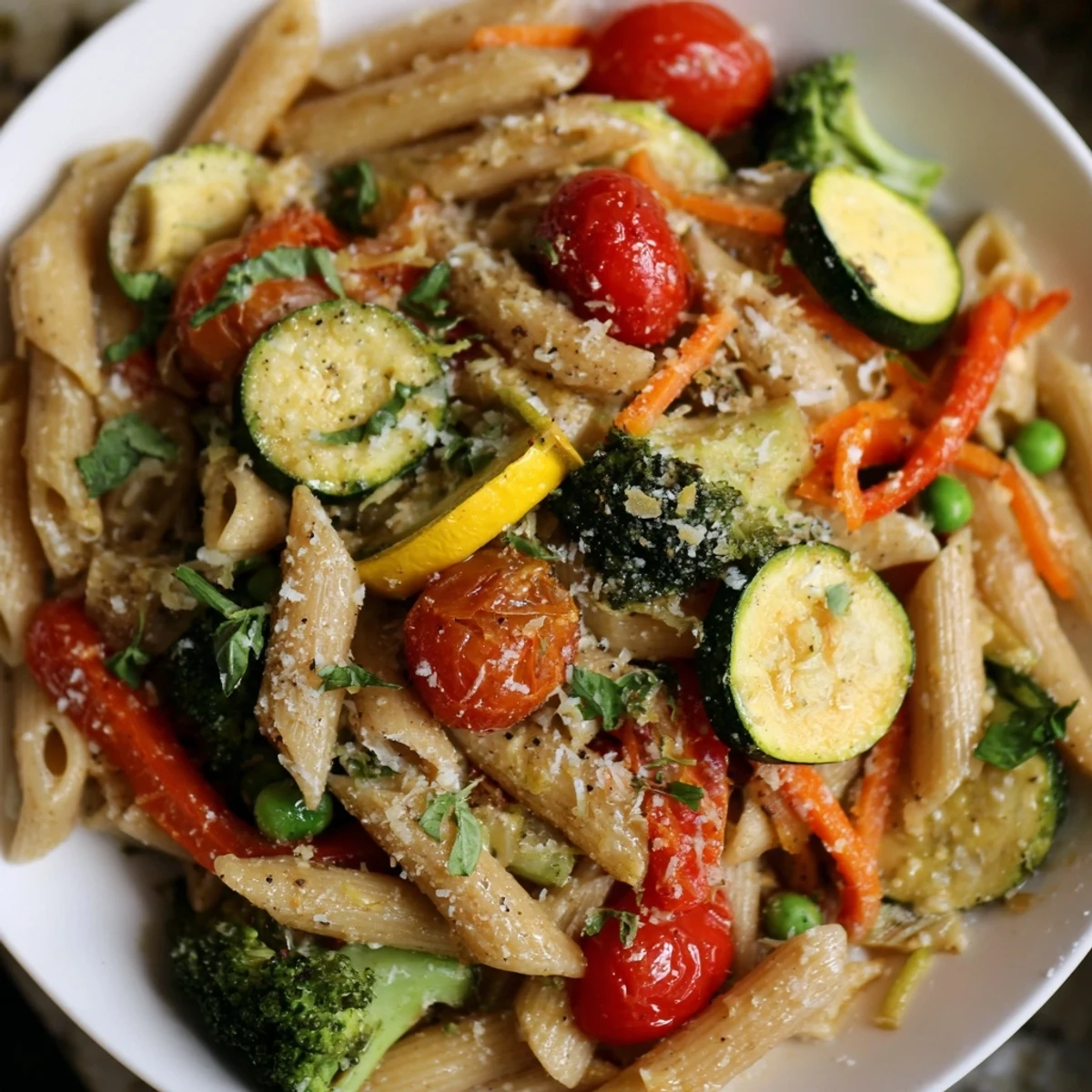
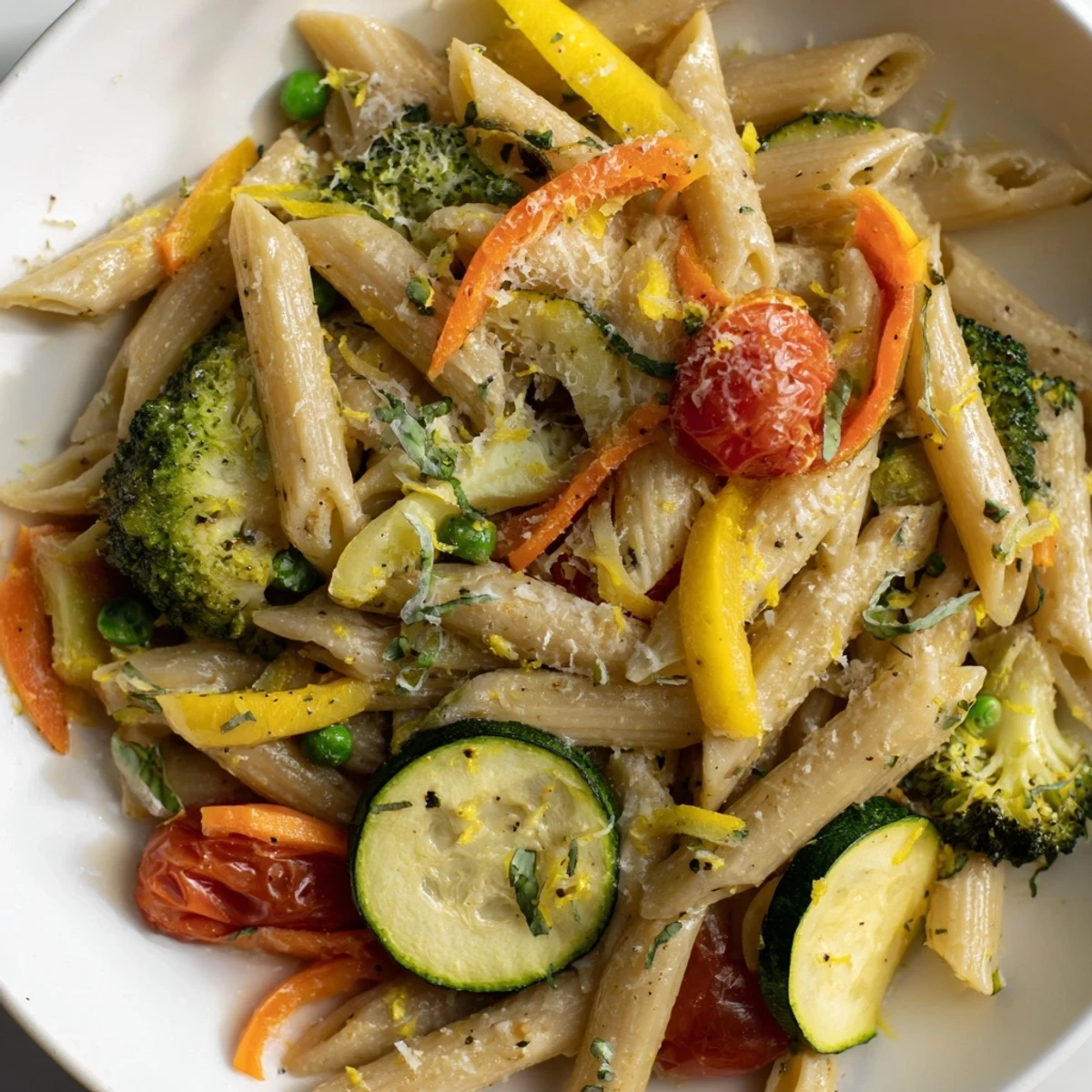
 This vibrant Italian dish combines al dente penne or fusilli with a medley of fresh spring vegetables including zucchini, yellow squash, bell peppers, broccoli florets, and cherry tomatoes. The vegetables are lightly sautéed in olive oil with garlic, then tossed with the pasta and finished with lemon zest and juice, grated Parmesan, and fresh basil. The result is a colorful, flavorful pasta that celebrates seasonal produce. The dish comes together in just 40 minutes and serves four generously.
The first time I made pasta primavera, I accidentally used every vegetable in my crisper drawer because I couldn't decide what to leave out. My husband walked into the kitchen and asked if I was feeding an army, but honestly, the colors were too pretty to edit down. That night became the blueprint for how I approach this dish now.
Last spring, my neighbor brought over a bag of vegetables from her garden and this recipe was the perfect way to use them all. We ate on the back porch while the kids ran through the sprinkler, and I remember thinking this is exactly what weeknight dinners should feel like.
Ingredients
- 350 g (12 oz) penne or fusilli pasta: Choose something with ridges to catch the light sauce, and please salt your pasta water aggressively
- 1 small zucchini, sliced into half-moons: Dont slice these too thin or theyll disappear into the dish
- 1 small yellow squash, sliced into half-moons: These add such a gorgeous pop of color alongside the green zucchini
- 1 red bell pepper, sliced into thin strips: The sweetness here balances the brighter vegetables perfectly
- 1 cup broccoli florets: Cut these bite-sized so they cook quickly and stay vibrant green
- 1 cup cherry tomatoes, halved: These burst slightly and create little pockets of juiciness
- 1/2 cup frozen peas, thawed: A trick I learned from an Italian grandmother for instant sweetness
- 2 cloves garlic, minced: Fresh is non negotiable here, the jarred stuff is too harsh
- 1 small carrot, julienned: This adds a subtle sweetness and great texture contrast
- 3 tbsp extra virgin olive oil: The foundation of everything, dont skimp here
- 1/4 cup grated Parmesan cheese: Plus more for serving because we both know youll want extra
- 1/4 cup chopped fresh basil: Or parsley if basil feels too summery for your mood
- Zest of 1 lemon: This brightens everything without making it taste like lemon pasta
- Juice of 1/2 lemon: Add this gradually and taste as you go
- Salt and freshly ground black pepper: Season boldly at every stage, not just at the end
- Pinch of red pepper flakes: Optional, but I love the subtle heat it brings
Instructions
- Get your pasta going:
- Bring a large pot of salted water to boil and cook pasta until al dente, but crucialy, save that 1/2 cup of pasta water before draining
- Start your vegetable base:
- Heat olive oil in a large skillet over medium heat and add the garlic, letting it sizzle for just 30 seconds until fragrant
- Add the hard vegetables first:
- Toss in carrot, bell pepper, and broccoli, sautéing for 3 minutes while everything starts to soften
- Add the softer vegetables:
- Throw in zucchini, yellow squash, and peas, cooking another 4 to 5 minutes until tender but still bright and snappy
- Finish with tomatoes and citrus:
- Stir in cherry tomatoes, lemon zest, and lemon juice, cooking 2 more minutes until the tomatoes just start to break down
- Bring it all together:
- Add the drained pasta to the skillet and toss everything, adding that reserved pasta water as needed to create a silky light sauce that coats each piece
- Add the finishing touches:
- Remove from heat and stir in Parmesan and basil, then season generously with salt, pepper, and red pepper flakes if youre feeling spicy
- Serve it up:
- Plate immediately and pass extra Parmesan at the table, because who are we kidding
 Save Pin
 This recipe became my go-to when my sister announced she was going vegetarian and I realized my cooking repertoire needed an update. Now she requests it every time she visits, and honestly, I never get tired of making it.
Making It Your Own
Ive learned that pasta primavera is more of a template than a strict recipe. In autumn I swap in butternut squash and kale, and sometimes when I need protein, Ill fold in some white beans or grilled shrimp. The dish never complains.
Timing Is Everything
The mistake I used to make was cooking all vegetables equally long, resulting in mushy tomatoes and undercooked carrots. Start with the hardest vegetables first and work your way to the softest, and everything lands at perfect tenderness together.
Leftovers Actually Get Better
Unlike some pasta dishes that suffer in the fridge, this one develops even more flavor overnight. The vegetables marinate in the sauce and the pasta absorbs all those bright citrus notes.
- Store in an airtight container and it keeps for 3 days
- Add a splash of olive oil when reheating to refresh the sauce
- Serve with a fresh squeeze of lemon to wake it back up
 Save Pin
 Theres something so satisfying about a bowl full of color and flavor that comes together in under an hour. I hope this becomes one of those recipes you turn to without even thinking.
Recipe FAQs
- → What vegetables work best in pasta primavera?
-
Spring vegetables like zucchini, yellow squash, bell peppers, broccoli, and cherry tomatoes work beautifully. You can also add asparagus, snap peas, or green beans based on seasonality and preference.
- → How do you prevent vegetables from becoming mushy?
-
Cook vegetables in stages, starting with harder ones like carrots and broccoli, then adding softer vegetables like zucchini and tomatoes. Sauté just until tender-crisp to maintain texture and vibrant color.
- → Can pasta primavera be made ahead?
-
It's best served immediately to maintain the vegetables' texture. However, you can prep vegetables in advance and cook everything just before serving. Leftovers reheats well with a splash of water or olive oil.
- → What pasta shapes work well with primavera?
-
Penne and fusilli are excellent choices as their ridges and curves hold the light sauce well. Farfalle, rotini, or short macaroni also work beautifully with this vegetable-forward dish.
- → How can you add protein to pasta primavera?
-
Grilled chicken, sautéed shrimp, or white beans make excellent protein additions. You can also stir in ricotta salata or mozzarella pearls for extra protein and creaminess.
- → Is pasta primavera suitable for dietary restrictions?
-
This vegetarian dish can be made gluten-free using certified gluten-free pasta. For dairy-free versions, simply omit the Parmesan or use a plant-based alternative. The vegetables and olive oil base are naturally accommodating.