
 Save Pin
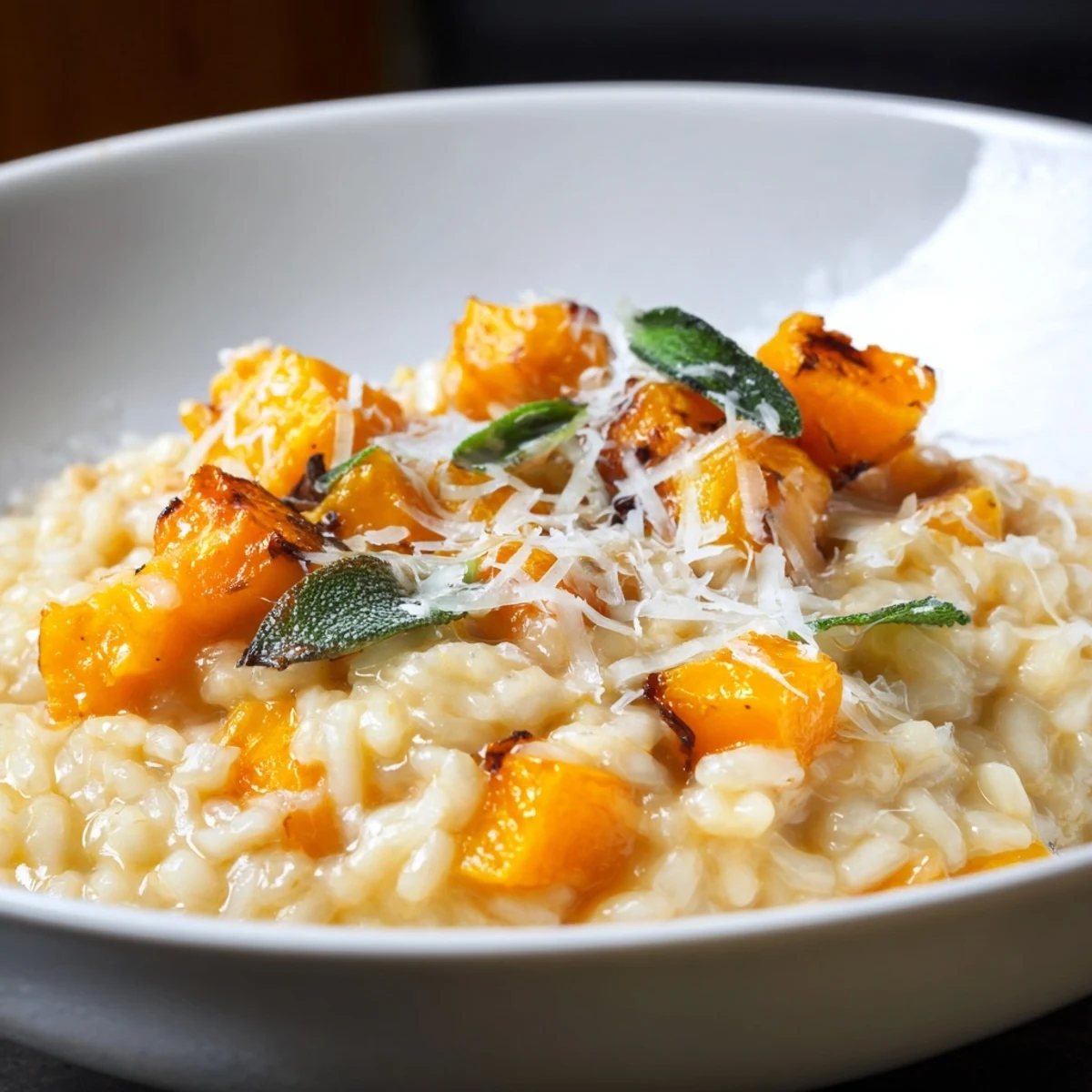
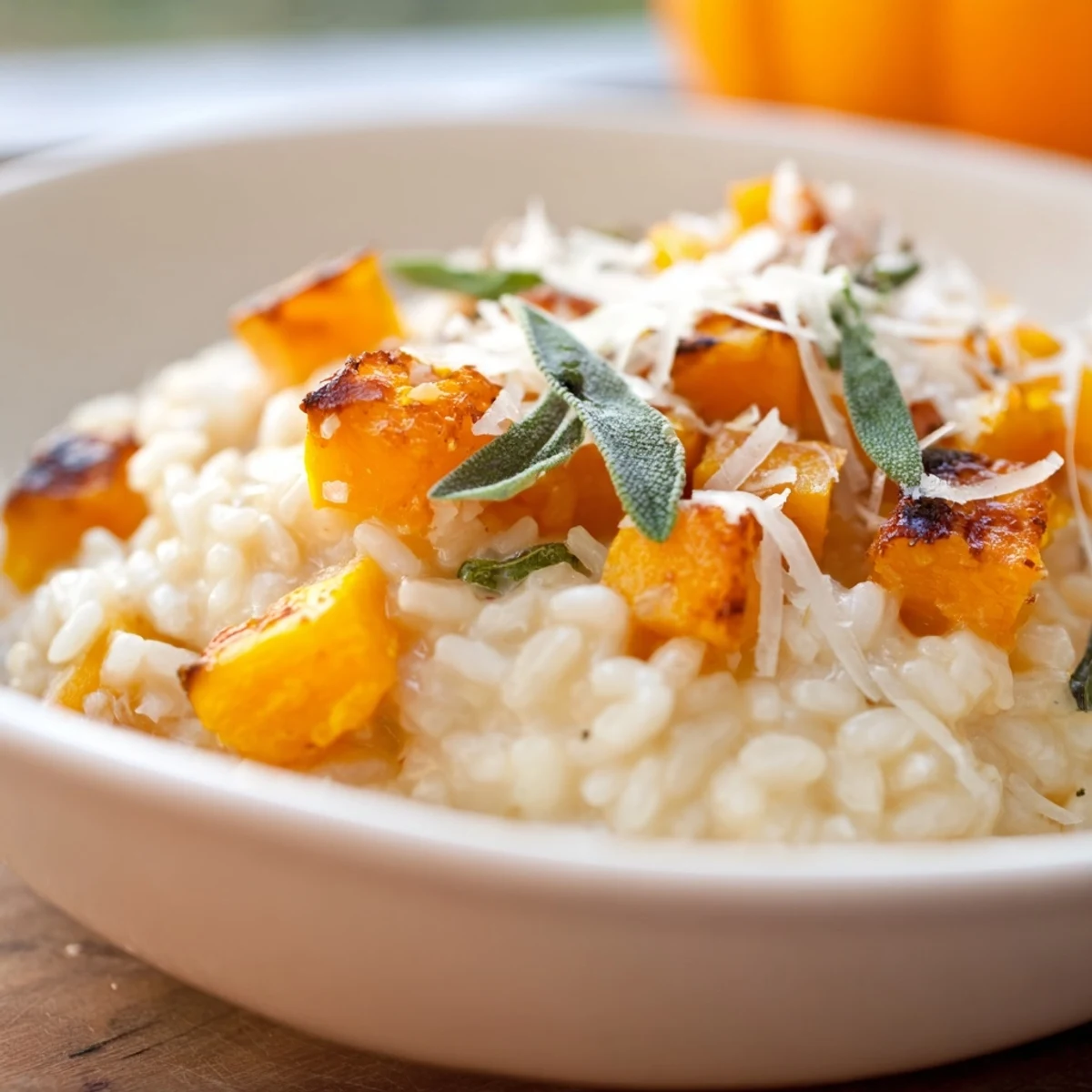
 This dish combines tender roasted butternut squash with creamy Arborio rice, enriched by butter, Parmesan, and fresh sage. The squash is roasted to bring out its natural sweetness, then folded into perfectly cooked rice slowly simmered in vegetable broth. Aromatic onion and garlic form the flavorful base, complemented by a splash of white wine that adds subtle depth. Ideal for a cozy dinner, it offers a velvety texture and balanced flavors, suitable for vegetarians and adaptable for gluten-free or vegan preferences.
There's something about the smell of butternut squash caramelizing in the oven that makes you forget why you were stressed about dinner in the first place. I discovered this risotto on a rainy autumn evening when I had a lonely squash sitting in my kitchen and absolutely no plan. What started as improvisation became the kind of dish that now gets requested by people who swear they don't like risotto, because somehow the sweet, nutty squash and creamy rice convinced them otherwise.
I made this for my sister when she was going through a rough patch, and she sat at my kitchen counter just watching me stir, occasionally asking questions about why risotto needed so much fussing. By the time we ate, she'd stopped overthinking her problems for a moment, and that's when I realized this dish does more than fill your stomach.
Ingredients
- 1 small butternut squash (about 2 lbs), peeled, seeded, and cut into 1/2-inch cubes: The smaller cubes roast evenly and caramelize better than chunky pieces, which I learned by making that mistake once.
- 5 tbsp olive oil and butter (divided): Use good quality olive oil for roasting and unsalted butter so you control the salt level yourself.
- 1 small yellow onion, finely diced: Fine dice means it disappears into the rice and builds flavor rather than showing up in chunks.
- 2 garlic cloves, minced: Fresh garlic is non-negotiable here—it should smell pungent and alive.
- 1 1/2 cups Arborio rice: This specific rice has the starch content that makes risotto creamy; don't substitute with regular rice or you'll be disappointed.
- 1/2 cup dry white wine: The acid cuts through the richness and adds complexity that you can't get any other way.
- 5 cups low-sodium vegetable broth: Keep it warm in a separate pot so each addition goes smoothly into the rice without shocking it.
- 1/2 cup grated Parmesan cheese plus extra for serving: Freshly grated Parmesan melts into the rice like silk; pre-grated has anti-caking agents that prevent that magic.
- 2 tbsp fresh sage or 1 tsp dried: Fresh sage makes this taste like autumn; if you only have dried, use less because it concentrates.
Instructions
- Roast the squash until golden:
- Preheat your oven to 425°F and toss those cubes with olive oil, salt, and pepper until they're evenly coated. Spread them on a baking sheet in a single layer and let them go for 25 to 30 minutes, stirring halfway through, until the edges are caramelized and golden and the insides are tender enough to pierce with a fork.
- Warm your broth gently:
- Pour your vegetable broth into a small saucepan and let it sit over the lowest heat while you prep everything else. Warm broth is crucial because cold broth will cool down your risotto and make it seize up instead of becoming creamy.
- Build the flavor base:
- In a large, heavy-bottomed pot, melt 1 tablespoon of butter with 1 tablespoon of olive oil over medium heat. Add your diced onion and let it cook for 3 to 4 minutes until it's soft and translucent, then add the garlic and cook for just 1 more minute until it becomes fragrant.
- Toast the rice lightly:
- Stir in your Arborio rice and keep stirring for about 2 minutes until you hear a gentle clicking sound and smell a toasted, nutty aroma. This step coats each grain and helps them stay separate while still becoming creamy.
- Add the wine and let it dissolve:
- Pour in your white wine and stir constantly until the rice has absorbed almost all of it. You'll see the liquid disappear into the rice and the pot will smell like a cozy Italian kitchen.
- Add broth gradually, stirring frequently:
- Add your warm broth about 1/2 cup at a time, stirring often. Wait until each addition is almost completely absorbed—you should barely be able to see liquid in the pot—before adding more. This usually takes about 20 minutes total, and you might not need all the broth if your rice reaches the right texture before then.
- Fold in the final ingredients:
- Gently stir in your roasted butternut squash, grated Parmesan, sage, and the remaining 1 tablespoon of butter. Taste it and adjust the salt and pepper until it tastes like comfort in a bowl, then serve immediately while it's still creamy and warm.
 Save Pin
 I'll never forget the moment my friend's eight-year-old asked for seconds of something green-free and vegetable-heavy, and my friend looked at me like I'd performed actual magic. That's when risotto stopped being just a dish I made and became a quiet confidence builder in my kitchen.
Why the Roasting Step Changes Everything
Roasting the squash separately instead of stirring raw pieces into the risotto is the difference between amateur and intentional cooking. When butternut squash caramelizes in the oven, the sugars concentrate and brown edges develop that taste like candy and savory at the same time. If you cooked it in the risotto liquid, it would just soften and disappear into beige mush. The roasted pieces stay distinct little jewels throughout the dish, which means every spoonful surprises you.
Timing and Temperature Matter More Than You Think
Risotto is one of those rare dishes where rushing actually ruins it, but not in a catastrophic way—it just becomes less creamy and more like soupy rice. Medium heat is your friend here because high heat makes the edges cook faster than the insides, and you end up with gritty rice no matter how much you stir. The whole process should feel unhurried, like you're having a quiet conversation with the dish rather than fighting it into submission.
Variations and Next Steps
Once you understand how this risotto works, you can swap the butternut squash for roasted mushrooms, spring peas, roasted tomatoes, or even wild mushrooms if you're feeling adventurous. The technique stays exactly the same, and you'll start to see risotto not as a recipe to follow but as a template for creating whatever your mood and your pantry suggest. Serving this alongside a crisp white wine like Pinot Grigio or even a light rosé will make you feel like you're dining somewhere special, except you're in your own kitchen in comfortable clothes.
- For a vegan version, swap the butter for plant-based butter and use nutritional yeast instead of Parmesan for that savory umami note.
- A handful of toasted pine nuts or walnuts stirred in at the end adds a textural contrast that makes people pause and ask what that crunch is.
- Make sure your broth is truly warm before you start adding it, because this one detail affects everything else about how smoothly the risotto comes together.
 Save Pin
 This risotto is one of those dishes that proves the most meaningful meals don't come from complicated techniques but from patience, good ingredients, and the willingness to show up in your kitchen with intention. Make it once for yourself, then make it for someone you love.
Recipe FAQs
- → How do I roast butternut squash for best flavor?
-
Cut into even cubes, toss with olive oil, salt, and pepper, then roast at 425°F until tender and golden, about 25–30 minutes.
- → What makes Arborio rice ideal for this dish?
-
Arborio rice’s high starch content produces a creamy, velvety texture perfect for slow cooking in broth.
- → Can I substitute the Parmesan cheese?
-
Yes, for vegan options use nutritional yeast or omit it entirely for a dairy-free version.
- → How to ensure the risotto is creamy and not mushy?
-
Add warm broth gradually, stirring frequently, and cook until rice is al dente but creamy in consistency.
- → What herbs complement the roasted squash and rice?
-
Fresh sage adds an earthy aroma, balancing the sweetness of the squash and richness of the cheese.