
 Save Pin
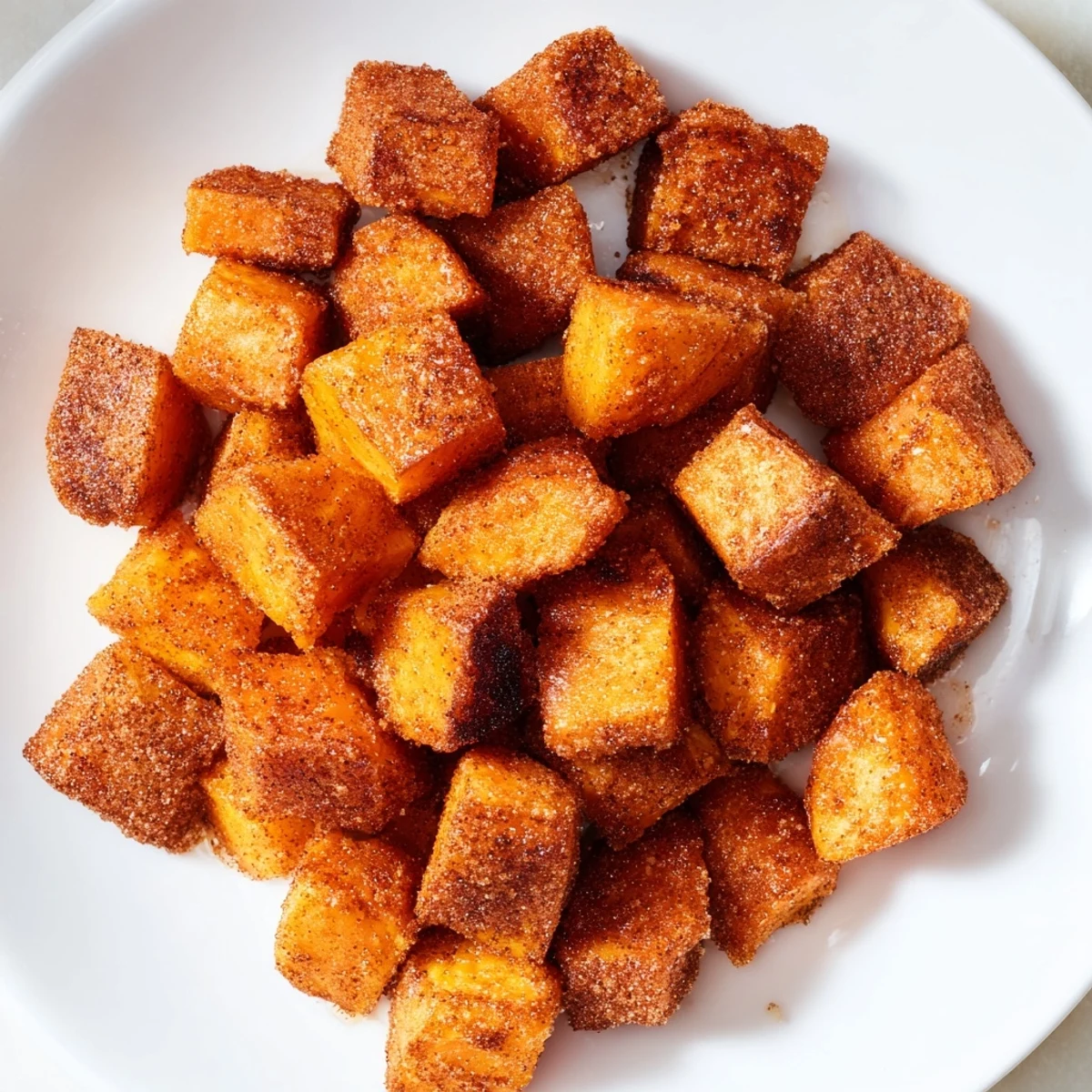
 This dish features sweet potatoes cut into cubes, tossed in olive oil and a cinnamon sugar mixture, then roasted until golden and tender. The cinnamon and sugar blend creates a fragrant, slightly caramelized coating that enhances the natural sweetness of the potatoes. Simple and quick to prepare, it offers a comforting and versatile side suitable for various meals. Optional garnishes like extra cinnamon or fresh herbs add a fresh touch.
There's something about the smell of cinnamon hitting hot sweet potatoes that instantly transforms a regular weeknight into something special. I discovered this combination by accident one autumn evening when I had a handful of sweet potatoes and couldn't decide between making a savory side or something with dessert vibes. The solution was right there in my spice cabinet, and forty minutes later, I had something so good that it became the dish people now ask me to bring to every gathering. It's the kind of recipe that feels like cheating because it tastes like you fussed, but honestly, you just tossed and roasted.
I made this for my sister's potluck last October, and I remember standing in her kitchen listening to people actually go back for seconds of a sweet potato dish—something I never thought would happen. There was this moment when her partner came up and asked if I'd put butter in them because they were so silky, and I just laughed and said it was all about the oil and heat. That's when I realized this recipe works because it respects the sweet potato itself, doesn't try to hide what it is, just enhances it.
Ingredients
- Sweet potatoes (900 g / 2 lbs, peeled and cubed): Cut them into roughly ¾-inch pieces so they caramelize on the outside before the insides get too soft—uniform sizing is your secret weapon here.
- Olive oil (2 tbsp): This coats every piece and helps that cinnamon sugar actually stick and caramelize instead of just sitting on top like dust.
- Granulated sugar (2 tbsp): Brown or coconut sugar works too if you want deeper molasses notes, but plain sugar gives you that crystalline crunch I love.
- Ground cinnamon (1½ tsp): Fresh from a new jar tastes noticeably different—stale cinnamon just fades into the background.
- Fine sea salt (¼ tsp): This isn't about making it salty; it's about making the cinnamon and sugar taste like themselves.
Instructions
- Heat your oven and prep:
- Preheat to 220°C (425°F) and line a baking sheet with parchment paper. This temperature is hot enough to caramelize but not so hot that the outsides burn before the insides soften.
- Coat the sweet potatoes:
- In a large bowl, toss the cubed sweet potatoes with olive oil until every piece glistens. This step takes about a minute and makes a real difference in how evenly they brown.
- Mix your spice blend:
- In a small bowl, whisk together the sugar, cinnamon, and salt. Mixing them first prevents clumpy cinnamon pockets—trust me, I've learned this the hard way.
- Season and toss:
- Sprinkle the cinnamon mixture over the oiled sweet potatoes and toss until everything is evenly coated and you can barely see the orange underneath. This takes patience but matters.
- Spread and roast:
- Arrange the sweet potatoes in a single layer on your baking sheet—crowding the pan steams them instead of roasting them, so give them room to breathe.
- Finish strong:
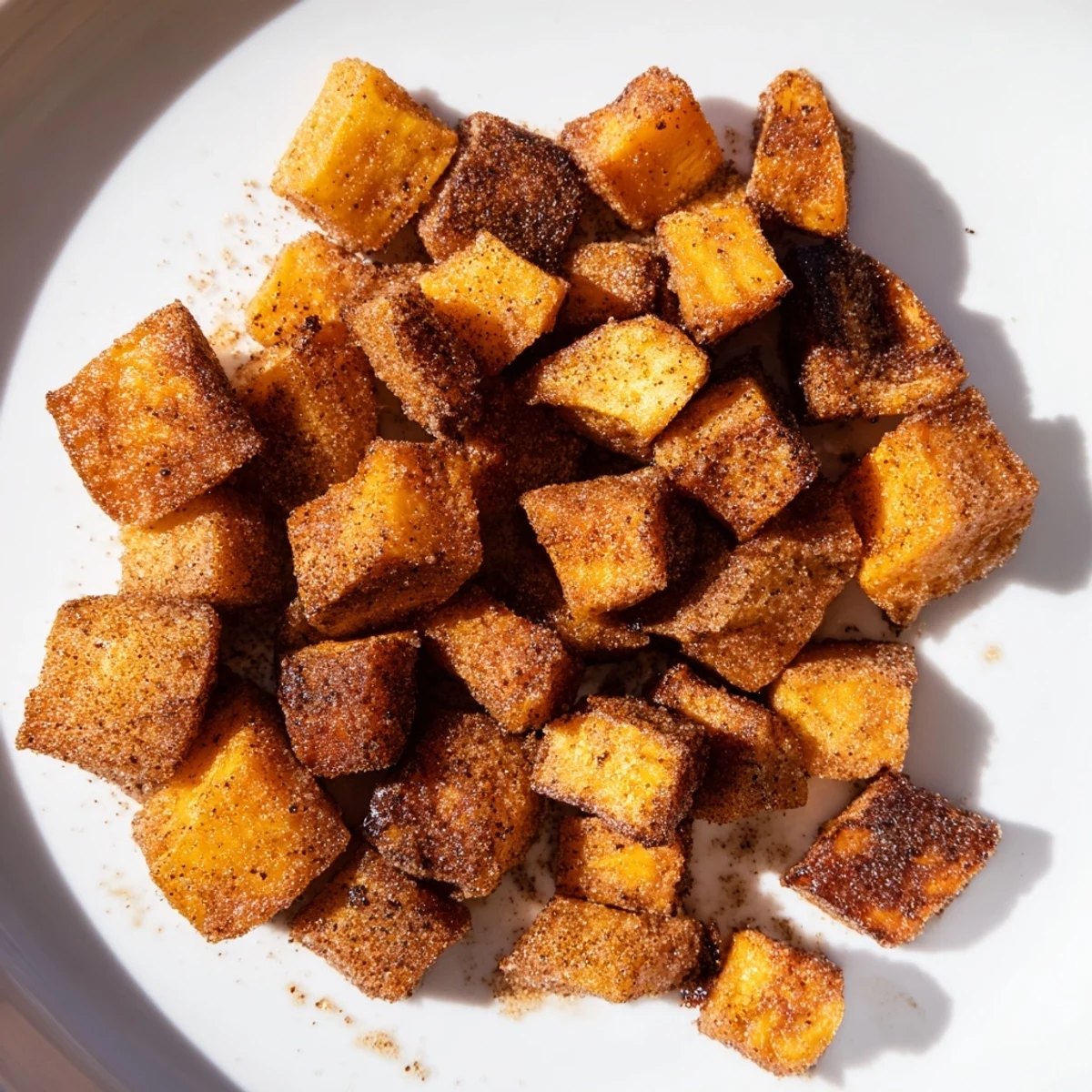
- Roast for 25–30 minutes, turning everything over with a spatula about halfway through. You're looking for golden-brown edges and a fork-tender center.
 Save Pin
 Years ago, I brought a batch of these to a holiday dinner where someone was trying to cut back on sugar, and I watched them eat three portions anyway because they forgot to worry about it. That moment taught me that good food made simply is its own kind of gift, and sometimes the best dishes are the ones that don't ask for anything fancy or complicated.
The Magic of High Heat
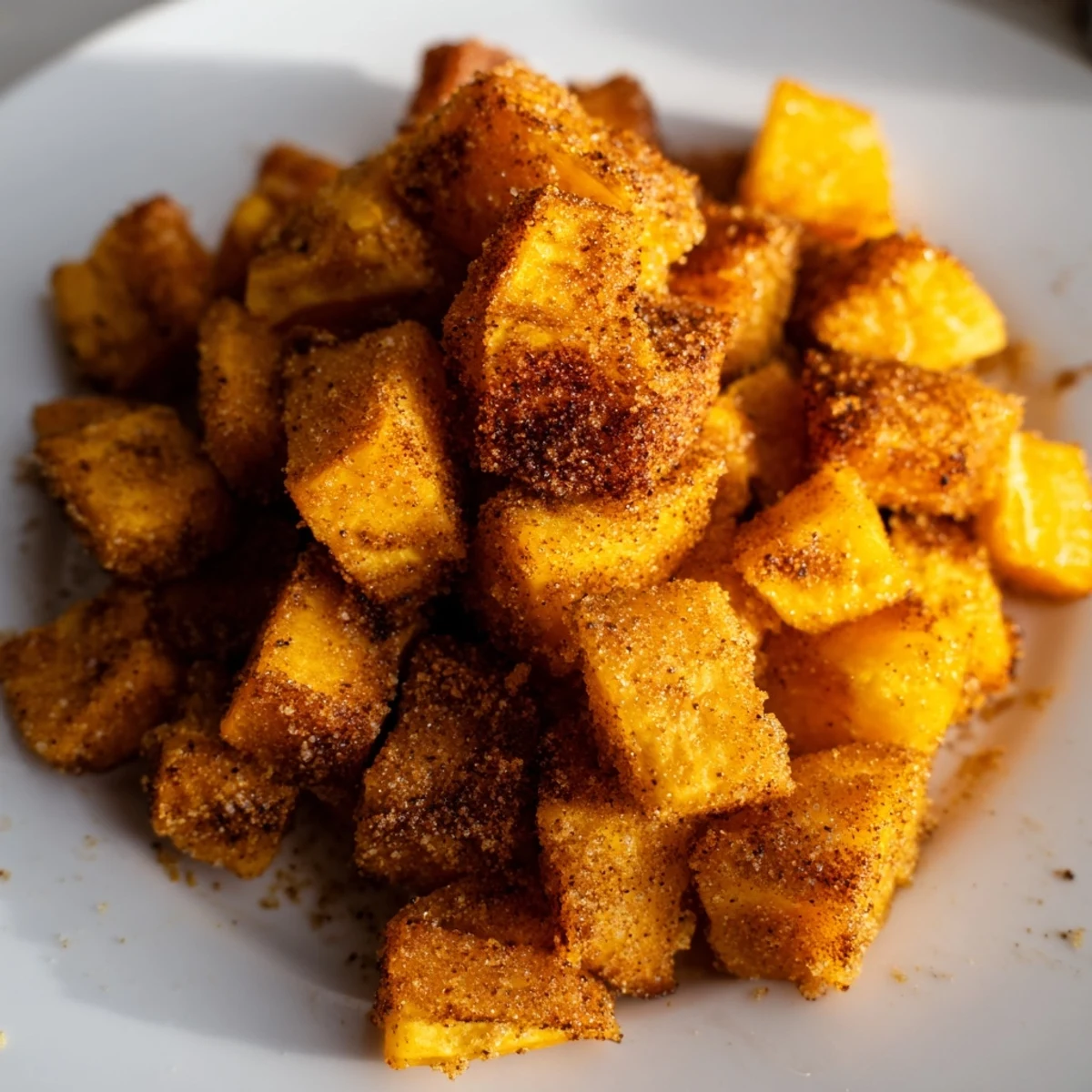
This recipe lives and dies by oven temperature and the Maillard reaction—that's just the fancy name for what happens when sugar and heat meet and create those gorgeous golden-brown edges. I used to roast at lower temperatures because I was afraid of burning things, and the sweet potatoes would come out steamed and pale. Once I bumped the heat up, everything changed; you get these little crispy, caramelized bits that taste almost nutty alongside the creamy center. The cinnamon actually toasts into the surface instead of just sitting on top.
Why This Works as a Side Dish
I've served these alongside roasted chicken, with grilled pork chops, even stirred into grain bowls, and they work every single time because they're sweet without being dessert-y. The cinnamon adds warmth and spice that feels natural rather than forced, and the simplicity means they never compete with whatever else is on the plate. They're also one of those dishes that tastes great hot, warm, or even at room temperature the next day if you have leftovers, which is rare.
Variations and Swaps
I've played with this recipe more times than I can count, and it's forgiving in a way that makes it fun to experiment with. Sometimes I add a tiny pinch of nutmeg or ginger to the spice blend, or I drizzle maple syrup over the top after roasting instead of mixing it with the sugar for a glossier finish. If you're out of cinnamon, even just salt and a brush of oil roasts beautifully, letting the sweet potato's natural caramelization speak for itself.
- Try a sprinkle of fresh thyme or rosemary after roasting for an herbaceous twist that sounds wild but works.
- Coconut oil instead of olive oil brings a subtle richness that pairs especially well with the cinnamon.
- A squeeze of fresh lime juice right before serving brightens everything and cuts through the sweetness in the best way.
 Save Pin
 This is the kind of recipe that sneaks into your rotation and never leaves. There's real magic in how something so humble can taste so good.
Recipe FAQs
- → What type of sweet potatoes work best?
-
Firm, medium-starch sweet potatoes are ideal as they roast evenly and hold their shape well.
- → Can I substitute the sugar with alternatives?
-
Yes, coconut sugar or maple syrup can be used to add different flavor depths and sweetness.
- → How do I achieve extra caramelization?
-
Increase the oven temperature for the last five minutes of roasting to enhance browning and caramelization.
- → What oil is recommended for roasting?
-
Olive oil is preferred for its flavor, but melted coconut oil is a suitable alternative.
- → Are there any suggested pairings?
-
This side pairs excellently with roasted meats like chicken or pork and complements grain bowls well.