
 Save Pin
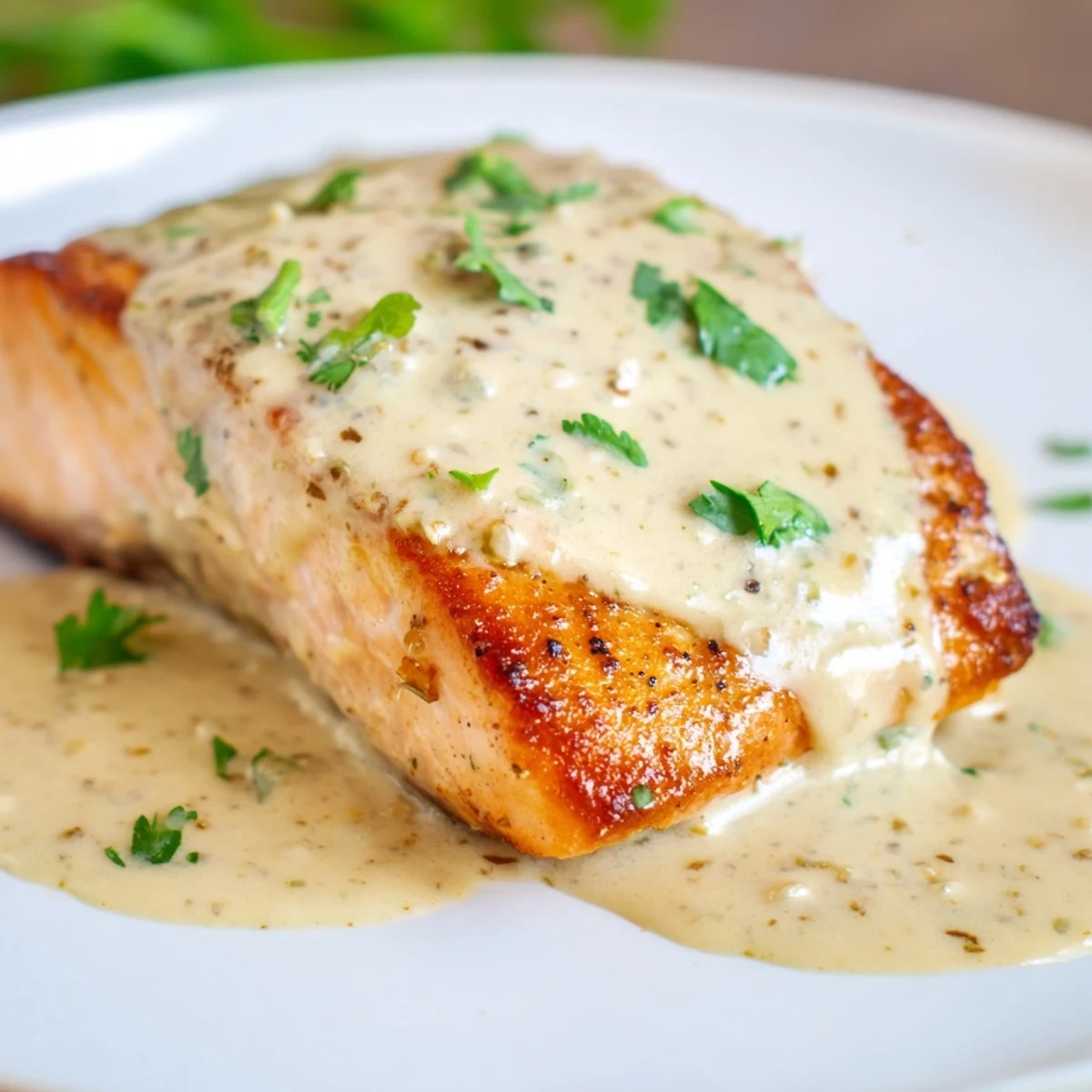
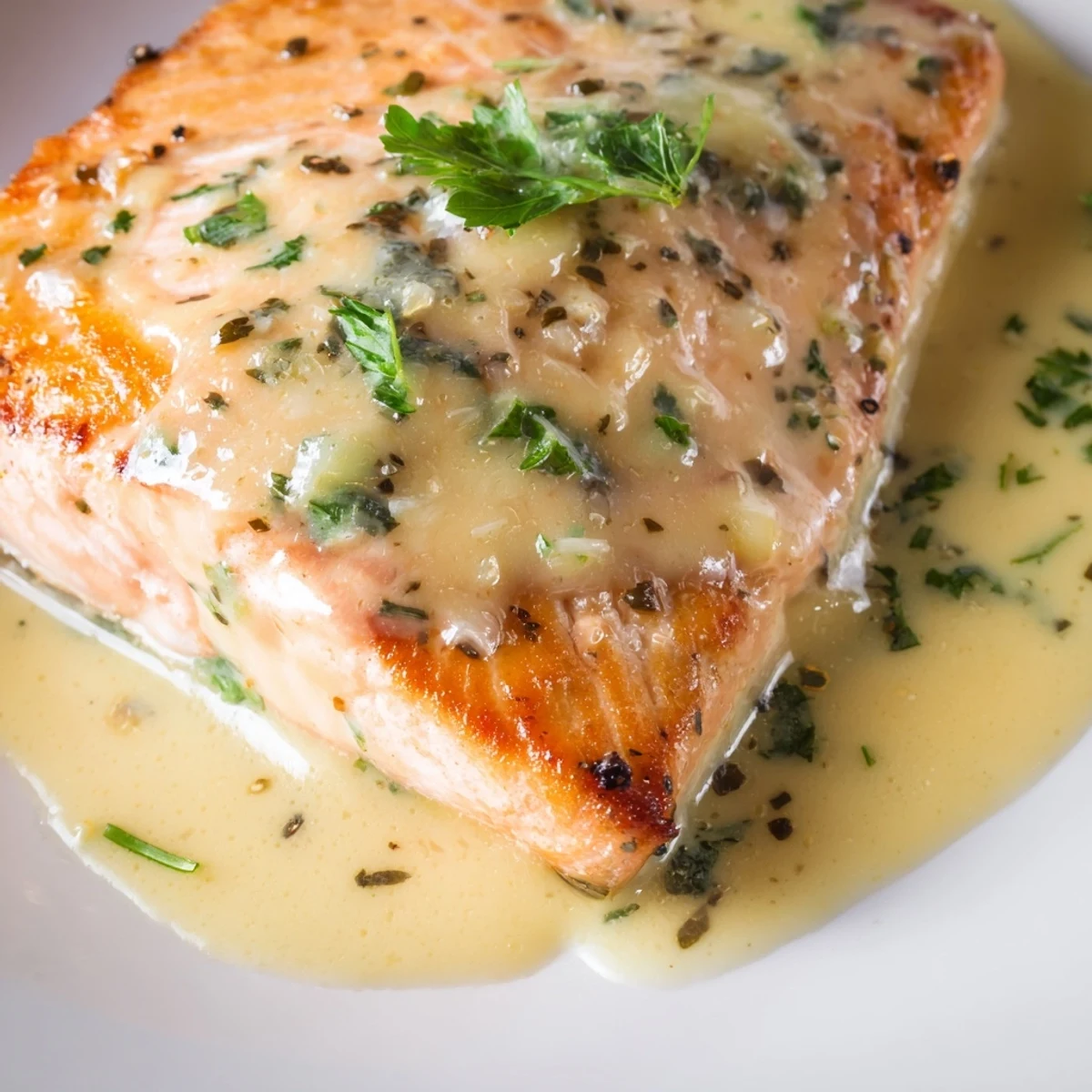
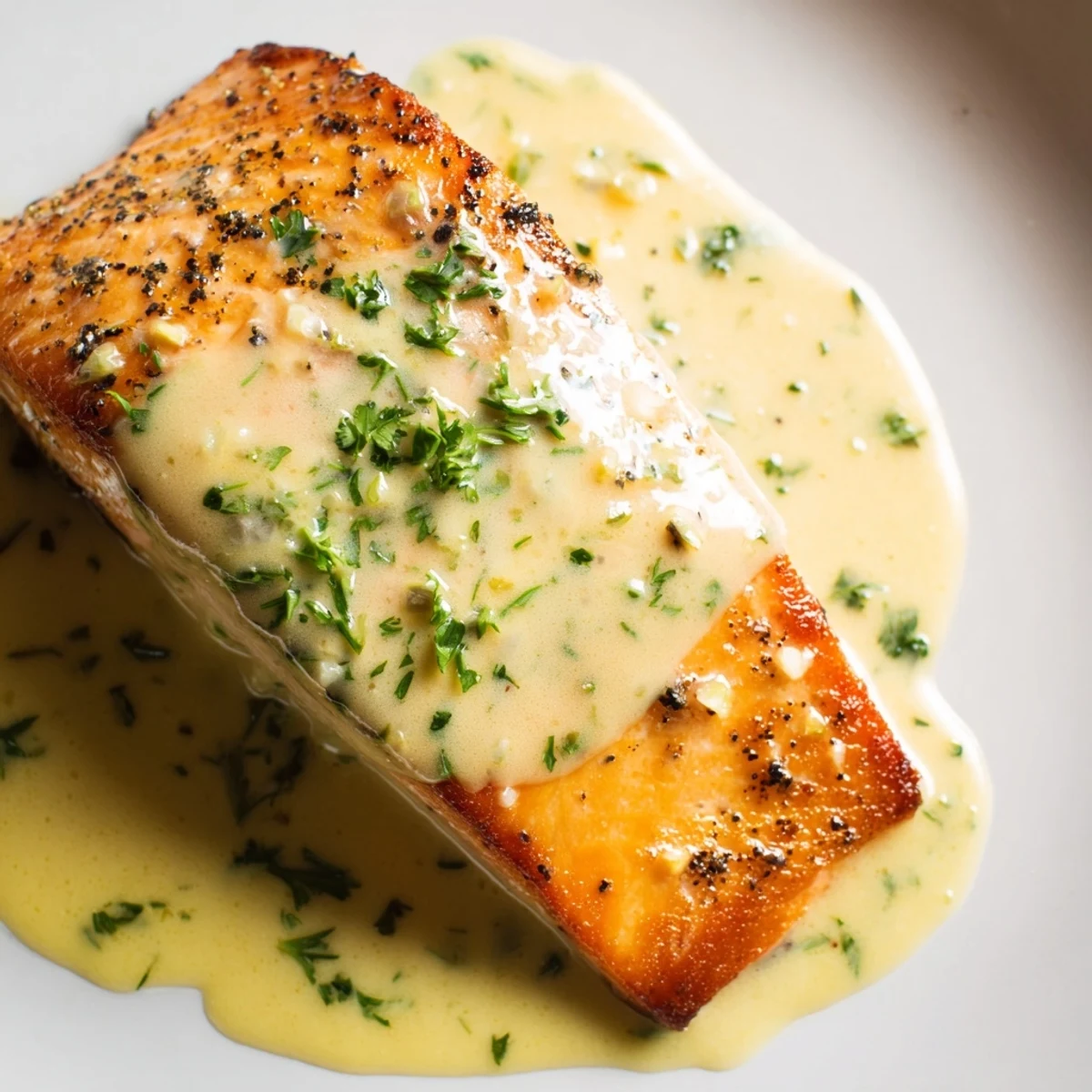
 This elegant yet approachable dish features perfectly pan-seared salmon fillets with a golden crust, enveloped in a velvety lemon cream sauce. The bright citrus notes from fresh lemon zest and juice balance beautifully with rich heavy cream and a hint of Dijon mustard, while fresh parsley adds color and freshness.
Ready in just 30 minutes with only 10 minutes of active preparation, this versatile main course works equally well for casual weeknight dinners as it does for entertaining guests. The sauce comes together in the same skillet, making cleanup effortless while ensuring every drop of flavor is captured.
The sound of salmon hitting a hot skillet is one of those kitchen moments that makes everything else fade away. I discovered this lemon cream sauce on a rainy Tuesday when the fridge held nothing but cream, a lone lemon, and four salmon fillets I had almost forgotten about. That accidental dinner became the most requested meal in my house, and honestly I stopped trying to make anything else impressive after that. It just works every single time.
My friend Laura walked in while I was making this once and stood over the stove inhaling the garlic and lemon steam like it was aromatherapy. She now texts me every other week asking for the recipe even though I have sent it to her at least six times. Some dishes just create that kind of loyalty.
Ingredients
- 4 skinless salmon fillets (about 170 g each): Try to get fillets of similar thickness so they cook evenly and nothing dries out while you wait for the thickest piece to finish.
- 2 tablespoons butter: Unsalted butter gives you control over the seasoning and adds a nutty foundation to the sauce.
- 2 cloves garlic, minced: Fresh garlic matters here because it gets sauteed briefly and that raw to golden transition is where the sweetness lives.
- 1 cup heavy cream: This is the body of the sauce and nothing else will give you that same silky coating so do not be tempted to swap it out unless you must.
- Zest of 1 lemon: The zest carries aromatic oils that juice alone cannot provide and it makes the sauce smell incredible.
- 2 tablespoons fresh lemon juice: Fresh squeezed only because the bottled stuff has a metallic edge that throws off the balance.
- 1 teaspoon Dijon mustard: This is the secret ingredient that makes people wonder what is in the sauce without being able to name it.
- 2 tablespoons fresh parsley, chopped: Parsley at the end adds a fresh color and a grassy note that cuts through the richness.
- Salt and freshly ground black pepper: Season in layers throughout the process rather than all at once at the end.
- 1 tablespoon olive oil: A neutral high heat oil works too but olive oil adds a subtle fruitiness to the sear.
Instructions
- Prep the Salmon:
- Pat each fillet thoroughly dry with paper towels and season both sides generously with salt and pepper. Dry salmon means a better crust and there is no way around that step so do not skip it.
- Sear the Fillets:
- Heat olive oil in a large nonstick skillet over medium high heat until it shimmers then lay the salmon in gently starting with the presentation side down. Cook for four to five minutes per side until you see a golden edge creeping up the sides then flip carefully and finish cooking to your preferred doneness.
- Rest the Salmon:
- Transfer the fillets to a warm plate and tent loosely with foil while you build the sauce. They will continue cooking slightly from residual heat so pull them just before they look done.
- Start the Sauce:
- Reduce the heat to medium and melt the butter in the same skillet letting it pick up all the fond left behind by the salmon. Add the minced garlic and stir for about one minute until your kitchen smells impossibly good.
- Build the Cream Base:
- Pour in the heavy cream and bring it to a gentle simmer stirring to incorporate every bit of flavor from the bottom of the pan. Add the lemon zest, lemon juice, and Dijon mustard then let it bubble for three to four minutes until it coats the back of a spoon.
- Finish the Sauce:
- Stir in the chopped parsley and taste for salt and pepper adjusting until the sauce sings. The parsley should be added off heat or right at the end so it stays bright green and fresh tasting.
- Bring It All Together:
- Return the salmon to the skillet and spoon the sauce over the top letting everything simmer together for two to three minutes. Serve immediately with extra parsley and lemon slices if you are feeling fancy.
 Save Pin
 The first time I served this to my mother she closed her eyes after the first bite and told me I had finally learned to cook. Coming from a woman who expresses love through lasagna and gentle criticism that was the highest compliment I could receive.
What to Serve Alongside
Mashed potatoes are the obvious choice because they give the cream sauce something to sink into but steamed green beans or roasted asparagus work just as well. I have also served this over a bed of buttery rice on nights when I wanted the sauce to really stretch. A loaf of crusty bread on the table guarantees nothing goes to waste.
Making It Lighter
Half and half can stand in for heavy cream if you reduce it a little longer and accept that the sauce will be slightly thinner. I have tried it with coconut cream too and while the flavor shifts it is still genuinely delicious in its own way. The key is managing expectations and not hoping for the same velvety texture.
A Few Last Thoughts
This recipe has a way of turning ordinary evenings into something worth remembering. Keep these final points in mind and you will be just fine.
- A splash of white wine deglazed into the pan before the cream adds a layer of complexity that is completely worth trying.
- Leftovers reheat gently in a skillet over low heat with a splash of water to loosen the sauce.
- Pair this with a crisp Sauvignon Blanc and you have a meal that could rival any restaurant.
 Save Pin
 Some recipes earn a permanent spot in your rotation not because they are flashy but because they deliver every single time without asking too much of you. This is that recipe and I hope it becomes yours too.
Recipe FAQs
- → What temperature should I cook salmon to?
-
Cook salmon to an internal temperature of 145°F (63°C) for medium doneness. The fillets should flake easily with a fork and appear opaque throughout.
- → Can I use frozen salmon fillets?
-
Yes, thaw frozen salmon in the refrigerator overnight before cooking. Pat them thoroughly dry with paper towels before seasoning to ensure proper searing.
- → How do I prevent the cream sauce from curdling?
-
Keep the heat at medium or lower when adding cream, and avoid boiling vigorously. Stir continuously and add cream gradually while the pan isn't too hot.
- → What sides pair well with this salmon?
-
Steamed asparagus, roasted broccoli, fluffy rice, mashed potatoes, or crusty bread all complement the creamy sauce beautifully.
- → Can I make the sauce ahead of time?
-
The sauce is best made fresh but can be kept warm for up to 30 minutes. If it thickens too much, add a splash of cream or warm water to reach desired consistency.