
 Save Pin
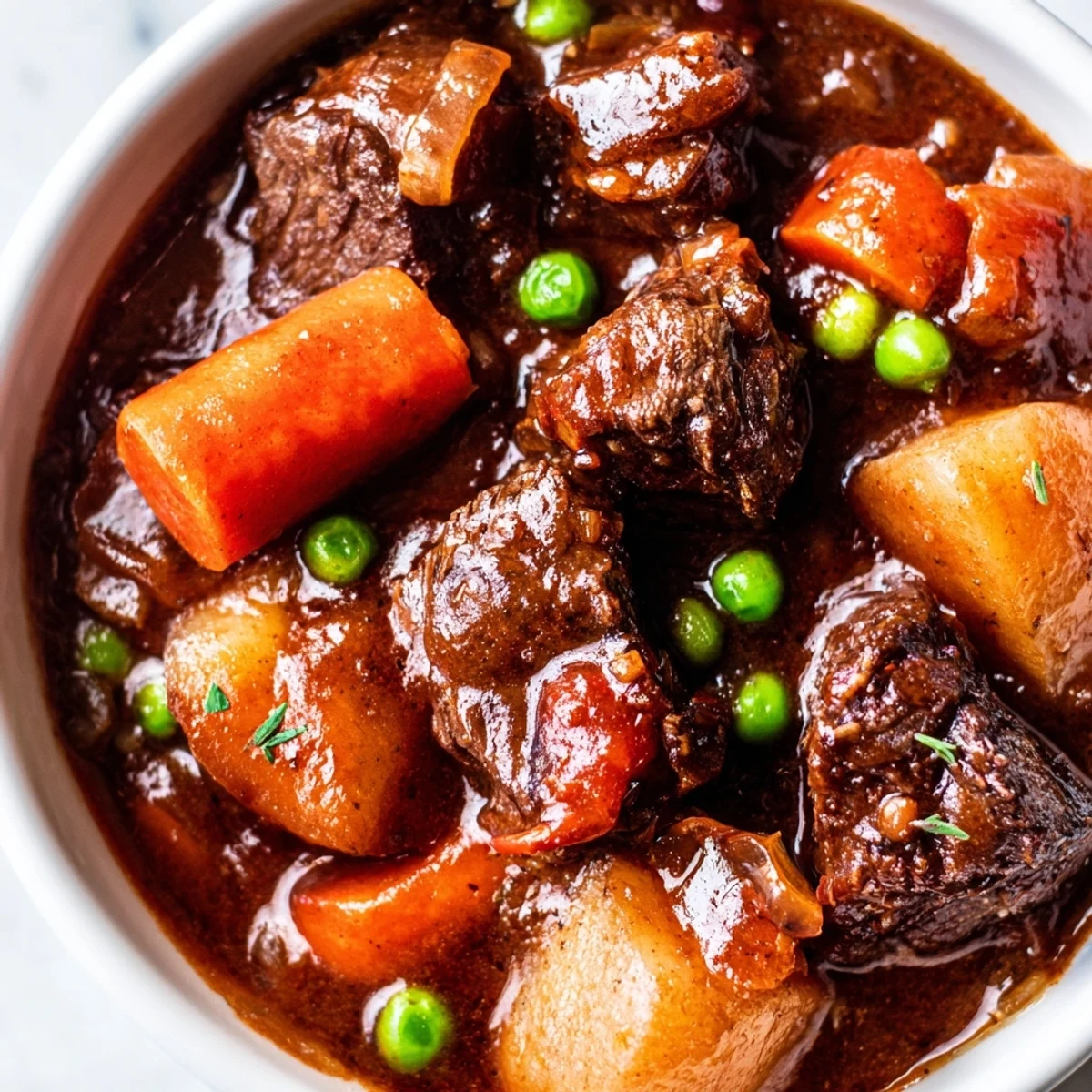
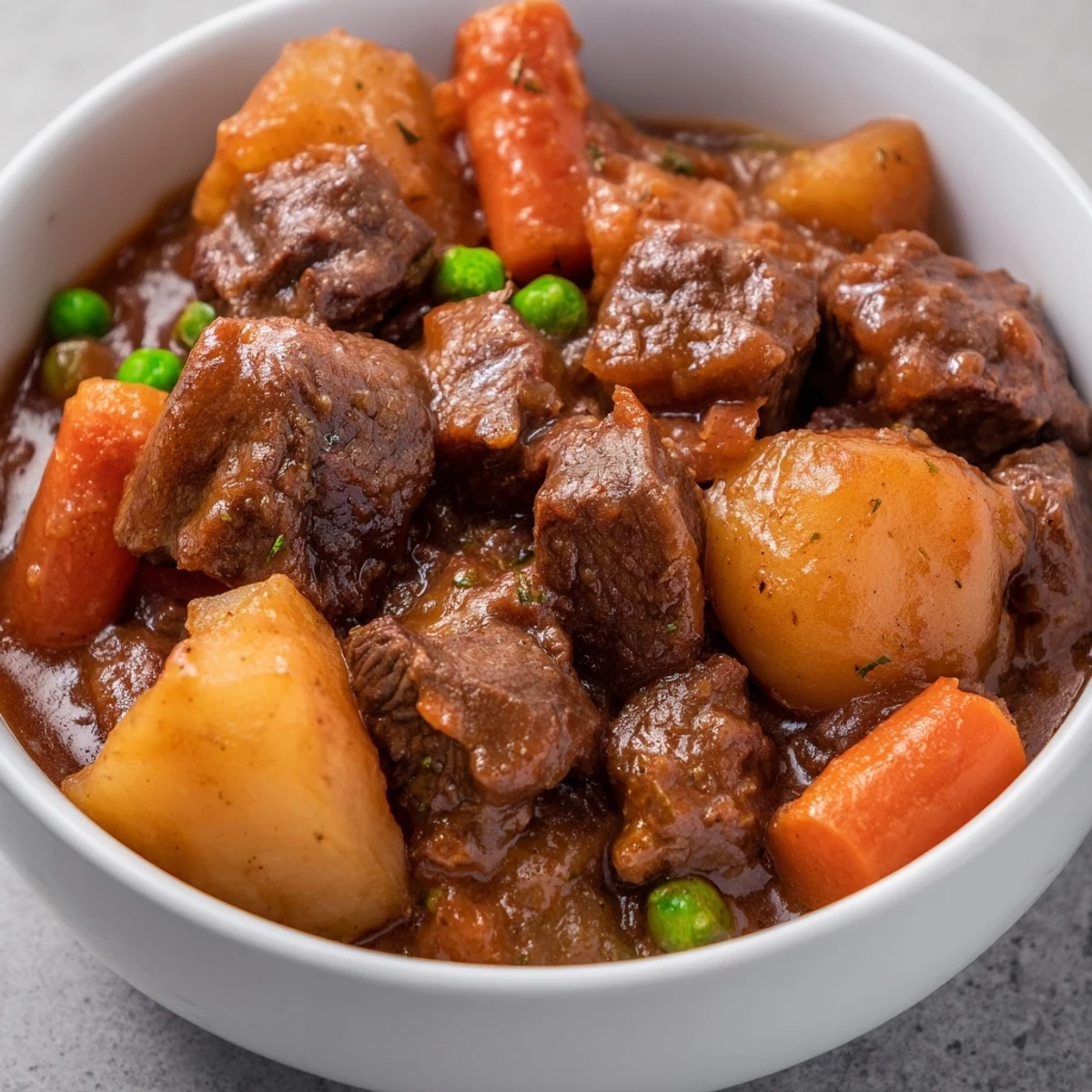
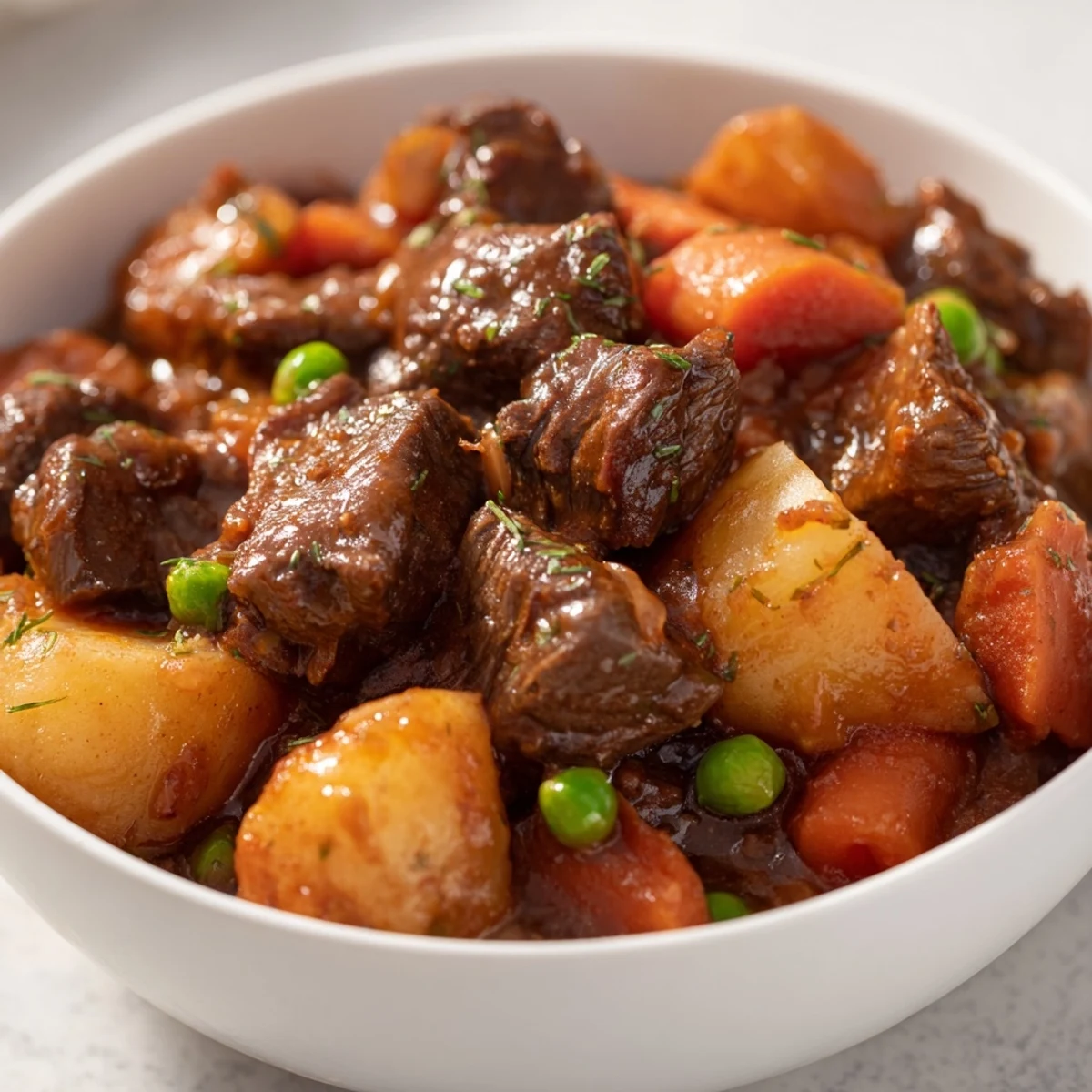
 Experience the warmth of tender beef cubes combined with carrots, potatoes, celery, and aromatic herbs slowly cooked until meltingly tender. The rich broth, enhanced by tomato paste and optional red wine, infuses every bite with deep, savory flavor. This hearty dish is thickened just before serving, creating a comforting and satisfying meal perfect for any gathering.
My mother kept a slow cooker on the kitchen counter year-round, and on cold Sundays she'd load it with beef and vegetables before church, filling the house with the most patient, forgiving aroma by the time we got home. I was fascinated by how little attention it demanded—just some quick searing, a tumble of ingredients, and hours of gentle heat doing the real work. Years later, I realized that meal taught me something essential about cooking: sometimes the best flavors come not from fuss, but from time and trust.
I made this for my partner on a rainy October afternoon when neither of us felt like leaving the house, and there's something deeply satisfying about opening the slow cooker to a cloud of steam and knowing exactly what you're about to eat. The timing worked out perfectly—we tore into crusty bread and bowls of stew just as the light outside started to fade, and that meal turned an ordinary day into something we still talk about.
Ingredients
- Beef chuck (2 lbs, cut into 1-inch cubes): Chuck is the workhorse cut for stew—marbled with fat and connective tissue that breaks down into gelatin, giving you that silky, satisfying mouthfeel.
- Carrots (3 large, peeled and sliced): They sweeten as they cook and practically dissolve into the broth, so don't worry about them turning mushy.
- Potatoes (3 medium, peeled and diced): These should be cut into roughly the same size as your beef so everything finishes cooking at once.
- Celery (2 stalks, sliced): The quiet backbone of flavor that most people don't notice but definitely taste.
- Onion (1 large, chopped): It mellows completely over eight hours, becoming part of the savory foundation rather than something you bite into.
- Garlic (3 cloves, minced): Add it raw at the beginning—the long cook transforms it into something sweet and mild.
- Frozen peas (1 cup): Stirred in near the end to keep their bright color and just-tender texture.
- Beef broth (4 cups): Use good broth if you can; it makes a difference in the final taste.
- Tomato paste (2 tbsp): A spoonful adds umami depth without making the stew taste tomatoey.
- Worcestershire sauce (1 tbsp): That funky fermented flavor is the secret weapon nobody explicitly notices but everyone loves.
- Dry red wine (1 cup, optional): It rounds out the flavors and adds a subtle complexity; substitute with more broth if you prefer.
- Dried thyme and rosemary (1 tsp each): Dried herbs actually work better here than fresh because they hold up to the long cooking without losing character.
- Bay leaves (2): Remember to fish these out before serving—nobody wants to bite into one.
- Cornstarch or gluten-free flour (2 tbsp): Mixed with water, this thickens the broth just enough in the final half hour.
- Olive oil (2 tbsp): For searing the beef until it's deeply golden on the edges.
- Salt and black pepper: Season the beef before searing and taste again at the end.
Instructions
- Season and sear the beef:
- Pat the beef cubes dry (this helps them brown better) and sprinkle generously with salt and pepper. Heat the oil in a large skillet until it shimmers, then sear the beef in batches—don't crowd the pan or it'll steam instead of brown.
- Build the base:
- Transfer the browned beef to your slow cooker, then add the carrots, potatoes, celery, onion, and garlic in a loose pile. Whisk together the broth, tomato paste, Worcestershire sauce, and wine in a bowl, then pour over everything.
- Season and set:
- Scatter the thyme, rosemary, and bay leaves over the top, give it a gentle stir, and cover. Cook on low for 8 hours (or high for 4 to 5 hours if you're in a hurry).
- Thicken and finish:
- About 30 minutes before you want to eat, whisk the cornstarch with water until smooth, then stir it into the stew along with the frozen peas. Cover and cook for that final 30 minutes until the broth turns glossy and thickens.
- Taste and serve:
- Fish out the bay leaves, taste the broth, and adjust the seasoning one more time. Serve in deep bowls with crusty bread or over mashed potatoes.
 Save Pin
 The first time I served this to people I'd just met, I was nervous it wouldn't be impressive enough—no complicated techniques, no fancy plating. But watching them slow down mid-conversation to really taste what was in the bowl, seeing someone ask for seconds while still working through their first bowl, that's when I understood that comfort food has its own kind of elegance.
Why Low and Slow Works Here
A slow cooker isn't lazy cooking; it's smart cooking. The low, steady heat breaks down the tough muscle fibers in chuck into something tender without drying it out the way high heat would. Meanwhile, the vegetables release their sugars and vitamins into the broth, and all those flavors have hours to get to know each other and meld. You're not rushing chemistry—you're letting it happen at its own pace.
Making It Your Own
The skeleton of this recipe is flexible enough to bend with what you have on hand or what you're craving. Parsnips or turnips can replace some of the potatoes for earthiness, or swap in mushrooms for a deeper umami note. Some people swear by a splash of balsamic vinegar at the end, others add a pinch of cinnamon. The point is that this stew is forgiving enough to handle your experiments.
Serving and Storing
This stew tastes even better the next day once the flavors have settled, so it's perfect for batch cooking on a weekend. Store leftovers in an airtight container in the fridge for up to four days, or freeze in portions for up to three months. Reheat gently on the stovetop, adding a splash of broth if it's thickened too much.
- Serve alongside crusty bread, egg noodles, mashed potatoes, or over rice depending on your mood.
- A simple green salad on the side cuts through the richness and brightens the whole plate.
- Leftover stew makes an unexpectedly good filling for a meat pie or between two slices of toasted bread the next day.
 Save Pin
 There's something grounding about a bowl of beef stew on a cold day, the kind of meal that makes you feel looked after. Make this once and you'll understand why it's been a kitchen staple for generations.
Recipe FAQs
- → What cut of beef works best for slow cooking?
-
Beef chuck is ideal as it has enough marbling to become tender and flavorful after long, slow cooking.
- → Can I substitute vegetables in this dish?
-
Yes, parsnips or turnips can be used instead of some potatoes for a different root vegetable flavor.
- → How do I thicken the stew broth?
-
Mix cornstarch or gluten-free flour with water to create a slurry, then stir it into the stew about 30 minutes before it's done.
- → Is red wine necessary for flavor?
-
Red wine adds depth, but it can be replaced with extra beef broth for an alcohol-free version without sacrificing richness.
- → Should I use fresh or dried herbs?
-
Both work well; if using fresh, double the quantity of thyme and rosemary to maintain flavor intensity.