
 Save Pin
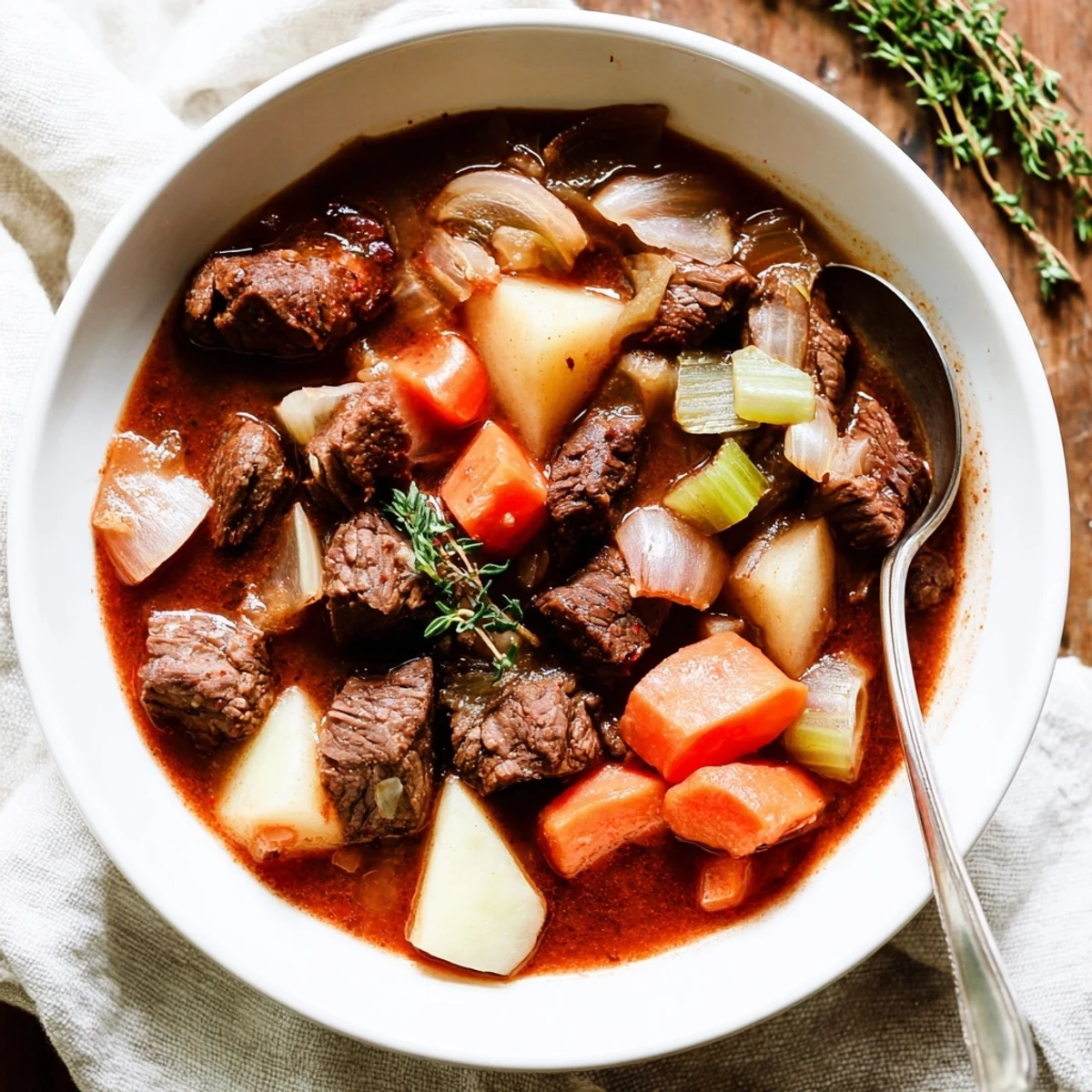
 Spezzatino Di Manzo represents Italian comfort at its finest—tender beef chuck slowly braised with root vegetables, garlic, and herbs in a red wine-enriched sauce. The two-hour simmer transforms tough meat into melt-in-your-mouth tenderness while creating a luxurious, thickened gravy that clings beautifully to rustic bread or creamy polenta. This traditional dish develops even deeper flavors when prepared ahead, making it ideal for entertaining or family meals throughout the week.
The rain was hammering against the kitchen window so hard that afternoon that I abandoned all plans to leave the house and started rummaging through the fridge instead. A piece of beef chuck caught my eye, and before I knew it I was cubing it on the board while my neighbor's radio drifted through the wall playing some old Italian ballad. That is how my obsession with spezzatino di manzo began, not in some sun drenched trattoria but in a cramped apartment on a grey Tuesday.
I made this for my cousin the night she moved into her new place and there was no furniture yet so we ate it cross legged on the floor with wooden spoons straight from the pot. She stopped mid bite, looked at me with wide eyes, and said the sauce tasted like it had been simmering for a whole generation. We laughed until we nearly spilled everything.
Ingredients
- 800 g beef chuck, cut into 3 cm cubes: Chuck has the perfect balance of fat and connective tissue that melts during the long braise and keeps every bite tender and juicy.
- 2 medium onions, finely chopped: Onions form the sweet aromatic backbone of the entire stew so do not rush cooking them down.
- 2 carrots, sliced: They add natural sweetness that balances the acidity of the wine and tomato.
- 2 celery stalks, sliced: Celery brings a subtle earthy depth that you will miss if you skip it.
- 2 medium potatoes, peeled and cubed: Potatoes soak up the braising liquid and thicken the sauce beautifully as they break down.
- 2 garlic cloves, minced: Fresh garlic stirred in late keeps its perfume sharp and alive.
- 250 ml dry red wine: A Sangiovese or Chianti works wonders here and whatever is left in the bottle pairs perfectly with dinner.
- 500 ml beef stock: Homemade stock is ideal but a good quality shop bought one works fine too.
- 2 tbsp tomato paste: This concentrated hit of umami gives the stew its deep rusty color and rounds out the flavor.
- 2 tbsp olive oil: A good glug of extra virgin makes all the difference in building flavor from the very first step.
- 2 bay leaves: They quietly perfume the whole pot from underneath so never forget to fish them out before serving.
- 1 sprig fresh rosemary: Fresh rosemary adds a piney warmth that dried simply cannot replicate.
- 1 tsp dried thyme: A small but mighty herb presence that ties everything together.
- Salt and freshly ground black pepper, to taste: Season gradually and taste as you go because the liquid reduces and concentrates over time.
Instructions
- Sear the beef with confidence:
- Heat the olive oil in a large heavy bottomed pot over medium high heat and brown the beef in batches until every side has a deep golden crust. Do not crowd the pot or the meat will steam instead of sear, and that caramelized exterior is where half the flavor lives.
- Build the vegetable foundation:
- Lower the heat to medium and tumble the onions, carrots, and celery into the same pot. Scrape up every last brown bit stuck to the bottom because that is concentrated flavor waiting to be rescued, and cook for about five minutes until the onions turn translucent.
- Wake up the garlic and tomato paste:
- Stir in the minced garlic and tomato paste and let them cook together for two minutes until your kitchen smells impossibly inviting. The paste will darken slightly and that color change means its sugars have caramelized.
- Let the wine work its magic:
- Pour in the red wine and scrape the pot thoroughly as the liquid bubbles and reduces by half, which should take about five minutes. This step burns off the harsh alcohol while leaving all the rich grape flavor behind.
- Bring everything home:
- Return the seared beef to the pot and add the potatoes, beef stock, bay leaves, rosemary sprig, thyme, salt, and pepper. Give everything a gentle stir so the meat is mostly submerged and the herbs are distributed throughout.
- Let time do the heavy lifting:
- Bring the stew to a gentle simmer then cover the pot and reduce the heat to low. Let it bubble away quietly for two hours, stirring every now and then, until the beef yields to the press of a spoon and the sauce coats it like velvet.
- Finish with care:
- Remove and discard the bay leaves and rosemary sprig, then taste the sauce and adjust the salt and pepper as needed. Ladle into warm bowls and serve immediately.
 Save Pin
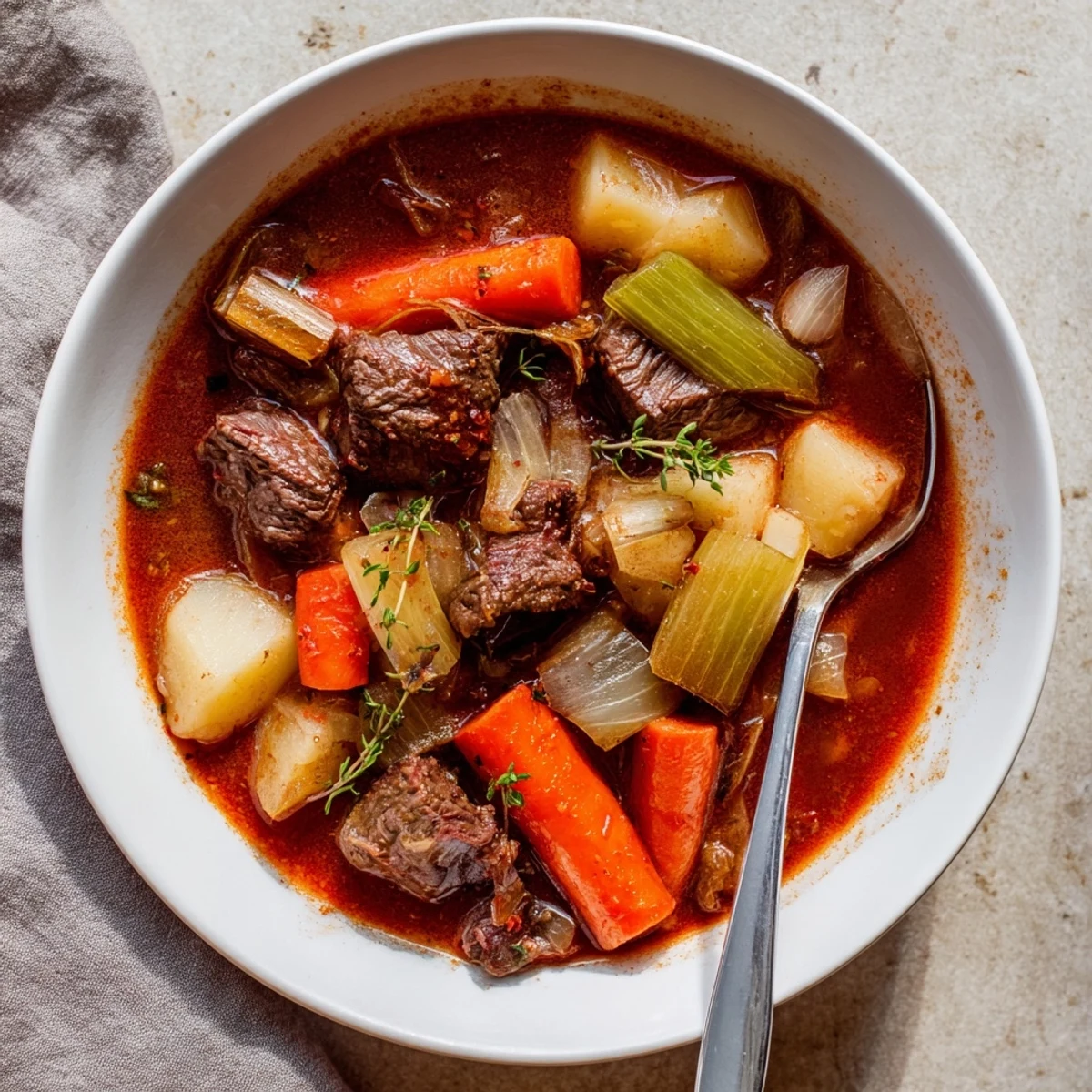
 There is something about a pot of spezzatino on the stove that turns a regular evening into an occasion worth sitting down for. It asks for nothing more than a chunk of bread to mop the plate clean and maybe a glass of the same wine you cooked with.
Why This Stew Rewards Patience
The magic of spezzatino happens in the hours you are not watching. The collagen in the chuck slowly converts to gelatin, which is what makes the sauce feel silky on your tongue without any cream or flour. If you taste it at the one hour mark it will seem ordinary, but by hour two something transformative occurs and the whole pot deepens into something you cannot rush.
Choosing the Right Wine
You do not need an expensive bottle but you should pick something you would happily drink alongside the meal. A dry red with moderate tannins like a Montepulciano, Nero dAvola, or even a straightforward table wine will infuse the stew with fruit and acidity without overpowering the beef. I once used a leftover Syrah from the fridge and it added a peppery kick that was unexpectedly wonderful.
Serving Suggestions Worth Trying
This stew is a complete meal on its own but the right side turns it into something memorable. Creamy polenta is my favorite because it acts like a warm cushion that soaks up every drop of sauce.
- A thick slice of grilled rustic bread rubbed with garlic makes the simplest and most satisfying accompaniment.
- Leftover spezzatino spooned over cooked pappardelle the next day is a revelation you should not skip.
- A shower of freshly chopped parsley right before serving brightens the whole bowl.
 Save Pin
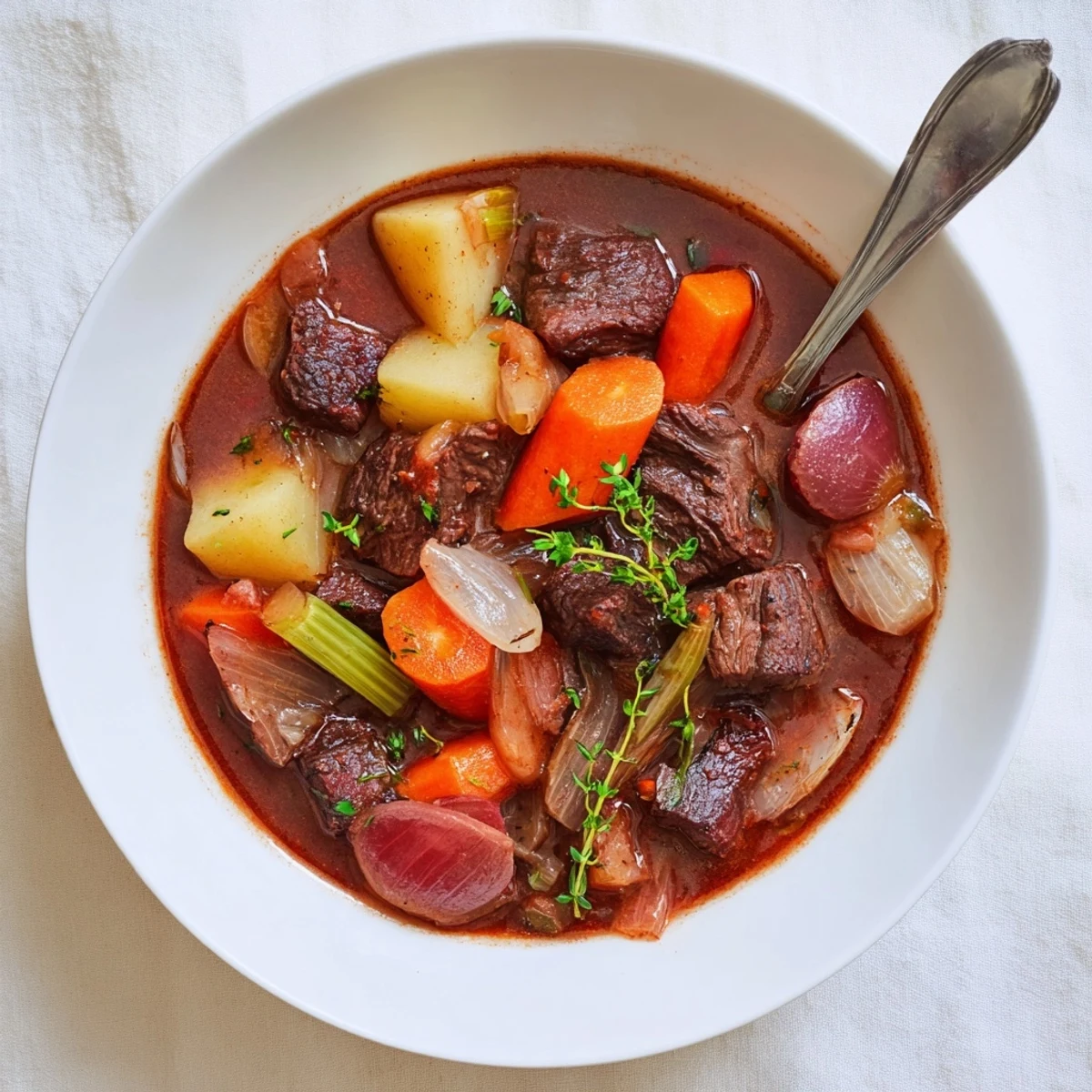
 Some recipes earn a permanent spot in your rotation not because they are flashy but because they make the house smell like home. This is one of those, and it will be waiting for you whenever you need it.
Recipe FAQs
- → What cut of beef works best for spezzatino?
-
Beef chuck is ideal for this dish. Its marbling and connective tissue break down during slow braising, creating tender meat and rich body in the sauce. Look for well-marbled pieces cut into uniform cubes for even cooking.
- → Can I make spezzatino in advance?
-
Absolutely. In fact, preparing this a day ahead improves the flavors. The beef absorbs more of the wine and herb aromatics, and any fat can be easily removed before reheating. Store in the refrigerator and gently reheat on the stove.
- → What should I serve with spezzatino?
-
Rustic crusty bread is perfect for soaking up the flavorful sauce. Creamy polenta makes for an authentic pairing, while mashed potatoes or roasted vegetables also complement the rich beef beautifully.
- → Why do I brown the beef first?
-
Browning creates a flavorful crust through the Maillard reaction, adding depth and complexity. Those browned bits left in the pot become part of the base when deglazed with wine, layering flavor throughout the entire dish.
- → Can I use different vegetables?
-
The classic soffritto of onions, carrots, and celery provides essential aromatic foundations. You can add parsnips, turnips, or pearl onions, but maintain the base vegetables for authentic Italian flavor development.
- → How do I know when it's done?
-
The beef should offer no resistance when pierced with a fork and easily pull apart. The sauce will have thickened naturally from the collagen released by the meat, coating the back of a spoon.