
 Save Pin
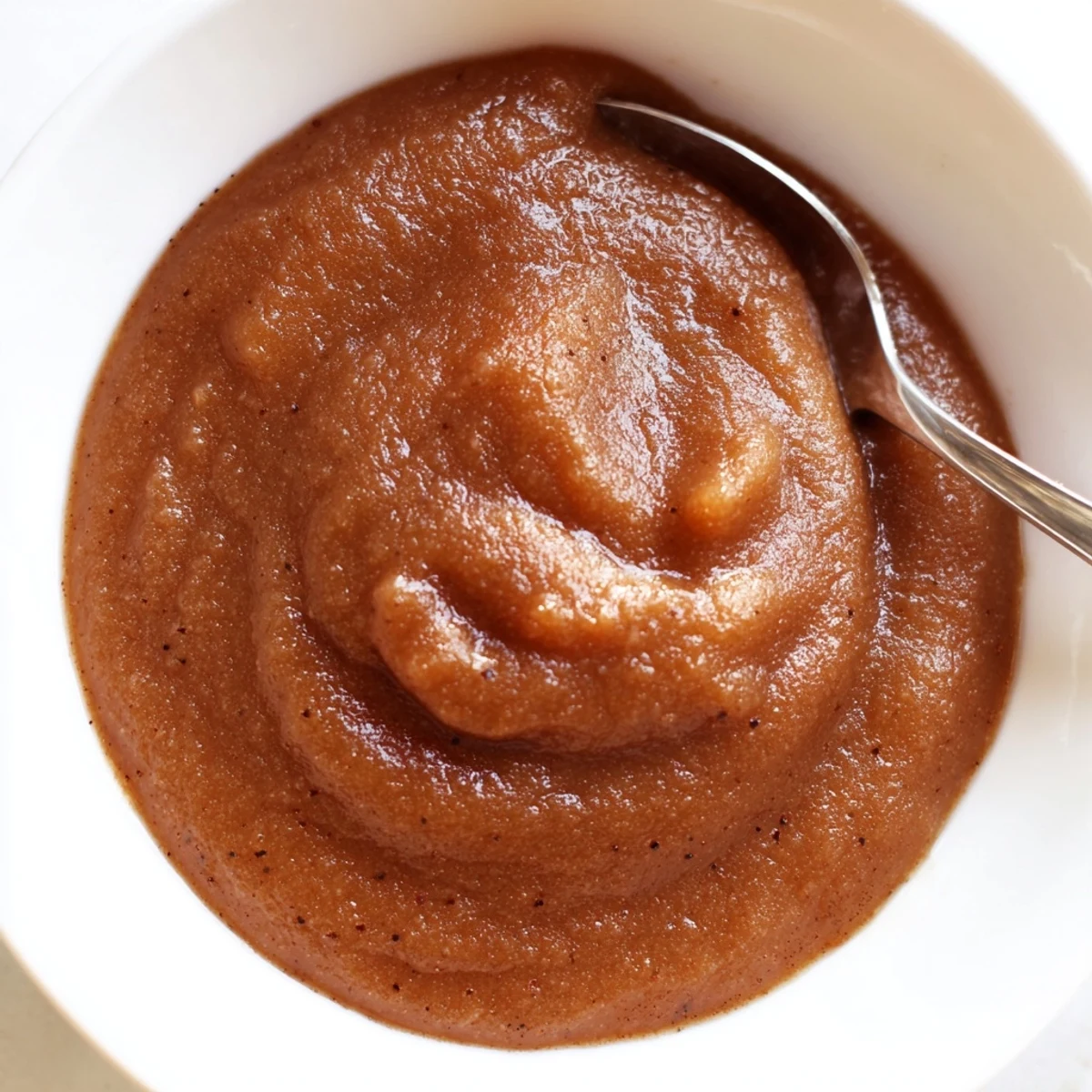
 This spiced apple spread blends peeled, cored apples with sugars and apple cider, simmered with cinnamon, cloves, allspice, nutmeg, and lemon juice. Cooked low and slow until thick and deeply flavored, it offers a rich, smooth texture perfect for enhancing toast, pancakes, or yogurt. The gentle balance of spices and sweetness creates a cozy, aromatic treat suitable for vegan and gluten-free diets, easily stored in jars for up to three weeks or frozen for months.
The first time I made apple butter, my kitchen smelled like a cinnamon-scented dream for hours—and I suddenly understood why my grandmother kept a jar of it on her breakfast table year-round. What started as an experiment with a bushel of apples and a desire to use them all became an obsession with finding the perfect balance of warmth and sweetness. Now, when autumn rolls around, I make batch after batch, watching the raw apple mixture transform into something glossy and dark that tastes like patience made edible.
I'll never forget the morning my neighbor knocked on my door asking what smelled so incredible—she left with a jar and came back a week later asking for the recipe. That jar sparked a tradition between us: every fall, we'd make a double batch together while listening to old records, and somehow the apple butter always turned out better when there were two of us laughing in the kitchen.
Ingredients
- Apples (3 lbs): Gala, Fuji, or Honeycrisp work beautifully—they break down smoothly and bring natural sweetness that balances the spices.
- Granulated sugar (1 cup) and light brown sugar (1/2 cup): Together they create depth and prevent the butter from tasting one-dimensional.
- Apple cider or water (1/2 cup): Apple cider gives a subtle richness, but water works just fine if that's what you have.
- Ground cinnamon (1 1/2 tsp), cloves (1/2 tsp), allspice (1/2 tsp), and nutmeg (1/4 tsp): These warm spices are the soul of the recipe—measure them honestly, as they build the flavor tapestry.
- Salt (1/2 tsp): A small pinch that makes every other flavor sing.
- Fresh lemon juice (1 tbsp): Brightens the sweetness and keeps the butter from feeling cloying.
Instructions
- Combine your apples and liquid:
- Toss the chopped apples, both sugars, and apple cider into your largest pot, stirring gently until everything is coated. The apples will look dry at first, but trust them—they'll release their juice as they heat.
- Let the apples soften:
- Cook over medium heat, stirring now and then, until the apples have completely collapsed into a soft, jammy mess, about 20–30 minutes. You'll know it's ready when a spoon presses through the apples with no resistance.
- Puree until silky smooth:
- Remove from heat and blend using your immersion blender, working in slow, deliberate strokes until every trace of apple pulp disappears. If using a regular blender, work in batches and be patient—the heat might cause steam to build up.
- Add the warmth and balance:
- Return the smooth puree to the pot and stir in the cinnamon, cloves, allspice, nutmeg, salt, and lemon juice. The mixture should smell like autumn itself at this point.
- Let it concentrate and deepen:
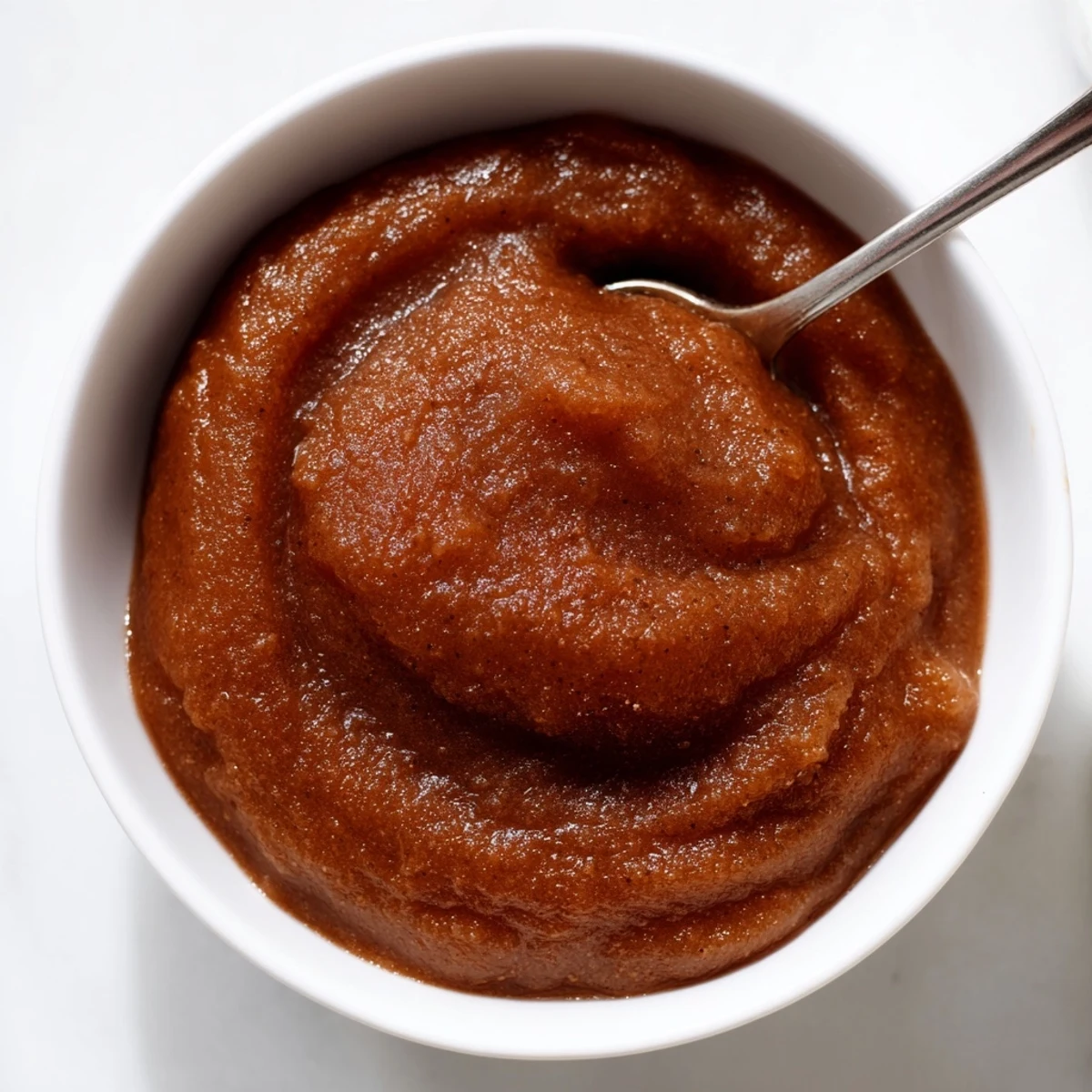
- Simmer uncovered over low heat, stirring often so nothing sticks to the bottom, until the apple butter is visibly thick, glossy, and a deep mahogany brown—usually about 1.5 hours. The real test: when you drag a spoon through it, the gap should stay put for a moment before slowly filling back in.
- Taste and adjust:
- Before you finish, taste a small spoonful and decide if it needs a touch more spice, sweetness, or brightness. This is your moment to make it exactly yours.
- Jar and store:
- Let it cool for a few minutes, then transfer to sterilized jars. Refrigerate for up to three weeks, or process in a water bath if you want it to last longer on your shelf.
 Save Pin
 One afternoon, my son asked why I was spending so much time stirring the same pot, and I realized I couldn't quite explain it—only that something about tending to this slow transformation felt meditative, like I was giving the apples permission to become something better. He's asked me to make it every autumn since.
The Spice Balance That Makes It Sing
The cloves and allspice are the quiet stars here—they whisper rather than shout, and they're what separate homemade apple butter from store-bought versions that taste flat. I learned this the hard way by doubling the cloves once and ending up with something that tasted like I was eating a spice cabinet. Respect these spices in small amounts, and they'll reward you with a complexity that keeps you coming back for another bite.
Why This Recipe Keeps Calling You Back
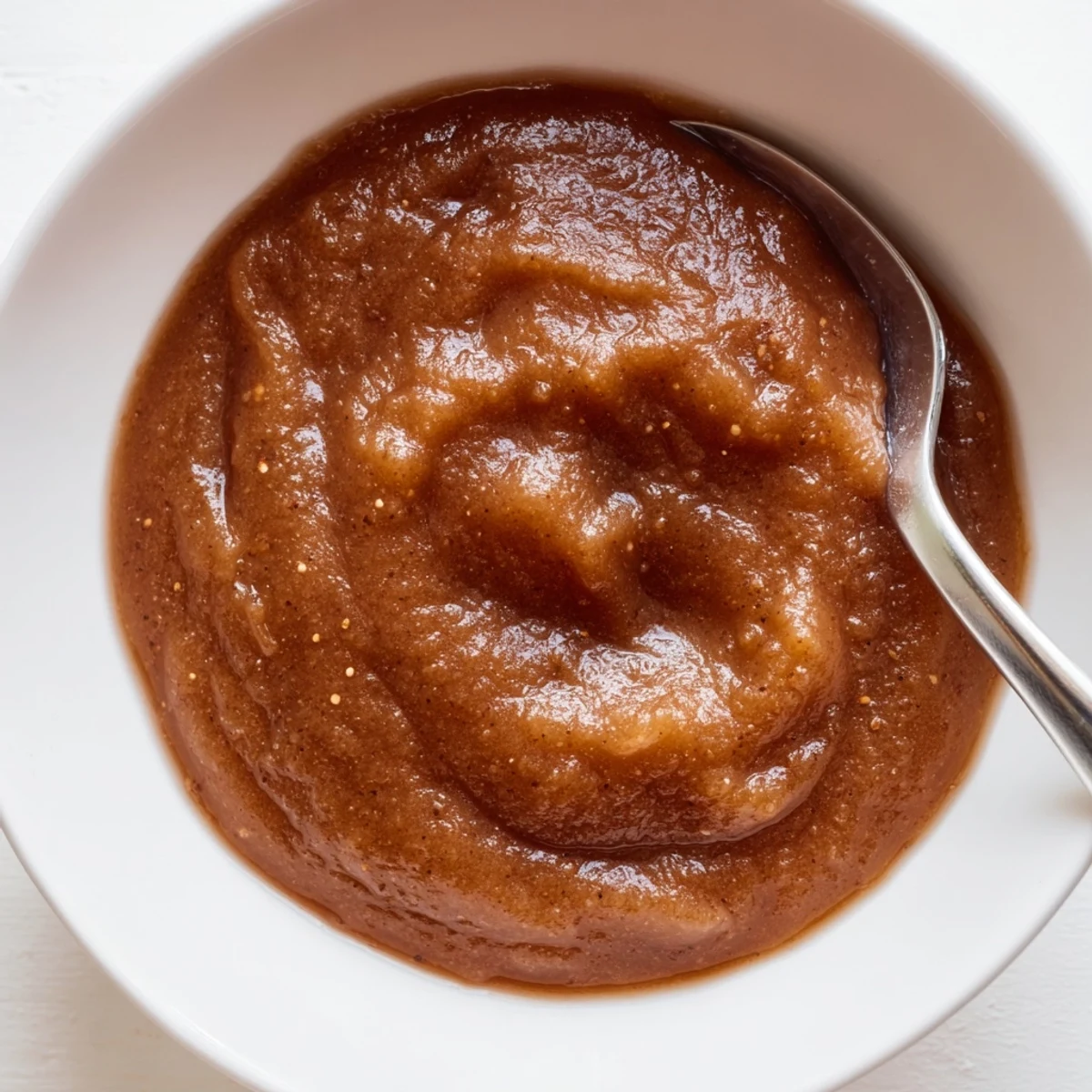
There's something almost meditative about watching apples transform into something that looks and tastes like liquid caramel—it reminds you that patience in the kitchen is its own kind of magic. The first taste of your finished apple butter, spread on something warm and simple, will probably surprise you with how much better it is than anything store-bought.
Ways to Use Your Apple Butter Beyond Toast
Once you have a jar of this sitting in your fridge, you'll start finding reasons to use it everywhere—swirled into yogurt at breakfast, dotted on pancakes, even stirred into vanilla ice cream on an unexpected warm day. I've been known to spoon it straight from the jar while standing at the kitchen counter, and that's perfectly acceptable too.
- Stir a spoonful into your morning oatmeal for instant warmth and flavor.
- Use it as a glaze for roasted pork or chicken if you're feeling adventurous.
- Layer it between vanilla cake layers or spread it under whipped cream for a simple but elegant dessert.
 Save Pin
 Apple butter is one of those recipes that proves good food doesn't need to be complicated—just apples, time, and spices. Make a batch and watch it become the reason people ask you for a jar.
Recipe FAQs
- → What type of apples work best for this spread?
-
Firm and sweet varieties like Gala, Fuji, or Honeycrisp are recommended for their balanced flavor and texture that breakdown well during cooking.
- → Can I substitute apple cider with another liquid?
-
Yes, water can be used as an alternative, though apple cider adds a subtle fruity depth to the final flavor.
- → How long should the mixture cook to achieve the right thickness?
-
Simmer uncovered over low heat for about 1.5 hours, stirring often until the spread thickens and has a deep brown color.
- → Is it possible to add vanilla to this spread?
-
Absolutely, a split vanilla bean can be added during cooking to deepen the flavor profile.
- → How should the spread be stored after cooking?
-
Once cooled, transfer to sterilized jars and store refrigerated for up to three weeks or freeze in airtight containers for longer shelf life.
- → What dishes pair well with this spiced apple spread?
-
It’s delicious on toast, pancakes, or swirled into yogurt for a flavorful boost.