
 Save Pin
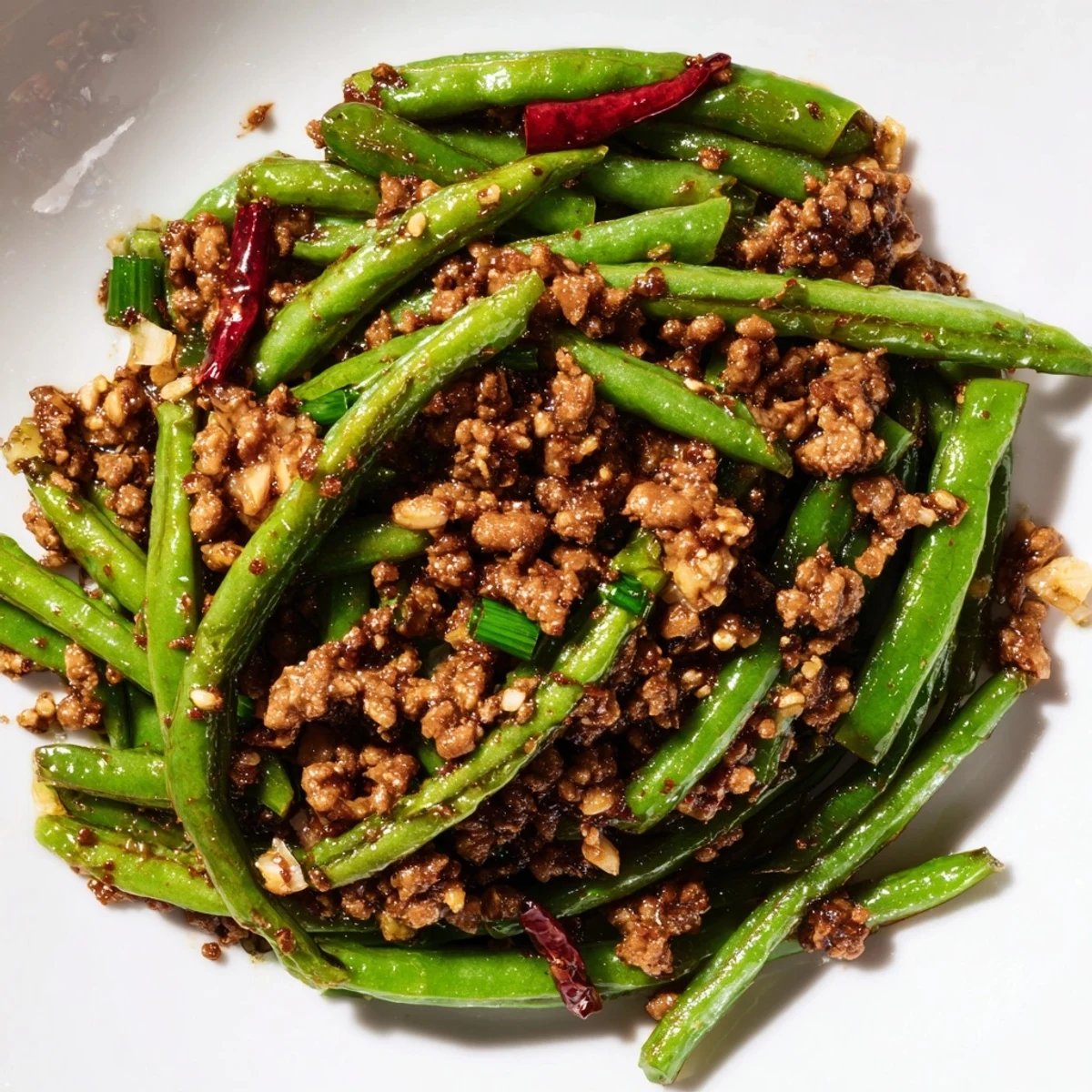
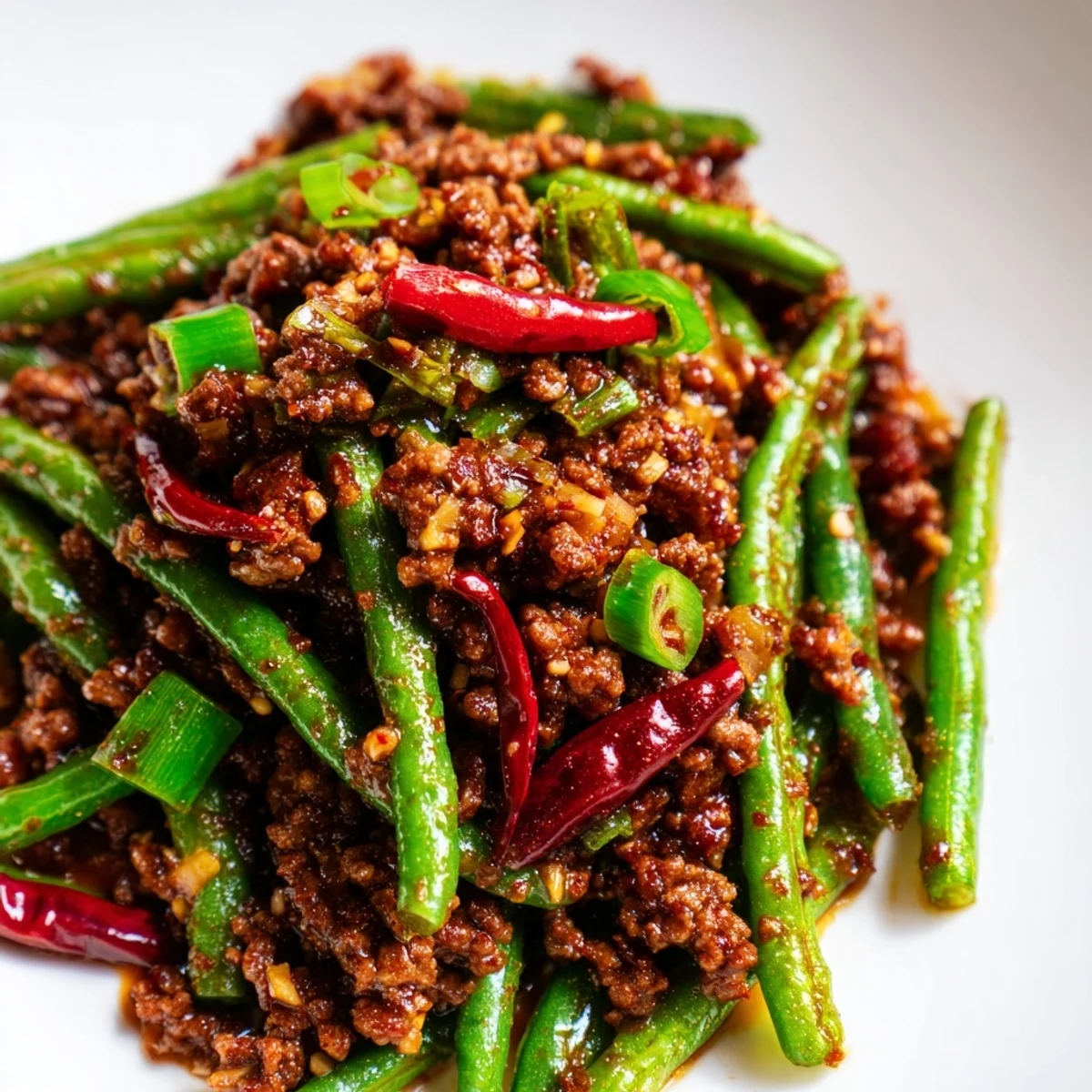
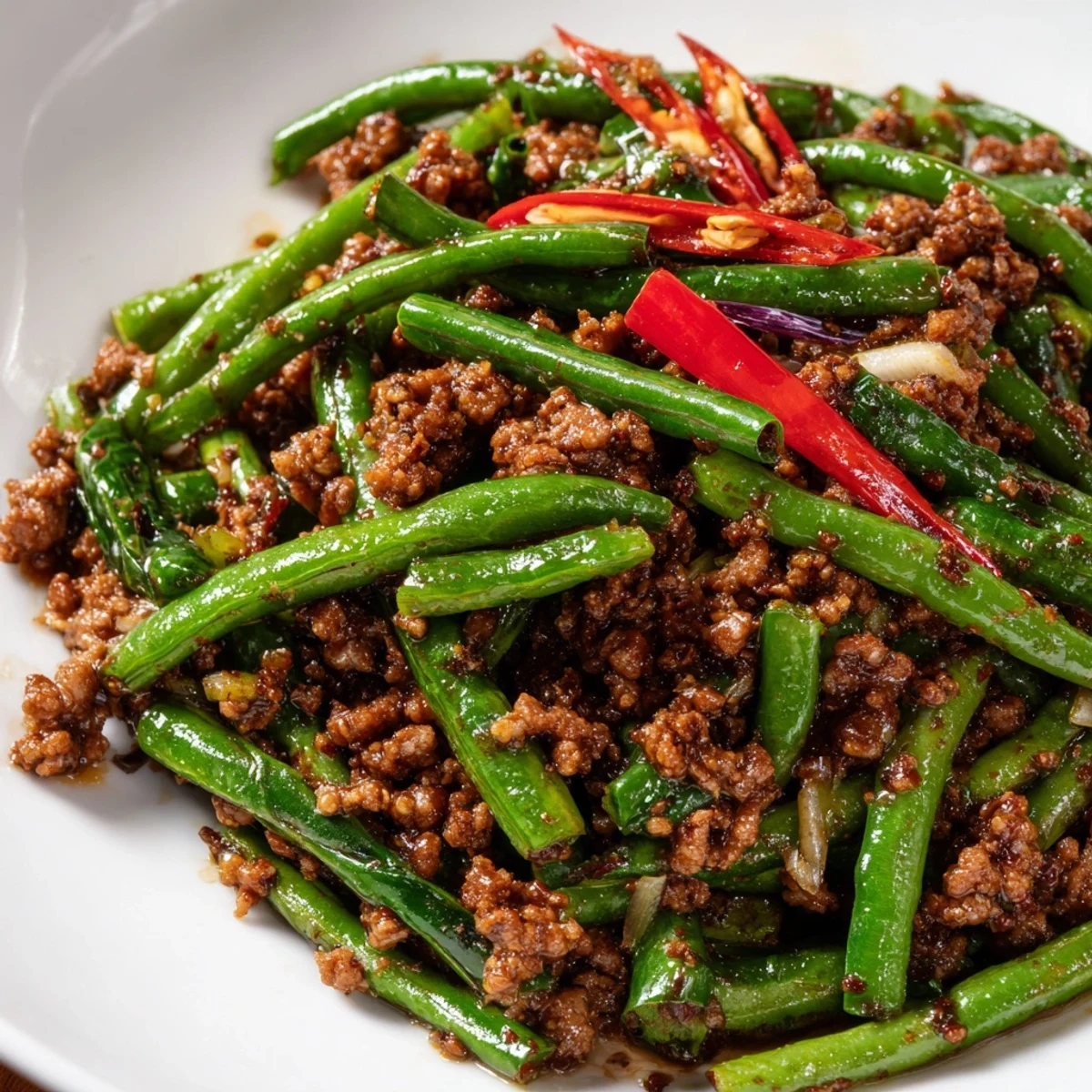
 This dish combines crisp green beans with savory minced beef, stir-fried in a fragrant Szechuan sauce made from soy, chili bean paste, and peppercorns. Aromatics like garlic, ginger, and scallions add depth, while fresh chilies bring a touch of heat. Blanching the beans preserves their bright color and crunch. Cooked quickly over high heat, this vibrant main offers a perfect balance of spicy, savory, and tangy flavors. Ideal served with steamed jasmine rice and customizable with vegetarian alternatives or extra vegetables for added texture.
There's something about the sound of a wok hitting high heat that signals dinner is about to get exciting. I discovered this Szechuan green beans dish on a Tuesday evening when I had ground beef, fresh beans, and a craving for that distinctive numbing tingle of Szechuan peppercorns. The first time I made it, my kitchen filled with such an intoxicating aroma that my roommate came wandering out, drawn by the ginger and garlic alone. Now it's one of those recipes I return to whenever I want bold flavors without the fuss.
I made this for my friends during a casual weeknight dinner, and one of them—who usually plays it safe with food—went back for seconds and asked me to walk her through the ingredient list so she could make it at home. That moment of someone getting genuinely excited about bold flavors you've created is everything.
Ingredients
- Fresh green beans (1 lb): Blanching them first keeps them crisp and bright instead of limp, and it's the secret to that perfect tender-but-snappy texture.
- Lean ground beef (1 lb): Don't skip browning it properly; you want those caramelized bits that add depth to the whole dish.
- Vegetable oil (2 tablespoons): Split between toasting the peppercorns and cooking the aromatics, it keeps everything moving without overdoing the richness.
- Onion (1 small, finely diced): The sweetness balances the heat and creates a gentle base for everything else.
- Garlic (4 cloves, minced): Four cloves gives you that garlicky backbone without overpowering; if you're a garlic devotee, add a fifth.
- Fresh ginger (1-inch piece, grated): Ginger brings warmth and brightness that rounds out the Szechuan peppercorns beautifully.
- Scallions (2, sliced): Keeping whites and greens separate lets you control when each hits the wok—whites soften into the sauce, greens add a fresh pop at the end.
- Fresh red chilies (1–2, thinly sliced, optional): If you want visible heat, these add both flavor and a gorgeous color; start with one if you're unsure.
- Szechuan peppercorns (1 tablespoon, lightly crushed): This is where the magic happens—toast them briefly to unlock that distinctive numbing, citrusy tingle.
- Chili bean paste or Doubanjiang (1 tablespoon): This fermented paste carries the whole savory umami foundation; it's pungent on its own but becomes mellow and rounded once cooked.
- Soy sauce (3 tablespoons): Use a good quality soy sauce if you have it; the difference shows in the final depth of flavor.
- Rice vinegar (1 tablespoon): A touch of acidity brightens everything and prevents the dish from feeling too heavy.
- Shaoxing wine (1 tablespoon): Dry sherry works if you can't find it, and both add a subtle sweetness and complexity that rounds out the heat.
- Sugar (2 teaspoons): A pinch of sweetness balances the spice and plays against the salty soy beautifully.
- Toasted sesame oil (1 teaspoon): Drizzle this at the very end; its nutty, warm flavor feels like the final note of a song you didn't want to end.
Instructions
- Blanch the green beans:
- Boil salted water in a pot and drop in your trimmed beans for just 2–3 minutes until they turn bright green and are still snappy when you bite one. Drain them quickly and rinse under cold water to stop the cooking—this is how you keep them crisp instead of turning them into mush.
- Toast the Szechuan peppercorns:
- Heat oil in your wok over medium-high heat and add the crushed peppercorns for about 30 seconds, listening for that gentle crackling and inhaling that citrusy, almost peppery aroma that's about to transform the whole dish.
- Brown the beef:
- Add your ground beef to the hot wok, breaking it apart with your spoon or spatula, and cook it for 4–5 minutes until no pink remains and the edges start to caramelize. This takes a bit of attention—don't just stir constantly or you'll never get those flavorful browned bits.
- Build your aromatics:
- Add the second tablespoon of oil and toss in your diced onion, minced garlic, grated ginger, and the scallion whites, cooking for about 2 minutes until everything softens and the kitchen smells absolutely incredible. You want them fragrant and slightly translucent, not browned.
- Bloom the chili bean paste:
- Stir in your Doubanjiang and cook it for just 1 minute in the hot wok; this quick cooking mellows its intensity and lets its deep, salty umami flavor wake up properly.
- Bring it all together:
- Return the beef to the wok, add your blanched beans and fresh chilies if you're using them, and stir-fry everything for 2–3 minutes so the beans soak up all those savory, spiced flavors. You want to see a light shimmer and hear that gentle sizzle.
- Finish with the sauce:
- Pour in the soy sauce, rice vinegar, Shaoxing wine, sugar, and sesame oil, tossing constantly for another 1–2 minutes until everything is glossy, heated through, and smells like a restaurant kitchen. The sauce should coat everything evenly without pooling at the bottom of the wok.
- Final flourish:
- Scatter your scallion greens over the top and serve immediately with steamed jasmine rice if you want something to cushion those bold flavors.
 Save Pin
 The first time a guest described the sensation of Szechuan peppercorns to me—'it's like my mouth is fizzing'—I realized why this dish had become a favorite. It's not just spicy; it's an experience that lingers on your tongue in the best possible way.
The Szechuan Peppercorn Effect
Szechuan peppercorns aren't actually related to black pepper at all, and they don't create heat the way chili peppers do. Instead, they contain hydroxy-alpha-sanshool, a compound that triggers a tingling, almost numbing sensation on your mouth and lips. It's subtle when you first taste it and builds as you keep eating, like an electrical current at low voltage. I spent my first encounter with this dish convinced something was wrong with my mouth, then realized I was just experiencing authentic Szechuan flavor for the first time. Once you know what to expect, that sensation becomes addictive.
Adjusting Heat to Your Taste
Not everyone wants their dinner to announce itself with this much intensity, and there's no shame in dialing it back. If you're new to Szechuan cooking, start with just half a tablespoon of peppercorns and one fresh chili, then taste and adjust next time. You can always add more heat, but you can't remove it once it's in there. I've learned that the best version of this dish is the one people will actually finish, not the one that makes them reach desperately for a glass of milk.
Making It Your Own
This recipe is a framework, not a rulebook, and some of my favorite versions have come from improvisation. I've added bell peppers for sweetness, swapped in half the beef for shiitake mushrooms for extra umami, and once even threw in some cashews for crunch that felt oddly right. The constant is the sauce and the technique—once you understand how those elements work, you can play with the vegetables and proteins however your fridge and mood suggest.
- Vegetarian version: Use finely chopped mushrooms or crumbled tofu in place of the beef, adding an extra teaspoon of sesame oil for richness.
- Make it ahead: Blanch the beans and prepare all your ingredients the night before, but wait to cook until just before serving so everything stays crisp and the heat doesn't fade.
- Leftover strategy: Reheat gently in a wok or pan with a splash of water; cold versions taste flat, but warm ones come back to life.
 Save Pin
 There's something deeply satisfying about a dish that comes together this fast but tastes like you've been in the kitchen all evening. Every time I make it, I'm reminded that the best meals are the ones that surprise you with how simple they actually are.
Recipe FAQs
- → How do I keep green beans crisp in the stir-fry?
-
Blanch green beans briefly in boiling salted water, then shock in cold water to halt cooking and preserve crunch before stir-frying.
- → Can I adjust the spice level?
-
Yes, control heat by adding or omitting fresh red chilies and adjusting Szechuan peppercorn quantity according to your preference.
- → What can substitute minced beef for a vegetarian option?
-
Finely chopped mushrooms or crumbled tofu work well as protein-rich vegetarian alternatives in this stir-fry.
- → How to achieve authentic Szechuan flavor?
-
Use key ingredients like Szechuan peppercorns, chili bean paste, soy sauce, rice vinegar, and Shaoxing wine for an authentic balance of numbing heat and umami.
- → What side pairs best with this dish?
-
Steamed jasmine rice complements the bold flavors and helps mellow the heat for a balanced meal.