
 Save Pin
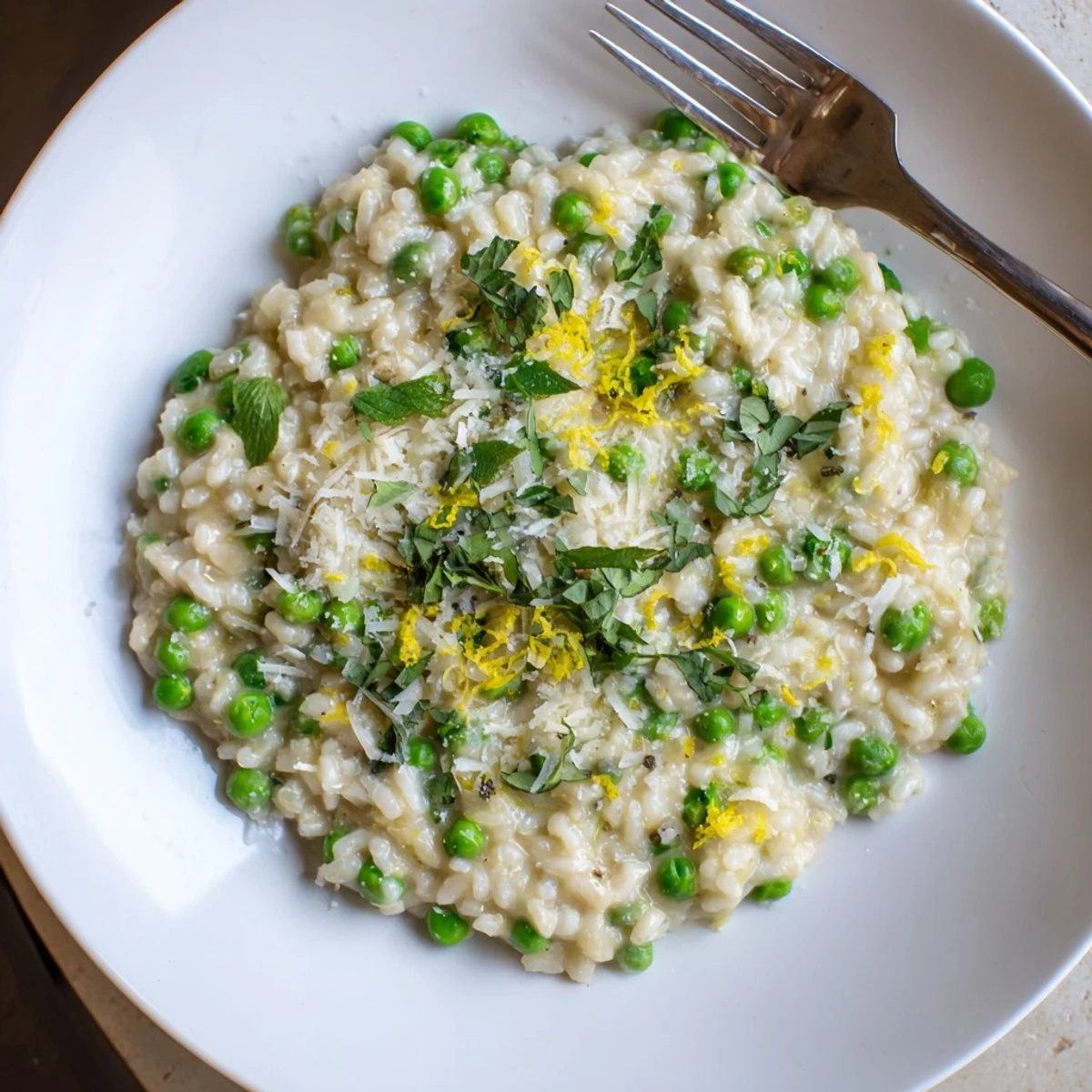
 This vibrant Italian dish transforms Arborio rice into a creamy, luxurious texture through slow broth absorption. Sweet spring peas add pops of freshness and color, while aromatic onions and garlic build depth. Fresh parsley and mint brighten each bite, with Parmesan bringing savory richness. The result is a comforting yet light main that perfectly captures spring's essence.
Last April, my friend Sarah showed up at my door with two bags of fresh peas from the farmers market. We spent the afternoon shelling them while catching up about everything and nothing at all. That impromptu risotto dinner became the thing we started craving whenever spring finally decided to show up.
My dad used to make risotto every Sunday, standing at the stove with his glass of wine and wooden spoon. He taught me that the secret is patience and keeping the broth warm before you even start. This pea version is what I make when I want something that feels like a hug but still celebrates whatever fresh produce I can get my hands on.
Ingredients
- 1 1/2 cups Arborio rice: This short grain rice releases starch slowly to create that signature creamy texture without needing heavy cream.
- 4 cups vegetable broth: Keep it warm in a separate pot so cold broth does not shock the rice and slow down the cooking process.
- 1 cup fresh or frozen spring peas: Fresh peas are worth the effort in spring, but frozen work beautifully when they are not in season.
- 1 small onion: Finely chopped so it melts into the risotto without leaving noticeable chunks.
- 2 cloves garlic: Minced fresh because garlic powder just cannot compete in a dish this simple.
- 1/2 cup dry white wine: Something you would actually drink because the flavor really comes through in the final dish.
- 3 tablespoons unsalted butter: Divided use, with one tablespoon for cooking and two to finish that creates the velvety texture.
- 1/2 cup grated Parmesan cheese: The kind you grate yourself because pre grated cheese has anti caking agents that prevent proper melting.
- 2 tablespoons fresh parsley: Finely chopped to add fresh color and a bright herbal note against the rich rice.
- 1 tablespoon fresh mint: Optional but highly recommended, especially if you are using fresh peas from the market.
- Zest of 1 lemon: The secret weapon that makes everything taste brighter and more alive.
Instructions
- Warm your broth:
- Pour the vegetable broth into a medium saucepan and bring it to a gentle simmer over low heat. Keep it warm throughout the entire cooking process.
- Sauté the aromatics:
- Heat olive oil and 1 tablespoon butter in a large heavy bottomed skillet over medium heat. Add the chopped onion and cook for 2 to 3 minutes until it turns translucent and fragrant.
- Add the garlic:
- Stir in the minced garlic and cook for just 1 minute until it becomes fragrant but not brown. You want it to perfume the oil without any bitterness.
- Toast the rice:
- Add the Arborio rice to the pan and stir constantly for 2 minutes. The grains should look slightly translucent around the edges and smell nutty.
- Deglaze with wine:
- Pour in the white wine and keep stirring until it is nearly completely absorbed. The kitchen should smell amazing right about now.
- Begin adding broth:
- Add one ladleful of warm broth to the rice and stir gently. Wait until most of the liquid is absorbed before adding the next ladleful.
- Continue the process:
- Keep adding broth one ladle at a time, stirring often, for 18 to 20 minutes. The rice is done when it is creamy but still has a slight bite in the center.
- Add the peas:
- About 5 minutes before the rice is finished, stir in the peas so they cook through but stay bright and sweet.
- Finish it off:
- Remove from heat and stir in the remaining butter, Parmesan, parsley, mint, and lemon zest. Season with salt and pepper to taste before serving immediately.
 Save Pin
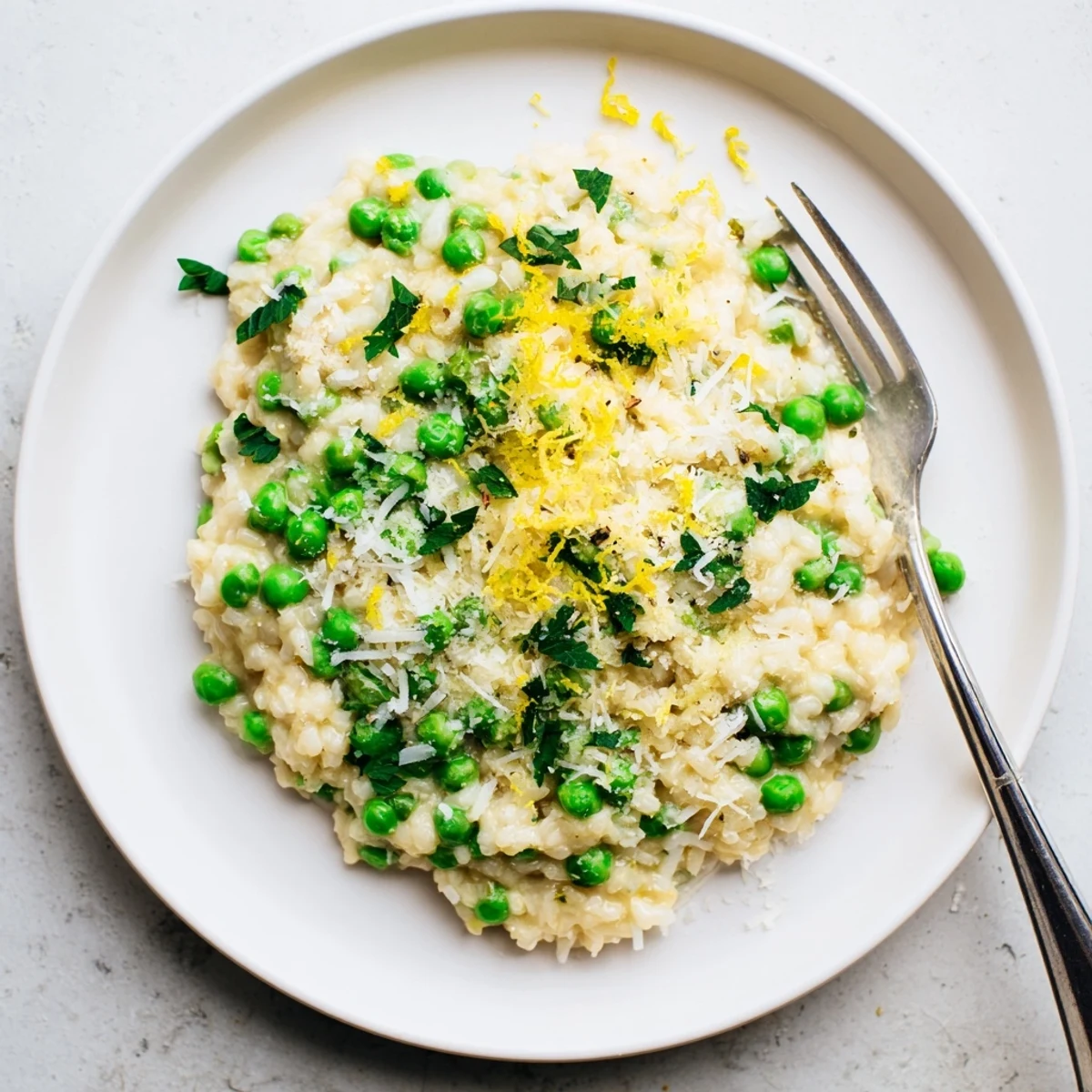
 Last spring, I made this for a dinner party when one guest mentioned she did not like risotto because it was too heavy. She went back for seconds and asked for the recipe before she even left. Sometimes the simplest dishes are the ones that surprise people the most.
Choosing Your Peas
Fresh peas from the farmers market are worth every minute of shelling. Look for pods that feel plump and heavy, then pop one open to taste. If they are sweet and crisp raw, they will be incredible in the risotto. Frozen peas work perfectly fine, just add them directly from frozen and extend the cooking time by about a minute.
Perfecting Your Broth Technique
Keeping your broth at a gentle simmer makes all the difference in the final texture. I set my second burner to the lowest possible setting as soon as I start chopping onions. Some cooks add a ladle of broth as soon as the previous one is almost absorbed, while others wait until the rice makes a hissing sound against the pan. Either approach works as long as you stay attentive.
Making It Your Own
This risotto is incredibly forgiving once you understand the basic technique. I have added asparagus in spring and roasted mushrooms in fall. The key is adding delicate vegetables in the last few minutes and heartier ones alongside the onions so everything finishes at the same time.
- Try swapping half the broth for asparagus stock in early spring.
- A handful of fresh spinach wilts beautifully in the last minute of cooking.
- Top with toasted pine nuts for extra crunch and protein.
 Save Pin
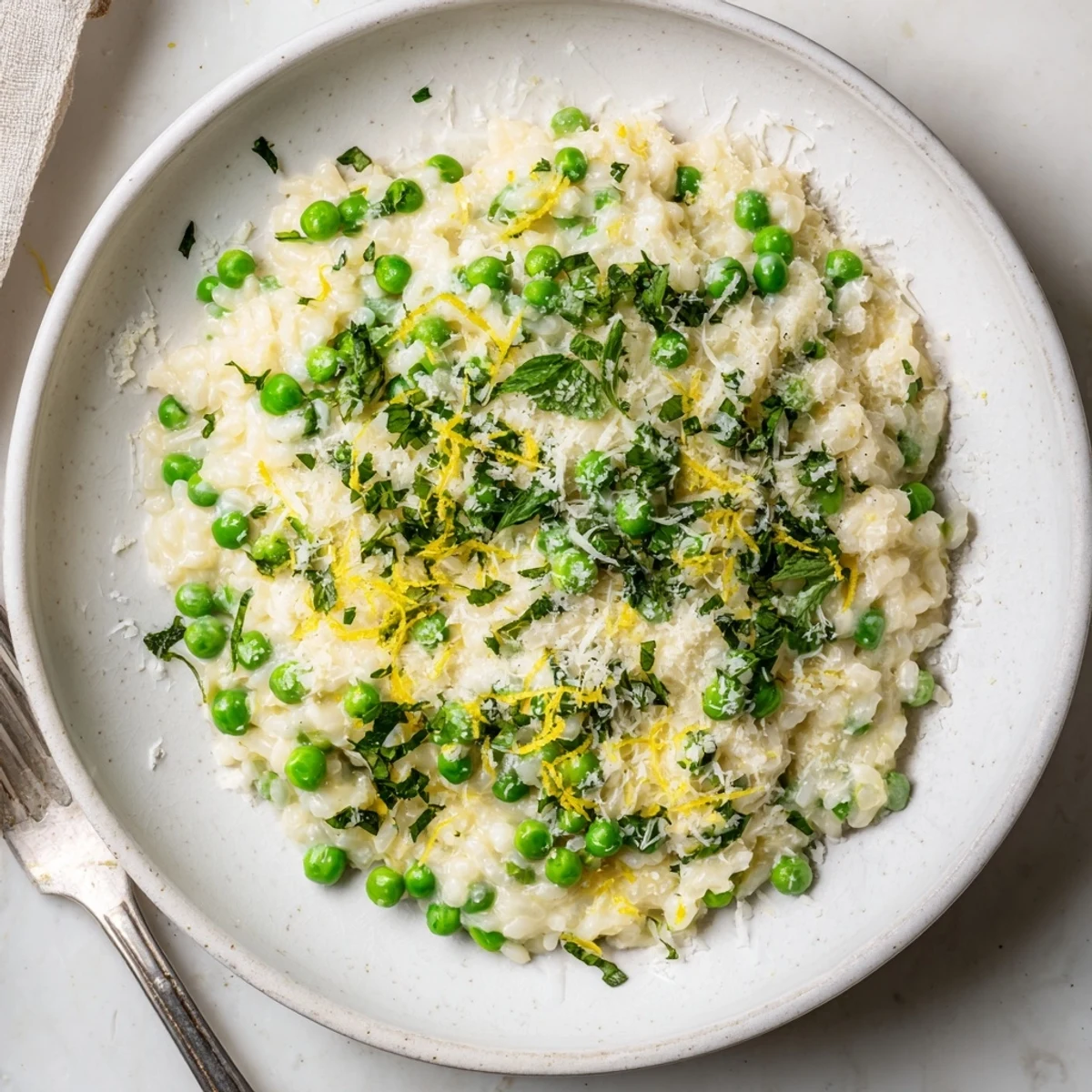
 There is something so meditative about standing at the stove, ladling broth, and watching rice transform into something extraordinary. This pea risotto has become my way of welcoming spring, one creamy bowl at a time.
Recipe FAQs
- → What makes risotto creamy?
-
The creaminess comes from Arborio rice's high starch content, which releases slowly during the gradual broth addition and constant stirring process. This creates a naturally velvety texture without adding heavy cream.
- → Can I use frozen peas instead of fresh?
-
Absolutely. Frozen peas work wonderfully and are often just as sweet as fresh since they're picked at peak ripeness. Simply add them during the final 5 minutes of cooking to thaw and heat through.
- → Do I need to stir risotto constantly?
-
Frequent stirring is important for even cooking and releasing starch, but you don't need to stir non-stop. Stir every minute or two, ensuring the rice doesn't stick to the bottom while allowing liquid to absorb between additions.
- → What can I substitute for white wine?
-
Extra vegetable broth works perfectly as a non-alcoholic alternative. For a similar acidity, add a splash of lemon juice or verjuice when you would normally add the wine.
- → How do I know when risotto is done?
-
The rice should be tender but still have a slight bite in the center—al dente. The texture should be flowing and creamy, not stiff or dry. If needed, add a final splash of broth before serving.
- → Can risotto be made ahead?
-
Risotto is best served immediately for optimal texture. If reheating, add extra warm broth and gentle heat to restore creaminess. Alternatively, serve as risotto cakes with leftover portions.