
 Save Pin
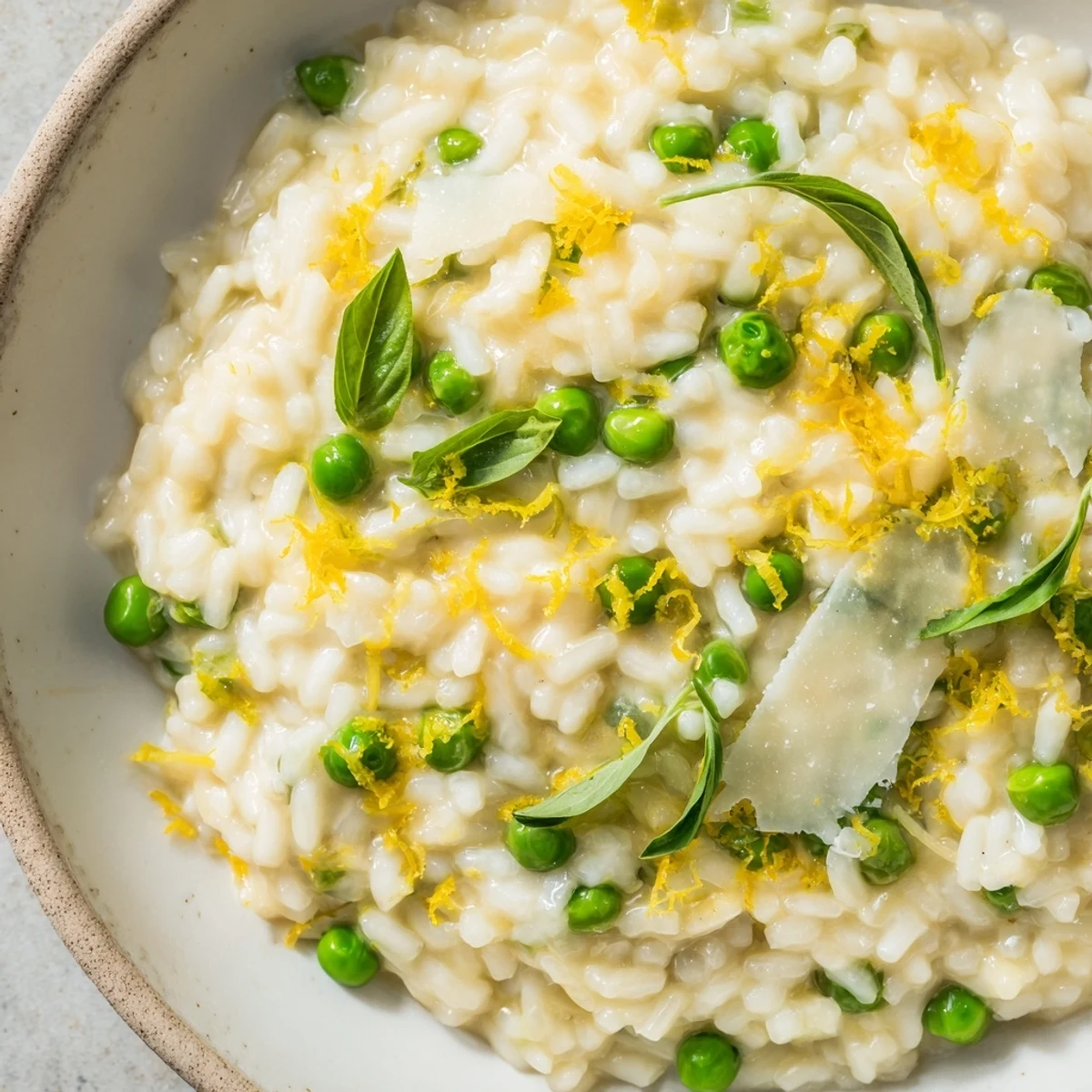
 This vibrant spring risotto combines tender Arborio rice with sweet peas, nutty Parmesan, and aromatic fresh basil. The gradual broth addition creates that signature creamy texture while the lemon zest adds brightness. Ready in 45 minutes, this vegetarian dish works beautifully as a main course or elegant side. Fresh mint can replace basil for a refreshing twist, and vegan adaptations are simple to make.
The first time I made risotto properly, I stood at the stove stirring what felt like forever, convinced Id done something wrong because it kept looking so soupy. Then suddenly, the rice transformed into this velvety, creamy dish that had nothing to do with adding actual cream. Spring pea risotto became my go-to when I want something that feels fancy but comes together with simple ingredients I almost always have on hand.
I made this for friends last spring when peas were finally in season at the farmers market, and my friend Sarah literally stopped mid conversation after her first bite. She said she never understood why people made such a fuss about risotto until that exact moment. Now whenever I invite her over for dinner, she jokingly asks if pea risotto is on the menu.
Ingredients
- Arborio rice: This short grain rice releases starch as it cooks, creating that signature creamy texture without needing any cream
- Vegetable broth: Keeping it warm is crucial so you dont shock the rice and slow down the cooking process
- Spring peas: Fresh peas taste worlds better than frozen, but if thats what you have, they still work beautifully
- Onion and garlic: These build your flavor foundation, so take your time cooking them until theyre soft and fragrant
- Parmesan cheese: freshly grated cheese melts into the rice better and tastes more intense than pre grated stuff
- Fresh basil: Add this at the very end so it stays bright and aromatic, not cooked down and sad
- Lemon: Both zest and juice wake up all the rich flavors and keep the dish from feeling too heavy
Instructions
- Warm the broth:
- Pour your vegetable broth into a medium saucepan and set it over low heat so its gently simmering while you work
- Sauté the aromatics:
- Heat the olive oil and one tablespoon butter in a large heavy pan, cook the onion until soft and translucent, then add garlic for just a minute
- Toast the rice:
- Add the Arborio rice and stir constantly until the grains look slightly opaque around the edges and smell nutty
- Add broth gradually:
- Ladle in about half a cup of broth at a time, stirring frequently and waiting until most liquid absorbs before adding more
- Add the peas:
- When the rice is almost tender but still has a tiny bite in the center, stir in the peas and cook for a few more minutes
 Save Pin
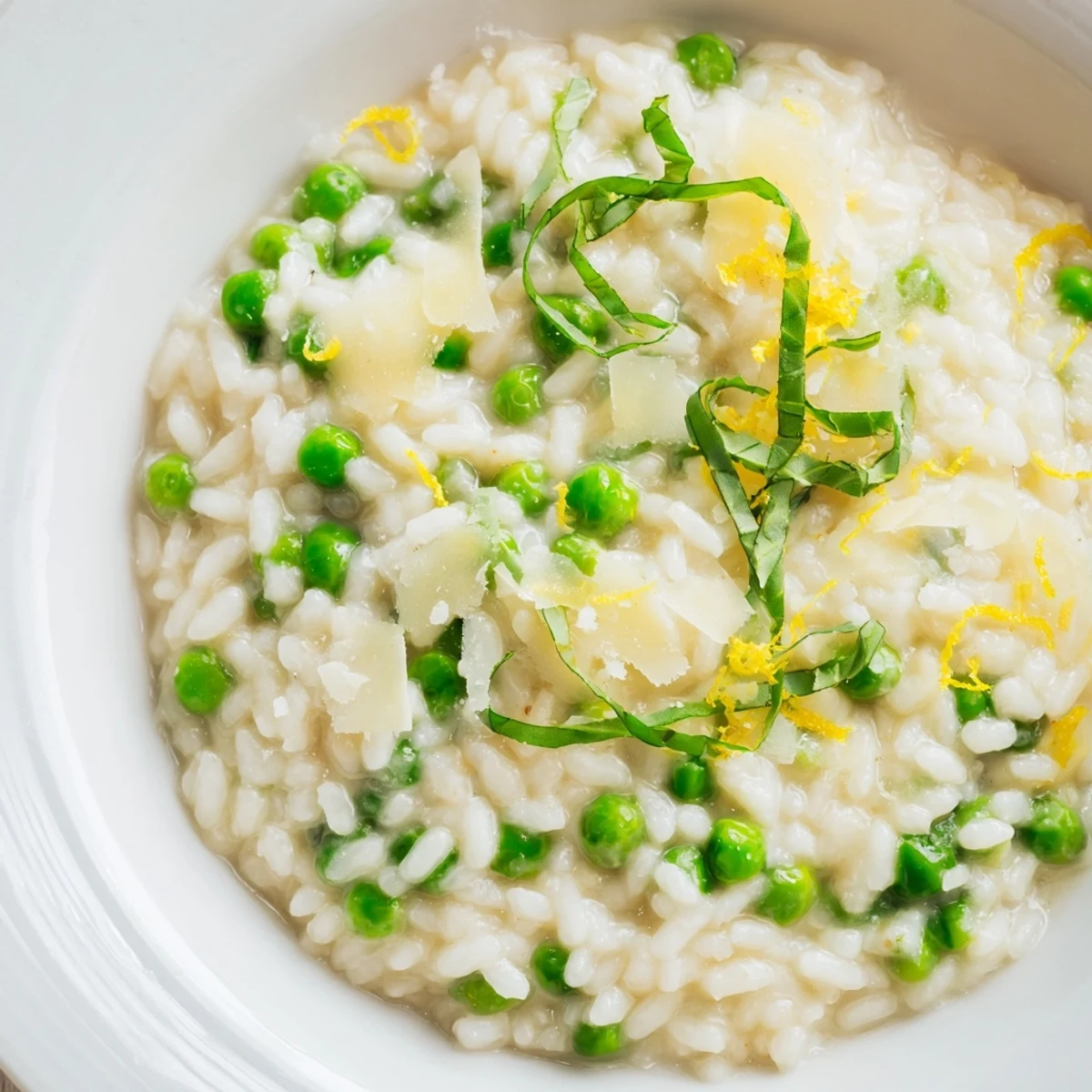
 This risotto has become my answer to nights when I want something comforting but not heavy. Something about the bright green peas scattered through that creamy rice makes it feel like spring on a plate, no matter what season it actually is.
Making It Your Own
Sometimes I swap in asparagus tips or sugar snap peas along with the peas for extra texture and spring vibes. You can also use shrimp or pancetta if you want to add some protein, though its completely satisfying on its own.
The Wine Question
A crisp white wine like Sauvignon Blanc cuts through the richness perfectly. You can also splash a little wine into the risotto itself during the broth adding process for extra depth.
Serving Suggestions
I like to serve this in wide shallow bowls so everyone gets plenty of that golden crust on top. A simple green salad with lemon vinaigrette and maybe some crusty bread rounds out the meal nicely.
- Grate extra Parmesan at the table so people can add more to their liking
- Season with plenty of black pepper right before serving
- This risotto waits for no one, so serve it immediately while its at its creamiest
 Save Pin
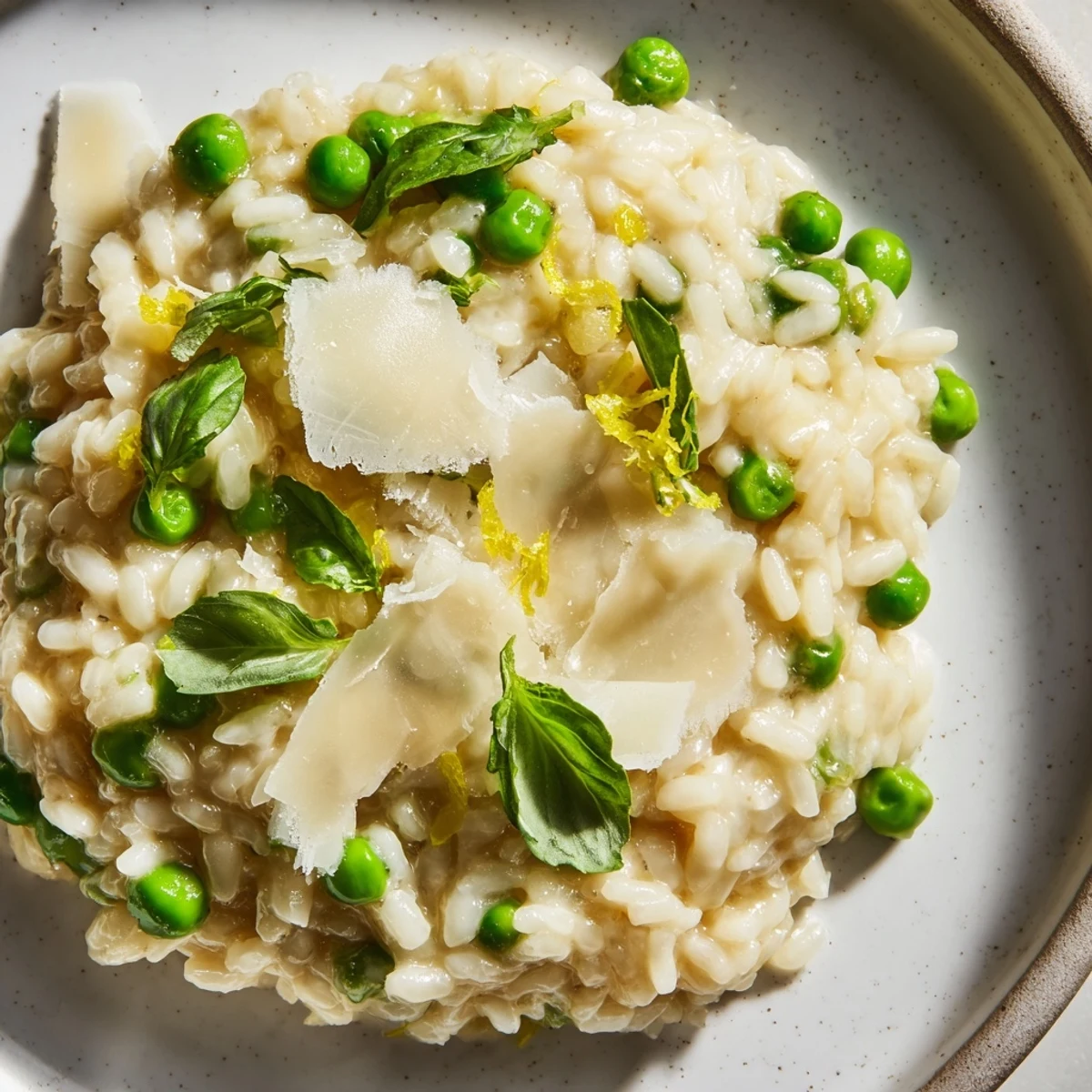
 Theres something meditative about making risotto, the steady rhythm of ladling and stirring while the kitchen fills with the smell of onions and toasting rice. Its not fast food, but its honest food, and sometimes thats exactly what you need.
Recipe FAQs
- → Can I use frozen peas instead of fresh?
-
Yes, frozen peas work excellently in this risotto. Add them directly during the last few minutes of cooking without thawing first. They'll become tender and bright green in 2-3 minutes.
- → Why must the broth be warm when adding to risotto?
-
Warm broth maintains the cooking temperature of the rice, ensuring even absorption and proper starch release. Cold broth shocks the rice, disrupting the creamy texture development.
- → How do I know when the risotto is finished?
-
The rice should be al dente—tender but still offering slight resistance to the bite. The texture should be creamy and flowing, not stiff or dry. This typically takes 18-22 minutes of gradual broth addition.
- → Can I make this risotto vegan?
-
Absolutely. Replace butter with vegan butter or olive oil, use nutritional yeast or vegan Parmesan alternative, and omit the heavy cream. The result remains creamy and satisfying.
- → What wine pairs best with this risotto?
-
Crisp white wines like Sauvignon Blanc or Pinot Grigio complement the creamy texture and fresh herbs beautifully. The acidity cuts through the richness while enhancing the spring pea sweetness.
- → Can I use different rice varieties?
-
Arborio is traditional due to its high starch content, but Carnaroli or Vialone Nano also work well. Short-grain white rice can substitute in a pinch, though the texture may be slightly less creamy.