
 Save Pin
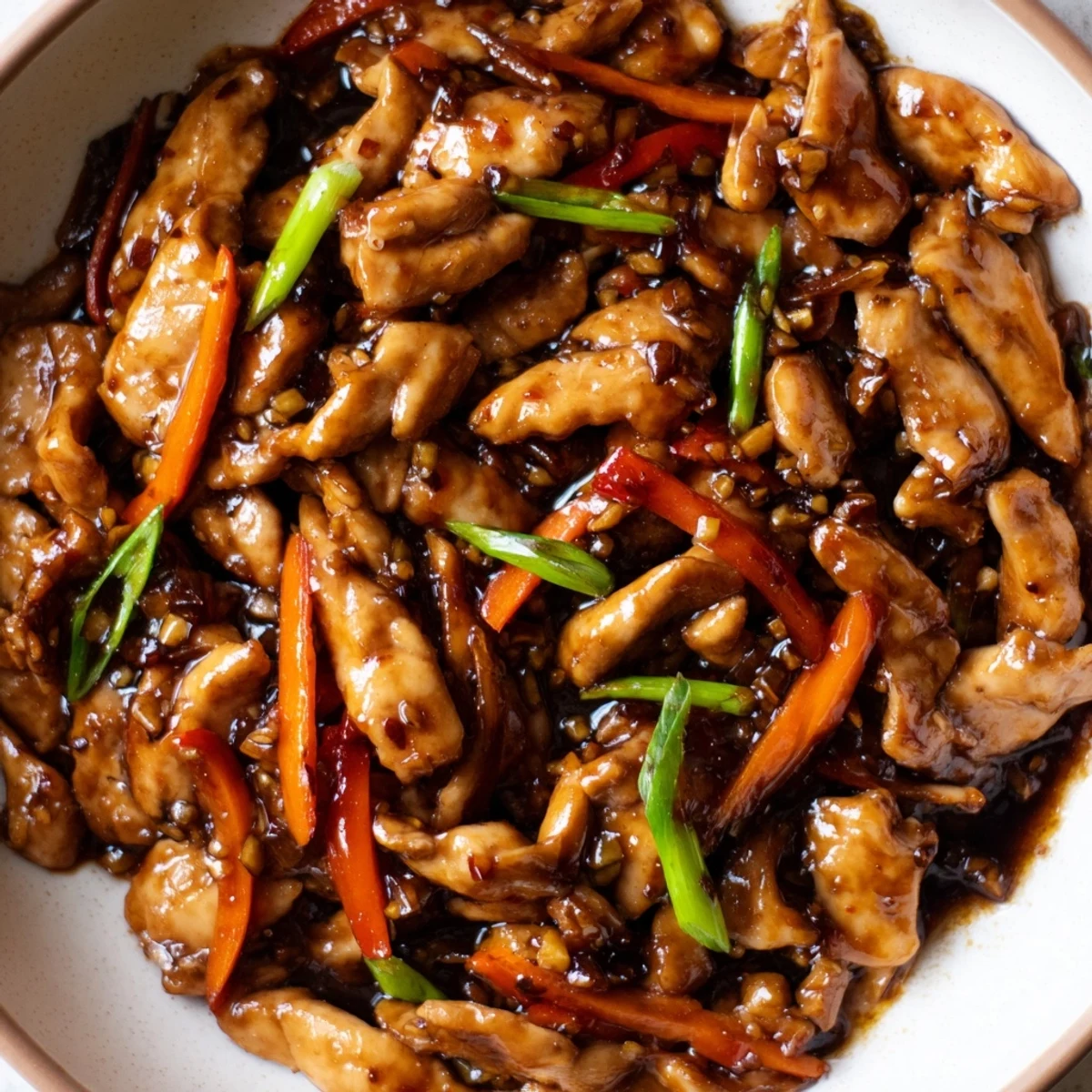
 This stir-fried Chinese garlic chicken brings together tender marinated chicken strips with a generous amount of aromatic garlic, fresh crunchy vegetables, and a deeply savory sauce built from soy sauce, oyster sauce, and hoisin.
The chicken is briefly marinated in soy sauce, Shaoxing wine, and cornstarch to keep it incredibly tender during the high-heat wok cooking. The sauce thickens beautifully, coating every piece of chicken and vegetable in a glossy, flavorful glaze.
Ready in just 30 minutes from start to finish, this dish is perfect for busy weeknights when you want something satisfying and delicious. Serve it over steamed jasmine rice for a complete meal the whole family will enjoy.
The sound of garlic hitting a screaming hot wok is one of those kitchen moments that makes everything else fade away, and this stir fried Chinese garlic chicken lives in that space where dinner becomes something you actually look forward to making. Six cloves might seem excessive until you taste what they do wrapped around tender marinated chicken and crisp vegetables in a glossy, savory sauce. It is fast, loud, and deeply satisfying, the kind of dish that turns a random Tuesday into something worth remembering.
I started making this on evenings when ordering out felt like giving up on the kitchen entirely, and somewhere along the way it became the dish I reach for when friends drop by unexpectedly and I want something impressive with almost no effort. There is a particular satisfaction in hearing the sizzle and watching the sauce seize onto the chicken in a glossy coat right before serving.
Ingredients
- 500 g boneless, skinless chicken breast or thigh: Thigh stays juicier but breast works beautifully if that is what you have, just be careful not to overcook it.
- 2 tablespoons soy sauce (for marinade): This begins seasoning the meat from the inside out while the cornstarch creates a protective layer.
- 1 tablespoon Shaoxing wine: Dry sherry substitutes perfectly if you cannot find it, and either one adds a subtle depth that makes people wonder what your secret is.
- 1 teaspoon cornstarch (for marinade): This is the velveting technique that gives Chinese takeout chicken its signature slippery tenderness.
- 1 teaspoon sesame oil (for marinade): Just a whisper of this goes a long way toward building that toasted, nutty aroma.
- 1 red bell pepper: Sliced into strips that mirror the shape of the chicken for even cooking and a beautiful plate.
- 1 small carrot: Julienned thin so it softens quickly alongside the pepper without turning mushy.
- 2 spring onions: Cut into generous two inch pieces so they retain some bite and a fresh onion sweetness.
- 6 large garlic cloves: Finely chopped, not minced into paste, because you want little golden bits that melt into the sauce.
- 1 tablespoon fresh ginger: Minced small so it distributes evenly and perfumes every bite without overpowering.
- 2 tablespoons light soy sauce (for sauce): Light soy sauce seasons without darkening the dish too much, keeping the colors vibrant.
- 1 tablespoon oyster sauce: The backbone of the sauce, adding a deep, savory richness that ties everything together.
- 1 tablespoon hoisin sauce: A touch of sweetness and body that rounds out the saltier elements beautifully.
- 1 teaspoon sugar: Just enough to balance the soy and oyster without making anything taste sweet.
- 60 ml chicken broth or water: This is the liquid that lets the cornstarch slurry work its thickening magic.
- 1 teaspoon cornstarch (for sauce slurry): Dissolved in the broth before adding so you never get lumpy sauce.
- 2 tablespoons vegetable or peanut oil: Peanut oil has a higher smoke point and a faint nutty flavor, but either works well here.
Instructions
- Marinate the chicken:
- Toss the chicken strips with soy sauce, Shaoxing wine, cornstarch, and sesame oil in a bowl until every piece is evenly coated, then let it sit for ten minutes while you prep everything else.
- Mix the sauce:
- Whisk together the light soy sauce, oyster sauce, hoisin, sugar, and chicken broth in a small bowl, making sure the cornstarch is fully dissolved with no clumps hiding at the bottom.
- Sear the chicken:
- Heat one tablespoon of oil in a wok or large skillet over high heat until it shimmers, then spread the chicken in a single layer and let it sear without stirring for a minute before tossing for another two minutes until just cooked through.
- Bloom the aromatics:
- Add the remaining oil to the same pan, then throw in the garlic and ginger, stirring constantly for about thirty seconds until your kitchen smells incredible and the edges just start to turn golden.
- Cook the vegetables:
- Toss in the bell pepper, carrot, and spring onion pieces, stirring vigorously for two to three minutes so they char slightly on the edges but stay crisp and bright inside.
- Bring it all together:
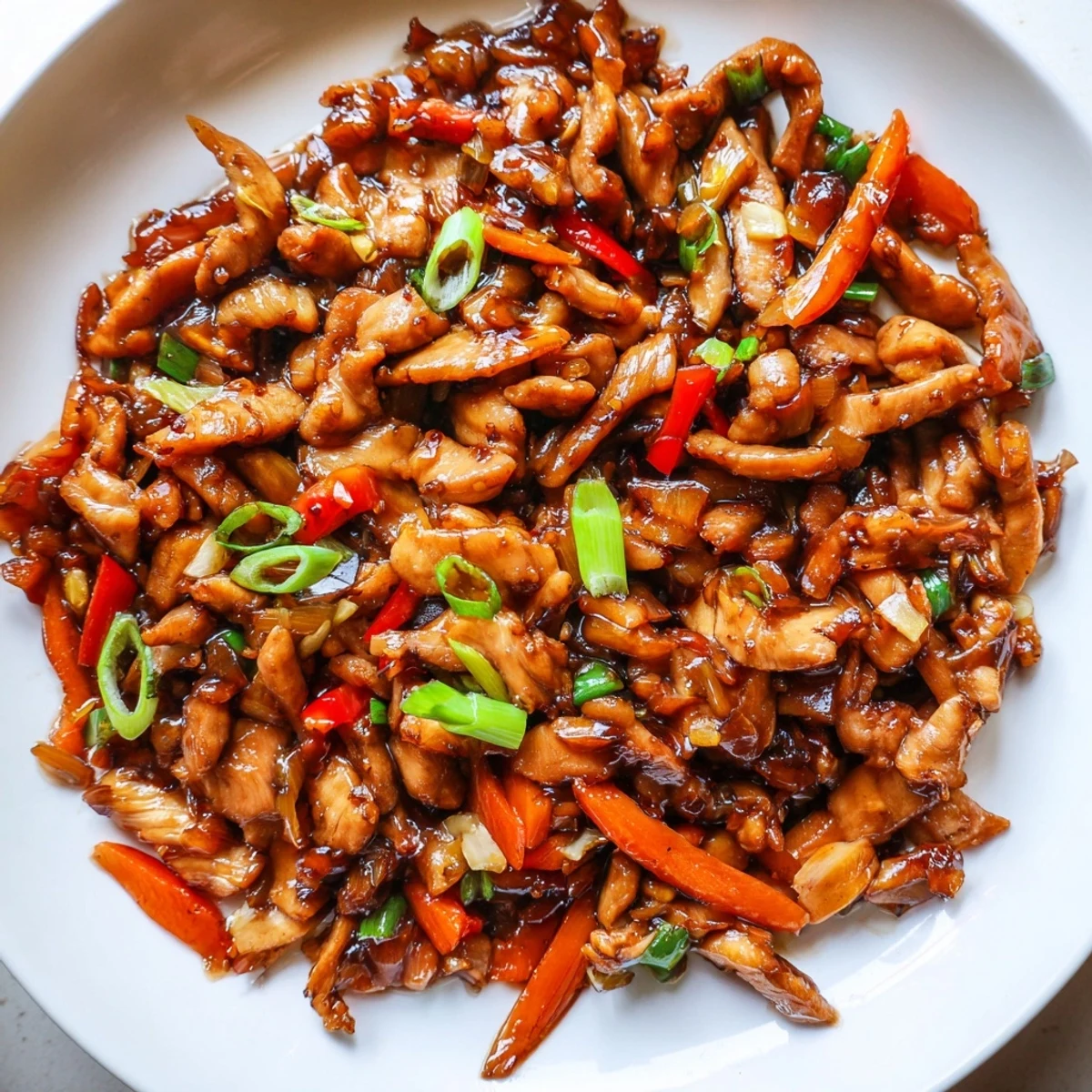
- Return the chicken to the wok, pour in the sauce, and stir fry everything for two to three minutes until the sauce bubbles, thickens, and coats every piece in a glossy sheen.
- Serve immediately:
- Transfer to a warm platter, scatter extra sliced spring onions on top if you feel like it, and serve alongside steamed rice while everything is still piping hot.
 Save Pin
 There was a night I made this for my roommate who insisted she did not like Chinese home cooking, and she stood over the wok eating straight from the pan with her chopsticks before we even made it to the table.
Choosing the Right Cut of Chicken
Chicken thighs will always give you a more forgiving result because the extra fat keeps everything juicy even if you accidentally cook it a minute too long, but breast works well if you slice it thin and pull it from the wok the second it turns opaque.
Adapting Vegetables by Season
One of the best things about a stir fry is how it accepts almost any vegetable you throw at it, so use whatever looks good, from snap peas in spring to sturdy broccoli florets in winter.
Getting the Sauce Just Right
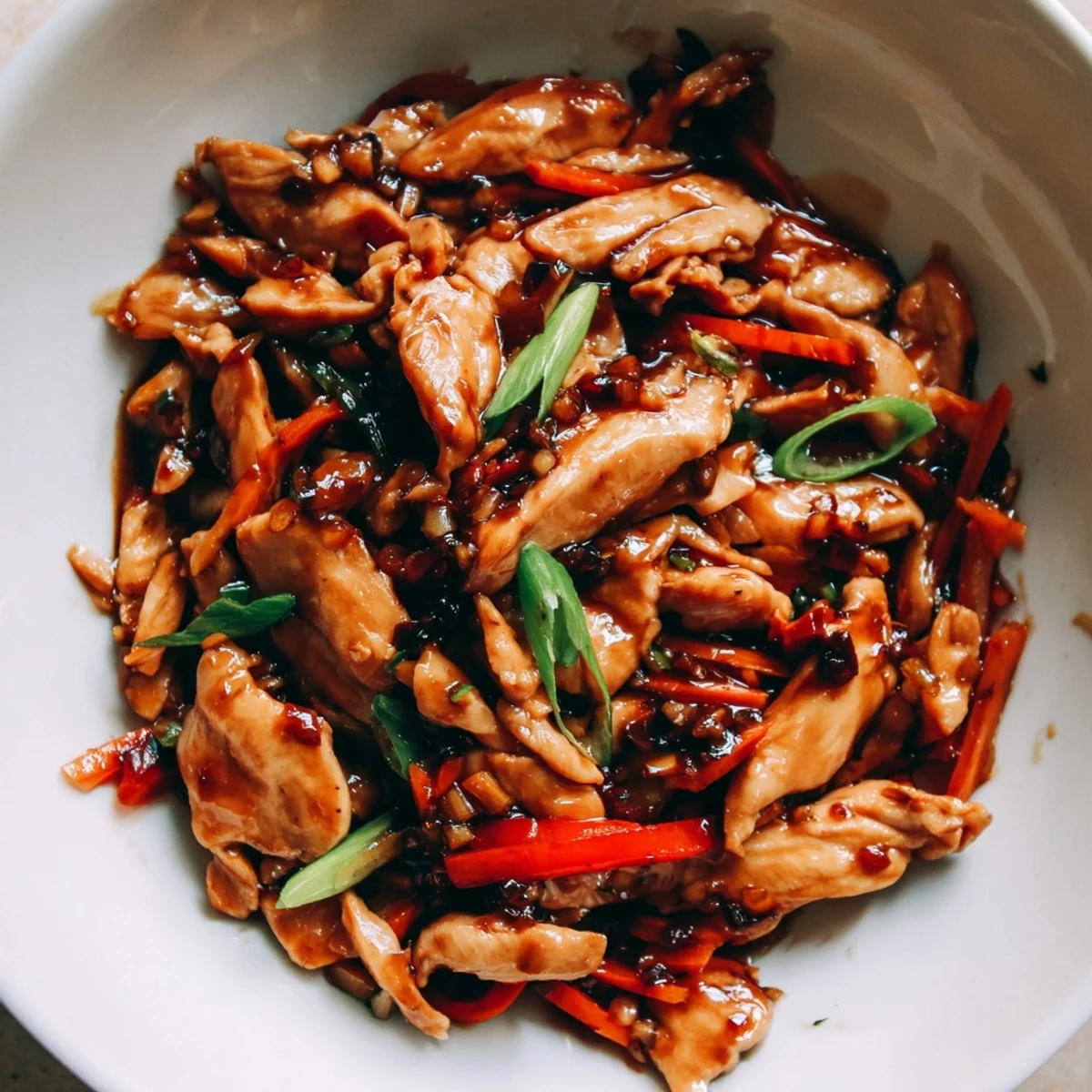
The sauce should coat the back of a spoon and cling to the chicken without pooling at the bottom of the plate, which means trusting the cornstarch slurry and giving it those final two minutes of heat.
- Always dissolve cornstarch in cold liquid before adding it to the hot pan to prevent lumps.
- Taste the sauce mixture before cooking and adjust with an extra pinch of sugar if it tastes too salty.
- Pull the wok off the heat the moment the sauce looks glossy and thick, because it will continue to set as it sits.
 Save Pin
 Keep a pot of rice steaming on the side and this dish will rescue more weeknights than you expect, no delivery app required.
Recipe FAQs
- → What cut of chicken works best for stir-frying?
-
Both boneless skinless chicken breast and chicken thigh work well. Chicken thigh tends to stay juicier and more forgiving during high-heat cooking, while breast meat is leaner. Cut the meat into thin, uniform strips so everything cooks evenly in the wok.
- → Can I substitute Shaoxing wine with something else?
-
Yes, dry sherry is the closest substitute for Shaoxing wine. You can also use mirin, sake, or even a splash of chicken broth with a tiny pinch of sugar if you need an alcohol-free option.
- → How do I keep the vegetables crisp during stir-frying?
-
The key is high heat and quick cooking. Make sure your wok is fully heated before adding vegetables, and avoid overcrowding the pan. Stir-fry vegetables for just 2 to 3 minutes so they remain tender but still have a satisfying crunch.
- → What can I serve with this garlic chicken?
-
Steamed jasmine rice is the classic pairing. You can also serve it with steamed noodles, cauliflower rice for a low-carb option, or alongside other Chinese dishes like hot and sour soup or stir-fried greens for a larger spread.
- → How should I store and reheat leftovers?
-
Store leftovers in an airtight container in the refrigerator for up to 3 days. To reheat, use a skillet or wok over medium heat with a splash of water to loosen the sauce. Avoid microwaving too long as the chicken can become rubbery and the vegetables may lose their texture.
- → Is this dish gluten-free?
-
As written, it is not gluten-free due to the soy sauce, oyster sauce, and hoisin sauce which typically contain wheat. You can make it gluten-free by using tamari or coconut aminos instead of soy sauce, and seeking out certified gluten-free versions of oyster and hoisin sauces.