
 Save Pin
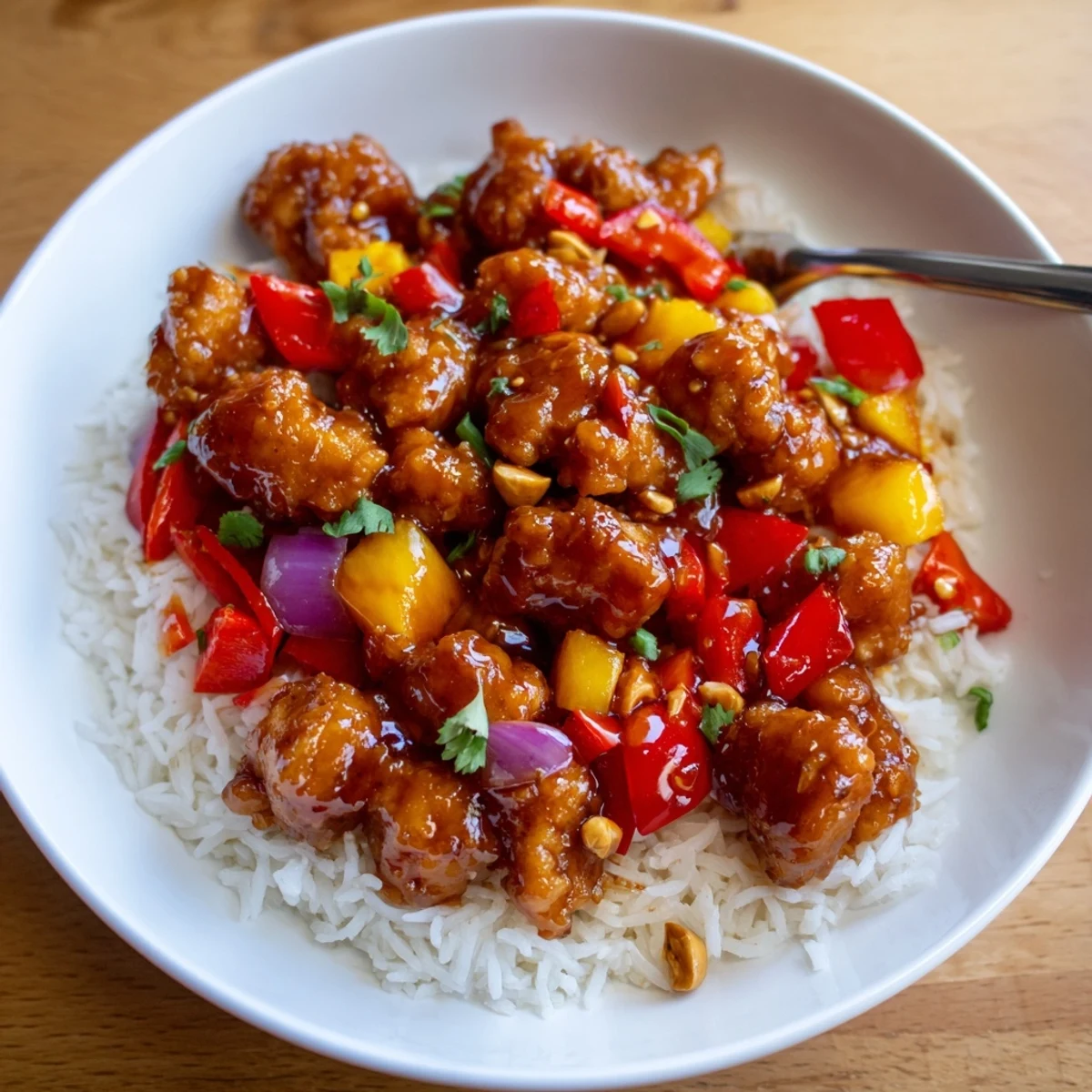
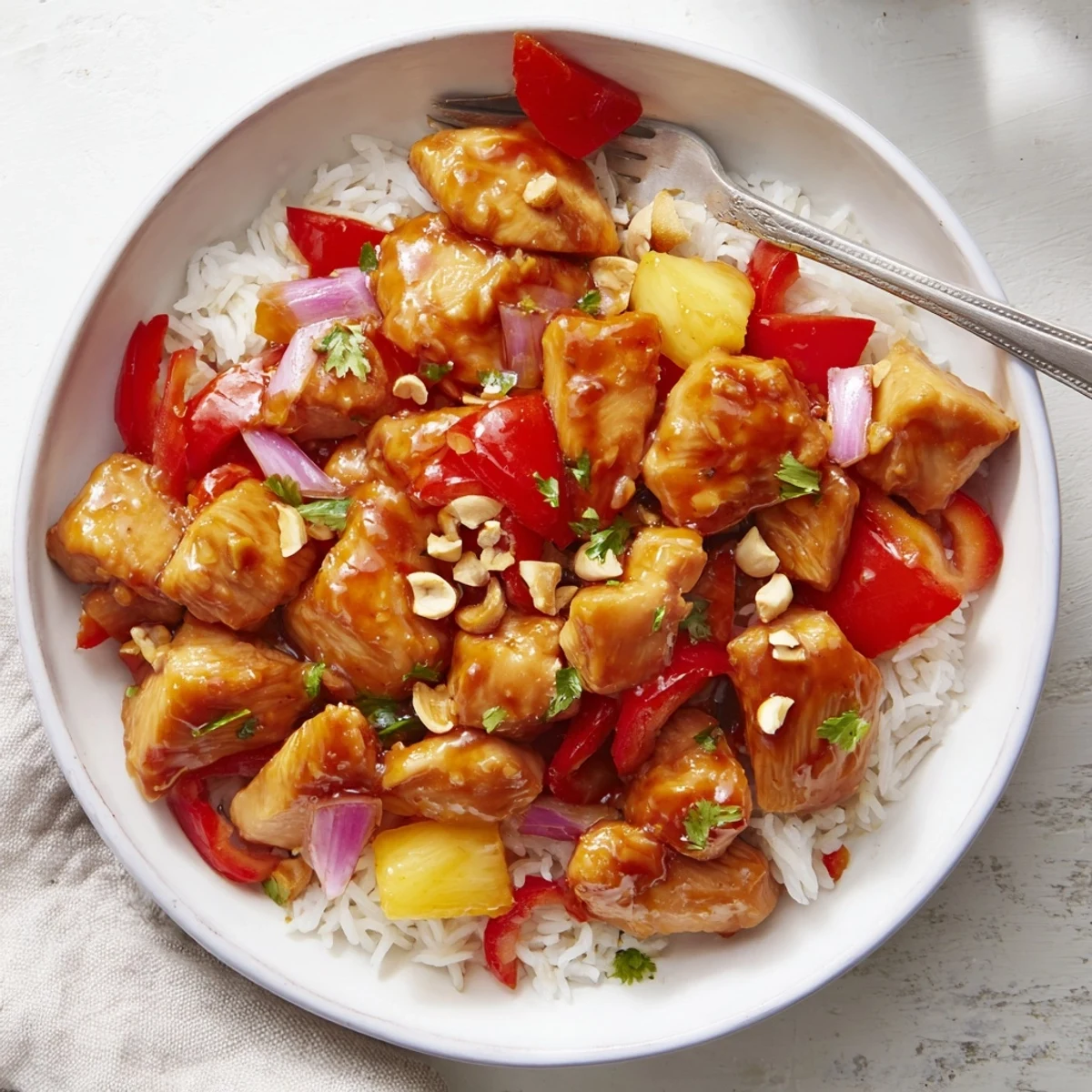
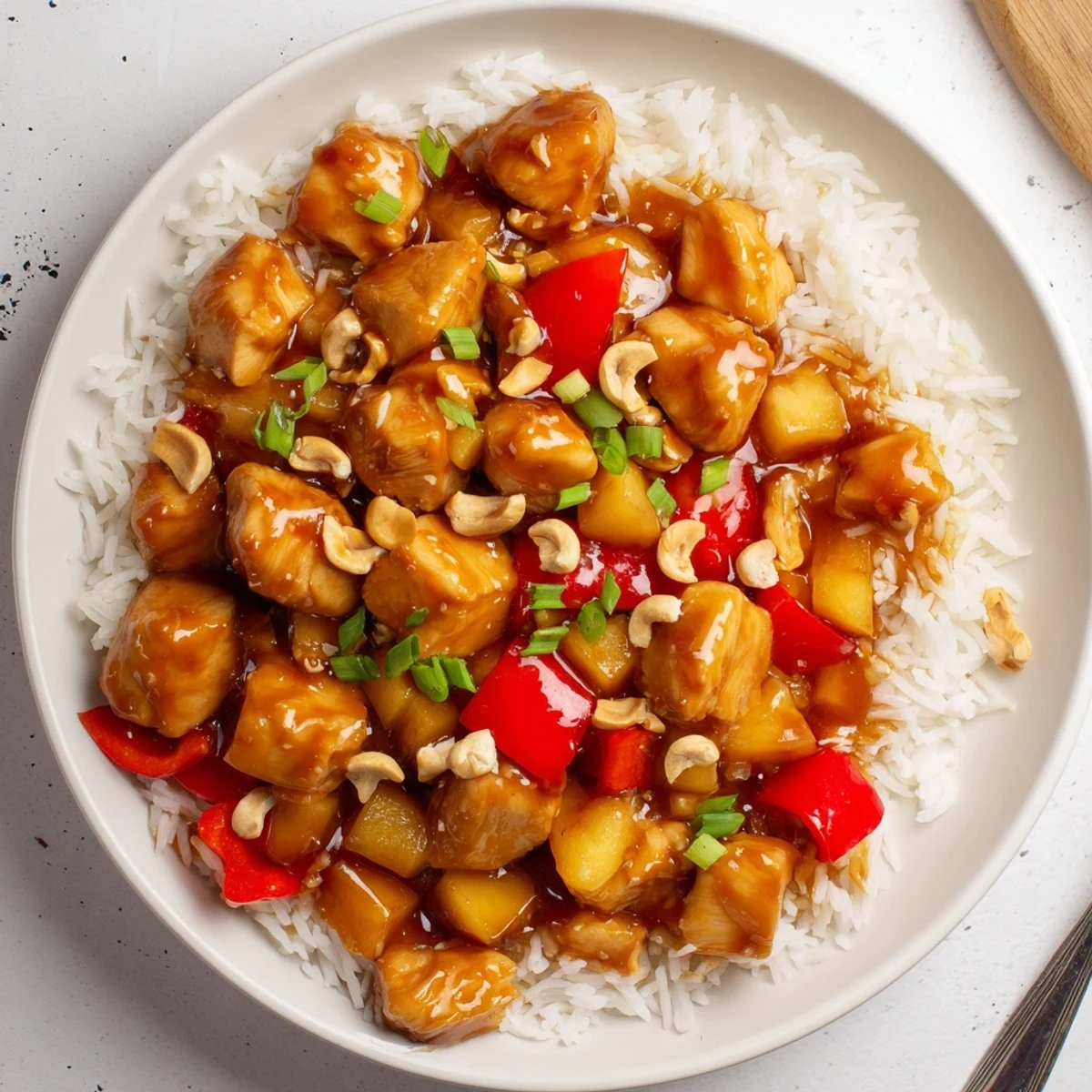
 Quick to prep and big on flavor, this tropical sweet-and-spicy chicken pairs seared bite-sized chicken with diced pineapple, mango and bell pepper in a honey-ginger-sriracha glaze. Served over fluffy long-grain rice, it balances sweet fruit, tangy vinegar and warm heat. Cook hot and fast to keep fruit vibrant; finish with cilantro and toasted cashews for brightness and crunch.
The sound of sizzling pineapple hitting a hot wok on a rainy Tuesday changed my entire perspective on weeknight dinners. Something about that caramelized sweetness mingling with garlic and chili made me stop mid-stir and actually pay attention to what I was cooking. This tropical sweet and spicy chicken rice delight became my unexpected salvation during a phase when every meal felt like a chore I was just checking off a list.
My neighbor Dave wandered over while I was dicing mango for this dish and declared it looked too fancy for a regular evening. I handed him a plate and he sat on my porch quiet for a full three minutes before saying anything at all. That silence told me everything I needed to know about whether the recipe worked.
Ingredients
- 500 g boneless skinless chicken breasts cut into bite sized pieces: Cut them uniform so every piece cooks evenly and nobody gets a rubbery surprise.
- 1 1/2 cups long grain white rice rinsed: Rinsing removes surface starch and gives you that distinct fluffy grain texture instead of a gummy clump.
- 1 red bell pepper diced: The sweetness of red bell pepper specifically works better here than green which can taste slightly bitter against the tropical fruits.
- 1 cup fresh pineapple diced: Fresh makes a noticeable difference because canned pineapple brings too much liquid and dilutes the sauce.
- 1 mango peeled and diced: A slightly firm but ripe mango holds its shape during cooking instead of melting into mush.
- 1 small red onion thinly sliced: Red onion adds a sharp colorful bite that cuts through the sweetness beautifully.
- 2 cloves garlic minced: Fresh garlic only because the jarred version lacks the pungency that balances the honey and fruit.
- 1 small red chili finely chopped: Optional but even a small amount adds a warmth that lingers without setting your mouth on fire.
- 3 tbsp soy sauce: Use gluten free tamari if needed because the salty umami base is non negotiable here.
- 2 tbsp honey: The honey caramelizes slightly when it hits the hot pan creating those gorgeous sticky edges on the chicken.
- 1 tbsp rice vinegar: A splash of acidity that brightens the whole dish and keeps the sweetness in check.
- 1 tbsp sriracha or sweet chili sauce: Pick based on your heat tolerance because sriracha brings fire while sweet chili leans gentle.
- 1 tsp grated fresh ginger: Fresh ginger adds a warm aromatic backbone that dried ginger simply cannot replicate.
- 1/2 tsp ground black pepper and 1/2 tsp salt: Simple seasonings that anchor all the bold flavors happening in the pan.
- 2 tbsp neutral cooking oil: Canola or sunflower works best because olive oil would compete with the tropical flavor profile.
- 2 tbsp fresh cilantro chopped: Added at the very end so it stays bright and herbal rather than wilted and forgotten.
- 2 tbsp toasted cashews or peanuts: The crunch factor elevates every bite from soft and saucy to textured and satisfying.
Instructions
- Get the rice going first:
- Cook the rice according to package directions then fluff with a fork and cover to keep warm while you handle everything else.
- Whisk the sauce together:
- Combine soy sauce, honey, rice vinegar, sriracha, ginger, salt, and pepper in a small bowl and give it a good whisk until the honey dissolves completely.
- Sear the chicken until golden:
- Heat one tablespoon of oil in a large skillet or wok over medium high heat then add the chicken pieces in a single layer and let them develop a golden crust before stirring, cooking six to eight minutes total.
- Build the aromatic base:
- Add the remaining oil to the same skillet and sauté the red onion, garlic, and chili for two to three minutes until your kitchen smells incredible.
- Toss in the bell pepper:
- Add the diced pepper and cook for another two minutes until it softens slightly but still has some bite left.
- Add the tropical fruits:
- Stir in the pineapple and mango, cooking just long enough to heat them through so they release their juices without turning into jam.
- Bring it all together:
- Return the chicken to the pan, pour the sauce over everything, and toss to coat, cooking two to three minutes until the sauce thickens and clings to each piece like glossy armor.
- Plate and garnish:
- Serve the chicken and fruit mixture over beds of fluffy rice and scatter cilantro and toasted nuts on top for that finishing crunch.
 Save Pin
 I made this for a friend who claimed she hated fruit in savory dishes and watched her go back for seconds without a single word of complaint. Sometimes the best way to change someones mind is to simply set a plate in front of them and let the food do all the arguing.
Swaps and Additions That Actually Work
Papaya stands in beautifully for mango if yours is underripe or unavailable, and canned pineapple works when fresh is out of season, just drain it thoroughly first. A handful of snap peas tossed in during the last minute adds a crisp green element that makes the whole plate feel more complete and visually vibrant.
What to Serve Alongside
A chilled glass of semi sweet Riesling mirrors the fruity heat in the dish without fighting against it. For a non alcoholic option, brew a batch of tropical iced tea with a splash of passionfruit juice and a sprig of mint for something that feels intentionally paired rather than an afterthought.
Tools and Allergen Notes
A wok is ideal but a large deep skillet gets the job done perfectly fine on any home stove. Keep a wooden spoon or heatproof spatula handy because the sauce thickens quickly and you want to keep everything moving.
- Check your soy sauce label for gluten if that matters to you because not all brands are created equal.
- Skip the nuts entirely or use sunflower seeds as a crunchy alternative for anyone with allergies.
- Double check pre packaged sriracha or sweet chili sauce for hidden gluten and added preservatives.
 Save Pin
 This is the kind of recipe that turns a plain Wednesday into something worth remembering and all it asks of you is a cutting board and about fifty minutes. Share it with someone who thinks fruit belongs only in desserts and watch their face change with the first bite.
Recipe FAQs
- → How do I prevent the fruit from getting mushy?
-
Cook fruit briefly over high heat and add it toward the end of sautéing so it warms without breaking down. Reserve a few fresh pieces to stir in at the finish for extra texture.
- → Can I use canned pineapple or frozen fruit?
-
Yes. Drain canned pineapple well to avoid thinning the glaze; frozen fruit works if thawed and patted dry. Reduce cooking time slightly to prevent sogginess.
- → How can I make this fully gluten-free?
-
Swap regular soy sauce for gluten-free tamari or coconut aminos and confirm any store-bought sauces are labeled gluten-free. All other ingredients are naturally gluten-free if verified.
- → How do I adjust the heat level?
-
Reduce or omit the red chili and sriracha for a milder finish. For more heat, add chopped fresh chili, a splash of hot sauce, or a pinch of crushed red pepper when tossing the dish.
- → What’s the best rice to serve with this dish?
-
Long-grain varieties like jasmine or basmati provide a light, fluffy base that soaks up the glaze without becoming sticky. Rinse rice before cooking for the best texture.
- → How should leftovers be stored and reheated?
-
Store in an airtight container in the fridge for up to 3 days. Reheat gently in a skillet over medium heat, adding a splash of water to loosen the glaze and restore moisture; avoid microwaving for extended periods to preserve fruit texture.