
 Save Pin
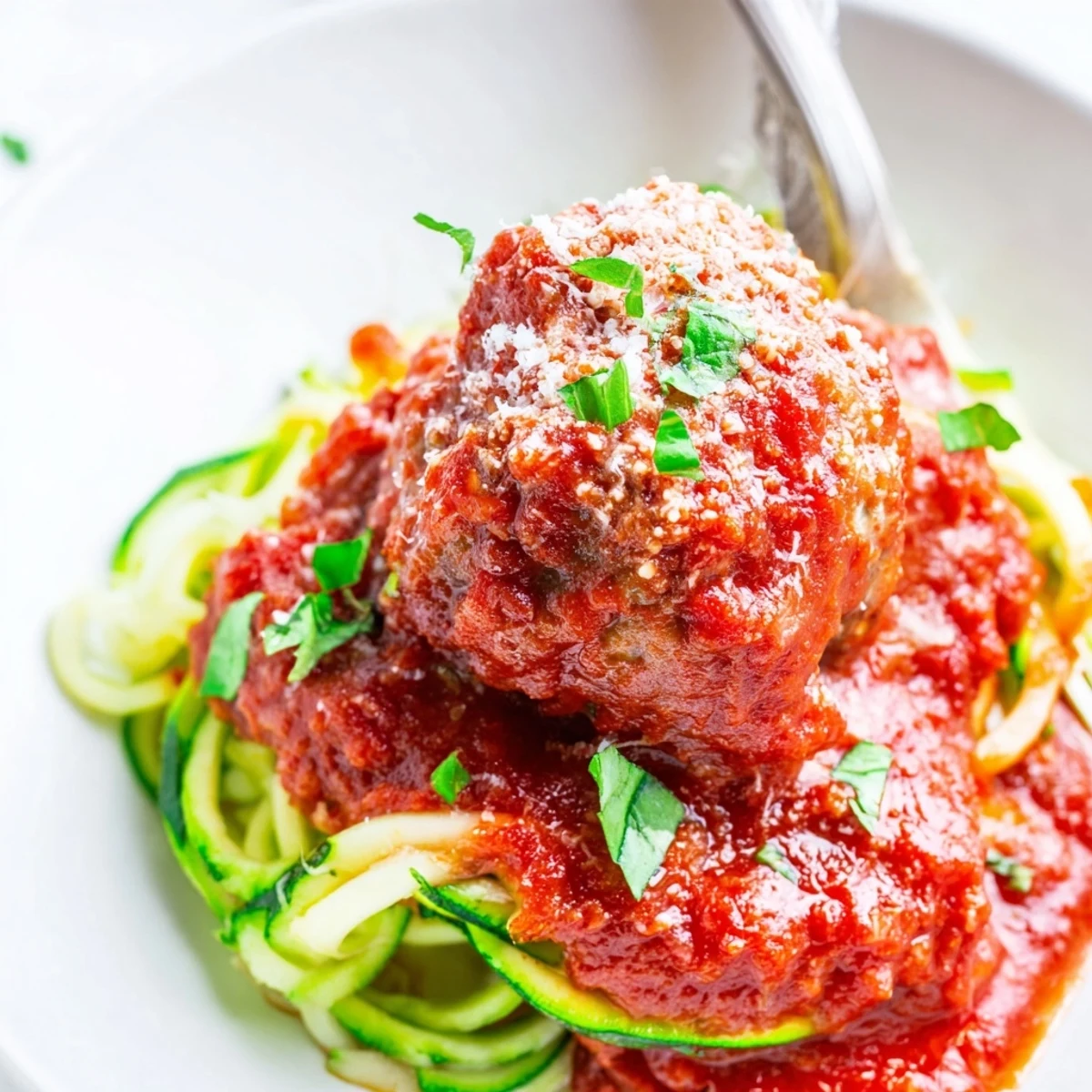
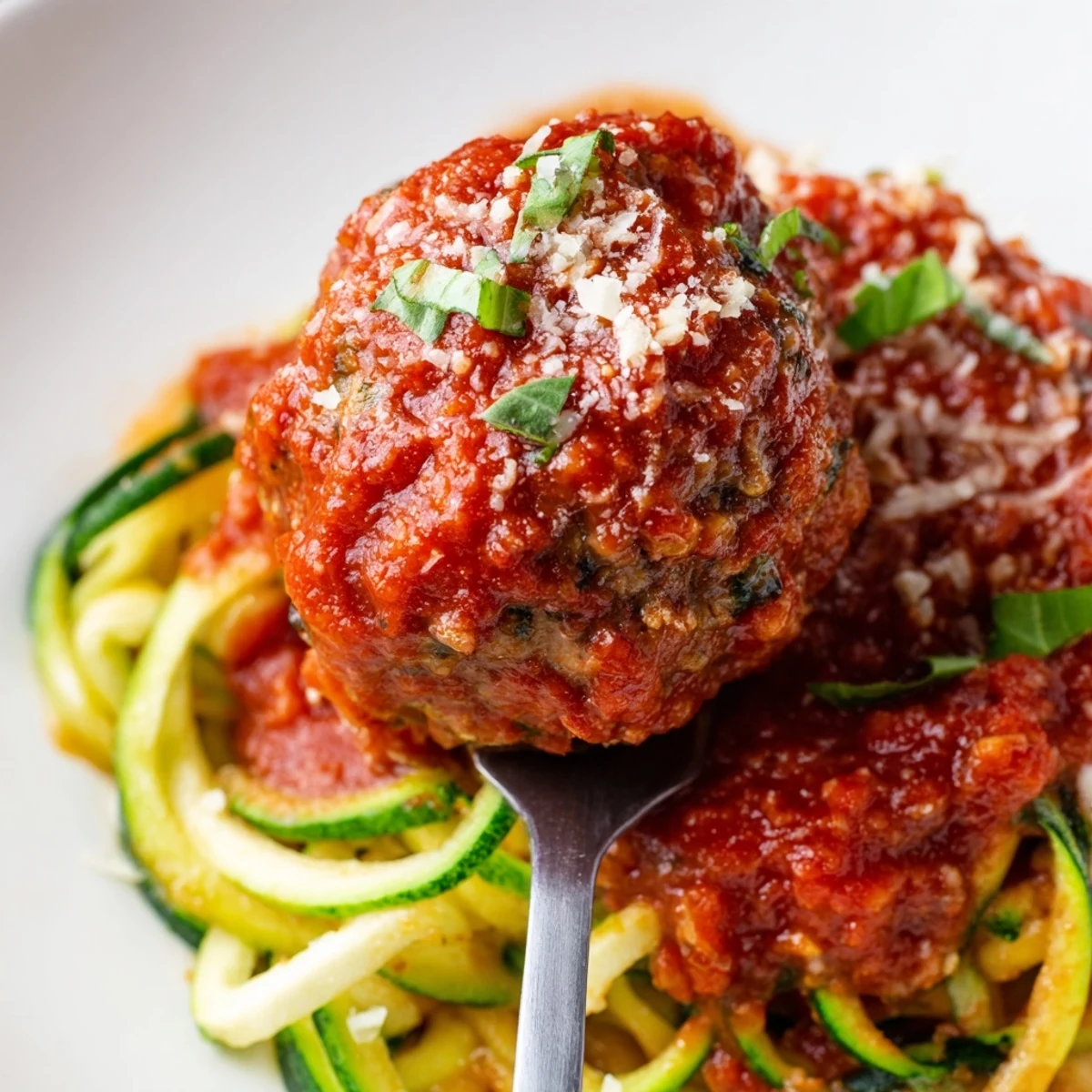
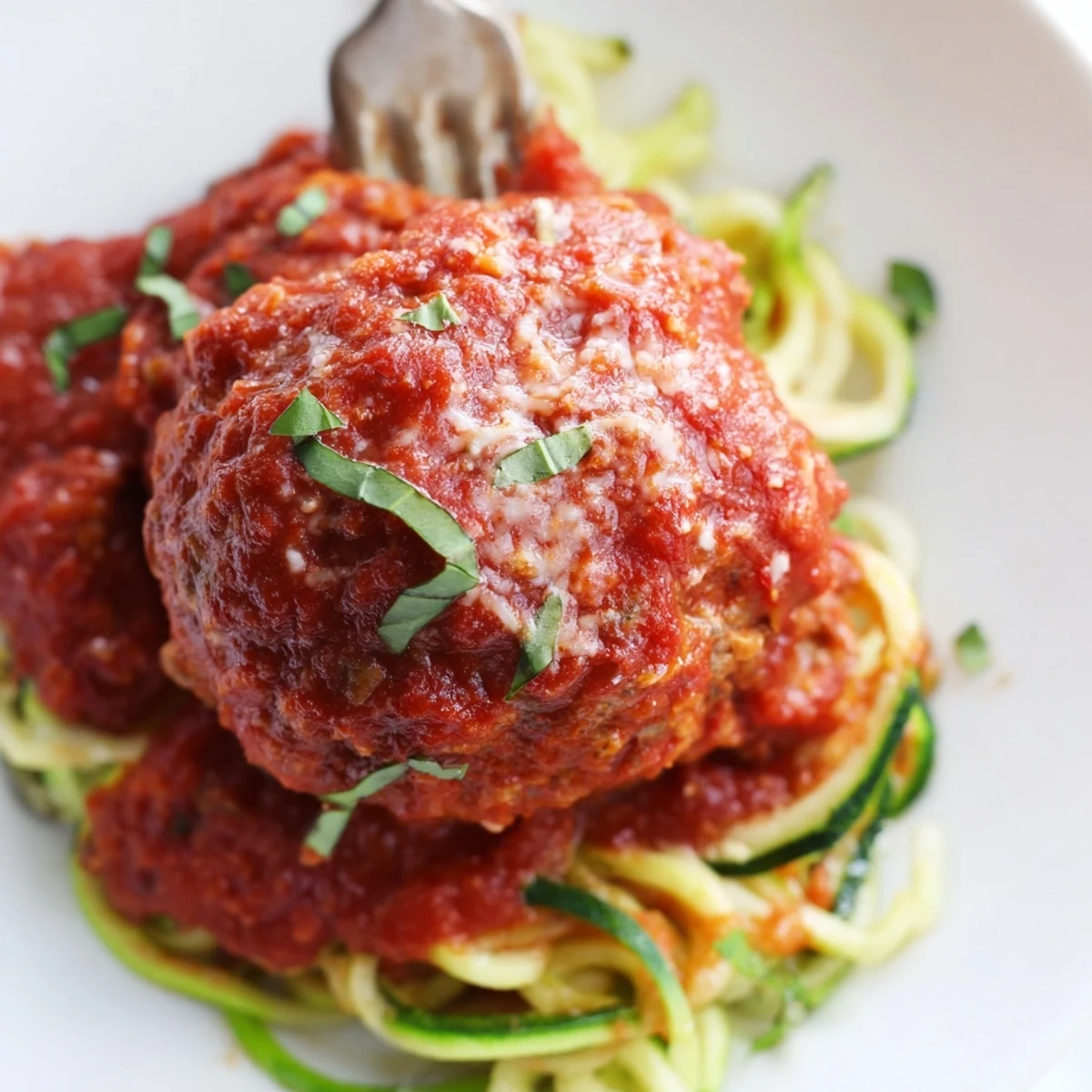
 Enjoy a healthy twist on classic Italian flavors featuring juicy turkey meatballs seasoned with fresh herbs and Parmesan. These meatballs are gently browned then simmered in a rich, homemade marinara sauce made with fresh tomatoes, garlic, and basil. Tender zucchini noodles are quickly sautéed to maintain a light texture, providing a low-carb alternative. The combination creates a satisfying main dish full of vibrant flavors and wholesome ingredients, perfect for a quick and easy meal with gluten-free options.
There's something about watching zucchini transform into delicate ribbons that makes you feel like you've unlocked a kitchen secret. I stumbled onto this recipe during one of those weeks when everything felt heavy, and I needed something that tasted indulgent but didn't weigh me down. The turkey meatballs turned out impossibly juicy, and the marinara caught every herb perfectly—it became my go-to when I wanted to impress without the usual carb-loaded guilt.
I made this for my sister when she was trying to cut back on pasta, and halfway through dinner she stopped mid-bite and said, "Wait, this is actually better than the real thing." That moment taught me that sometimes the best meals are the ones born out of necessity, not nostalgia. She still texts me for the recipe every other month.
Ingredients
- Ground turkey: Use the fattier ground turkey (around 93/7) so your meatballs stay tender instead of turning into dense, sad balls.
- Egg: This is your binder, and it matters—don't skip it or use a substitute.
- Gluten-free breadcrumbs or almond flour: Almond flour makes them slightly fluffier, while breadcrumbs give a more traditional bite.
- Parmesan cheese: Freshly grated tastes exponentially better than the pre-shredded kind.
- Fresh garlic and parsley: These are what make people ask for your recipe instead of just compliments.
- Dried oregano: It blooms in the heat and becomes almost floral.
- Canned crushed tomatoes: San Marzano if you can find them, but honest crushed tomatoes work beautifully too.
- Fresh basil: Save this for garnishing at the end—cooking it too long turns it bitter.
- Zucchini: Choose medium-sized ones, not giants, or you'll end up with watery noodles.
Instructions
- Mix the meatball base gently:
- Combine everything in a bowl, but treat it like you're handling something precious. Overworking the mixture makes tough meatballs that taste dense and wrong. Your hands are the best tool here—use them and stop as soon as everything looks cohesive.
- Roll with confidence:
- Wet your hands slightly so the mixture doesn't stick, then roll each portion into a ball about the size of a golf ball. They don't need to be perfect; slightly irregular meatballs actually look more appetizing and cook more evenly.
- Brown the meatballs properly:
- Heat your oil until it shimmers, then listen for that satisfying sizzle when each meatball hits the pan. Brown them in batches so they actually brown instead of steaming in their own moisture. They'll finish cooking in the sauce, so don't worry if the centers feel slightly soft.
- Build the sauce's foundation:
- That moment when garlic hits hot oil is pure magic—your kitchen will smell incredible. Let the onions go soft and sweet before adding everything else. This step takes maybe five minutes total but makes the entire sauce taste deeper.
- Simmer with patience:
- This is when the meatballs finish cooking and the sauce gets silky. Low heat, partial cover, and a stir or two keeps everything gentle. The longer it simmers, the better the flavors marry, but even 15 minutes transforms everything.
- Cook zucchini at the last minute:
- Zucchini noodles can go from tender to waterlogged in about 30 seconds, so time this while the meatballs are finishing. You want them just barely wilted, still with a slight bite. A quick drain in a colander finishes the job.
- Plate it like you mean it:
- Noodles first, then nestle those golden meatballs right on top, and finish with a generous spoon of sauce. Fresh basil and a scatter of Parmesan transform it from weeknight dinner into something you'd order at a restaurant.
 Save Pin
 My favorite version of this meal happened on a random Tuesday when I had someone over who mentioned they were tired of feeling sluggish after dinner. We ate together in my kitchen, and watching her light up halfway through because she realized she was satisfied but not stuffed—that's when I knew this recipe had become something more than just food for me.
How to Make the Sauce Taste Restaurant-Quality
The secret is balance and time. Most home cooks either make their sauce too acidic or too flat. That tiny pinch of sugar isn't about sweetness—it's about softening the acidity of the tomatoes so the herbs can shine through. If you taste it and it feels sharp, a teaspoon of butter swirled in at the end adds a roundness that makes people ask what your secret ingredient is. Let the sauce simmer longer than you think necessary; those 20 minutes are when it goes from tasting like canned tomatoes to tasting like something you spent hours on.
Why Turkey Works Better Than You'd Expect
Turkey gets unfairly dismissed as the boring protein, but ground turkey has this surprising delicacy that actually lets the herbs and sauce take the spotlight instead of overpowering everything with meaty heaviness. It also cooks faster and more evenly than beef, which means less guessing about whether your meatballs are actually done inside. I started using it not out of virtue but out of laziness, and now I prefer it. The texture becomes almost tender if you don't overwork it, and it pairs perfectly with acidic tomato sauce.
Make It Yours
This recipe is a foundation, not a commandment. I've made it with ground chicken when turkey wasn't around, and it tastes just as good. Some nights I add a small pinch of chili flakes to the sauce for warmth, and other times I keep it pure. You could add a handful of spinach to the meatball mixture, or swap the almond flour for regular breadcrumbs. The constants are the gentle technique and the patience—everything else can flex based on what's in your kitchen and what you're craving.
- Add a splash of red wine to the sauce if you want it to taste even more developed and sophisticated.
- Make extra meatballs and freeze them uncooked on a tray, then transfer to a freezer bag for future quick dinners.
- If you don't have a spiralizer, a vegetable peeler creates ribbons that are just as tender and almost as pretty.
 Save Pin
 This dish reminds me that the best meals are often the simplest ones, made with intention and a little care. It's become my answer when someone asks what to make when you want to feel nourished instead of stuffed, and that feels like the highest compliment a recipe can get.
Recipe FAQs
- → Can I substitute ground chicken for turkey?
-
Yes, ground chicken works well as a lean alternative, providing similar texture and flavor.
- → How do I prevent zucchini noodles from becoming soggy?
-
Sauté zucchini noodles briefly over medium-high heat and drain any excess moisture to keep them tender yet firm.
- → Is Parmesan cheese necessary for the meatballs?
-
Parmesan adds savory depth, but you can omit it or use a plant-based alternative for a dairy-free version.
- → Can I prepare the meatballs ahead of time?
-
Yes, you can mix and shape the meatballs in advance and refrigerate before cooking and simmering in sauce.
- → What herbs enhance the flavor of the meatballs?
-
Fresh parsley, dried oregano, and a touch of garlic complement the turkey meatballs beautifully.
- → How long should the meatballs simmer in the sauce?
-
Simmer for 15–20 minutes on low heat to ensure they cook through and absorb the rich marinara flavors.