
 Save Pin
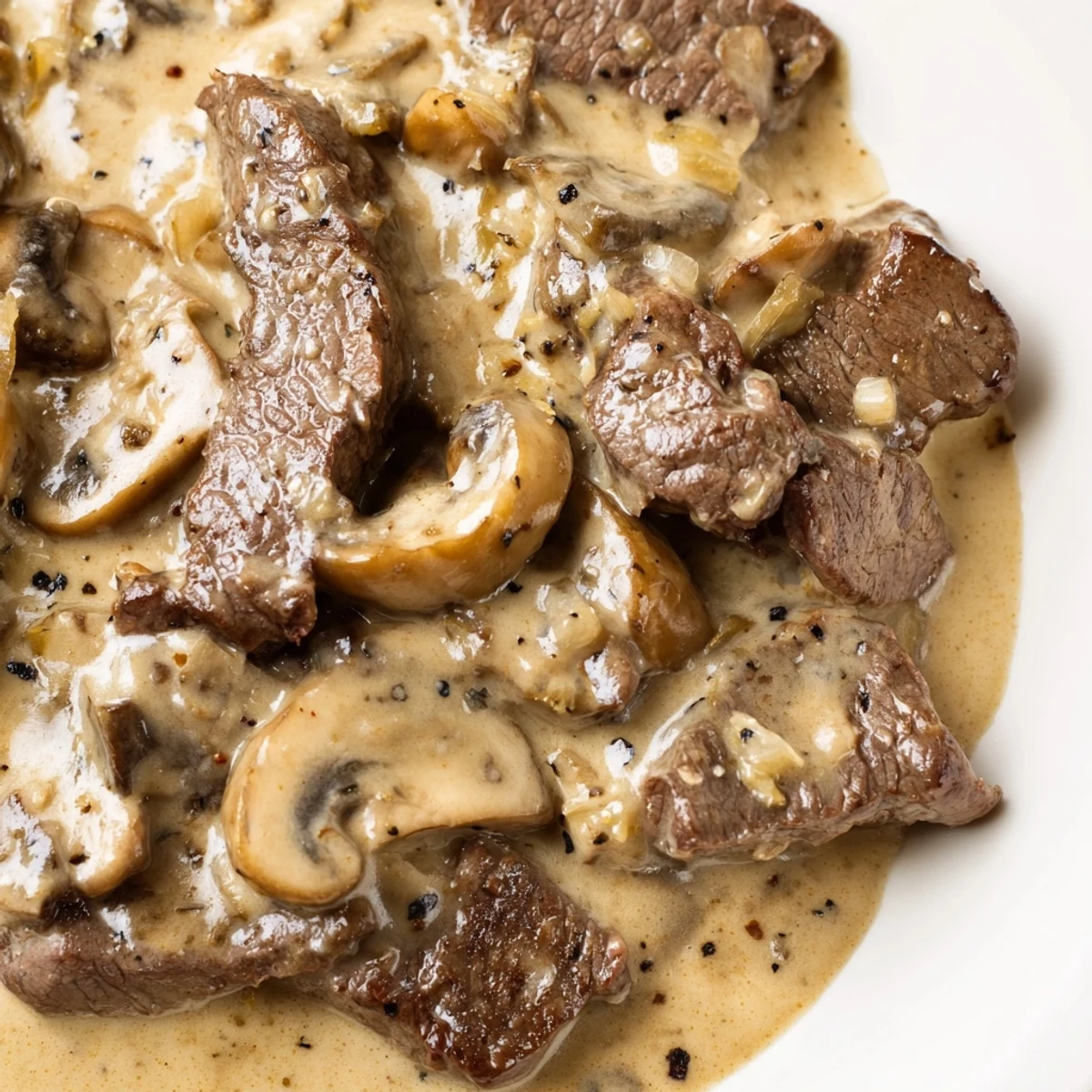
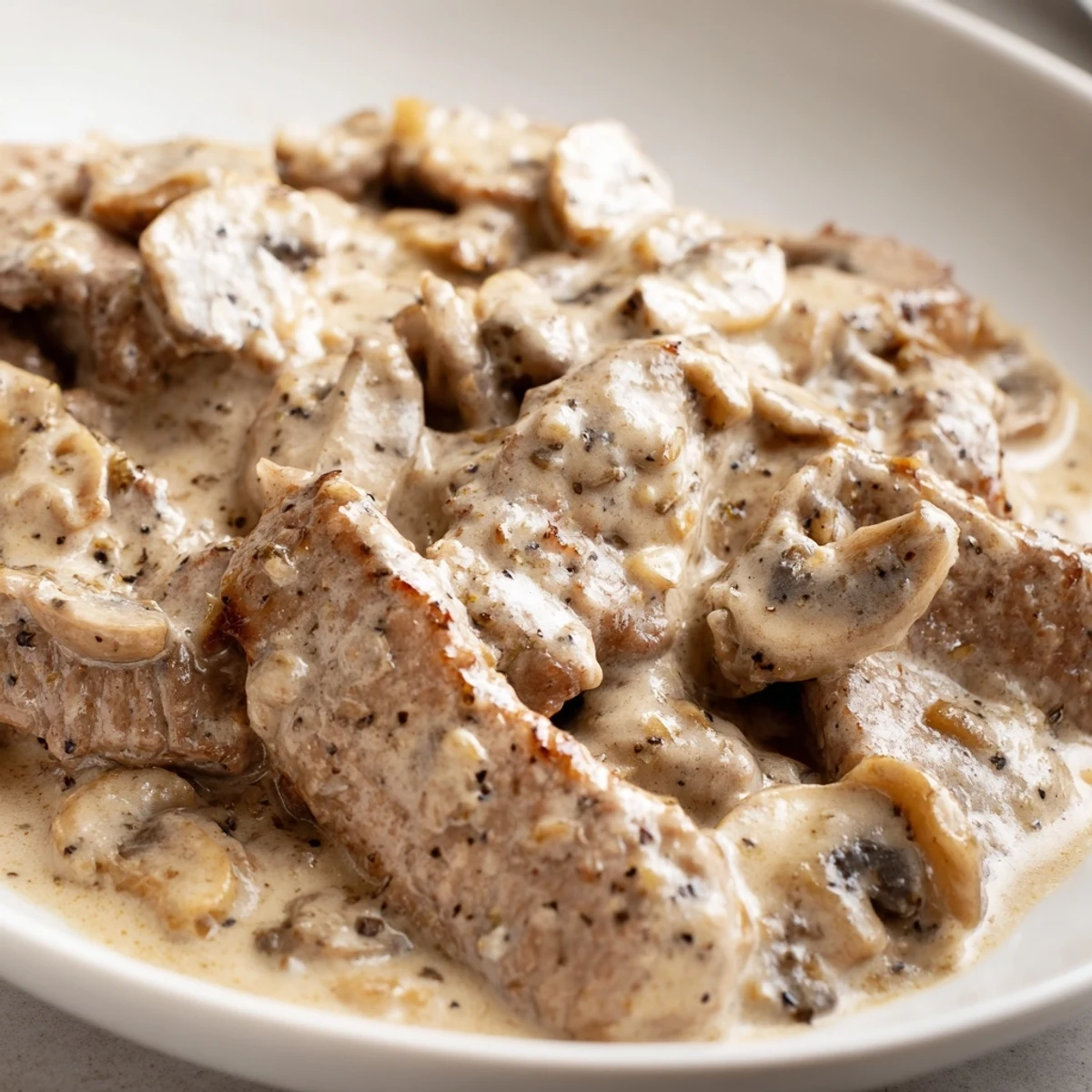
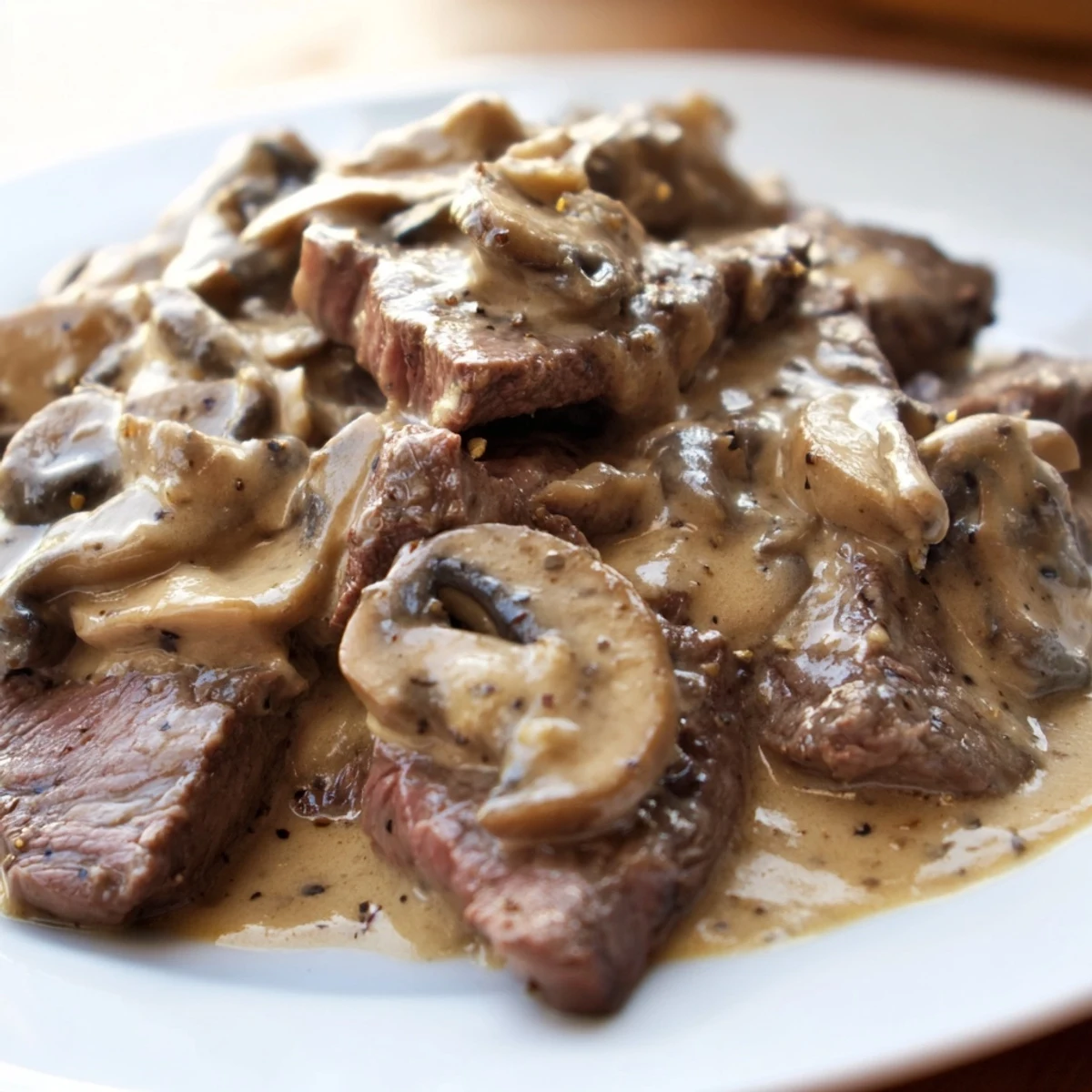
 This dish combines tender beef strips lightly coated in flour and spices, seared to lock in flavor. Sautéed onions, garlic, and mushrooms create a rich base enhanced by tomato paste and mustard. A blend of beef broth and Worcestershire sauce simmers with the beef before finishing with sour cream for creamy texture. Served over egg noodles or rice, it offers a comforting, hearty meal accented with fresh parsley.
There's something about the smell of beef hitting a hot skillet that makes you feel like you're cooking something important. My first stroganoff came together almost by accident on a weeknight when I had leftover mushrooms and a cut of beef that needed using, and somehow those humble ingredients turned into something that felt like I'd unlocked a secret. That creamy, tangy sauce with its dark savory depth became the reason I started keeping sour cream in my fridge on purpose. Now, when life feels hectic, this is the dish I turn to because it somehow feels both effortless and special.
I remember cooking this for my parents on their anniversary dinner at home, and my dad, who's never been one for lavish praise, went back for seconds and asked quietly how I'd learned to make something like this. That moment taught me that stroganoff isn't just about technique, it's about creating something that makes people feel cared for. The way the kitchen smelled while it simmered, the steam rising from the noodles, all of it felt ceremonial in the best way.
Ingredients
- Beef sirloin or rump steak (500 g, sliced thin): Slicing against the grain keeps each bite tender, and if you partially freeze the meat for 20 minutes before slicing, your knife work becomes almost effortless.
- All-purpose flour (1 tbsp): This light coating helps the beef brown beautifully and thickens the sauce later, but resist over-flouring or the coating becomes gummy.
- Salt and black pepper (1/2 tsp each): Season generously here because it's your only real flavor boost for the meat itself before everything comes together.
- Unsalted butter (2 tbsp total): The butter carries flavor in a way oil can't, and splitting it between searing and building the base keeps the sauce tasting clean and rich.
- Olive oil (1 tbsp): Just enough to prevent the butter from burning when the heat is high, creating the perfect searing environment.
- Medium onion, finely chopped: Fine chopping means the onions almost disappear into the sauce, adding sweetness without texture, and three minutes is just long enough to soften without browning.
- Garlic cloves, minced (2 cloves): Thirty seconds is the window where garlic becomes fragrant but not bitter, so watch it carefully and move on.
- Cremini or white button mushrooms, sliced (300 g): Cremini mushrooms have more depth if you can find them, and waiting for their moisture to release and evaporate is what gives the sauce its concentrated flavor.
- Tomato paste (1 tbsp): This little spoonful adds umami depth that seems out of proportion to its size, transforming the gravy from simple to sophisticated.
- Dijon mustard (1 tsp): A tiny amount lifts the sauce without making it taste mustardy, adding a subtle complexity that keeps you wondering what you're tasting.
- Beef broth (250 ml): Using warm broth instead of cold speeds things up and prevents the temperature from dropping when you pour it in, keeping the sear intact.
- Sour cream (120 ml): Room temperature sour cream mixes in smoothly without breaking, and it's the soul of this dish, adding tanginess that makes everything taste more alive.
- Worcestershire sauce (1 tbsp): This adds a savory complexity that most home cooks don't expect in stroganoff, but it's the secret that makes people ask for the recipe.
- Egg noodles or rice (250 g cooked): Noodles are traditional, but rice works beautifully too, just choose whichever sounds right for your mood.
- Fresh parsley, chopped (2 tbsp optional): A garnish of fresh parsley brings brightness and signals that dinner is finished and plated with intention.
Instructions
- Set up your mise en place:
- Slice your beef thin, coat it lightly with flour, salt, and pepper, and set it aside while you prep everything else. This calm moment of organization prevents the scramble later when everything's happening at once.
- Get a beautiful sear on the beef:
- Heat butter and oil together until the pan is truly hot (the oil should shimmer), then add beef in a single layer and resist the urge to move it around for a full minute on each side until it's deeply golden. Working in batches means you're not crowding the pan, which is what turns browning into steam.
- Build the aromatics:
- With the beef set aside, add a touch more butter and sauté the onions low and slow until they turn translucent and sweet, then add garlic for just 30 seconds so it wakes up but doesn't burn. This is where the foundation of flavor starts taking shape.
- Brown the mushrooms:
- Mushrooms release water first, then reabsorb it as they cook, so give them 5-7 minutes and you'll know they're ready when they've turned golden and smell earthy and concentrated. This step matters more than people realize.
- Make the sauce base:
- Stir in tomato paste and mustard, cooking for just a minute to deepen their flavors and remove any raw taste. The pan will look darker and more serious at this point, which is exactly what you want.
- Bring it together with broth:
- Pour in warm beef broth while scraping the bottom of the pan with a wooden spoon to release all those browned bits stuck there, as they're pure flavor. Add Worcestershire and let everything simmer gently for a few minutes so the flavors begin talking to each other.
- Return the beef and finish:
- Slide the beef back in along with any juices that pooled while it was resting, and give it just 3-4 minutes to warm through and mingle with the sauce. The beef is already cooked, so gentle heat is all it needs.
- Finish with sour cream:
- Remove the pan from direct heat, stir in sour cream slowly until the sauce is smooth and silky, then warm it through without letting it boil or the cream will separate. This final step is where the dish becomes luxurious.
- Serve with intention:
- Pour everything over egg noodles or rice, add a small handful of fresh parsley if you have it, and serve immediately while the noodles are still warm and the sauce is still creamy.
 Save Pin
 I learned something important the first time I cooked this for someone I wanted to impress: the dish itself was honest and straightforward, which somehow made the care feel more real. There's no hiding behind complexity or pretense here, just good ingredients treated respectfully, and that simplicity is what makes it land so deeply.
The Stroganoff Secret You Haven't Heard Yet
The real magic isn't in any single ingredient, it's in understanding that stroganoff is built in layers, each one deepening what comes next. Most people rush the mushroom step, but those 5-7 minutes where the moisture leaves and comes back are when the flavor gets concentrated and intense. Once you understand that principle, you start seeing it everywhere in cooking, and stroganoff becomes less a recipe to follow and more a philosophy about patience and letting ingredients become themselves.
Timing and the Rhythm of Cooking This Right
Everything in stroganoff moves in rhythm with the beef, which is either already cooked or needs just a moment to warm through. Knowing this changes how you think about the dish, because you can prep everything ahead and then finish it in the time it takes to cook pasta or rice. I've learned to start my noodles simmering just as I'm searing the beef, which means when the stroganoff is creamy and ready, the noodles drain almost simultaneously.
Temperature Control and Why It Matters More Than You Think
Every temperature shift in stroganoff is intentional: high heat for browning, medium for building, low for finishing. This isn't about rules, it's about respecting what happens to ingredients at different temperatures and working with that instead of against it. Once you feel how the pan responds at each stage, you're not following a recipe anymore, you're having a conversation with the food.
- Use warm broth to maintain searing temperature when the liquid goes in, preventing the beef from seizing.
- Sour cream goes in off-heat because cream breaks quickly once it reaches a boil, and you only get one chance to nail the texture.
- Rest and warm the beef gently at the end rather than simmering it hard, keeping the meat tender and the sauce silky.
 Save Pin
 Stroganoff teaches you that some of the best meals come from a few good ingredients treated with quiet respect and perfect timing. Once you make this, you'll understand why it's been passed down through kitchens for generations.
Recipe FAQs
- → What cut of beef works best?
-
Sirloin or rump steak sliced thinly provides tenderness and cooks evenly for this dish.
- → Can I substitute sour cream?
-
Greek yogurt can be used as a lighter alternative to sour cream while maintaining creaminess.
- → How do I prevent the mushrooms from becoming soggy?
-
Cook mushrooms over medium heat until browned and moisture evaporates to keep them flavorful and firm.
- → What should I serve with this dish?
-
Egg noodles or rice are traditional sides that complement the creamy mushroom gravy well.
- → Is it possible to use other meats?
-
Chicken or pork can replace beef for a variation with similar cooking methods.
- → Can I make this gluten-free?
-
Substitute flour with cornstarch and choose gluten-free pasta or rice sides to keep it gluten-free.